
Last Updated on July 30, 2026 by Mason Reed
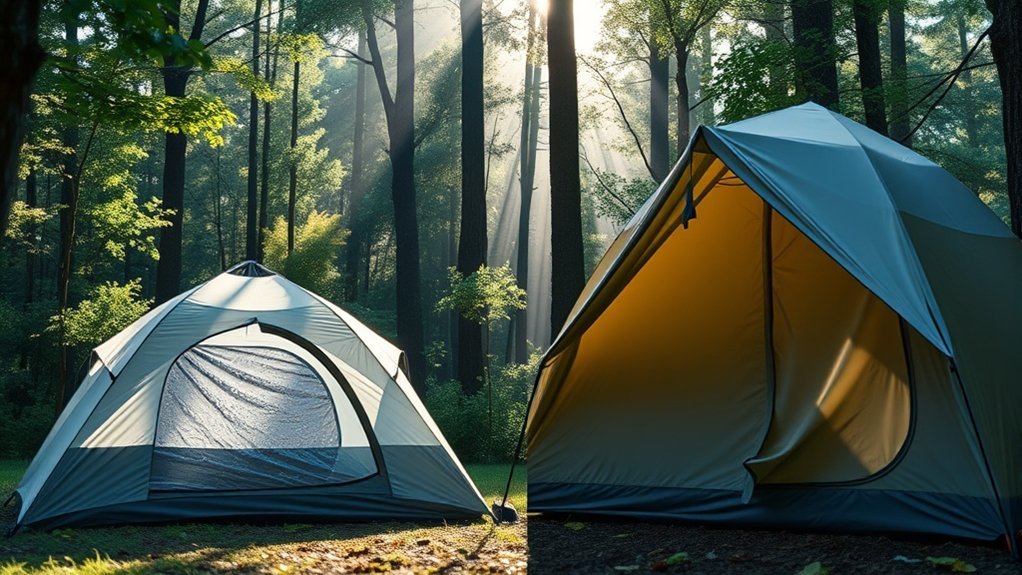
Single-wall and double-wall tents can both provide dependable shelter, but they handle weight, airflow, interior moisture, and living space differently. A single-wall tent often suits fast, lightweight trips or specialized alpine use. A double-wall tent is usually easier to live in during humid weather or longer trips. The best choice depends on the tent’s complete design, not wall count alone.
Quick Answer
Choose a single-wall tent when low weight, compact packing, and a fast pitch matter most. Choose a double-wall tent when you want better airflow, more vestibule space, and greater separation from condensation. For winter or severe weather, check the tent’s season rating, pole structure, fabric coverage, and wind and snow capability—not just its wall design.
Key Takeaways
- Single-wall tents are often lighter and faster to pitch, but interior condensation may be more noticeable.
- Double-wall tents usually offer better airflow, vestibule storage, and separation between sleepers and a wet rainfly.
- Neither design eliminates condensation, and both must be ventilated correctly.
- A double-wall tent is not automatically warmer, and a single-wall tent is not automatically suitable for winter.
- Compare the exact weight, dimensions, season rating, pole design, vents, doors, and setup method of each model.
Disclosure: As an Amazon Associate I earn from qualifying purchases. Some links on this page are affiliate links, at no extra cost to you.
Understanding Single-Wall Tents
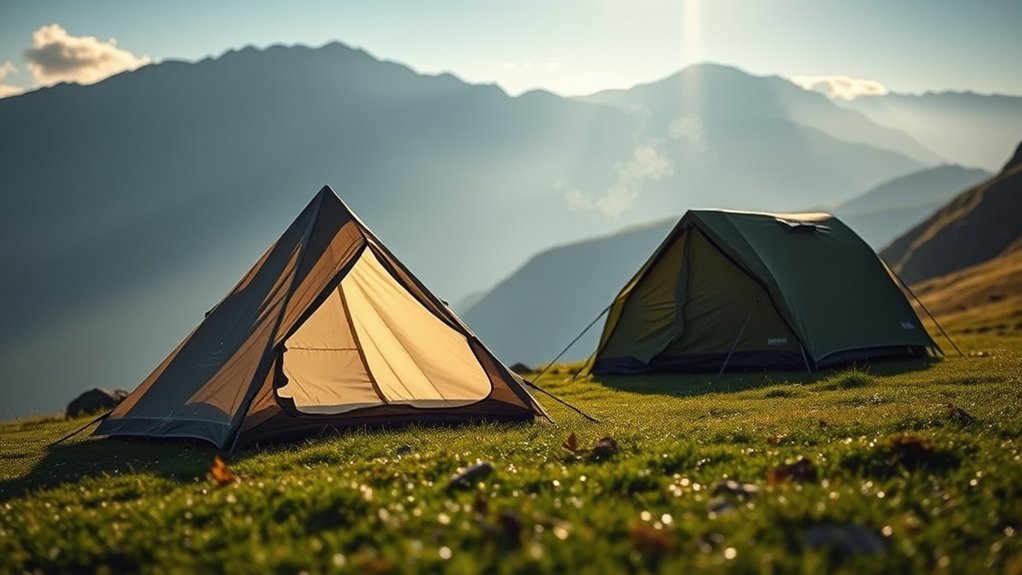
A single-wall tent combines the main weather barrier and living enclosure into one primary structure. It does not rely on a separate full-coverage rainfly suspended over an inner tent. Removing that second layer can reduce weight, packed bulk, and the number of setup steps.
Construction varies by model. Some single-wall mountaineering tents use waterproof-breathable laminates. Others use waterproof coated fabric with carefully placed vents, mesh doors, or partial double-wall panels. For that reason, the words “single wall” do not tell you everything about breathability, waterproofing, or storm strength.
Purpose-built single-wall alpine tents can work well in cold, relatively dry environments where low weight and a fast pitch are important. However, lightweight recreational shelters, trekking-pole tents, and hybrid tents may have very different wind, snow, and ventilation limits. Always check the manufacturer’s intended season and weather use.
Understanding Double-Wall Tents
A double-wall tent has an inner tent body and a separate outer rainfly. The inner may use large mesh panels for warm-weather airflow, more solid fabric for colder conditions, or a combination of both. The rainfly provides the main barrier against rain and often creates one or more vestibules outside the sleeping area.
Moist air can pass through the breathable inner and condense on the colder underside of the fly. The inner layer then helps keep sleeping bags, clothing, and occupants from touching that wet surface. This design does not eliminate condensation, but it usually manages it more comfortably.
Many double-wall tents have two doors, vestibules, high and low vents, or several pitching modes. Some let you use the inner alone in dry weather. Others support a fly-only pitch, a fly-first pitch, or a linked setup that keeps the inner protected while the tent is raised in rain. These features are model-specific, so check the setup instructions before buying.
Single-Wall vs. Double-Wall Tent Comparison
| Factor | Single-Wall Tent | Double-Wall Tent |
| Weight and packed size | Often lighter and more compact because there is no separate full rainfly and inner body. | Often heavier and bulkier, although modern ultralight models can be very light. |
| Setup | Usually fewer components and a quick pitch. | May require separate inner and fly steps, but some models pitch fly-first or with both layers linked. |
| Condensation | Moisture forms on the same main wall that surrounds the living area, so occupants may notice it more. | Condensation commonly forms on the fly, while the inner helps keep occupants away from it. |
| Ventilation | Depends heavily on vents, door design, fabric technology, and how the tent is pitched. | Usually offers more airflow through mesh, fly vents, doors, and the space between the two walls. |
| Living and storage space | Often more minimal, with fewer doors and smaller vestibules, though designs vary. | Commonly offers larger vestibules, multiple doors, and easier gear organization. |
| Typical strengths | Fast-and-light travel, climbing, small campsites, and specialized alpine use. | General backpacking, humid climates, longer stays, and campers who value comfort and storage. |
| Price | High-performance waterproof-breathable or ultralight models can be expensive. | Available across a broad price range; lighter fabrics and advanced pole systems usually cost more. |
| Main drawback | Condensation is closer to occupants, and living space may be limited. | Extra components can add weight, bulk, setup steps, and fabric that must be dried. |
Advantages and Tradeoffs of Single-Wall Tents
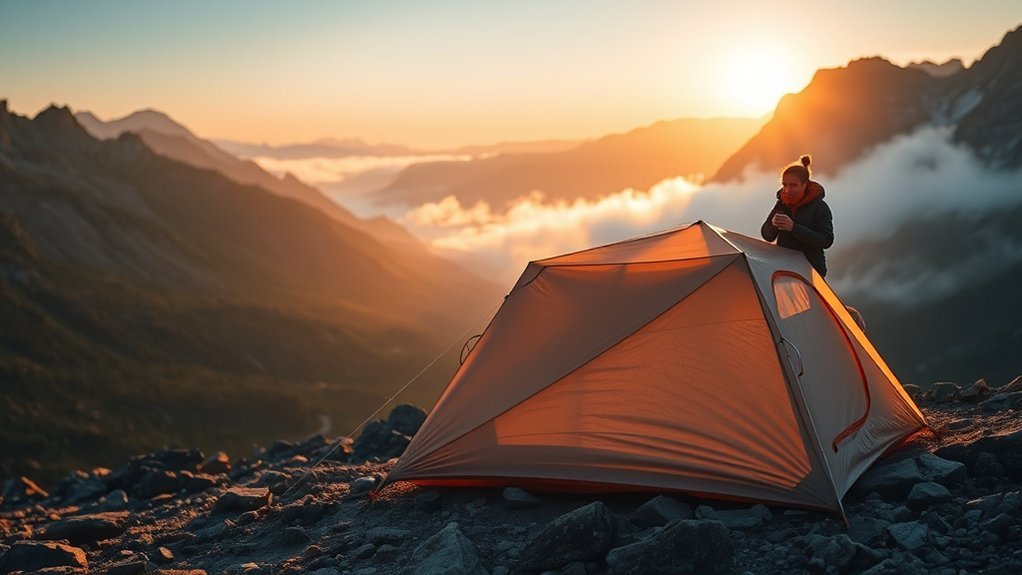
Single-wall tents appeal to backpackers and climbers who want to reduce pack weight and set up shelter quickly. With fewer separate pieces, many models can be raised in one main operation. This can be helpful when the weather is changing fast or the campsite is small.
They may also pack into a smaller space, which is useful on long hikes, technical climbs, bikepacking trips, or routes where every item must fit into a limited pack. A compact footprint can make it easier to use narrow alpine ledges or small backcountry tent sites.
The tradeoff is that moisture may collect on the wall directly around the living space. Sleeping bags or clothing can become damp if they touch that surface. Small interiors also make it harder to keep wet gear away from dry sleep equipment.
Single-wall tents are not always cheaper. Lightweight fabrics, waterproof-breathable membranes, advanced seam construction, and specialized pole systems can raise the price. Compare the complete specifications instead of assuming that fewer layers mean a lower cost.
Pro Tip: Before committing to a single-wall shelter, rent one or test it on a short overnight trip in conditions similar to those you expect. Personal tolerance for tight space and interior moisture varies widely.
Advantages and Tradeoffs of Double-Wall Tents
Double-wall tents are popular because they balance weather protection, ventilation, and livability. The breathable inner creates a physical barrier between occupants and the rainfly, where much of the condensation forms. The gap between the layers also allows air to move when the tent is pitched and vented correctly.
Many models provide two doors and two vestibules. This lets two campers enter without climbing over each other and gives each person a place for footwear or a pack. Keeping wet equipment in a covered vestibule can free up sleeping space, but food and scented items must still be stored according to local wildlife rules.
A double-wall design does not automatically make a tent warm. A mesh-heavy three-season inner may allow more airflow than a solid-fabric single-wall tent. In winter, the tent’s pole structure, fabric coverage, vents, fly length, guyline system, and snow-load rating matter more than the number of walls.
The extra inner body and fly can increase weight and drying time. When breaking camp, both layers should be checked for moisture. Even if the inner feels dry, the underside of the fly may be wet from dew or condensation.
No tent is condensation-proof. Good ventilation and a well-chosen campsite matter as much as the wall design.
Choosing the Right Tent for Your Adventure
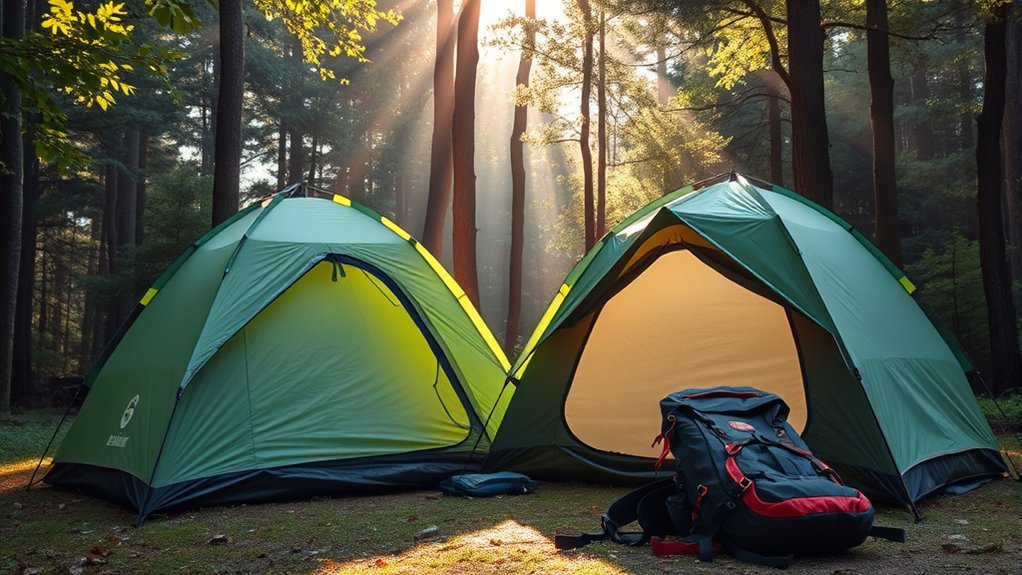
Start with the conditions you expect, then compare actual model specifications. Wall design is only one part of the decision.
Tent Performance Considerations
- Season rating: Choose a three-season tent for typical spring, summer, and fall use. Choose a true four-season or mountaineering tent when substantial snow, exposed camps, or powerful winds are expected.
- Verified weight: Compare like with like. “Minimum trail weight” may exclude stakes, stuff sacks, a footprint, and repair items, while packaged weight usually includes more components.
- Pole and guyline structure: Strong poles, secure intersections, and well-placed guylines are important in wind and snow.
- Ventilation: Look for protected high vents, low vents, mesh panels, adjustable doors, and enough space for air to move.
- Pitch method: Check whether the tent pitches inner-first, fly-first, as one linked unit, or with trekking poles.
- Repairability: Consider whether poles, zippers, rainflies, and fabric panels can be repaired or replaced.
Match the Tent to Weather Conditions
For humid forests, rainy coastal routes, and long trips in changing weather, a double-wall tent is often the more comfortable choice. Its inner layer helps separate sleepers from a wet fly, while multiple vents and doors can improve airflow.
For fast travel in cold, relatively dry alpine conditions, a purpose-built single-wall mountaineering tent may save weight and setup time. However, a light single-wall trekking shelter should not be treated as a winter tent unless its manufacturer specifically rates it for the expected wind and snow.
In hot weather, mesh area and protected airflow may matter more than wall count. In exposed wind, pole strength, shape, stakes, and guylines become more important. In persistent rain, look for a fly that provides adequate coverage, a bathtub-style floor, protected vents, and a setup method that limits exposure of the inner tent.
Compare Space, Capacity, and Gear Storage
Tent capacity labels are not based on one universal amount of space. Two different two-person tents can have different floor widths, lengths, wall shapes, and peak heights. Compare the actual measurements rather than relying only on the number in the model name.
Consider sizing up when campers are tall, use wide sleeping pads, bring a dog, or want gear inside the sleeping area. Vestibule area also matters. A tent with a compact floor may still feel practical if it has generous covered storage outside both doors.
Balance Weight, Price, and Durability
Lower weight often requires thinner fabric, smaller zippers, fewer pockets, reduced floor space, or expensive high-strength materials. A light tent can still be well engineered, but it may require more careful campsite selection and handling.
For occasional camping close to a vehicle, a few extra pounds may be a fair trade for thicker materials and more room. For long-distance backpacking or climbing, a lighter shelter may justify the higher price. Compare the cost against expected use rather than buying the lightest model by default.
Consider Hybrid Tent Designs
Not every tent fits neatly into one category. Hybrid shelters may use double-wall construction around the sleeping area and single-wall fabric near the head, foot, or vestibule. These designs aim to reduce weight while preserving airflow where it matters most.
Trekking-pole shelters may also combine a waterproof fly with a removable mesh inner. The same shelter can then function as a lightweight fly-only setup, a bug-protected double-wall tent, or a more enclosed system for poor weather. Read the full configuration and included-components list before comparing its weight with a conventional tent.
Tips for Managing Condensation and Ventilation
Condensation forms when warm, moist air meets a cooler tent surface. Your breath, damp clothing, wet ground, nearby water, rain, and falling nighttime temperatures can all increase it. No shelter can remove every source of moisture, but these steps can reduce buildup:
- Open protected high and low vents whenever conditions allow.
- Use door or vestibule openings to create cross-ventilation without exposing the interior to blowing rain.
- Stake and guy out the tent so the fabric stays taut.
- Keep the rainfly separated from the inner tent.
- Avoid low, damp depressions where cold air and moisture collect.
- Keep wet clothing and footwear in a covered vestibule when practical.
- Do not press sleeping bags or clothing against the tent wall.
- Wipe heavy condensation with a small absorbent cloth before it drips onto gear.
- Dry the tent and fly whenever weather and time permit.
Manufacturers consistently identify ventilation as the main way to reduce tent condensation. For further setup guidance, see Big Agnes tent ventilation guidance and REI’s tent setup guide.
Warning: Never use charcoal, a portable camping stove, a fuel-burning lantern, or an unapproved heater inside a tent. Ventilation openings do not make ordinary outdoor combustion equipment safe in an enclosed sleeping space. Carbon monoxide is colorless, odorless, and potentially fatal. Follow U.S. Consumer Product Safety Commission guidance.
Season Rating Matters More Than Wall Count
A three-season tent is designed mainly for rain, insects, and moderate spring-through-fall weather. A four-season or mountaineering tent uses a stronger structure and greater fabric coverage to handle more severe wind and snow. Some four-season tents are single wall, while others are double wall.
Do not choose a winter tent based only on claims that one style is “warmer.” Your sleeping pad and sleeping bag provide most of your insulation. The tent mainly blocks wind and precipitation and creates a calmer microclimate. Closing every vent may make the interior feel less drafty, but it can also increase condensation.
Note: A four-season label does not make every model suitable for every mountain or storm. Check the manufacturer’s stated use, pole design, guyline instructions, snow-loading guidance, and limitations.
Tent Materials, Cleaning, and Maintenance
Nylon and polyester are common tent fabrics. They may use polyurethane coatings, silicone treatments, waterproof-breathable laminates, durable water-repellent finishes, or combinations of these systems. Mesh panels are commonly used for airflow and insect protection.
Fabric type affects weight, packed size, water absorption, stretch, UV resistance, repair methods, and the correct seam sealer. Silicone-treated fabric and polyurethane-coated fabric normally require different repair and sealing products. Check the manufacturer’s instructions before applying any treatment.
To clean a tent, shake out loose dirt and spot-clean marks with cool or lukewarm water, a soft sponge, and a mild tent-safe cleaner. Avoid bleach, harsh household cleaners, aggressive scrubbing, machine washing, and machine drying unless the manufacturer expressly allows them.
Rinse away cleaner and let every component air-dry completely before storage. Store the tent loosely in a cool, dry area rather than leaving it compressed in a hot vehicle, attic, or damp stuff sack. Inspect seam tape, coatings, poles, guylines, zippers, and mesh before the next trip. Detailed care guidance is available from REI’s tent-care specialists.
Frequently Asked Questions
Can I use a single-wall tent in winter conditions?
Yes, when the specific tent is designed and rated for the winter conditions you expect. Many alpine single-wall tents are made for cold, dry environments, but a lightweight single-wall backpacking shelter may not withstand heavy snow or severe wind. Check the pole structure, vents, fabric coverage, guylines, and manufacturer’s season rating.
Are double-wall tents always warmer?
No. A double-wall tent may reduce drafts and keep you from touching a cold, wet fly, but it does not provide major insulation. A mesh-heavy three-season model may feel colder in wind than a solid-fabric tent. Your sleeping pad, sleeping bag, clothing, tent structure, and site selection have a much greater effect on warmth.
How do I clean and maintain my tent?
Remove loose dirt, spot-clean with a soft sponge and tent-safe cleaner, rinse thoroughly, and air-dry every part. Never store the tent damp. Inspect the fabric, seam tape, coatings, poles, zippers, mesh, stakes, and guylines regularly. Use only repair products compatible with the tent’s coating.
What materials are commonly used in tent construction?
Nylon and polyester are common for tent bodies, floors, and rainflies. Mesh is used for airflow and insect protection. Weatherproofing may come from polyurethane coatings, silicone treatments, waterproof-breathable laminates, seam tape, sealants, or water-repellent surface treatments. Poles are commonly aluminum or fiberglass, while some lightweight models use carbon-fiber components.
How do I choose tent size for my group?
Compare the exact floor length, width, peak height, wall shape, door layout, and vestibule area. Capacity labels are not standardized across brands. Consider a larger size when campers are tall, use wide sleeping pads, bring a pet, or want packs inside the sleeping area.
Are waterproof single-wall tents available?
Yes. Single-wall tents may use waterproof-breathable laminates or waterproof coated fabrics combined with vents and mesh openings. Waterproofing does not remove the need for ventilation. Check the hydrostatic-head specifications, seam treatment, door design, vents, and manufacturer instructions for the exact model.
Conclusion
A single-wall tent is often the better choice for experienced campers who value low weight, compact packing, and a fast setup. A double-wall tent is usually more comfortable for humid conditions, longer trips, and campers who want more airflow and gear storage.
Neither category is automatically warmer, more waterproof, or suitable for winter. Compare the complete tent: season rating, pole structure, dimensions, verified weight, fabric, vents, vestibules, doors, guylines, and pitch method. Choosing from those details will do far more for your comfort than choosing by wall count alone.
Sources
- REI Co-op: Ultralight Backpacking Gear Essentials — single-wall and double-wall weight, setup, storage, and condensation tradeoffs.
- REI Co-op: How to Choose a Backpacking Tent — capacity, seasonality, weight, livability, setup, and material considerations.
- Big Agnes: Tent Setup, Ventilation, and Condensation Guidance — ventilation, taut pitching, fly separation, and drying practices.
- Hilleberg: Tent Condensation FAQ — why condensation cannot be fully eliminated and how inner and outer fabrics manage it.
- REI Co-op: Tent Care Basics — fabric coatings, seam treatment, maintenance, and compatible repair products.
- U.S. Consumer Product Safety Commission: Portable Heaters and Camping Equipment — carbon-monoxide hazards from fuel-burning equipment in enclosed tents.
