
Last Updated on July 23, 2026 by Ethan Caldwell
If a hotel does not change your bed sheets for three days during a longer stay, it does not automatically mean the room is being neglected. Some properties reuse bed linen for several nights, while others offer daily, every-other-day, weekly, or request-based housekeeping. The exact schedule depends on the hotel, brand, location, local rules, and your preferences.
Quick Answer
A three-day sheet schedule can be normal during one guest’s multi-night stay, but it is not an industry-wide rule. It usually does not apply between different guests. Ask the front desk when sheets are scheduled to be changed and request fresh linen sooner if it is soiled or you prefer a replacement.
Key Takeaways
- There is no universal rule requiring hotels to change sheets every three days.
- Stayover linen schedules are different from cleaning a room between guests.
- Daily housekeeping does not always include a complete sheet change.
- You may request fresh sheets, but timing and possible fees depend on the property.
- Check the mattress, headboard, and luggage rack for bed-bug signs when you enter the room.
Disclosure: As an Amazon Associate I earn from qualifying purchases. Some links on this page are affiliate links, at no extra cost to you.
Why Hotels Use a 3-Day Linen Policy
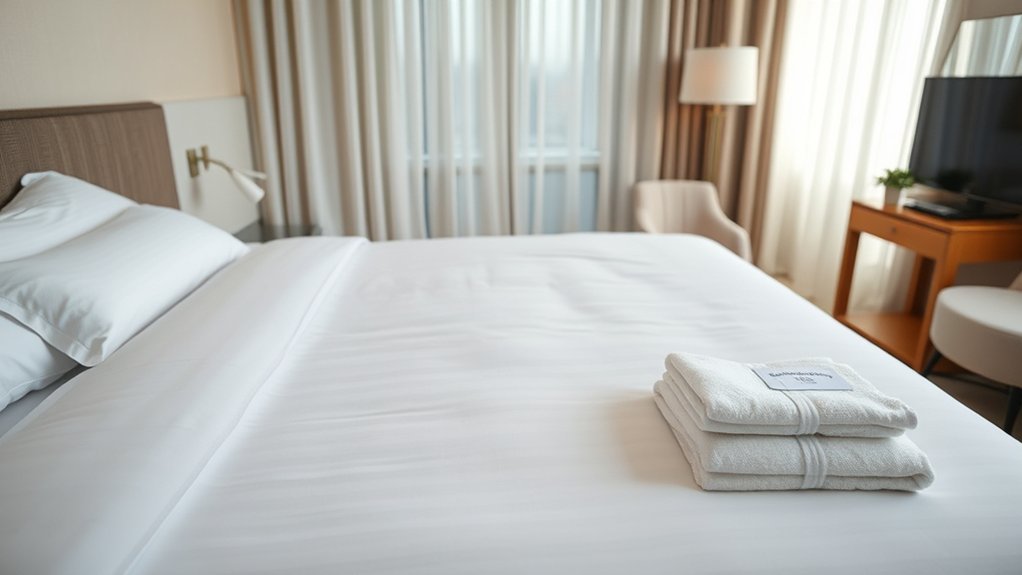
Some hotels change sheets every three days during a continuous stay to reduce unnecessary laundry. Washing fewer loads can reduce water and energy use, lower operating costs, and decrease wear on sheets and towels. The U.S. Environmental Protection Agency’s WaterSense program identifies laundry as an important part of hotel water use and encourages lodging businesses to improve water efficiency.
A three-day policy is only one possible schedule. For example, Tokyu Hotels states that participating properties clean rooms and replace linen every three days during longer stays. In contrast, Hilton’s published housekeeping policy describes daily service at many luxury and full-service brands and every-other-day service at several focused-service and extended-stay brands in the United States and Canada.
These examples show why you should check the policy of the hotel you actually booked rather than assume that every property follows the same schedule.
What a 3-Day Sheet Policy Means for You
A three-day sheet policy normally applies while the same guest remains in the room. It may mean the hotel changes the sheets on the third day, after the third night, or during the next scheduled full housekeeping service. Hotels do not always count the cycle in the same way, so ask for the exact timing if it matters to you.
The policy also may cover some bedding items but not others. A hotel might replace towels daily while leaving the sheets in place, or it might make the bed and clean the bathroom without changing any bed linen. Extended-stay properties may offer less frequent full cleaning than traditional hotels.
Note: Housekeeping schedules can be changed by local law. For example, New Jersey’s hotel regulations include daily linen and housekeeping requirements unless the occupant declines. Requirements elsewhere may be different.
Stayover Service Versus Checkout Cleaning
The most important distinction is whether the room is occupied by the same guest or is being prepared for a new guest.
- Stayover housekeeping: Service performed while you continue occupying the room. It may include trash removal, fresh towels, bathroom cleaning, bed making, and basic surface or floor care.
- Stayover linen change: Replacement of sheets and pillowcases during your multi-night stay. This may occur daily, every few days, weekly, or by request.
- Checkout or turnover cleaning: Cleaning performed after one guest leaves and before another guest arrives. This should not be confused with a linen-reuse program for the same guest.
A notice that says sheets are changed every three days usually describes stayover service. It should not mean that the bed retains sheets used by a previous guest. If the wording is unclear, ask the hotel to confirm that the room received a complete turnover cleaning before check-in.
What Housekeeping Cleans Besides Sheets
Housekeeping duties vary by hotel and by the type of service scheduled that day. A full room cleaning may include the bathroom, floors, trash, towels, amenities, visible surfaces, and bed area. A lighter stayover service may cover only selected tasks.
Beds and Linen Care
Bed service may include straightening the sheets, making the bed, replacing pillowcases or sheets when scheduled, and checking for visible stains, damage, or maintenance problems. Staff may also replace towels and restock toiletries.
Do not assume that a freshly made bed received new sheets. Housekeepers can remake a bed using the existing linen when the hotel’s stayover policy does not call for replacement that day.
Surface and Bathroom Cleaning
Depending on the property and service level, staff may clean sinks, toilets, showers, counters, mirrors, floors, handles, switches, and other frequently touched surfaces. They may also empty bins, vacuum carpet, mop hard floors, and replace used amenities.
A hotel can offer daily room cleaning without changing the bed sheets every day. Ask which tasks are included if the property advertises “daily housekeeping” but does not explain its linen schedule.
How to Tell If Sheets Were Changed
You can identify obvious cleanliness problems, but you usually cannot prove that sheets were replaced simply by looking at how the bed was made. Crisp fabric, fragrance, smooth folds, and tightly tucked corners may look reassuring, but they are not reliable evidence of a linen change.
Warning: Do not rely on perfume or a strong detergent smell as proof that bedding is clean. Fragrance can remain on reused linen or mask another odor. Request a replacement if you see hair, stains, debris, dampness, or unexplained marks.
Fresh Sheet Signs
Fresh linen should be dry and free from visible hair, dirt, stains, crumbs, and unpleasant odors. Pillowcases should appear clean on both sides, and the fitted sheet should not contain obvious debris or unexplained marks.
These checks can reveal a problem, but clean-looking bedding still cannot confirm exactly when it was laundered. When you are unsure, the simplest solution is to ask for a complete sheet and pillowcase change.
Check for Stains
Pull back the top layers and examine the pillow area, fitted sheet, seams, and visible mattress edges in good light. Hair, makeup, food, bodily-fluid stains, or other debris are reasonable grounds for requesting fresh bedding or another room.
Dark spotting, shed skins, tiny pale eggs, or live insects around mattress seams can indicate possible bed-bug activity. Those signs relate to pest infestation rather than merely whether the sheets were changed.
How to Ask for Fresh Bed Sheets
Contact housekeeping or the front desk as soon as you notice a problem. Give your room number, explain what you found, and clearly request the service you need. Avoid making a vague request for the room to be “checked,” because that may not communicate that you want every sheet and pillowcase replaced.
Pro Tip: Say, “Could housekeeping replace the fitted sheet, top sheet, and pillowcases with freshly laundered linen today? Please let me know when the service can be completed.”
You should also request prompt replacement when:
- The sheets are stained, damp, torn, or visibly dirty.
- Food, drinks, medicine, or another substance has spilled on the bed.
- A child has had an accident.
- You are ill or have been sweating heavily.
- You have an allergy or sensitivity that requires clean, fragrance-free, or hypoallergenic linen.
- The hotel missed its stated sheet-change day.
Many hotels accommodate reasonable requests, but service hours, staffing, linen availability, and fees vary. Ask about any charge before approving a nonstandard service.
What to Do If the Hotel Does Not Change the Sheets
- Repeat the request clearly. Confirm that you want replacement linen, not only bed making.
- Ask for a completion time. This helps prevent the request from being lost during a shift change.
- Document a visible problem. Take a photo of stains, hair, insects, or damaged linen.
- Speak with a supervisor or manager. Explain when you first reported the problem and what remains unresolved.
- Request another room when necessary. This is reasonable when the bed cannot be made clean promptly or when you see possible pest activity.
- Keep records of extra expenses. Save messages and receipts if the issue forces you to move or pay for another room.
Remain polite but direct. You are not being unreasonable when you ask for a clean, dry bed or for the hotel to follow its published service policy.
How Bed Bug Checks Protect You
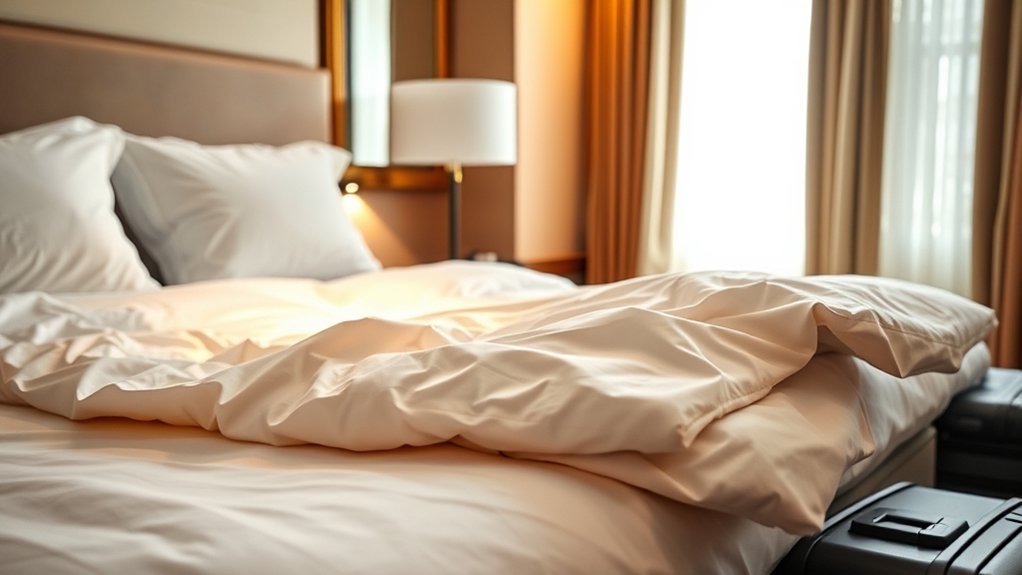
A quick bed-bug inspection can reduce the chance of bringing pests home in your luggage. The EPA’s travel guidance recommends inspecting the room before sleeping, including the mattress, headboard, and luggage rack.
- Leave your suitcase closed and away from the bed while you inspect.
- Use a flashlight to check mattress seams, piping, tags, corners, and the headboard.
- Inspect the luggage rack before placing your suitcase on it.
- Look for live insects, dark spots, pale eggs, blood marks, or shed skins.
- Keep luggage off the bed and floor during your stay.
The EPA’s guide on how to find bed bugs explains that they often hide near mattress seams, box springs, bed frames, headboards, furniture joints, and other narrow spaces.
Warning: If you find a possible bed bug, do not move unpacked belongings around the room. Photograph the sign, close your luggage, and contact hotel management immediately so the property can investigate.
Are Comforters and Pillowcases Washed Too?
Pillowcases are normally treated as core bed linen, but the schedule during a continuing stay depends on the hotel’s policy. The top layer of the bed requires more careful questions because “comforter” can describe several different items.
- Pillowcase: The washable cover placed directly over the pillow.
- Duvet cover: A removable outer cover that surrounds a duvet or comforter insert.
- Comforter or duvet insert: The thick filled layer inside a removable cover.
- Blanket or bedspread: A separate top layer that may follow another cleaning schedule.
- Decorative runner or cushion: A nonessential decorative item that may not be handled like core sleeping linen.
Do not assume that every layer is washed on the same schedule. Ask whether the top layer has a removable cover, whether that cover was changed before your arrival, and how often the insert, blanket, or bedspread is cleaned. You may remove decorative bedding from the sleeping area if you do not plan to use it.
How Japanese Hotels Handle Linen Changes
There is no single linen policy followed by every hotel in Japan. Practices vary by chain, property, room type, and sustainability program.
Tokyu Hotels provides one verified example. Its Earth Friendly Stay program states that participating hotels clean rooms and change linen every three days during longer stays. The same page explains how guests can request cleaning or towel replacement under the program.
Other Japanese hotels may offer daily cleaning, reduced stayover service, request cards, or different schedules. Read the information placed in your room or shown during booking. Contact the front desk when you want sheets replaced before the scheduled day.
Frequently Asked Questions
Are hotel sheets changed between different guests?
A three-day stayover policy normally applies while the same guest remains in the room. It should not replace turnover cleaning between guests. Local requirements differ, so contact the property if you want confirmation that the room received fresh sheets and pillowcases before check-in.
Does daily housekeeping include a sheet change?
Not always. Daily housekeeping may include bed making, trash removal, towels, bathroom cleaning, and surface care while sheets remain on a separate replacement schedule. Ask the hotel what its daily service includes.
Can you ask a hotel to change your sheets?
Yes. Contact housekeeping or the front desk and request replacement of the fitted sheet, top sheet, and pillowcases. Report visible stains, hair, dampness, odors, or other concerns so staff understand why prompt service is needed.
What is the most commonly forgotten item in hotels?
There is no standardized worldwide ranking. Chargers and cables are commonly reported, along with toiletries, clothing, jewelry, glasses, and travel documents. Check outlets, drawers, the bathroom, under the bed, the safe, and the bedside table before leaving.
Do hotels charge for changing sheets?
Policies vary. A replacement needed because the linen is dirty, damaged, or missed during scheduled service may be handled without a fee. A hotel could charge for unusually frequent service, special linen, or damage. Confirm any fee with the front desk before service.
Should you strip the hotel bed before checking out?
You normally do not need to strip the bed unless the hotel asks you to. If the linen is heavily soiled, tell the front desk or housekeeping so staff can handle it appropriately.
Conclusion
A hotel that changes sheets every three days may be following a legitimate stayover or sustainability policy, but that schedule is not universal. Check what the hotel means, separate stayover service from cleaning between guests, and request fresh linen whenever the bed is dirty, damp, damaged, or unsuitable for your needs. Clear communication with housekeeping or the front desk is the fastest way to resolve most concerns.
Sources
- Hilton Housekeeping Policy — examples of daily and every-other-day housekeeping schedules.
- Tokyu Hotels: Stay Sustainable — verified example of a three-day linen-change program.
- EPA WaterSense H2Otel Challenge — hotel water efficiency, energy savings, and operating-cost guidance.
- EPA Tips for Travel — hotel-room inspection and luggage precautions for bed bugs.
- EPA: How to Find Bed Bugs — common hiding places and infestation signs.
- Cornell Legal Information Institute: N.J. Admin. Code § 5:10-23.2 — an example of location-specific hotel linen and housekeeping requirements.
