
Last Updated on July 31, 2026 by Daniel Globe
Hotel suites can give you more room, privacy, and comfort than a standard hotel room. They may include a separate living area, a private bedroom, extra bathrooms, a kitchenette, or premium services. However, the word “suite” does not promise one fixed layout. The exact space, beds, view, amenities, and guest limit depend on the hotel and room category.
Quick Answer
A hotel suite is a larger room category that usually adds a living area, more privacy, or extra facilities. Some suites have a separate bedroom and kitchen, while junior or studio suites may be one open room. Check the floor plan, beds, occupancy, fees, and included perks before booking.
Key Takeaways
- Hotel suites are usually larger than standard rooms, but not every suite has a separate bedroom.
- Kitchens, sofa beds, balconies, lounge access, breakfast, butler service, and premium views are property-specific.
- A suite can be worth the extra cost for families, groups, long stays, business trips, and special occasions.
- Compare the full stay price, not only the nightly rate, and confirm the cancellation and deposit rules.
- Verify the exact layout, legal occupancy, bed types, accessibility features, and included benefits before paying.
Disclosure: As an Amazon Associate I earn from qualifying purchases. Some links on this page are affiliate links, at no extra cost to you.
What Is a Hotel Suite?
A hotel suite is a premium accommodation category with more space or a more divided layout than a basic guest room. Many suites include separate areas for sleeping, relaxing, working, or dining. For example, Embassy Suites by Hilton describes its standard product as a two-room suite with a separate bedroom and living area. Residence Inn by Marriott highlights suites with separate living, working, and sleeping areas plus full kitchens.
Those examples show why the room description matters more than the label. A junior suite may be one open room with a sitting area. A one-bedroom suite normally has a door between the bedroom and living room. An extended-stay suite may focus less on luxury and more on practical features such as a kitchen, dining space, and storage.
Common Types of Hotel Suites
- Junior suite or studio suite: A larger open-plan room with a sitting area, but usually no fully separate bedroom.
- One-bedroom suite: A private bedroom plus a separate living room, often with a sofa bed or dining table.
- Two-bedroom or family suite: Two sleeping rooms with shared living space; bathroom count varies.
- Executive or club suite: A larger room that may include lounge access, breakfast, or business services.
- Extended-stay suite: A studio or multiroom layout designed for longer visits, often with a kitchen.
- Specialty, presidential, or penthouse suite: A property’s highest room category, which may add dining rooms, terraces, multiple bedrooms, or personalized service.
Note: “Suite,” “junior suite,” “executive suite,” and “premium suite” are hotel-defined categories. Read the room description and floor plan instead of assuming that the same name means the same layout at every property.
Hotel Suites at a Glance
Features and Benefits
| Spacious Living Area | More room to relax, work, dine, or spend time together |
| Separate Bedroom | Extra privacy and a quieter sleep space when the layout includes a door |
| Kitchen or Wet Bar | Convenient for longer stays, simple meals, snacks, and dietary needs |
| Premium Amenities | May include upgraded toiletries, robes, better views, lounge access, or enhanced service |
| Higher Guest Capacity | Some suites sleep more people, but the hotel’s listed occupancy limit still applies |
| Privacy and Security | Separate rooms can reduce noise and give guests personal space |
A Taste of Opulence: What to Expect in a Hotel Suite
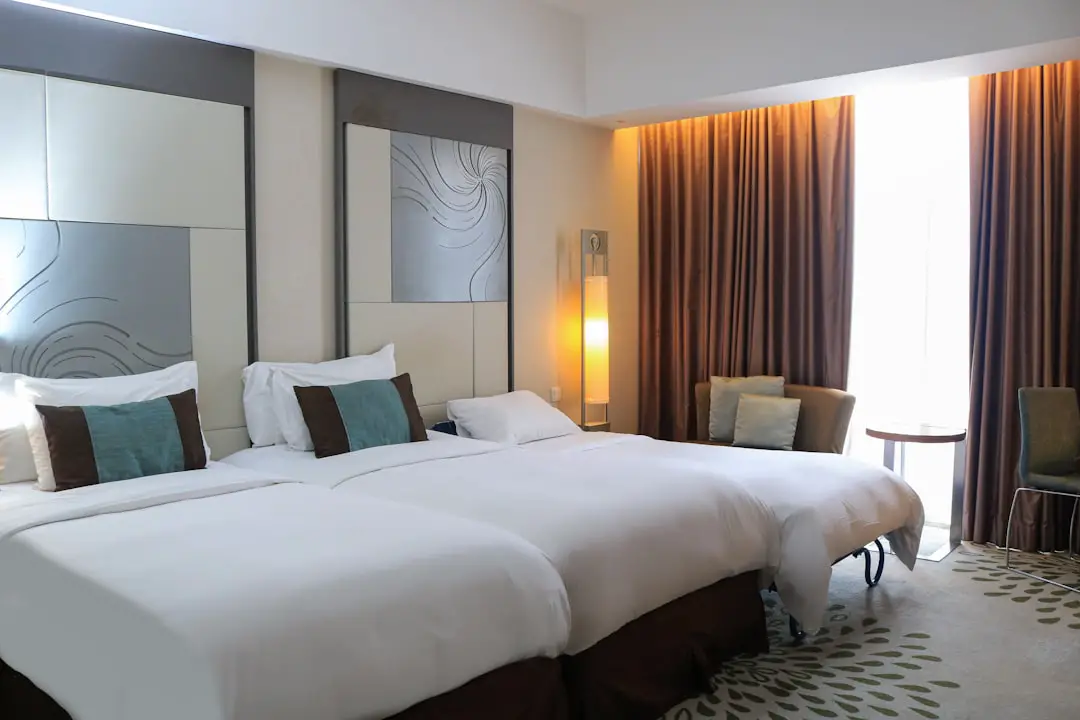
When guests enter a luxury hotel suite, the first impression may be one of space and polish. High ceilings, elegant furnishings, local artwork, or a striking view can make the room feel special. A king bed may come with premium linens and several pillow choices, while the living area may include a sofa, chairs, a work desk, and a dining table.
Luxury is not only about appearance. A well-designed suite should also work well. Useful features may include blackout curtains, strong Wi-Fi, several charging points, a large television, a coffee maker, a minibar, or a kitchenette. Bathrooms may include a soaking tub, a walk-in or rainfall shower, double sinks, robes, slippers, and upgraded toiletries.
Not every suite includes these features. Some large suites still have one bathroom, no kitchen, or no sofa bed. Others may have an open-plan layout rather than a door between the sleeping and living areas. Review the room details carefully if a feature is important to your stay.
Indulge in Extravagance: Amenities and Services in Hotel Suites
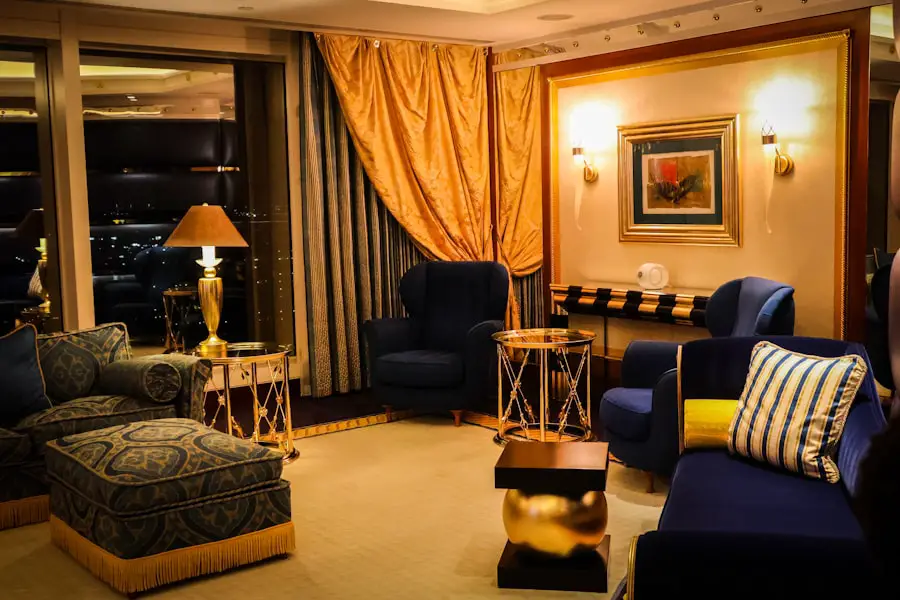
The amenities and services offered with hotel suites can set them apart from standard rooms, but benefits vary widely. Some luxury properties provide a dedicated concierge, butler service, packing or unpacking help, private check-in, airport transfers, or a welcome gift. Others provide the same service level to all room categories.
In-room dining may let guests enjoy meals without leaving the suite. At some properties, a suite can also include access to a club lounge, private pool, rooftop terrace, spa area, or reserved seating. Complimentary breakfast, evening drinks, or late checkout may be included with the room, tied to elite status, or sold as a separate package.
Warning: Do not assume that the suite rate includes breakfast, lounge access, parking, resort charges, spa access, or transportation. Confirm each benefit in the rate details before booking.
The Perfect Escape: When a Hotel Suite Is Worth the Splurge
A suite is worth the extra cost when the added space solves a real travel need. Families may value a bedroom door so children can sleep while adults remain in the living room. Friends may prefer a two-bedroom suite with a shared gathering area. Business travelers may need room for meetings or private calls. A kitchen can also reduce meal costs during a long stay.
Suites can be especially appealing for honeymoons, anniversaries, milestone birthdays, or other trips where the room is part of the experience. A view, terrace, soaking tub, or spacious dining area may matter more when guests plan to spend time at the hotel instead of using the room only for sleep.
A hotel suite is a good value when its extra space and included benefits replace costs you would otherwise pay for, such as a second room, daily breakfast, lounge food, or restaurant meals.
How to Decide Whether the Upgrade Is Good Value
- Compare the total stay price. Multiply the nightly difference by the number of nights, then add taxes and required charges.
- Price the alternatives. Compare the suite with two standard rooms, connecting rooms, or a standard room plus paid meals and lounge access.
- Value only benefits you will use. A kitchen has little value on a one-night stay if you plan to eat out.
- Check sleeping comfort. A sofa bed may be less private or comfortable than a real bed in a second room.
- Review the cancellation terms. A discounted suite rate may be prepaid or nonrefundable.
The Height of Elegance: Design and Décor in Hotel Suites
The design and décor of hotel suites help create a sense of comfort and occasion. Luxury properties may use marble, hardwood, custom furniture, high-quality fabrics, or art from local creators. Other suites use a simpler residential style that focuses on storage, work space, and practical living.
Lighting is an important part of the room experience. Bedside lamps, reading lights, dimmers, and separate lighting zones allow guests to work, relax, or sleep without lighting the entire suite. Soundproofing, blackout curtains, climate controls, and a bedroom door can matter more to comfort than decorative features.
Photos can help with the general style, but the exact room may have a different view, furniture arrangement, floor, or color scheme. Ask the hotel whether the photos show the booked room type or only a representative example.
The Lap of Luxury: Experiencing the Finer Details

The finer details can make a suite stay feel personal. A hotel may provide flowers, a welcome drink, local treats, robes, slippers, turndown service, an aromatherapy kit, or a pillow menu. Staff may also arrange celebration decorations, restaurant reservations, or a special in-room meal when requested in advance.
These services are not automatic at every hotel. Some are complimentary, while others carry a fee. Ask what is included before requesting flowers, cakes, decorations, extra beds, airport transfers, or other special arrangements.
Privacy and Exclusivity: The Advantages of Hotel Suites
A suite can provide more privacy than a standard room when it has separate sleeping and living spaces. One guest can take a call, watch television, or order room service while another rests behind a closed door. This is useful for families, work trips, and longer stays.
Some premium suites also offer a private check-in area, club lounge, reserved elevator access, or a quieter hotel floor. Separate entrances, private corridors, and exclusive terraces exist at certain properties, but they are not normal features of every suite. Guests who need discretion should confirm the arrival route, elevator access, floor plan, and service procedures with the hotel.
Hotel Suite vs. Standard Room, Junior Suite, or Connecting Rooms
| Room Type | Best For |
| Standard Room | Short stays, solo travelers, couples, and guests who will spend little time in the room |
| Junior or Studio Suite | Guests who want more floor space but do not need a separate bedroom |
| One-Bedroom Suite | Families, business travelers, couples, and anyone who needs a closed bedroom |
| Two-Bedroom Suite | Families or groups that want shared space plus private bedrooms |
| Connecting Rooms | Groups that need more real beds, bathrooms, and privacy; confirm that connecting rooms are guaranteed |
How to Choose and Book the Right Hotel Suite
The best suite is not always the largest or most expensive one. Choose the room that matches how you plan to use it. Before booking, review the official hotel page and contact the property when an important detail is unclear.
Suite Booking Checklist
- Exact layout: Is the suite open-plan, or does the bedroom have a full door?
- Beds: How many real beds are there, and is the sofa a sleeper sofa?
- Occupancy: What is the maximum number of adults and children allowed?
- Bathrooms: Is there one full bathroom, multiple bathrooms, or an extra half bath?
- Kitchen: Does “kitchenette” mean only a microwave and mini-fridge, or are there cooking appliances and dishes?
- View and outdoor space: Are the view, balcony, terrace, or pool part of the booked category or only available on request?
- Included perks: Are breakfast, lounge access, Wi-Fi, parking, spa access, and late checkout included?
- Housekeeping: Is daily service included, offered on request, or limited during extended stays?
- Fees and policies: Check required charges, deposits, cancellation deadlines, and early-departure rules.
- Accessibility: Confirm the features you need, such as a roll-in shower, accessible tub, visual alarms, door width, bed height, and an accessible route.
In the United States, the FTC’s Rule on Unfair or Deceptive Fees requires sellers of short-term lodging to display the total price, including most mandatory charges, more prominently than other pricing information. Taxes and certain optional charges may still appear separately, so review the final checkout page.
Accessibility Note: U.S. Department of Justice rules require covered lodging reservation services to describe accessible hotel and guest-room features in enough detail for travelers to judge whether a room meets their needs. Review the listing and contact the hotel when a required feature is unclear. See the ADA Title III regulations.
Using Points, Status, or Suite Upgrade Awards
Hotel loyalty points or upgrade awards can reduce the cash cost of a suite, but program rules vary. An elite benefit may provide only a space-available upgrade at check-in, while a formal suite upgrade award may confirm a specific standard-suite category earlier. Premium suites and some hotels may be excluded. Read the program terms before moving points or changing plans; for example, World of Hyatt’s terms set eligibility and property limits for suite upgrade awards.
Pro Tip: After booking, call the hotel and ask staff to read back the exact room type, bed setup, occupancy, included benefits, and any must-have request. Record the agent’s name and keep the confirmation email.
Elevate Your Stay: Make the Most of Your Hotel Suite
Contact the hotel before arrival if you have dietary needs, celebration plans, accessibility requests, or a preferred bed setup. Advance notice gives staff more time to arrange dining, decorations, transportation, extra bedding, or other services. Requests such as a high floor, early check-in, late checkout, or a certain view may remain subject to availability unless the hotel confirms them as part of the reservation.
During the stay, use the features that made the suite worth booking. Have breakfast in the dining area, prepare a simple meal in the kitchen, take a private work call in the living room, or set aside time to enjoy the bath, balcony, lounge, or view. The goal is not only to book more space, but to use that space in a way that improves the trip.
If the suite stay is part of a winter vacation, plan the rest of the trip with this guide to choosing the best ski travel bag.
Frequently Asked Questions
What is a hotel suite?
A hotel suite is a larger or more divided room category that usually adds living space, privacy, or extra facilities. Some have a separate bedroom, while junior and studio suites may use one open room.
What amenities are typically found in a hotel suite?
Common features include a sitting area, larger bathroom, work space, dining table, minibar, wet bar, kitchenette, or full kitchen. Premium views, balconies, lounge access, butler service, and breakfast are not universal.
How does a hotel suite differ from a standard hotel room?
A suite normally offers more floor space, a sitting area, or separate rooms. A standard room usually combines sleeping, seating, and work areas in one smaller space.
Is a junior suite a true suite?
A junior suite is usually larger than a standard room but often has an open-plan layout. It may not have a door separating the bed from the sitting area, so check the floor plan before booking.
Are hotel suites always more expensive than standard rooms?
Suites usually cost more because they provide extra space or benefits, but hotel rates change with demand. Promotions, points, and last-minute pricing can sometimes reduce the difference.
Can hotel suites accommodate more guests?
Some can, especially when they include extra bedrooms or a sleeper sofa. However, a larger room does not automatically allow more guests. Follow the occupancy limit shown by the hotel.
Is breakfast or lounge access included with every suite?
No. These perks may be included with a certain suite, rate package, hotel brand, or loyalty status, but they are not standard across all hotels.
What should I confirm before booking an accessible suite?
Confirm the exact room layout and every feature you need, such as a roll-in shower, accessible tub, grab bars, visual alarms, door clearance, bed height, and an accessible route through the hotel.
Sources
- Federal Trade Commission: Rule on Unfair or Deceptive Fees — backs the guidance on total-price disclosure for short-term lodging.
- U.S. Department of Justice: ADA Title III Regulations — backs accessible hotel reservation and room-feature guidance.
- Embassy Suites by Hilton Fact Sheet — provides an official example of two-room suites and included brand amenities.
- Residence Inn by Marriott — provides an official example of extended-stay suites with separate areas and kitchens.
- World of Hyatt Terms and Conditions — backs the discussion of suite upgrade awards and program restrictions.
