

Last Updated on September 11, 2026 by Daniel Globe
Half board is a hotel meal plan that normally covers breakfast and an evening meal while leaving lunch open. It can suit sightseeing trips, family holidays, couples, and other guests who expect to spend most of the day away from the hotel. The exact restaurants, drinks, menus, and meal times depend on the property, so always check the package description before booking.
Quick Answer
Half board normally includes breakfast and an evening meal at your hotel. Lunch, snacks, room service, minibar items, and most dinner drinks are usually not included unless the booking says otherwise. Some hotels let you choose lunch instead of dinner or sell a Half Board Plus plan with selected drinks.
Key Takeaways
- Standard half board generally means breakfast and an evening meal.
- Do not assume lunch, dinner drinks, alcohol, snacks, room service, or every hotel restaurant is included.
- Meals may be served as buffets, set menus, restaurant credits, or limited à la carte selections.
- Meal swaps and Half Board Plus benefits vary by property.
- Half board offers good value only when you will use the meals and the upgrade costs less than realistic alternatives.
Disclosure: As an Amazon Associate I earn from qualifying purchases. Some links on this page are affiliate links, at no extra cost to you.
What Is Half Board?
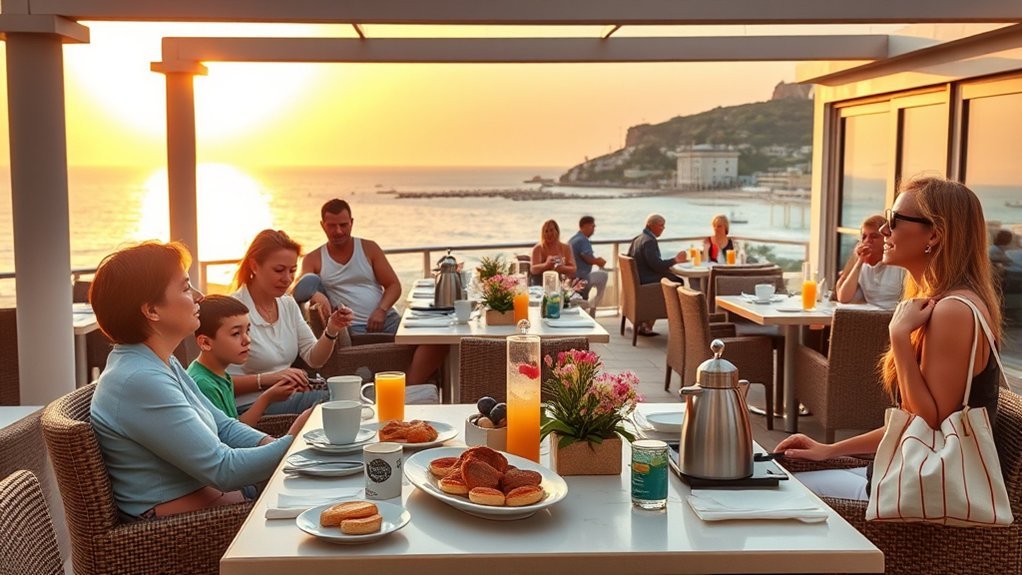
Half board is a hotel board basis that normally includes two meals per day: breakfast and an evening meal. This is the standard definition used by major holiday providers such as TUI and Jet2holidays.
The arrangement gives you a predictable meal at the start and end of the day without requiring you to return to the hotel for lunch. You can spend the middle of the day sightseeing, visiting a beach, taking a tour, or eating at a local café.
Breakfast is often served as a buffet with hot and cold choices. Dinner may be another buffet, a set menu, a limited à la carte menu, or a credit that can be used in selected hotel restaurants. Some restaurants may require reservations or charge supplements for premium dishes.
Note: “Half board” is a general category, not a universal menu. The individual hotel description and your booking confirmation determine exactly what you have purchased.
What’s Included in Half Board?
A standard half-board booking usually covers the food served at breakfast and dinner. However, the serving style, restaurant access, drinks, and permitted menu items can differ considerably between hotels.
Meals Included
| Item | Usual Position | What to Check |
|---|---|---|
| Breakfast | Included | Buffet, continental, set menu, service hours, and early-departure options |
| Evening meal | Included under standard half board | Restaurant, buffet or menu rules, reservations, credits, and supplements |
| Lunch | Usually excluded | Whether lunch can replace dinner and how much notice is required |
| Drinks | Breakfast drinks may be included; other drinks often cost extra | Water, soft drinks, alcohol, quantity limits, and service periods |
| Snacks and room service | Usually excluded | Any credits, delivery fees, or package-specific exceptions |
Larger resorts often use a main buffet restaurant. Smaller hotels may serve set courses, while some upscale properties provide a dining credit or a limited choice in participating restaurants. A meal can still be described as included even when premium dishes, extra courses, or certain venues carry a supplement.
Drink Policies
Do not assume that dinner drinks are part of standard half board. Breakfast commonly includes basic drinks such as tea, coffee, water, or juice, but drinks served with dinner are frequently charged separately. TUI’s current half-board guidance, for example, says drinks outside breakfast are usually extra.
Individual hotels may include table water, one soft drink, selected beer or wine, or unlimited drinks during the meal. Others include no dinner beverages at all. Alcohol purchased before or after dinner may also be excluded even when one drink with the meal is covered.
Pro Tip: Read the exact beverage wording. “Drinks included with dinner” may mean a limited selection served only while you are eating, not unlimited bar service throughout the evening.
How Half Board Works at Hotels
Your room number, key card, wristband, voucher, or restaurant list normally identifies your board basis. You then use the included meals during the hotel’s stated service periods. Some properties allow walk-in dining, while others require you to reserve a time or restaurant.
Meal Inclusions
Your booking confirmation should explain which meals apply on each night of the stay. Do not assume that an early check-in includes lunch or that a late departure adds another dinner. The first and final included meals can depend on the hotel’s policy, package start time, and number of booked nights.
| Meal or Service | Possible Arrangement |
|---|---|
| Breakfast | Buffet, continental selection, cooked menu, or a combination |
| Dinner | Buffet, set courses, selected à la carte dishes, or a restaurant credit |
| Drinks | Basic breakfast drinks may be included; lunch and dinner policies vary |
| Missed meal | Usually no automatic refund; a packed or cold meal may be available if arranged early |
If an excursion, flight, or meeting overlaps with a meal, contact reception before the service period. The hotel may be able to prepare an early breakfast, cold plate, or packed meal, but this is not guaranteed.
Hotel Dining Flexibility
Some hotels let you choose lunch or dinner as the second meal. Others permit a same-day dinner-to-lunch swap, while standard half board at many properties covers dinner only. For example, TUI’s description for Hotel Mimosa Beach says dinner can be swapped for lunch on the same day.
A swap may require advance notice and may be limited to the main restaurant. It does not mean that you can claim lunch and dinner on the same day. Check whether the hotel requires a reservation, voucher exchange, or decision at check-in.
What Half Board Usually Does Not Include
Unless your package expressly includes them, expect to pay separately for:
- Lunch and between-meal snacks
- Soft drinks or alcohol with dinner
- Minibar purchases
- Room service and delivery charges
- Pool-bar, beach-bar, or café orders
- Premium menu items and extra courses
- Restaurants outside the participating list
- Special events, gala meals, or themed dinners with a supplement
Some hotels include one visit to a specialty restaurant but require a reservation. Others give you a fixed credit and charge the difference if your order costs more.
What to Check Before Booking Half Board
- Included meals: Confirm whether the second meal is dinner, lunch, or a choice between them.
- Meal times: Check when breakfast ends and the final dinner seating begins.
- Drinks: Find out whether water, soft drinks, tea, coffee, beer, or wine are included.
- Restaurants: Identify which venues participate and whether reservations are required.
- Menu restrictions: Look for set menus, restaurant credits, excluded dishes, and supplements.
- Children’s terms: Confirm child ages, meal charges, menus, and whether infants are included.
- Dietary needs: Contact the hotel about allergies, vegetarian meals, halal food, gluten-free options, and cross-contact procedures.
- Arrival and departure: Ask which meals are available on the first and final day.
- Missed meals: Check whether packed meals or early breakfasts can be requested.
- Seasonal changes: Save the package description shown when you book in case restaurants or services later change.
Who Half Board Suits Best
Half board works best when you expect to leave the hotel after breakfast, remain out through lunchtime, and return before dinner service ends. It is less suitable when your schedule changes frequently or when trying local restaurants every evening is an important part of the trip.
| Traveler | Fit | Why |
|---|---|---|
| Daytime sightseers | High | Lunch remains open while breakfast and dinner are planned |
| Families returning to the hotel nightly | High | It reduces the need to find a restaurant after a busy day |
| Couples taking day trips | High | They can try local lunches and return for a planned dinner |
| Business travelers | Medium | Useful only when meeting times fit the hotel’s dinner schedule |
| Guests who want local dinners | Low | They may pay for hotel dinners they do not use |
Products Worth Considering

Easy to Clean – At 15.6" x 11.6", this Menu Board wipes spotless with just a wet or damp cloth, keeping your weekly plan looking fresh and organized.

Efficient Cooking Assistant: With the menu board set, create your meal planner for the week and write down the items you need on your grocery list. You'll find cooking so easy and efficient

✔️ THE PERFECT COMPLEMENT - JUZARI Magnetic Grocery List for Fridge (White)
How to Decide If Half Board Is Good Value
Do not judge value only by the total package price. First find the difference between the half-board rate and the same room with a cheaper board basis. Then compare that upgrade with what you would realistically spend on breakfasts and dinners elsewhere.
Estimated value = the realistic cost of meals you would otherwise buy, minus the half-board upgrade, extra drinks, supplements, and the value of any included meals you expect to miss.
Half board is more likely to offer good value when local dinner prices are high, children receive favorable meal rates, and you plan to eat at the hotel most nights. It may offer poor value when inexpensive local food is available, you have several evening excursions, or the hotel charges a large supplement.
Half Board for Families
If you are traveling with children, half board can simplify the beginning and end of each day. Breakfast is ready before you leave, and you know where dinner will be served when everyone is tired.
Family Meal Routines
Regular meal times can make daily planning easier, especially when the hotel provides high chairs, children’s menus, simple buffet choices, or early dinner service. Lunch remains flexible for cafés, markets, picnic food, or snacks while you are away from the property.
Check the hotel’s definition of a child before comparing prices. The maximum child age and meal discount may differ from the room-occupancy rules. Also check whether babies receive meals, purées, milk, or access to heating equipment.
Budget-Friendly Travel Planning
Half board can make some family costs easier to predict, but it is not automatically cheaper. Compare the total upgrade for every traveler with local meal prices and the number of hotel dinners you expect to use. Include paid dinner drinks, restaurant supplements, and lunches in your calculation.
The convenience can still be valuable even when the financial saving is small. Avoiding a nightly restaurant search may be worth paying for when children need an early meal or the hotel is far from other dining options.
Warning: If anyone in your group has a food allergy, do not rely only on a buffet label or online description. Contact the hotel before booking, explain the allergy again when you arrive, and ask about ingredients and cross-contact. The Food Standards Agency recommends discussing dietary requirements with staff when eating out.
Half Board for Couples
Half board can give couples an easy balance between planned meals and independent daytime travel. You can have breakfast before a day trip, choose a local restaurant for lunch, and return for dinner without making another reservation outside the hotel.
Before paying extra for the plan, check whether you actually want to dine at the hotel most evenings. A romantic destination with many independent restaurants may make bed and breakfast more suitable. A secluded resort, expensive destination, or short stay may make half board more convenient.
Also examine the dinner format. A changing buffet may suit couples who value speed and variety, while a set menu or participating à la carte restaurant may provide a quieter experience. Neither format is guaranteed by the term “half board” alone.
Half Board for Business Travelers

For business travelers, half board can reduce meal planning when the work schedule matches the hotel’s service hours. Breakfast is available before the working day, and dinner is arranged at the property.
- Check how early breakfast begins if you have morning transport or meetings.
- Confirm the final dinner seating before booking, especially when meetings may end late.
- Ask whether the hotel can provide a cold dinner, packed meal, or room-service credit if you miss the restaurant.
- Check whether dinner drinks and room service can be claimed as business expenses, because they may not be included in the room package.
A rigid dinner period can make half board poor value for an unpredictable work trip. Bed and breakfast may be safer when evening plans frequently change.
Half Board vs Bed and Breakfast
Bed and breakfast includes the room and breakfast but leaves both lunch and dinner open. It suits travelers who want to explore restaurants in the evening or who do not know when they will return to the hotel.
Half board costs more but adds a planned evening meal. It may be the better choice at isolated resorts, in expensive destinations, or when you prefer to finish the day at the hotel. Compare the half-board supplement with the number of dinners you will genuinely use.
What Is Half Board Plus?
Half Board Plus normally adds one or more benefits to standard half board, often selected drinks with dinner. However, “Plus” does not have a single industry-wide entitlement. One hotel may include water and soft drinks, while another may include a limited quantity of beer or wine.
Benefits may apply only in the main restaurant and only during the meal. Cocktails, premium brands, bar orders, minibar drinks, and drinks served outside dinner hours may remain chargeable. Read the complete list rather than assuming that Half Board Plus is the same as all-inclusive.
Half Board vs Full Board
Standard half board includes breakfast and an evening meal. Standard full board adds lunch. The best choice depends on where you expect to spend the middle of each day.
| Feature | Half Board | Full Board |
|---|---|---|
| Breakfast | Included | Included |
| Lunch | Usually excluded | Included |
| Evening meal | Included | Included |
| Drinks | Package-specific | Package-specific |
| Best for | Guests away from the hotel during the day | Guests spending most of the day at the property |
Full board is not necessarily all-inclusive. Snacks, alcohol, soft drinks, room service, and bar service may still cost extra. Full Board Plus may add selected drinks, but its benefits also vary by hotel.
Half Board vs All-Inclusive
Half board covers fewer meals and normally leaves you with more spending during the day. All-inclusive packages generally bundle more food and drink, but the precise benefits, venues, brands, and service times differ by property.
- Meals: Half board normally covers breakfast and dinner. All-inclusive commonly covers breakfast, lunch, dinner, and specified snacks.
- Drinks: Standard half board often excludes dinner drinks. All-inclusive usually includes a defined selection of drinks during stated hours.
- Flexibility: Half board suits guests who plan to eat lunch away from the hotel. All-inclusive gives stronger financial value when guests use the resort’s food and drink services regularly.
- Upfront price: Half board generally has the lower package price, but you must budget for lunch and drinks. All-inclusive costs more upfront but can make covered spending more predictable.
- Local dining: Either plan allows you to leave the hotel, but you may receive less value from all-inclusive when you frequently buy meals elsewhere.
Choose half board when your days will be spent exploring and you still want breakfast and dinner arranged. Choose all-inclusive when you expect to remain at the resort and will use the included meals, snacks, and beverages.
When Half Board Is Worth Booking
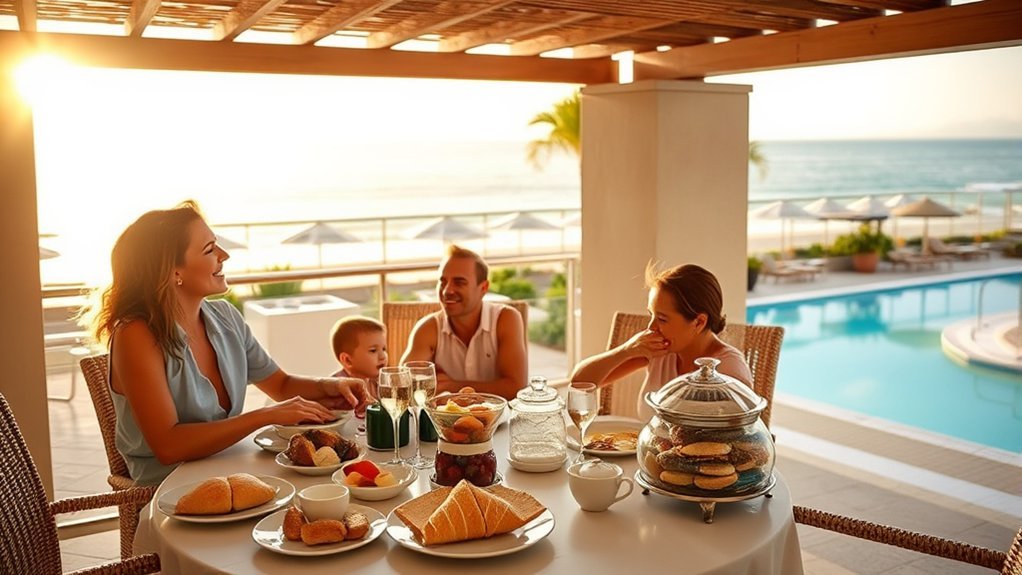
Half board is worth considering when you will be at the hotel for most breakfasts and dinners but away during lunchtime. It can be especially practical at a secluded resort, in a destination where evening meals are expensive, or when nearby restaurants are limited.
It can also work well for families who prefer a dependable evening meal, couples taking daytime excursions, and guests who do not want to search for dinner after every outing.
Skip or reconsider half board when you plan to eat out most evenings, have several late activities, dislike the hotel’s menu, or can buy suitable local food for much less than the upgrade. A plan is not good value merely because two meals are technically included.
Pro Tip: Before paying for half board, count the evenings you expect to spend at the hotel. Divide the total upgrade by that number to see the effective price of each dinner you are likely to use.
Frequently Asked Questions
What are the disadvantages of half board?
You may need to return during fixed dinner hours, pay separately for drinks, and use a limited restaurant or menu. You can also lose value when you miss an included meal or prefer to eat at local restaurants in the evening.
What are the rules for half board?
Standard half board normally includes breakfast and an evening meal, but each hotel controls meal times, participating restaurants, drinks, reservations, menu limits, and meal-swap rules. Your booking confirmation provides the rules for your stay.
What are the benefits of half board?
It gives you a planned breakfast and dinner while leaving lunch free for sightseeing or local food. It may also make costs easier to estimate and reduce the need to find an evening restaurant.
What is better, half board or all-inclusive?
Half board is usually better when you will explore during the day and eat lunch elsewhere. All-inclusive may offer better value when you plan to remain at the resort and regularly use its covered meals, snacks, and drinks.
Does half board include lunch?
Usually not. Standard half board normally covers breakfast and an evening meal. Some hotels allow you to select lunch instead of dinner or swap the meals with advance notice.
Are drinks included with half board?
Basic breakfast drinks are often included, but dinner drinks frequently cost extra. Some properties include water or selected beverages, while Half Board Plus may add a limited drinks package. Check the exact booking terms.
Can I swap a half-board dinner for lunch?
Only at hotels that specifically allow it. You may need to request the change at reception, reserve a lunch time, or provide notice before the meal. A swap normally replaces dinner rather than adding a third meal.
What happens if I miss an included meal?
Hotels do not normally provide an automatic refund for an unused meal. Some can prepare an early breakfast, packed meal, or cold plate when you ask in advance, but this depends on the property.
Is room service included in half board?
Usually not. Half-board meals are commonly served in designated restaurants during fixed hours. Room-service food, delivery charges, and tray fees generally cost extra unless the package expressly includes a credit or alternative service.
Conclusion
Half board gives you breakfast and an evening meal while keeping lunch open for your own plans. It can reduce daily decisions and offer good value when you will use the hotel dinners, but the name alone does not tell you which drinks, restaurants, menus, or meal swaps are included. Read the property description, compare the upgrade with your likely spending, and save the booking terms before you travel.
Sources
- TUI: What do I get within my board basis? — Defines half board, full board, Half Board Plus, and other common hotel meal plans.
- Jet2holidays: Essential holiday information — Confirms the standard half-board definition and explains that Plus benefits differ between hotels.
- TUI: Half-board food and drink guidance — Explains that breakfast and an evening meal are included while drinks outside breakfast are usually extra.
- TUI: Hotel Mimosa Beach board-basis details — Provides a real example of a hotel allowing dinner to be swapped for lunch.
- Food Standards Agency: Food allergies, intolerances, and coeliac disease — Supports the advice to discuss allergies and dietary requirements with food-service staff.
