
Last Updated on July 28, 2026 by Mason Reed
Quick Answer
A separating zipper is almost always caused by a worn or loose slider. Clean the teeth and track with an old toothbrush and mild soap, dry fully, then apply a small amount of wax or silicone lubricant. If it still separates, gently compress the sides of the slider with pliers; if that fails, install a matching replacement slider.
Key Takeaways
- Separation almost always starts with a worn-out or dirty slider, not the teeth themselves.
- Clean before you lubricate — grit trapped under oil or wax acts as an abrasive paste that grinds down zipper teeth.
- Squeezing a loose slider with pliers is a effective first fix, but apply pressure gently to avoid snapping brittle die-cast metal.
- Match replacement sliders by number (#5, #8, #10) and type (molded plastic vs. nylon coil), as the number refers to closed tooth width in millimeters.
- If teeth are missing or permanently bent, replace the entire zipper rather than attempting a temporary fix.
At a Glance
| Time Required | 10–20 minutes for cleaning/lubrication; 30–60 minutes for a slider swap |
| Difficulty | Easy (cleaning/lubrication) to Moderate (slider or zipper replacement) |
| Tools Needed | Old toothbrush, mild soap, cloth, needle-nose pliers, seam ripper, replacement slider or zipper, wax or silicone lubricant |
| Cost | Free (cleaning) to under $10–15 for a replacement slider or zipper kit |
Disclosure: As an Amazon Associate I earn from qualifying purchases. Some links on this page are affiliate links, at no extra cost to you.
Why Your Shelter Zipper Separates
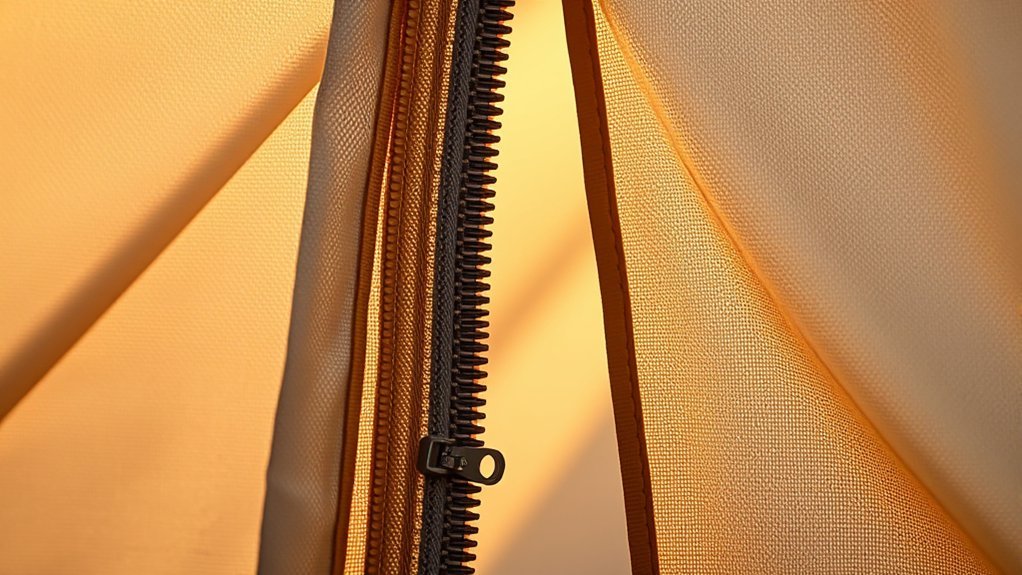
Your shelter zipper usually separates when the slider loses its grip on the teeth from normal wear, so the zipper looks closed but never fully locks.
You may also notice grit, dirt, or beach sand inside the track, where it acts like abrasive dust and keeps the slider from holding pressure. If you yank the pull or overload the opening, you can bend teeth or warp the slider, and the gap returns. Long sun exposure can also weaken the tape, making it brittle and less able to stay aligned.
These issues don’t mean you’ve done anything wrong — they reflect normal stress on outdoor gear. A little routine care goes a long way toward preventing separation, and paying attention to zipper material when you buy or replace shelter hardware pays off over time.
Check the Teeth, Slider, and Track
Start by inspecting the zipper’s teeth, slider, and track up close. During your teeth inspection, look for broken, bent, or missing teeth that can stop the zipper from closing and may mean you need a full replacement. Then move to a slider assessment: check for looseness, wear, or a weak grip, since a tired slider can let the sides split apart.
Inspect the zipper’s teeth, slider, and track closely for damage, looseness, or misalignment before applying tools or lubricant.
- Confirm each tooth lines up cleanly.
- Test the slider for snug engagement.
- Check the track for warps or bends.
- Reassess after repeated use and weather exposure.
Also watch the track for misalignment from tension, and note any signs of material breakdown from sun, rain, or cold. Catching these issues early keeps your shelter operating smoothly.
Clean Dirt and Debris From the Zipper
Clear out any grit from the zipper before it builds up and causes extra wear. Use an old toothbrush to gently brush away dirt and debris from the teeth and track. If buildup sticks, clean it with a mild soap solution, then rinse and dry it well.
Clear Out Zipper Grit
- Inspect the zipper after every outdoor trip.
- Remove sand, grit, and small obstructions right away.
- Use mild soap and water for deeper cleaning.
- Rinse well, then let it dry completely.
Keep your strokes light so you don’t force debris deeper into the track, and avoid harsh chemicals since they can weaken the zipper material. Clean zippers move more freely and resist sticking or jamming.
Note: Before folding or storing your shelter, make sure the zipper is completely dry. Packing it away damp can lead to mold, mildew, and corrosion around the track and slider.
Brush Away Debris
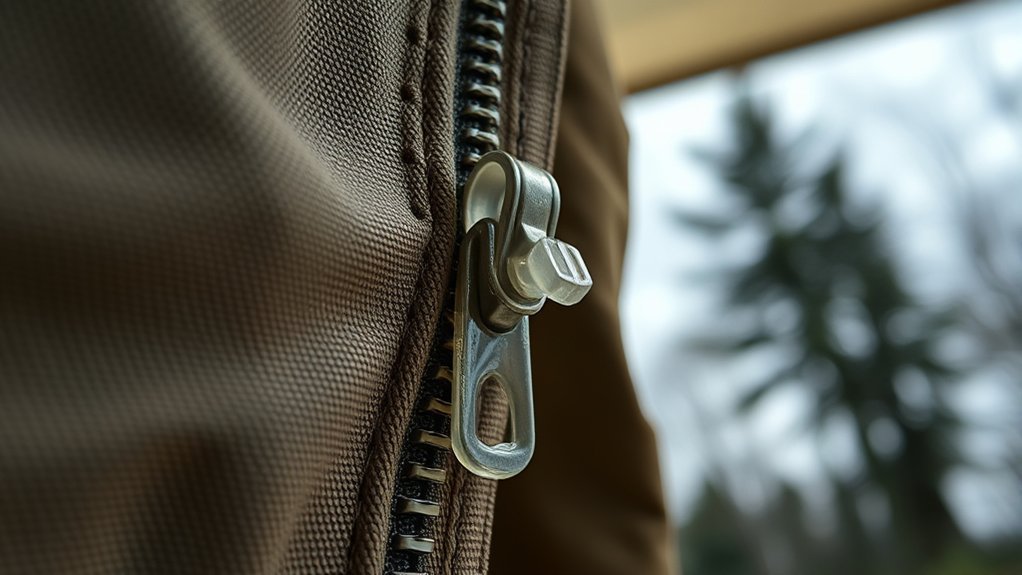
Brush away visible dirt and debris with a soft brush, such as an old toothbrush, to keep the zipper track moving smoothly. Inspect the zipper often, since sand and grit can work like sandpaper and wear down the slider and teeth over time. Use gentle strokes along the track to lift loose particles without forcing the zipper. If grime stays put, wash the area with mild soap and water, rinse lightly, and let it dry fully before storing your shelter.
Lubricate a Sticky Shelter Zipper
If a shelter zipper starts sticking, clean out any dirt or debris first, then apply a small amount of lubricant — such as candle wax, beeswax, a bar of soap, or a specialty zipper lubricant — directly to the teeth.
- Dab a thin layer onto the teeth.
- Spread it with a cotton swab or cloth.
- Keep excess off the fabric.
- Recheck after each outdoor camping trip.
You don’t need much — too much lubricant can attract more grit and make the problem worse.
Warning: Standard WD-40 multi-use product is petroleum-based and can weaken, stain, or degrade waterproof polyurethane (PU) tent coatings and seam tape over time. If you use a spray lubricant, choose a 100% silicone spray, apply it sparingly with a rag directly to the teeth, and shield surrounding shelter fabric.
How to Fix a Zipper That Separates
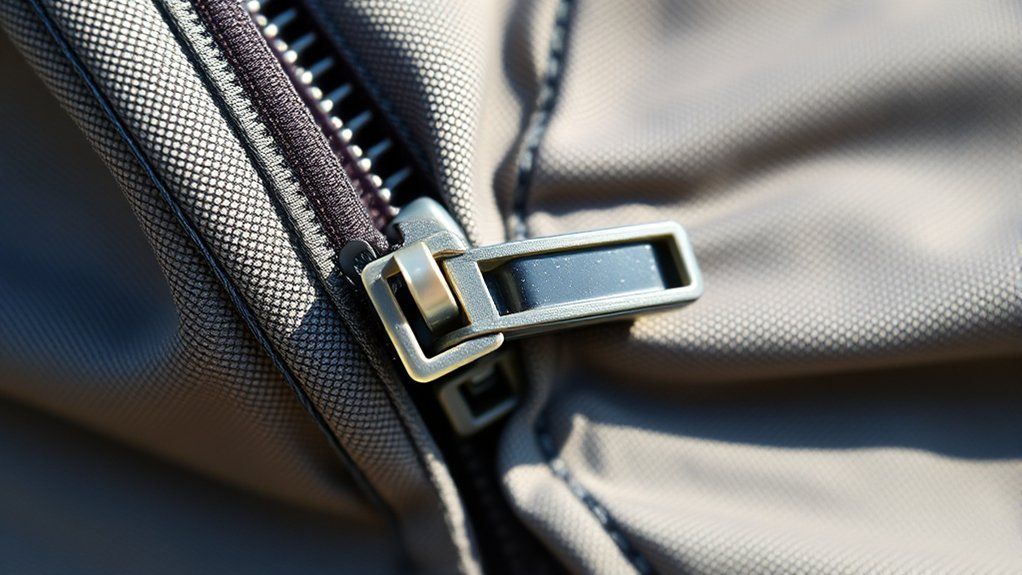
If your zipper closes but then separates, check the slider’s grip first, since a loose slider often needs a gentle squeeze with pliers. Clean out any debris and apply a light lubricant to help the teeth track smoothly. If the slider’s worn or damaged, replace it so the zipper can stay closed.
Check Slider Grip
Start by checking the slider’s grip: if it feels loose or wobbly, it may no longer be pinching the teeth tightly enough, which often causes a zipper to separate right after closing.
- Test the slider’s tension by closing it slowly.
- Position needle-nose pliers at the rear corners of the slider (where the teeth exit).
- Gently apply incremental pressure to tighten the gap.
- Inspect the teeth for bends, gaps, or missing sections.
- Replace the slider if it still slips or won’t hold.
Pro Tip: Squeeze the slider in tiny increments! Most tent sliders are made of die-cast zinc, which is brittle and can snap easily if you apply too much force at once. Squeeze gently, test the zip, and squeeze slightly more only if needed.
Clean And Lubricate
Once you’ve checked the slider grip, clean the zipper teeth and slider so they close evenly. Use an old toothbrush to brush away dirt, grit, and debris from both sides — buildup can act like sandpaper and stop the slider from holding the teeth together. Then rub a small amount of candle wax or a dedicated zipper lubricant along the teeth and through the slider, working the zipper open and closed a few times so it spreads evenly. This reduces friction and supports a more secure closure.
Replace Worn Slider
A separated zipper often means the slider isn’t gripping the teeth tightly enough, so check the track for dirt and make sure the teeth line up before you zip. If the slider still spreads the zipper, gently squeeze it with pliers to restore tension. If it’s worn, replace it with a matching-size slider — commonly #5, #8, or #10 — to keep the system moving freely.
- Verify slider compatibility before buying.
- Clear debris from the teeth and track.
- Test the fit before full use.
- Keep up with light lubrication and inspection afterward.
Emergency Field Fixes on the Trail
If your shelter zipper fails while camping and you lack replacement hardware or tools, try these field emergency workarounds:
- Safety Pin Lock: If the slider separates at a specific spot, zip it up as far as it will hold and insert a safety pin through the fabric tape directly above the slider to prevent it from sliding back open.
- Multi-Tool Pliers Crimp: Use the pliers on a multi-tool to pinch the rear edges of the slider together just enough to catch the teeth.
- Paperclip Pull Tab: If the pull tab snapped off, thread a paperclip or key ring through the slider loop to gain leverage for smooth pulling without twisting the slider body.
When to Replace the Zipper Slider
If the slider keeps letting the zipper separate after you close it, it’s worn and should be replaced. You’ll also want a new one if the zipper starts hard, drags, or won’t move smoothly. A loose, wobbly slider tells you it no longer grips the teeth well enough to hold the closure. Look for bends, cracks, or visible damage, because a damaged slider can stress the teeth and make the problem worse.
Add slider checks to your routine gear inspection: wipe away grit, test the pull, and watch for uneven movement. Catching wear early helps you avoid getting stuck with a zipper that won’t stay closed when you need it most.
How to Match Zipper Size and Type
You’ll match zipper size by the number on the tape or slider, such as #5 for many tents and backpacks, and choose a chain material that fits the job. Molded tooth zippers work well outdoors, coil zippers handle curves, and metal zippers usually aren’t the best choice in wet or harsh conditions. Make sure the slider matches both the size and the zipper type, especially if you’re using a continuous zipper that needs separate sliders and stops.
Zipper Size Guide
Zipper sizes are marked with numbers like #3, #5, #8, and #10, which refer to the approximate width of the closed teeth in millimeters Sailrite Zipper Guide. For most outdoor gear, #5 and #8 are standard fits for tents and rainflies.
- #5 suits medium-duty shelter panels, vestibules, and gear bags.
- #8 and #10 suit heavy-duty main tent doors and canvas shelters.
- Molded teeth give you weather resistance and strength.
- Coil styles flex better on curved seams.
Choose locking sliders when you want secure hold, or non-locking sliders when you need fast, multi-directional access. Matching the original size and type keeps your setup reliable and free from avoidable failure.
Chain Material Types
Chain material matters as much as size when you match a zipper to outdoor shelter use.
| Type | Best use |
|---|---|
| Molded tooth (Vislon®) | Outdoor gear; high durability, UV and corrosion resistance |
| Nylon coil zippers | Curved designs; flexible, lightweight, and easy to tailor |
| Metal zippers | Heavy strength; better for indoor use than exposed shelters |
For shelters, #5 and #10 are common picks, but chain material drives environmental resistance. Molded tooth zippers are typically made from acetal resin (commonly branded as Delrin®), which handles weather and sand exceptionally well WAWAK Sizing Guide. Nylon coil zippers give more flex for curved tent doors. Metal zippers feel robust, but corrosion and rust can shorten service life outdoors. Match the chain to the job, and you’ll keep your shelter easier to rely on.
Slider Fit Considerations
Once you’ve matched the chain material to outdoor conditions, the next step is getting the slider right. Zipper size numbers describe the closed-teeth width in millimeters. Choose slider types that match the exact chain structure — molded tooth sliders do not fit nylon coil tracks, even if they share the same gauge number. Check whether you need single-pull, double-pull (accessible from inside and outside a tent), or locking action. Confirm fit by reading the markings stamped on the back of the old slider.
- Match size number first (#5, #8, #10).
- Match slider type to chain structure (Coil vs. Molded Vislon).
- Choose single or double pull tab configuration.
- Verify stamped markings on the original slider before buying.
Repair or Replace the Full Zipper
When the plastic zipper on your outdoor shelter has broken or lost teeth, a full replacement is often the most reliable fix, since repairs may not restore proper function. Measure the old zipper carefully and match the length and tooth count — many tents use #5 or #8 zippers. If the tape and teeth are damaged, replacing the whole unit can save you from repeat failures. You can un-stitch the old zipper seam with a seam ripper and sew in a new one by hand or machine. If the slider is the only issue, a universal replacement slider (such as FixnZip®) can restore functionality without requiring any sewing.
Install a New Tent Zipper Slider
To install a new tent zipper slider, gather a seam ripper, needle-nose pliers, zipper stops, and a replacement slider that matches your zipper size and type.
- Remove the Top or Bottom Stop: Use pliers to gently pry open and remove the metal stop at the top or bottom end of the zipper track. If it’s a fabric or thread stop, carefully cut the thread with a seam ripper.
- Slide Off the Damaged Slider: Pull the worn slider off the end of the track.
- Fit the New Slider: Align both rows of teeth evenly into the nostrils of the new slider, pushing it onto the track gently until teeth engage smoothly.
- Re-install or Sew a New Stop: Crimp a new metal stop onto the end of the track with pliers, or sew a heavy thread barrier across the teeth to prevent the new slider from running off the end.
Warning: Seam rippers and pliers can slip against tight tent fabric. Work slowly, keep your free hand clear of the blade, and support the fabric flat on a hard table rather than holding it unsupported in your lap.
After slider installation, test zip the tent slowly. If it moves freely and holds the teeth together without separating, your repair is complete.
Prevent Future Zipper Problems
After each trip, give your zipper a quick brush and wash with mild soap to remove grime before it builds up. Then inspect the teeth and slider for dirt or grit — even small particles can throw off alignment and wear the parts down over time. Close the zipper fully before storage so you don’t stress the teeth or twist the slider. If the zipper feels stiff, apply a small amount of silicone spray or a dedicated lubricant to cut friction and keep it gliding. Store your shelter in a cool, dry place away from direct sun and moisture, since heat, UV rays, and damp conditions can weaken zipper materials. A few minutes of care now helps you avoid breakdowns later.
Frequently Asked Questions
How do you get a plastic zipper to work again?
Clean the track first with an old toothbrush and mild soap, then add a small amount of wax or silicone lubricant to the teeth. Gently wiggle the slider back and forth to ease tension. This solves most sticking issues; if it doesn’t, try squeezing the slider gently with pliers or replacing the slider entirely.
How do you identify a zipper type?
Check the teeth structure (nylon coil, molded plastic teeth, or metal) and look for the gauge size number stamped on the back or pull-tab of the slider (such as #5, #8, or #10). Identifying both teeth type and gauge ensures you get compatible replacement parts.
Which is better: a coil zipper or a plastic (molded) zipper?
Coil zippers flex more easily around curved tent doors and withstand moderate stress well. Molded plastic zippers (Vislon) offer superior strength, UV resistance, and mud/sand shedding for straight panels, but require matching molded sliders.
How do you get a plastic zipper to slide easier?
Clean dirt from the teeth using soap and water, dry thoroughly, then apply a thin layer of specialized zipper lube, paraffin wax, or silicone spray. This cuts friction without attracting grit or damaging plastic resin and tent coatings.
Conclusion
When your outdoor shelter’s plastic zipper starts to separate, taking immediate action prevents a minor snag from becoming a full shelter failure during bad weather. In most cases, cleaning away grit, applying wax or silicone lubricant, or gently crimping a loose slider with pliers restores full functionality. If teeth are missing or the slider is worn beyond repair, replacing the slider or installing a new zipper is the permanent solution. Inspect your zippers regularly, keep them clean, and your shelter will keep you protected whenever you head outdoors.
Sources
- Sailrite: Choosing the Right Zipper — technical reference confirming zipper gauge numbers correspond to closed tooth width in millimeters
- WAWAK Zipper Size Chart — comprehensive reference chart for zipper sizing (#3–#10) and outdoor gear compatibility
- SlashGear: Never Use WD-40 on a Stuck Tent Zipper — guide detailing why petroleum solvents harm tent fabric coatings and tape
- Zipper Shipper: How to Lubricate a Zipper — comparison guide for wax, soap, and silicone zipper lubricants
