
Last Updated on July 29, 2026 by Mason Reed
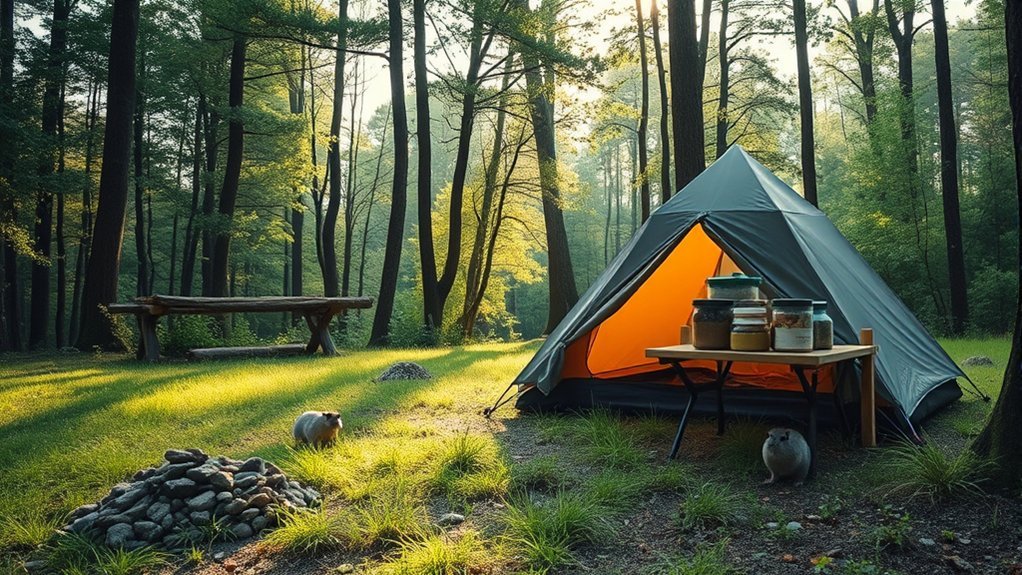
Rodents can chew through tent fabric, damage packs, and contaminate food, but the best defense is simple: remove every food odor and block access to anything edible. Keep food and scented items out of the tent, follow the campground’s storage rules, choose a clean site, and inspect your shelter before settling in.
Quick Answer
Keep rodents out of your tent by storing all food, trash, cookware, pet food, and toiletries in the campground’s approved locker, canister, or other animal-resistant system. Never keep scented items in the tent. Clean crumbs immediately, zip every door, repair holes, avoid rodent burrows, and report ongoing activity to campground staff.
Key Takeaways
- Treat food, trash, drinks, cookware, toiletries, pet food, and other scented items as wildlife attractants.
- Use the food-storage method required at your campground; an airtight bag alone is not animal-resistant.
- Do not rely on peppermint oil, garlic, dryer sheets, baited traps, or campsite alterations as your main defense.
- Never sweep or vacuum rodent droppings; wet them with disinfectant first and follow safe cleanup steps.
At a Glance
| Time Required | About 10–15 minutes to secure food, clean the site, and inspect the tent |
| Difficulty | Easy |
| Tools Needed | Approved food-storage container or locker, resealable trash bags, cleaning cloth, tent repair tape, and gloves plus disinfectant if contamination is present |
| Cost | Typically $0–$40, depending on the storage and repair supplies you already own |
Disclosure: As an Amazon Associate I earn from qualifying purchases. Some links on this page are affiliate links, at no extra cost to you.
Check Local Food-Storage Rules First
Food-storage rules vary by park, campground, and wildlife conditions. Some sites require a metal locker or an approved hard-sided canister. Others allow a properly secured food hang or limited vehicle storage. Check the land manager’s current rules before your trip and follow posted instructions when you arrive.
The National Park Service advises campers to secure food, garbage, and scented items as soon as they reach camp and never store food in a tent or backpack. Vehicle storage is not a universal solution; some parks allow it only under specific conditions, while others require lockers.
Warning: Never sleep with food, snacks, flavored drinks, trash, pet food, cookware, toothpaste, lip balm, lotion, soap, or other scented items inside your tent. Thin fabric is only a minor barrier to a determined animal.
Eliminate Food Sources
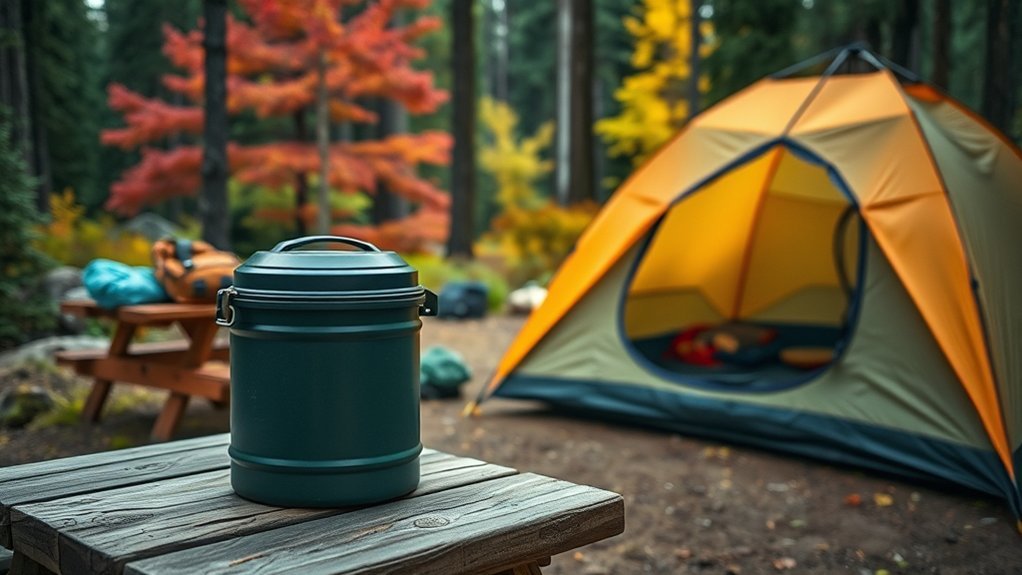
Rodents return to places where they find easy calories. Put every food item away whenever it is not within reach, including unopened packages, drink mixes, cooking oil, pet treats, and food-tainted wrappers. Do not leave snacks in jacket pockets, daypacks, or tent organizers.
Store garbage and leftovers with your food until you can place them in a designated wildlife-resistant bin or pack them out. Do not bury scraps or try to burn food, coffee grounds, tea bags, or grease in a campfire. Partly burned food still attracts wildlife.
A tent is a sleeping shelter, not a food-storage container.
Keep Cooking Areas Clean
Clean your cooking and eating area as soon as the meal ends. Pick up dropped food, wipe the table, wash cookware, and inspect the ground for crumbs. Strain food particles from wash water and dispose of them according to local rules rather than scattering them around camp.
Store dirty dishes, grills, utensils, coolers, and anything that smells like food in the same approved system used for food. The North Cascades National Park food-storage guidance treats cookware, toiletries, garbage, beverages, and portable grills as food items because wildlife can detect their odors.
Pro Tip: Before dark, do a “crumb check” with a headlamp around the table, stove, chairs, and the route between the cooking area and your storage locker.
Set Up a Clean Campsite
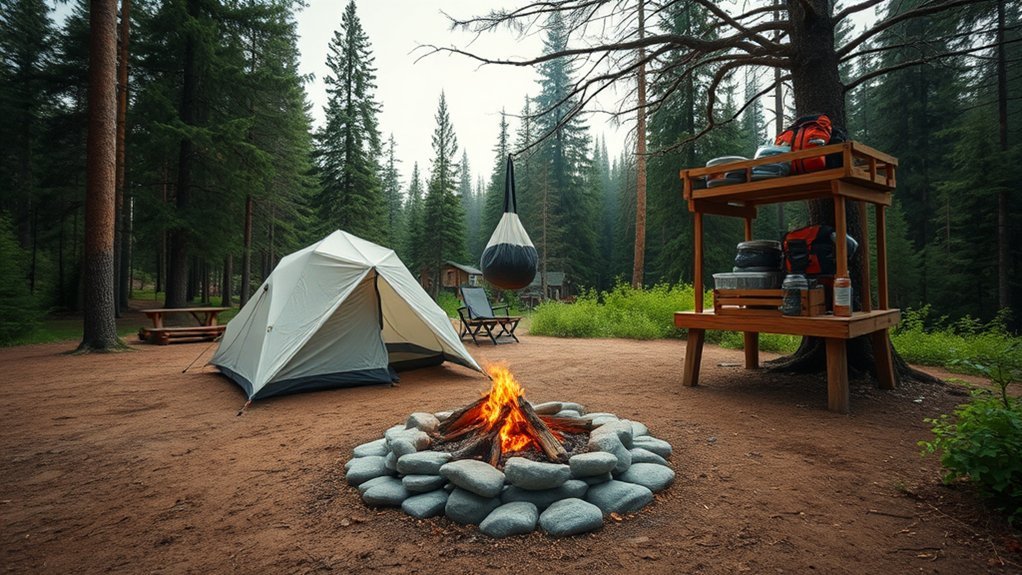
A clean, organized campsite gives rodents fewer reasons to investigate. Use an established tent pad when one is provided. Keep the tent door zipped, close storage containers after every use, and avoid piling clothing, paper, or loose gear on the ground.
- Inspect the site: Look for droppings, gnaw marks, burrows, nests, or heavy rodent activity before pitching the tent.
- Choose a lower-risk spot: Avoid sleeping next to dense brush, woodpiles, obvious burrows, trash, or existing droppings.
- Separate sleeping from food: Use the distance and storage method required by the campground or land manager.
- Secure pet supplies: Store pet food, treats, bowls, and waste with the rest of your scented items.
Mount Rainier National Park advises campers not to pitch tents near rodent feces, burrows, dense brush, or woodpiles and to place garbage in rodent-resistant containers or pack it out. If a designated campsite shows heavy activity, contact a ranger or campground host and request another site instead of disturbing nests or burrows.
Choose Animal-Resistant Storage, Not Just Airtight Bags
Airtight containers can reduce spills and some odors, but “airtight” does not automatically mean rodent-resistant or compliant with park rules. Mice and squirrels can chew through thin plastic, fabric, and lightweight bags. Use the system required for the location, such as a food locker, approved hard-sided canister, metal mesh food bag, or another animal-resistant container.
Keep the container fully closed whenever it is unattended. In backcountry areas, place or hang it exactly as the land manager directs. Do not assume that a vehicle is permitted for overnight food storage; rules can differ even between nearby parks.
Note: Vacuum-sealed bags are useful for organization, but they are not a substitute for an approved animal-resistant container.
Use Scent Deterrents Only as a Backup
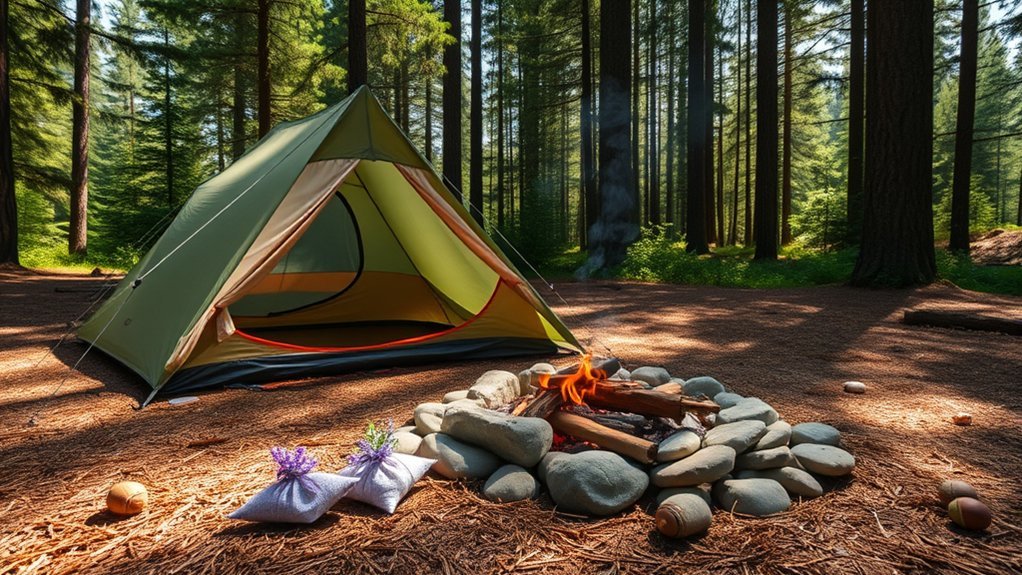
Peppermint oil, dryer sheets, garlic, and similar strong scents are often promoted as rodent repellents, but they are not a dependable replacement for sanitation, exclusion, and proper food storage. Outdoor odors fade quickly, rodents may ignore them, and garlic is itself a scented food item that should not be left beside a tent.
Do not spray essential oils on tent fabric unless the tent manufacturer specifically allows it; oils may stain fabric or affect coatings. If you use a labeled commercial repellent on private property, follow the product label and keep it away from food, children, pets, and waterways. In a campground, ask the land manager before applying any product.
Create a Low-Impact Barrier Around the Tent
The best tent barrier is an intact shelter on an established site, not a trench or a ring of gravel. Use a tent with a sewn-in floor, keep doors zipped, and make sure mesh panels, corners, and zipper ends have no openings. A footprint can protect the floor from abrasion, but it will not make the tent rodent-proof.
Choose an Existing Clear Site
Select an established tent pad that is already clear and away from obvious rodent habitat. Do not cut live vegetation, remove shrubs, dismantle woodpiles, or clear a 10-foot ring around the tent. These actions can damage the campsite and disturb wildlife. Move to a better existing spot or ask staff for help.
Avoid Buried Mesh, Gravel Rings, and Trenches
Do not bury hardware cloth, install metal mesh, spread gravel, or dig around a temporary tent. Those building-style exclusion methods are unsuitable for normal camping and conflict with low-impact site practices. Focus instead on a closed tent floor, repaired fabric, clean ground, and secure food storage.
Regularly Inspect and Maintain Gear
Inspect your tent and gear before the trip, after setup, and whenever you see signs of activity. Rodents can enter through small tears, loose zipper ends, damaged vents, or holes left by previous chewing.
Check for Damage
- Seams and corners: Look for small holes, loose stitching, and worn floor fabric.
- Zippers and doors: Confirm that each zipper closes fully and the door fabric is not caught in the track.
- Packs and storage bags: Check for gnaw marks and remove forgotten snacks, wrappers, gum, and scented toiletries.
- Repair supplies: Patch small holes with tent-compatible repair tape and follow the tent maker’s instructions for permanent repairs.
There is no useful universal “weekly” schedule during a trip. A quick check each morning and evening is more practical, especially after food preparation or any sign of rodent activity.
Clean Regularly
Wipe food residue from coolers, stoves, tables, and utensils. Shake crumbs from clothing and packs away from the sleeping area, then collect and pack them out. Keep the tent free of food smells, and wash contaminated gear according to the manufacturer’s care instructions.
In areas with persistent rodents, local guidance may tell campers to remove all food from an empty pack and leave compartments open so animals do not chew through them to investigate. Follow this only where the land manager recommends it and weather conditions allow.
Handle Traps and Rodenticides Safely
Do not place baited snap traps or live traps around an occupied tent as a routine camping measure. Bait can draw rodents toward the sleeping area, traps can injure non-target wildlife or pets, and trapping may be prohibited without authorization. Live capture and release is not automatically legal or humane.
Report repeated rodent activity to a campground host, ranger, property owner, or public-health official. Moving to another campsite is usually safer than trying to control a wild population yourself. Never scatter rodent poison at a campsite. The U.S. Environmental Protection Agency regulates rodenticides because misuse can expose children, pets, and wildlife.
In a privately owned cabin, camper, or storage building where traps are allowed, use only the method permitted by the owner and local law. Keep traps protected from children and pets, follow all product directions, and use the CDC’s cleanup procedure for dead rodents, traps, urine, and droppings.
What to Do if a Rodent Enters Your Tent
- Stay calm and do not grab, corner, or strike the animal.
- Open the tent door and give it a clear exit while you stand back.
- Remove every food or scented item and secure it in the approved storage system.
- Inspect the tent, packs, and clothing for holes, droppings, urine, or damaged food.
- Discard any food with gnaw marks or possible contamination.
- Repair the entry point and move campsites if activity continues.
If you are bitten or scratched, wash the area promptly and seek medical advice. Tell the clinician that the injury involved a wild rodent.
Clean Rodent Droppings Safely
Warning: Do not sweep, brush, or vacuum dry rodent urine, droppings, or nesting material. Disturbing dry waste can send contaminated particles into the air.
The CDC recommends the following cleanup method:
- Put on rubber or plastic gloves.
- Wet the droppings and surrounding area with an EPA-registered disinfectant or a fresh bleach solution made according to CDC guidance.
- Leave the area wet for five minutes, or for the contact time listed on the disinfectant label.
- Wipe up the material with paper towels. Do not sweep or vacuum it.
- Place the waste in a covered garbage container; double-bag dead rodents and nesting material as directed by the CDC.
- Disinfect the surface, wash gloved hands, remove the gloves, and wash bare hands with soap and warm water.
Ask campground staff to handle heavy contamination, nests, dead rodents, or waste inside a shared facility. Do not disturb a burrow or nest near your campsite.
Frequently Asked Questions
What types of food attract rodents the most?
Rodents may investigate almost any food, not only nuts, jerky, candy, or baked goods. Store meals, snacks, crumbs, cooking grease, pet food, drink mixes, wrappers, and food-scented cookware in the approved storage system.
Can I use essential oils other than peppermint?
Do not depend on peppermint, citrus, lavender, garlic, or dryer sheets to protect a tent. Their outdoor effect is uncertain and temporary. Proper food storage, cleaning, tent repair, and site selection are more reliable.
How often should I inspect my gear for rodents?
Inspect it before the trip, after setup, and at least once each morning and evening. Check again after cooking or whenever you notice droppings, scratching, gnaw marks, damaged packaging, or a new hole in the tent.
What is the best type of trap for tent use?
For ordinary tent camping, do not set baited traps around the shelter. Contact the campground host or ranger and move sites if needed. In a private structure where trapping is allowed, use a protected, correctly sized trap and follow local rules and CDC cleanup guidance.
Are there rodent-proof tents?
No normal fabric tent should be treated as rodent-proof. Reinforced floors, intact mesh, and strong zippers help, but a rodent can still chew thin fabric. Keep all scented items outside the tent in approved storage.
What should I do if I find droppings in my tent?
Do not sweep or vacuum them. Put on gloves, wet the waste thoroughly with disinfectant, wait at least five minutes or the label’s contact time, wipe it up with paper towels, dispose of it in a covered bin, disinfect the area, and wash your hands.
Should I move my tent after seeing a rodent?
A single animal passing nearby does not always require a move. Relocate and tell campground staff if you find active burrows, repeated tent entry, fresh droppings, a nest, or persistent activity that continues after all attractants are secured.
Conclusion
Keeping rodents away from your tent depends more on prevention than repellents. Follow local food-storage rules, keep every scented item out of the sleeping area, clean cooking spaces promptly, choose an established site away from burrows and droppings, and repair small openings. Skip campsite alterations, poisons, and baited traps. If rodents persist, contact campground staff and move rather than putting yourself or wildlife at risk.
Sources
- National Park Service: Bear Safety—Storing Food — food, trash, scented-item, vehicle, and campground storage guidance
- North Cascades National Park: Food Storage Requirements — scented-item definitions, storage distance, and limits of tent fabric and soft storage
- Mount Rainier National Park: Wildlife Safety — campsite selection, rodent exposure prevention, and bite guidance
- Canyonlands National Park: Backcountry Food Storage — animal-resistant containers, crumb control, and pack protection
- Centers for Disease Control and Prevention: How to Clean Up After Rodents — safe handling of droppings, urine, nests, dead rodents, and traps
- U.S. Environmental Protection Agency: Rodent Control and Rodenticides — current federal rodenticide safety and control information
