
Last Updated on July 28, 2026 by Mason Reed
Choosing between aluminum and fiberglass tent poles affects pack weight, repair options, price, and how your shelter responds to repeated use. Aluminum is usually the better fit for backpacking and demanding trips, while fiberglass remains a practical, lower-cost choice for many fair-weather family tents. The best decision also depends on pole diameter, tent design, and where you camp.
Quick Answer
Aluminum tent poles are generally lighter, stronger, and easier to splint after bending, making them the usual choice for backpacking and demanding weather. Fiberglass poles usually cost less and work well for occasional, fair-weather car camping, but they are heavier and may split or splinter when damaged.
Key Takeaways
- Aluminum is normally the better choice when low weight, frequent use, and dependable field repair matter.
- Fiberglass is often cheaper and remains suitable for many entry-level family and fair-weather camping tents.
- There is no dependable rule that aluminum poles are always a fixed percentage lighter than fiberglass; compare the complete tent or pole-set weight.
- Pole material alone does not determine wind resistance. Pole diameter, wall thickness, crossing points, tent height, staking, and guy lines also matter.
- A repair sleeve is a temporary field fix. Replace or professionally repair a cracked, sharply bent, or badly splintered section before another demanding trip.
- For winter or exposed camps, choose a tent designed and rated for those conditions rather than relying on pole material alone.
Disclosure: As an Amazon Associate I earn from qualifying purchases. Some links on this page are affiliate links, at no extra cost to you.
Aluminum vs Fiberglass Tent Poles at a Glance
At a Glance: Aluminum vs Fiberglass Tent Poles
| Factor | Aluminum | Fiberglass |
| Typical Use | Backpacking, frequent camping, premium three-season tents, and many four-season tents | Budget tents, casual car camping, and many family dome tents |
| Weight | Usually lighter for a comparable application, although tubing dimensions and tent design change the result | Usually heavier because more material may be needed to reach the required stiffness |
| Common Failure Mode | May dent, kink, bend, crack at a joint, or develop corrosion after salt exposure | May split lengthwise, crack, or expose sharp glass fibers after an impact or overload |
| Field Repair | A repair sleeve can often stabilize a bent or broken section temporarily | A sleeve can stabilize a split temporarily, but exposed fibers require careful handling |
| Cost | Usually raises the tent’s purchase price but may offer better long-term value for frequent use | Usually costs less and is widely available in replacement kits |
| Best Choice For | Hikers, frequent campers, exposed sites, and users who value low weight and repairability | Occasional campers who prioritize a lower purchase price and camp in moderate conditions |
Weight Comparison: Fiberglass vs Aluminum Tent Poles
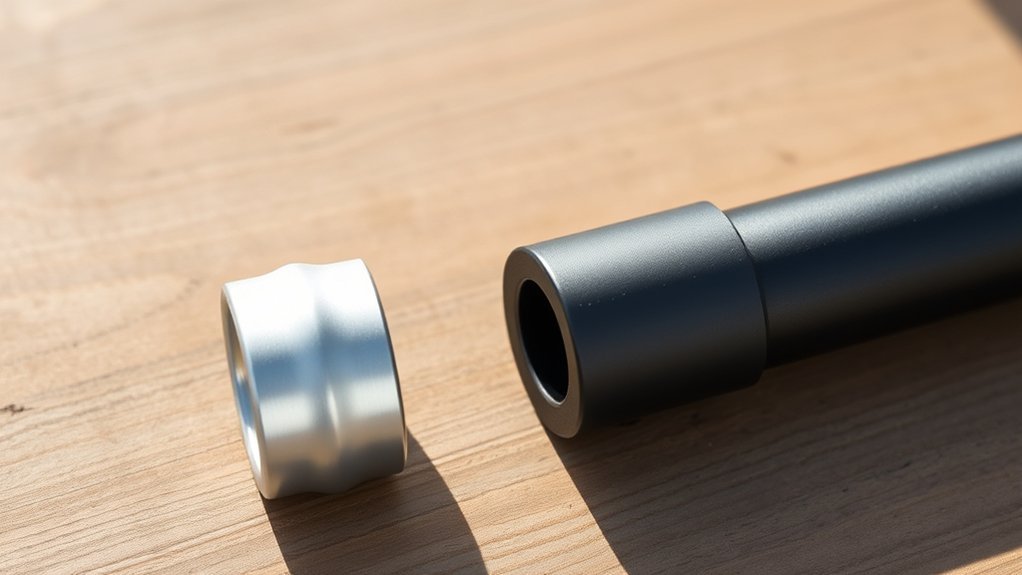
Aluminum poles are normally lighter than fiberglass poles built for a similar type and size of tent. This is one reason backpacking tents commonly use high-strength aluminum poles. The lower pole weight can make a noticeable difference when you carry your shelter for several miles.
There is no reliable rule that every aluminum pole set weighs 30%, 40%, or any other fixed amount less. Pole length, outside diameter, wall thickness, ferrules, hubs, prebent sections, and the number of poles all affect the total. Even within one aluminum product line, DAC lists different weights and bending resistance for each tubing diameter.
For a fair buying comparison, check the tent’s complete specifications. Backpackers should compare minimum trail weight or the weight of the tent body, rainfly, and poles. Car campers can focus more on packed size, setup effort, and durability because the shelter will not normally be carried far.
Note: Pole diameter is not a quality grade by itself. A thicker pole is normally stiffer, but the alloy, wall thickness, section length, joints, pole shape, and tent architecture also affect performance.
Durability and Strength
Aluminum poles are generally stronger and more durable than fiberglass poles, which makes them a dependable choice for frequent campers. However, neither material is unbreakable, and each tends to fail differently.
Pole material matters, but a well-designed and correctly pitched tent can outperform a poorly supported shelter made with a stronger pole material.
How Aluminum Poles Fail
Aluminum tubing can bend, dent, kink, crack near a ferrule, or deform where sections meet. A mild curve does not always mean immediate failure, but a sharp crease creates a weak point that can collapse when the pole is loaded again.
A repair sleeve can often hold a damaged aluminum section in line long enough to finish a trip. Do not repeatedly bend a sharply kinked pole back and forth. That can enlarge the crack or cause the section to break completely.
How Fiberglass Poles Fail
Fiberglass poles can flex through a broad curve, but an impact, deep surface damage, worn ferrule, or excessive load may cause a section to split lengthwise. Once the resin cracks, sharp glass fibers can lift from the surface and continue to separate.
Fiberglass damage is not always beyond repair. Manufacturers such as Coleman sell replacement sections in several diameters. A matching section can be cut to length and restrung when the rest of the pole remains serviceable.
Warning: Do not run a bare hand over a cracked fiberglass pole. Wear gloves, keep loose fibers away from the tent fabric, and wrap or sleeve the damaged area before moving it. Replace a badly splintered section before using the tent in strong wind.
Cost Comparison: Fiberglass vs Aluminum Tent Poles
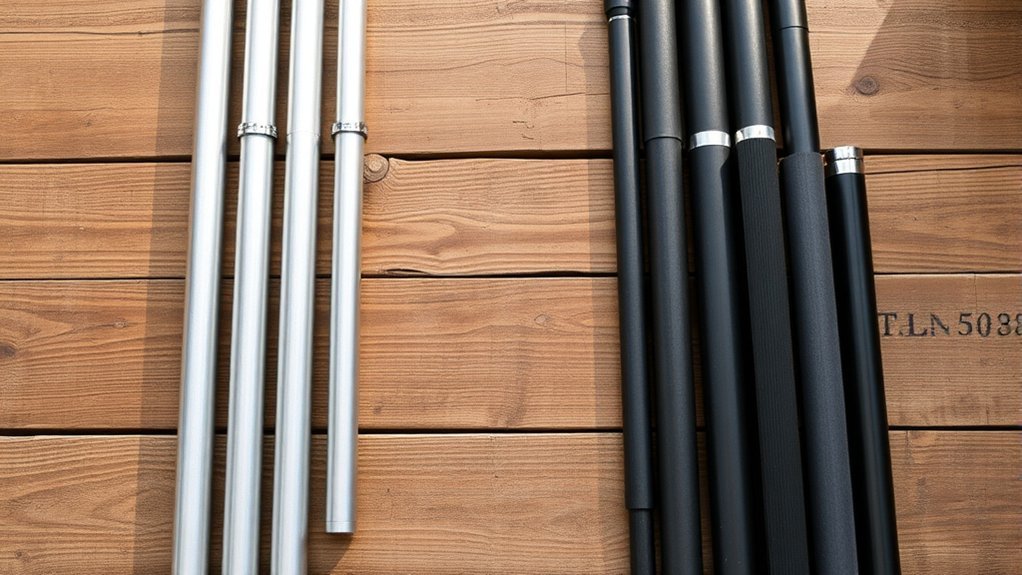
Fiberglass poles are common in lower-priced tents because the material and replacement sections are economical. This makes fiberglass appealing for occasional campers, families buying a large tent on a limited budget, and people who camp only in mild conditions.
Aluminum poles usually increase the original purchase price. In return, they commonly reduce weight and provide better durability for repeated setup, transport, and demanding use. A frequent camper may receive better long-term value from aluminum even when the first cost is higher.
Do not compare pole material without looking at the rest of the shelter. A cheap tent with aluminum poles may still use weak clips, minimal guy-out points, or an unstable shape. A well-designed fiberglass family tent can be a sensible purchase when it is used within its intended weather range.
Performance in Wind, Cold, Sun, and Moisture
Weather performance depends on the whole shelter. Material affects how poles carry a load and how they fail, but tent height, pole crossings, sleeves, fabric tension, stakes, and guy lines can be just as important.
Flexibility and Wind Performance
Fiberglass poles can flex considerably, which helps many basic dome tents absorb moderate gusts. Too much movement, however, allows the tent body to flatten, flap, or place concentrated stress on pole joints. An overloaded fiberglass section may split rather than return to its original shape.
Aluminum poles normally provide a better strength-to-weight balance and are widely used in tents built for exposed conditions. They can still bend or buckle when the tent is poorly anchored or hit by loads beyond its design.
Always stake the tent, including models marketed as freestanding. Tighten the manufacturer-provided guy lines before severe weather arrives. MSR notes that correct guy-line tension increases tent strength and stability, while anchoring helps prevent a shelter from being lifted by a gust.
Cold-Temperature Performance
Aluminum poles are the standard choice in many technical backpacking and four-season tents. They retain useful strength in cold camping conditions, although shock cord may lose elasticity and ice can interfere with joints.
Fiberglass performance varies with the glass fibers, resin system, age, diameter, surface damage, and load. It is too broad to claim that every fiberglass pole will crack as soon as the temperature drops below freezing. However, a damaged or aging composite section may fail suddenly when it receives an impact or is forced beyond its intended bend.
For snow, strong winter wind, or exposed alpine terrain, choose a shelter that the manufacturer specifically designs for those conditions. A four-season rating, pole architecture, snow-shedding shape, guy-out system, and correct setup are more useful safety indicators than material alone.
Warning: A three-season tent does not become a winter or expedition shelter simply because it has aluminum poles. Follow the tent manufacturer’s season rating and weather limits.
UV Exposure Effects
Fiberglass tent poles are glass-fiber-reinforced plastic, so their behavior depends partly on the surrounding resin. Research on glass-fiber-reinforced polymer shows that prolonged ultraviolet exposure can change the polymer matrix, although the amount of damage depends on the resin, protective finish, moisture, and exposure time.
In normal use, poles may be partly protected by sleeves and the rainfly. Even so, storing a tent set up in direct sun for weeks or months can age the poles and fabrics faster than ordinary trip use. Store poles clean, dry, and away from prolonged sunlight.
Water, Salt, and Corrosion
Fiberglass does not rust like steel or corrode in the same way as aluminum. Its resin and surface can still weather, crack, or wear around ferrules.
Anodizing helps protect aluminum, but scratches and salt exposure can still lead to corrosion. After coastal camping, rinse aluminum poles with fresh water, dry every section, and inspect the joints before storage. Avoid packing wet poles in a sealed bag for long periods.
Why Tent Design Matters as Much as Pole Material
The strongest pole material cannot correct a weak shelter shape or poor setup. Consider the following features when comparing tents:
- Pole diameter and wall thickness: Larger or thicker tubing is generally stiffer, but it also adds weight.
- Crossing points: Extra pole intersections can support the canopy and reduce large unsupported panels.
- Prebent sections and hubs: These shape the tent and distribute force, but specialized parts can be harder to replace.
- Tent height: Tall, steep walls catch more wind than a lower profile.
- Sleeves and clips: Full or partial sleeves can spread loads along the pole, while clips may reduce weight and improve ventilation.
- Guy-out locations: Well-positioned guy lines support the frame and limit side-to-side movement.
- Season rating: A purpose-built four-season tent uses its frame, fabric, shape, and attachment points as one system.
Pro Tip: Before a windy trip, pitch the tent at home and identify every guy-out point. Pack the correct stakes for the ground and enough cord to use the full support system.
Factors Influencing Tent Pole Choice
Material Strength and Failure Style
Aluminum normally offers the strongest balance of low weight, stiffness, and repairability for portable tents. It often bends or kinks before complete separation, giving the camper a visible warning and a section that may accept a repair sleeve.
Fiberglass is flexible and inexpensive, but surface damage can grow into a lengthwise split. Its sharp failure edges require more care. Still, replacement fiberglass sections are readily available for many common diameters, so a damaged pole does not automatically require discarding the entire tent.
Weight and Portability
Aluminum poles are the normal choice when every ounce matters. This includes backpacking, bike touring, paddling trips with portages, and travel where packed size is limited.
For drive-in campsites, the difference may have little practical effect. A family may reasonably choose a heavier fiberglass tent to gain more floor space while staying within budget.
Climate and Terrain
- Frequent wind: Favor a low, well-guyed tent with a proven pole architecture. Aluminum is usually preferred for demanding portable shelters.
- Winter and snow: Buy a tent designed for winter loads; do not select it from pole material alone.
- Coastal use: Rinse salt from aluminum poles and dry all sections before storage.
- Rocky campsites: Protect poles from being stepped on, trapped between rocks, or struck while unpacking.
- Long-term sunny pitches: Limit UV exposure and inspect fiberglass surfaces and tent fabrics more often.
Other Materials Used for Tent Poles
Aluminum and fiberglass are the most common comparison, but steel and carbon fiber also appear in certain shelters.
At a Glance: Tent Pole Materials
| Aluminum | Light, strong, and repairable. Technical poles often use proprietary or 7000-series alloys, although alloy name alone does not determine quality. |
| Fiberglass | Affordable and flexible, but normally heavier and capable of splitting or splintering after damage or overload. |
| Steel | Strong and stable but heavy. Common in cabin tents, wall tents, awnings, event shelters, and glamping setups that are transported by vehicle. |
| Carbon Fiber | Very light and stiff but expensive and less common. Impact damage can cause abrupt cracking or splintering rather than a gradual bend. |
| Trekking Poles | Some ultralight shelters use the hiker’s trekking poles instead of a dedicated frame, reducing packed shelter weight but requiring careful setup and correct pole length. |
Modern aluminum tent poles may use labels such as 7001-T6, 7075-T6, or a manufacturer’s proprietary name. DAC, for example, identifies its Pressfit poles as proprietary TH72M 7000-series aluminum. The alloy is only part of the design. Tube diameter, wall thickness, temper, shaping, ferrules, and quality control also affect the finished pole.
Pro Tip: A named alloy is useful information, but do not reject an otherwise reputable tent because the manufacturer uses a proprietary alloy name. Compare the tent’s total weight, season rating, warranty, replacement support, and frame design.
How to Inspect and Maintain Tent Poles
Inspecting poles before a trip takes only a few minutes and can prevent a shelter failure after dark or during rain.
- Assemble each pole slowly: Guide the sections together instead of allowing the shock cord to snap them into place.
- Check every joint: Make sure each section is fully seated in its ferrule. A partly connected joint concentrates force at the edge.
- Inspect aluminum: Look for sharp bends, dents, cracks, white or powdery corrosion, and distorted ferrules.
- Inspect fiberglass: Look for lengthwise cracks, raised fibers, soft spots, crushed ends, and loose metal ferrules.
- Test the shock cord: It should keep sections organized without pulling them together violently.
- Clean after the trip: Remove grit and rinse saltwater exposure with fresh water.
- Dry before storage: Separate or loosely fold the sections and allow joints, cord, and pole bags to dry completely.
When feeding a pole through a sleeve, push from the rear instead of pulling from the front. Pulling can separate the sections inside the sleeve and damage the pole or fabric.
How to Make a Temporary Tent Pole Repair
REI recommends using a pole-repair sleeve or splint for a damaged section in the field. Many technical tents include a short sleeve that is slightly wider than the pole.
- Take tension off the damaged pole and carefully remove it from the tent.
- Wear gloves if fiberglass is cracked or splintered.
- Gently align the damaged section without repeatedly bending it.
- Center the repair sleeve over the break, split, or kink.
- Secure both ends with strong tape so the sleeve cannot slide.
- Reinstall the pole slowly and add guy lines to reduce movement.
- Arrange a replacement section or professional repair after the trip.
Note: A tent stake can serve as an emergency splint when no repair sleeve is available, but it is bulky and may press against the fabric. Pad sharp edges and use this only as a temporary measure.
How to Match a Replacement Tent Pole
Tent poles are not universally interchangeable. The safest option is a model-specific part from the tent manufacturer or an experienced pole-repair company. When that is unavailable, record all relevant measurements before ordering a section or complete pole set.
- Complete assembled length: Measure from one finished tip to the other without forcing the pole straighter than its normal shape.
- Outside diameter: Measure the tube itself, preferably with calipers.
- Individual section length: Measure the exposed tube and note whether the ferrule is included.
- Ferrule dimensions: Check outside diameter, insertion depth, and whether the ferrule is bonded or removable.
- End tips: Photograph pins, ball ends, blunt caps, and grommet fittings.
- Prebends and hubs: Mark the position and direction of every curved or specialized section.
- Shock cord: Note the routing, knot position, and approximate tension.
A replacement section must fit fully into the neighboring section without wobbling or binding. A section with the wrong diameter or ferrule length can create a new stress point and may damage the tent.
Which Tent Pole Material Is Right for You?
Choose Aluminum When
- You carry the tent while backpacking or traveling.
- You camp often and expect repeated setup and packing.
- You want a pole that can commonly be stabilized with a repair sleeve after bending.
- You camp in exposed areas where a low-weight, high-strength frame is valuable.
- You are buying a technical three-season or four-season shelter.
Choose Fiberglass When
- You mainly drive to established campsites.
- You camp occasionally in moderate conditions.
- Initial purchase price matters more than minimum packed weight.
- You are buying a large family tent that would be too expensive with a premium aluminum frame.
- The manufacturer offers affordable replacement sections in the correct diameter.
Consider Steel or Carbon Fiber When
Steel is suitable for large shelters that remain near a vehicle and need a rigid, heavy frame. Carbon fiber can suit specialized ultralight equipment, but its higher price and abrupt damage behavior make it a niche option rather than the default choice for most campers.
Ultimately, aluminum offers the best all-around balance for backpacking, frequent use, and demanding trips. Fiberglass remains a reasonable and economical solution for casual camping when the tent is used within its intended conditions.
Frequently Asked Questions
How do I repair a broken fiberglass tent pole?
Wear gloves and place a repair sleeve over the cracked area for a temporary field repair. Secure the sleeve with strong tape. At home, replace the damaged section with one that matches the pole’s diameter, section length, ferrule, and end fittings. Replace a badly splintered pole rather than relying on tape or epoxy for demanding use.
Can aluminum tent poles be recycled?
Aluminum tubing is recyclable, but long tent poles may not belong in a curbside bin. Remove shock cord, plastic tips, fabric, and other nonmetal parts when practical, then ask a local scrap-metal recycler whether it accepts aluminum tubing. Recycling aluminum generally requires far less energy than producing primary aluminum.
What is the lifespan of aluminum tent poles?
Quality aluminum poles can last for many years, but there is no fixed lifespan. Frequency of use, wind loads, dents, salt exposure, joint wear, storage conditions, and setup habits all affect service life. Inspect the tubing, ferrules, tips, hubs, and shock cord before each important trip.
Are aluminum poles more flexible than fiberglass?
Not as a universal rule. Fiberglass tubing often bends through a broad curve, while aluminum pole systems can be engineered to flex and return to shape within a designed range. Diameter, wall thickness, alloy, section length, and tent geometry matter more than a simple flexible-versus-rigid label.
Do aluminum tent poles require special maintenance?
They need basic care rather than complicated maintenance. Keep joints free of grit, guide sections together instead of letting them snap, rinse poles after saltwater exposure, dry them before storage, and inspect for dents, cracks, corrosion, and worn shock cord.
Can I replace fiberglass tent poles with aluminum poles?
Sometimes, but it is not a simple material swap. The finished length, bend profile, diameter, tip style, hubs, ferrules, and stiffness must suit the tent. A pole that is too stiff or the wrong shape can overload clips, sleeves, seams, or grommets. Use a manufacturer-approved conversion or have a specialist build the replacement.
Are replacement tent pole sections universal?
No. Sections sold as universal still come in specific diameters and lengths and may require cutting. Ferrules, prebends, tips, and hubs can also differ. Measure the original carefully and use a model-specific replacement whenever one is available.
Conclusion
In the aluminum vs fiberglass tent pole comparison, aluminum is normally the stronger all-around choice for backpacking, frequent camping, and trips where low weight and field repair matter. Fiberglass offers useful flexibility and a lower purchase price for casual car camping and many family tents.
Do not judge a shelter by pole material alone. Check the complete tent weight, frame layout, pole diameter, season rating, guy-out system, replacement support, and intended weather range. Whichever material you choose, careful setup, full staking, regular inspection, and a correctly sized repair sleeve will help the poles last longer and keep the shelter more dependable.
Sources
- DAC Tent Pole Technology: Pressfit Specifications — 7000-series TH72M material, available pole diameters, weights, and bending-resistance ratings
- REI Co-op: How to Choose a Backpacking Tent — aluminum pole use in backpacking tents and the importance of total tent architecture
- REI Co-op: How to Fix a Broken Tent Pole — repair-sleeve and temporary field-splint guidance
- MSR Tents and Shelters Owner’s Manual — pole handling, staking, guy-line tension, saltwater care, shock cord, and temporary repairs
- Coleman: Fiberglass Tent Pole Repair Kit — replaceable fiberglass sections, diameter matching, cutting, ferrules, tips, and shock cord
- Scientific Reports: Influence of UV Radiation on GFRP Properties — environmental and ultraviolet effects on glass-fiber-reinforced polymer

