
Last Updated on July 27, 2026 by Daniel Globe
Istanbul’s famous mosques, palaces, and bazaars deserve their reputation, but some of the city’s most memorable experiences sit beyond the standard sightseeing circuit. Wander through Balat and Fener, study Byzantine mosaics inside today’s Kariye Mosque, cross the Bosphorus for Kadıköy or Kuzguncuk, or slow down among the trees of Emirgan and Yıldız parks. These hidden gems reveal Istanbul as a collection of distinct neighborhoods rather than a single tourist center.
Quick Answer
Istanbul’s best hidden gems include Balat and Fener on the Golden Horn, Kariye Mosque for Byzantine mosaics, Emirgan and Yıldız parks for green space, Kuzguncuk for colorful wooden houses, Zeyrek for historic lanes, and Kadıköy for markets and street art. Group nearby areas together and use ferries and trams to avoid wasting time in traffic.
Key Takeaways
- Explore Balat and neighboring Fener together for colorful streets, Jewish heritage, Greek Orthodox landmarks, and Golden Horn views.
- Visit Kariye Mosque for some of Istanbul’s most important Byzantine mosaics and frescoes, but remember that it is now an active mosque.
- Choose Emirgan Park for spring tulips or Yıldız Park for a green retreat closer to central Beşiktaş.
- Cross to the Asian side for Kadıköy’s markets and street art or quieter Kuzguncuk’s historic wooden houses.
- Plan by neighborhood rather than attraction: Istanbul is enormous, and unnecessary cross-city trips can consume a large part of your day.
Disclosure: As an Amazon Associate I earn from qualifying purchases. Some links on this page are affiliate links, at no extra cost to you.
Balat: A Colorful Neighborhood Full of History
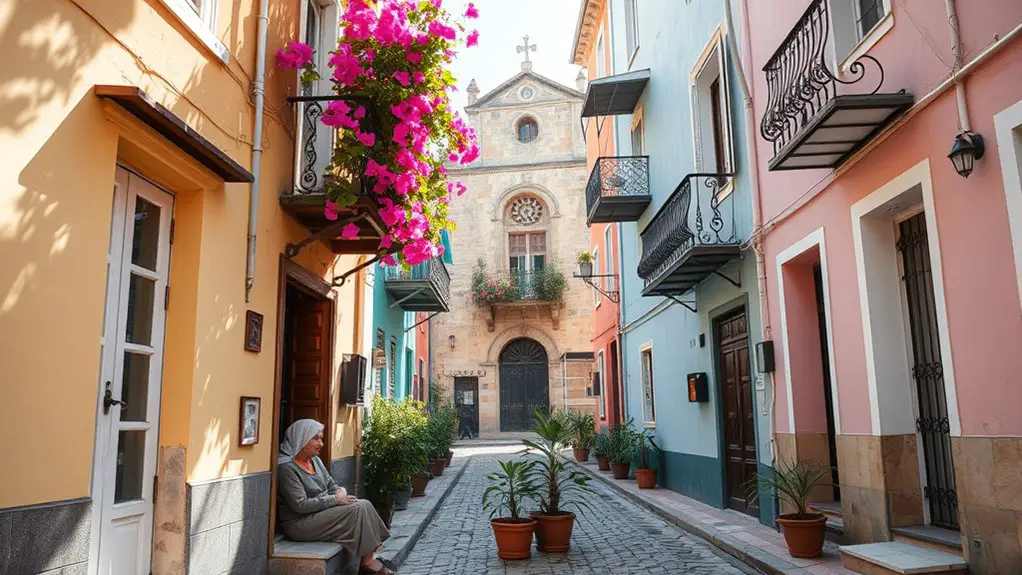
As you wander through Balat’s steep streets, the rows of brightly painted houses make an immediate impression. Look past the photo spots, though, and you will find a neighborhood shaped by centuries of Jewish, Christian, and Muslim life.
Balat was especially associated with Istanbul’s Jewish community during the Ottoman period. Nearby Fener developed as an important Greek Orthodox center, so the two adjoining neighborhoods preserve several layers of the city’s religious and cultural history.
The architecture is just as interesting as the color. Timber and masonry houses, projecting bay windows, narrow lanes, small religious buildings, antique shops, and newer cafés sit close together. Rather than treating Balat as an outdoor photo set, slow down and look for the details in doors, windows, fountains, and older façades.
The neighborhood is still lived in, so be considerate when photographing homes. Some of the most attractive streets are residential rather than formal attractions.
Pro Tip: Reach Fener or Balat on Metro İstanbul’s T5 Eminönü–Alibeyköy tram line, then explore the adjoining neighborhoods on foot. Comfortable shoes help because the most interesting lanes climb sharply away from the Golden Horn.
Kariye Mosque: A Byzantine Masterpiece in an Active Place of Worship
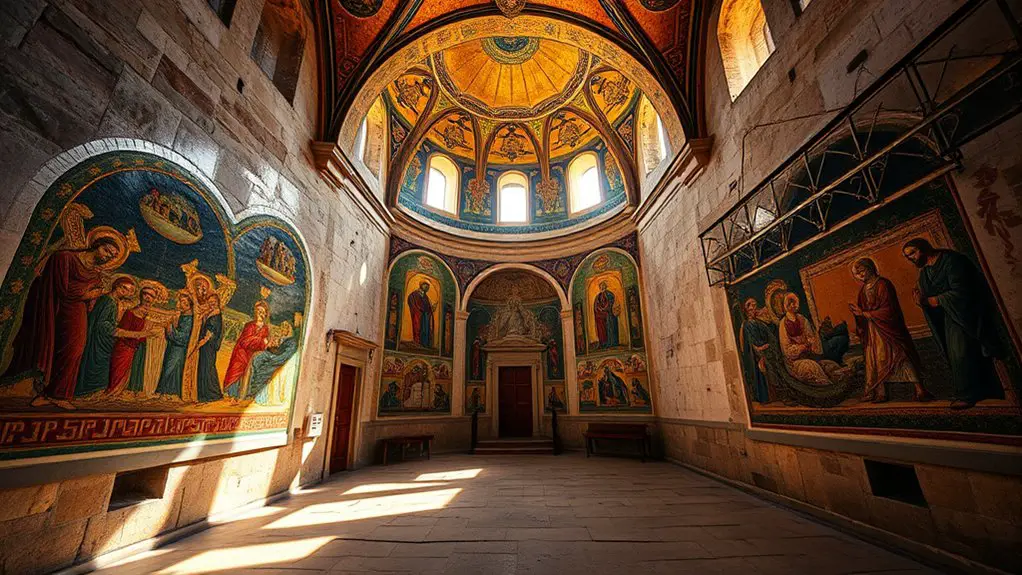
The monument long known internationally as the Chora Church or Church of the Holy Saviour in Chora is officially Kariye Mosque today. It is both an active Muslim place of worship and one of Istanbul’s most important surviving monuments of Byzantine art.
The site has very early religious roots, but describing the present building as simply a fourth-century church is misleading. It was rebuilt and altered repeatedly over the centuries. Much of what visitors admire today belongs to later Byzantine phases.
Inside, mosaics and frescoes depict biblical scenes in extraordinary detail. UNESCO’s Historic Areas of Istanbul documentation specifically recognizes the former Church of the Holy Saviour in Chora and its important mosaics and paintings, many dating from the later Byzantine period.
Kariye’s importance is not only architectural: its surviving mosaics and frescoes form part of the internationally recognized Historic Areas of Istanbul.
The atmosphere can feel much quieter than Istanbul’s biggest monuments, giving you time to study the artwork rather than simply moving with a crowd.
Note: Kariye is an active mosque. Tourist access may pause around prayer times, and visitor arrangements can change. Dress modestly, follow posted instructions, and check current conditions before making a special trip.
Emirgan Park: A Tranquil Escape by the Bosphorus
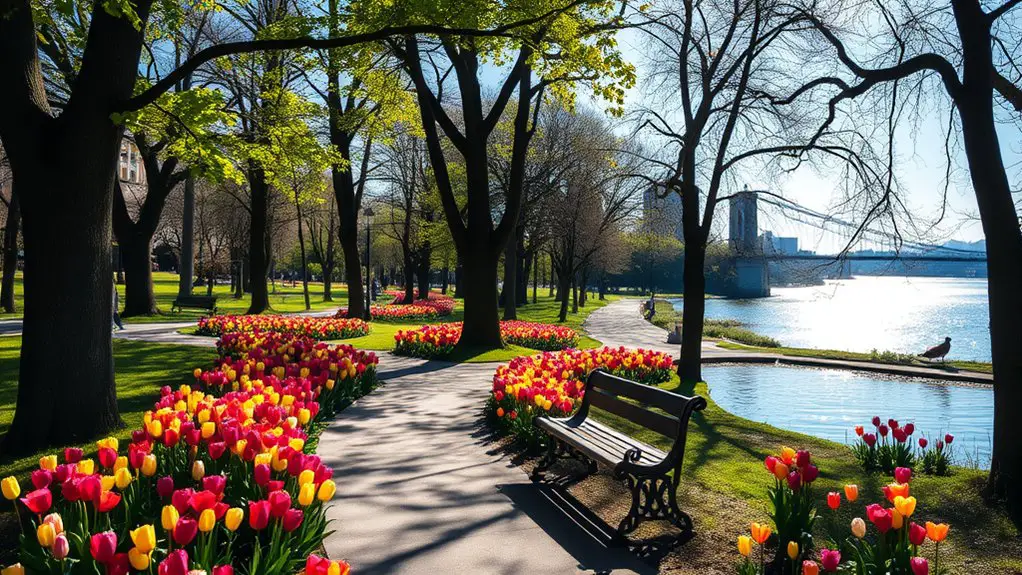
After a morning among historic streets and monuments, Emirgan Park offers a completely different side of Istanbul. The large Bosphorus-side park in Sarıyer has walking paths, picnic areas, mature trees, a pond, and historic pavilions.
Spring is the standout season. According to GoTürkiye’s Emirgan Park guide, the park is one of the main venues for the Istanbul Tulip Festival, with formal gardens filling with colorful tulips in April.
Nestled by the Bosphorus, Emirgan Park combines colorful seasonal gardens with shady paths and historic pavilions, making it one of the easiest places to slow down after Istanbul’s busy sightseeing districts.
You can sit beneath the trees, follow the paths uphill, stop near the pond, or look for Bosphorus views between the greenery. The Yellow, White, and Pink pavilions add another historical layer to the park.
Keep in mind that tulip season is not necessarily quiet season. April displays can attract large crowds, especially on pleasant weekends, so an early weekday visit usually feels more relaxed.
Fener: Istanbul’s Greek Orthodox Heritage on the Golden Horn
Fener sits directly beside Balat, but the two neighborhoods have different historical identities. Fener became closely associated with Istanbul’s Greek Orthodox community and remains home to the Ecumenical Patriarchate.
Its key landmark is the Patriarchal Church of St. George. The current church became the seat of the Ecumenical Patriarchate around the turn of the 17th century and remains an active place of worship.
As you explore Fener’s narrow streets, look for:
- The Patriarchal Church of St. George and the Ecumenical Patriarchate complex.
- The red-brick Phanar Greek Orthodox College rising dramatically above the neighborhood.
- Older houses, steep lanes, small cafés, and views toward the Golden Horn.
- The nearby Bulgarian St. Stephen Church, another striking piece of the district’s Christian heritage.
Stop for Turkish coffee or tea rather than rushing from landmark to landmark. Fener rewards slow walking because many of its most memorable details sit between the better-known buildings.
Because churches here remain living religious spaces rather than theme attractions, dress respectfully, keep voices low during services, and follow any photography restrictions posted at the entrance.
Kadıköy: A Vibrant District With Local Flavors
If you want to see Istanbul beyond its historic peninsula, take a ferry to Kadıköy on the Asian side. The district combines traditional markets with cafés, restaurants, independent shops, music, nightlife, and contemporary street culture.
Start around Kadıköy Market, where produce sellers, fishmongers, delicatessens, bakeries, pickle shops, cheese counters, and casual eateries turn an ordinary walk into a food tour.
Then head toward Yeldeğirmeni. GoTürkiye highlights the neighborhood’s creative street art, cafés, and cultural scene, including murals around streets near the district.
The local markets create an irresistible sensory experience, but you do not need a checklist. Browse slowly, taste what looks fresh, and leave space for spontaneous stops.
In the evening, Kadıköy becomes one of Istanbul’s liveliest social areas. Cafés, restaurants, bars, and music venues stay active well after the historical attractions on the European side have quieted down.
For food, try market meze, seafood, cheeses, olives, pastries, and seasonal dishes. Midye dolma, or stuffed mussels, and simit are popular Istanbul street foods you can also find here. Kumpir, baklava, and Turkish ice cream are widely available around the city rather than being unique to Kadıköy.
Kuzguncuk: A Quieter Bosphorus Neighborhood
For a calmer Asian-side alternative to Kadıköy, continue toward Kuzguncuk in Üsküdar. The neighborhood feels unusually compact for Istanbul, with colorful wooden houses, small cafés, gardens, antique shops, and the Bosphorus only a short walk away.
GoTürkiye describes Kuzguncuk as a neighborhood shaped by centuries of multicultural life. Churches, synagogues, and mosques stand remarkably close together, reflecting the communities that have shared the area over time.
It is a good choice when you want historic architecture without Balat’s busiest photo streets. Walk the main lanes, stop for tea, and then continue to the waterfront or nearby Üsküdar.
Yıldız Park: A Green Retreat Near Beşiktaş
Emirgan is not the only place to escape Istanbul’s traffic and stone streets. Yıldız Park sits much closer to Beşiktaş and is easy to combine with a Bosphorus or palace day.
GoTürkiye’s Yıldız Park guide describes wooded paths, ponds, pavilions, gardens, and Bosphorus views within what was once connected to the wider Yıldız Palace grounds.
The paths rise and fall through thick greenery, so even though you are still in central Istanbul, parts of the park feel surprisingly removed from the surrounding streets. It is especially useful when you want a quiet hour without dedicating half a day to reaching a distant attraction.
Zeyrek: Historic Streets Beyond the Main Tourist Route
Zeyrek is a strong choice for travelers more interested in urban history than colorful cafés. The district forms part of Istanbul’s UNESCO-listed historic areas and preserves a mix of monumental architecture and traditional urban fabric.
Its best-known landmark is Zeyrek Mosque, the former Pantocrator monastery complex. Around it, steep streets and surviving timber houses hint at an older residential Istanbul that has disappeared from many other central districts.
This is not a polished sightseeing zone, which is part of the appeal. Visit in daylight, be respectful of residents, and treat the neighborhood as a living historic district rather than an open-air museum.
How to Plan Istanbul’s Hidden Gems by Area
Istanbul is much larger than it appears on a tourist map. Trying to visit Emirgan, Balat, and Kadıköy in rapid succession can leave you spending more time in transit than exploring.
A more practical approach is to group places geographically:
- Golden Horn day: Fener, Balat, and Kariye Mosque. Add Zeyrek if you still have time and energy.
- Asian-side day: Kadıköy and Moda, or pair Üsküdar with Kuzguncuk for a slower trip.
- Bosphorus and parks day: Yıldız Park works naturally with Beşiktaş, while Emirgan is better combined with sights farther north along the Bosphorus.
For Fener and Balat, the T5 tram is particularly useful because it stops at both neighborhoods. For cross-Bosphorus trips, municipal ferries are often as much a part of the experience as the destination.
An Istanbulkart or supported mobile fare option makes public transport easier across much of the network. Always check the relevant operator’s current timetable before relying on a particular ferry or late-evening connection.
Pro Tip: Plan Istanbul by neighborhood, not by attraction ranking. Two places that look close on a simplified map can require a slow transfer, while several sights in the same district may be only a few minutes apart on foot.
Frequently Asked Questions
What is the best time of year to visit these hidden gems?
Spring and early autumn are excellent for walking because temperatures are generally more comfortable than midsummer. April is especially appealing at Emirgan Park because of the tulip displays. Crowd levels vary, however, and sunny spring weekends can be busy in popular neighborhoods and parks.
Are there guided tours available for these neighborhoods?
Yes. Walking tours commonly cover Fener and Balat, while private guides may combine them with Kariye or other parts of the historic peninsula. A good guide is most valuable when you want historical context for religious buildings and neighborhood history. Check recent reviews, the exact itinerary, group size, and what entrance fees are included before booking.
How can I get to these locations using public transport?
Use Istanbulkart across much of the city’s public-transport network and plan each district separately. Metro İstanbul’s T5 tram serves both Fener and Balat. Kadıköy is easy to reach by ferry from several European-side piers. Kuzguncuk is reached through Üsküdar and nearby bus connections, while Emirgan generally requires travel farther north along the European Bosphorus. Check current operator schedules on the day you travel.
Are these areas safe for solo travelers?
Many solo travelers visit these districts without problems, but use normal big-city precautions rather than assuming any neighborhood is risk-free. Keep valuables secure in crowded transport and markets, avoid isolated streets late at night, and stay away from demonstrations. The U.S. State Department’s current Türkiye guidance advises increased caution and specifically notes theft, scams, demonstrations, and risks affecting travelers alone at night.
What local dishes should I try in Kadıköy?
Start in Kadıköy Market with meze, fish, cheeses, olives, pickles, pastries, and seasonal dishes. Midye dolma, or stuffed mussels, and sesame-coated simit are easy street-food choices. You can also find kumpir, baklava, and Turkish ice cream, although those foods are popular across Istanbul rather than unique to Kadıköy.
Is Chora Church still a church or museum?
The monument is officially Kariye Mosque today and functions as an active mosque. It is the former Church of the Holy Saviour in Chora and remains internationally famous for its Byzantine mosaics and frescoes. Visitors should follow current mosque access rules and check for prayer-time restrictions before arriving.
Which Istanbul hidden gems are easiest to combine in one day?
Fener and Balat are the easiest pair because they border each other, and Kariye can be added to the same general Golden Horn and Fatih outing. On the Asian side, Kadıköy works well as a longer food-and-culture visit, while Üsküdar and Kuzguncuk form another natural pairing. Emirgan is better saved for a Bosphorus-focused day.
Conclusion
Exploring Istanbul’s hidden gems gives you a broader picture of the city than the major monuments alone. Balat and Fener reveal layers of minority and religious heritage, Kariye preserves remarkable Byzantine art within an active mosque, and Zeyrek opens a window onto older residential Istanbul. Across the Bosphorus, Kadıköy and Kuzguncuk show two very different sides of everyday life.
Emirgan and Yıldız parks add the quieter green spaces that a busy Istanbul itinerary often needs. Rather than racing between all of them, choose a few places in the same part of the city, leave time to walk, and let the neighborhoods themselves become part of the experience.
Sources
- UNESCO World Heritage Centre — Historic Areas of Istanbul — Kariye, Zeyrek, Byzantine artwork, and World Heritage context.
- Türkiye Culture Portal — Kariye Camii — official monument history and current mosque status.
- Metro İstanbul — T5 Eminönü–Alibeyköy Tram Line — current Fener and Balat tram access.
- GoTürkiye — Emirgan Park, Kadıköy, Kuzguncuk, and Yıldız Park — official destination information for parks, neighborhoods, street art, and cultural context.
- Ecumenical Patriarchate — Patriarchal Church of St. George — official information on the Fener patriarchal church.
- U.S. Department of State — Türkiye Travel Advisory — current traveler-safety guidance.
