
Last Updated on July 27, 2026 by Daniel Globe
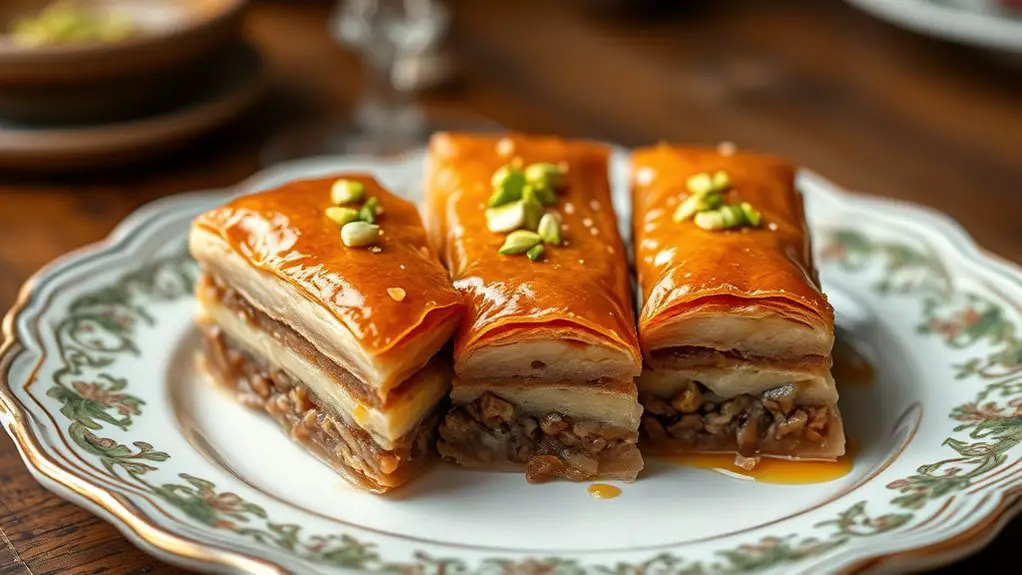
Istanbul’s Historic Peninsula is packed with dessert counters, but finding memorable baklava takes more than choosing the busiest display near a landmark. For a better starting point, focus on established shops whose locations and histories can actually be verified. Dedeoğlu Baklavaları in Gedikpaşa, Hafız Mustafa 1864 in Sultanahmet, and Çiğdem Pastanesi on Divanyolu each offer a different way to taste baklava while exploring Istanbul’s Old City.
Quick Answer
For baklava in Istanbul’s Old City, start with Dedeoğlu Baklavaları in Gedikpaşa, Hafız Mustafa 1864 in Sultanahmet, and Çiğdem Pastanesi on Divanyolu. Dedeoğlu is a long-running baklava specialist, Hafız Mustafa offers a broad historic dessert experience, and Çiğdem combines classic baklava with an old-school neighborhood patisserie atmosphere.
Key Takeaways
- Dedeoğlu Baklavaları Gedikpaşa is the strongest choice for travelers who want a dedicated baklava shop with a documented Istanbul history dating to 1957.
- Hafız Mustafa 1864 is the most famous of the three and offers a large selection of baklava, kadayıf, lokum and other Turkish desserts.
- Çiğdem Pastanesi is a long-running Sultanahmet patisserie where you can pair classic or home-style baklava with tea or coffee.
- Traditional Turkish baklava is typically built around thin dough, clarified butter, nuts and sugar syrup rather than honey-heavy or floral syrup.
- For the best comparison, buy one or two pieces at a time instead of committing immediately to a large mixed box.
Disclosure: As an Amazon Associate I earn from qualifying purchases. Some links on this page are affiliate links, at no extra cost to you.
First, Know What Istanbul’s “Old City” Means
Istanbul’s Old City generally refers to the Historic Peninsula in Fatih, the walled-city area that contains Sultanahmet, the Grand Bazaar, Eminönü, Sirkeci, Beyazıt and many of the city’s best-known historic sights. Fatih Municipality describes the district as occupying the entire Historic Peninsula.
That distinction matters when choosing a baklava shop. Beyoğlu, Taksim, İstiklal Avenue and Asmalı Mescit are important parts of central Istanbul, but they are across the Golden Horn and are not part of the Historic Peninsula.
Note: Istanbul businesses can change opening hours, menus and branch details. Check the shop’s current information before making a special trip, especially on public holidays.
Dedeoğlu Baklavaları Gedikpaşa: A Genuine Old City Classic
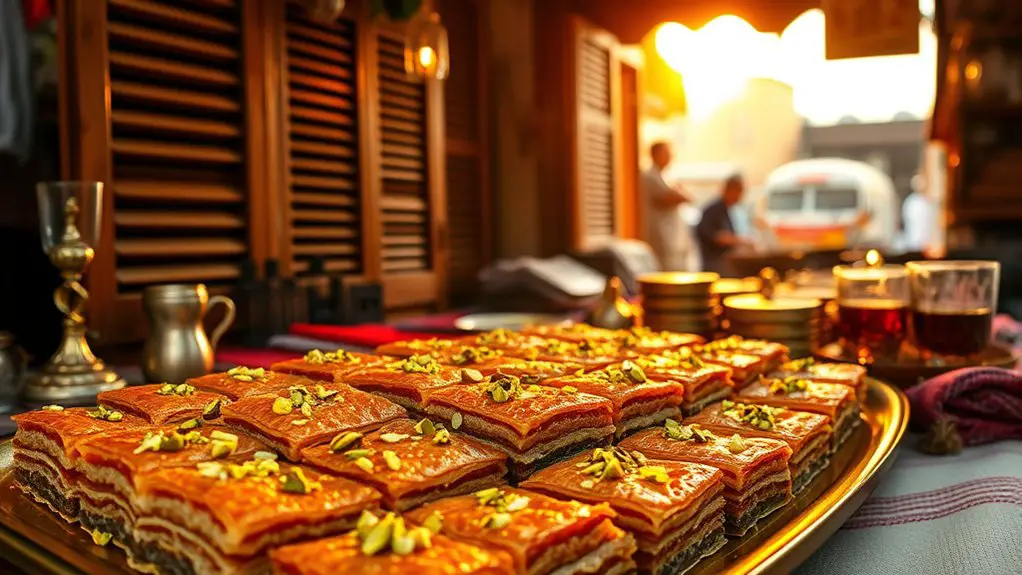
Dedeoğlu Baklavaları gives the original article’s family-tradition theme a much firmer factual foundation. According to the company’s history, founder Ali Tüfekçi began making baklava in Ankara in 1952 and opened his first Istanbul branch in Gedikpaşa in 1957. The business says the craft has continued through three generations.
The current Gedikpaşa shop is listed by the company on Gedikpaşa Caddesi in Beyazıt/Fatih, placing it inside Istanbul’s Historic Peninsula and within walking distance of the Grand Bazaar area.
This is the stop to prioritize when baklava itself is the main event. Rather than ordering the largest assortment immediately, begin with a classic pistachio or walnut piece. That gives you a better sense of the pastry, butter, nut filling and syrup before you move into richer varieties.
If several shapes are available, ask staff what each one contains. Names such as midye, havuç dilimi and different rolled forms can indicate differences in shape, filling ratio and richness even when the basic ingredients are similar.
Good Turkish baklava should let you taste the pastry, butter and nuts separately; syrup should support those ingredients rather than bury them.
Hafız Mustafa 1864: The Historic Institution
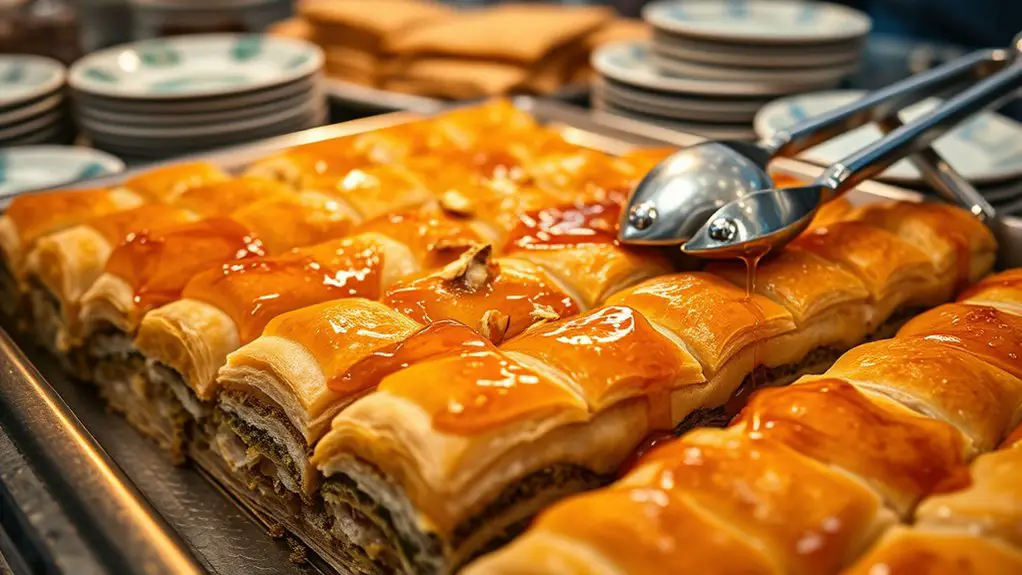
Hafız Mustafa 1864 is not exactly a hidden gem anymore, but its documented history makes it difficult to leave out of an Old City dessert guide. The company traces its beginnings to Bahçekapı in 1864, when Hacı İsmail Hakkı Bey established the confectionery before his son Hafız Mustafa took over.
For travelers staying around Sultanahmet, the company has a branch on Divanyolu in Fatih as well as other Historic Peninsula locations. Its range stretches well beyond baklava to kadayıf, Turkish delight, puddings, cakes and other sweets, making it useful when a group wants to sample several styles at once.
For a first tasting, classic pistachio baklava is the easiest reference point. After that, compare it with a walnut version or one of the richer shaped varieties. Modern products such as chocolate or milk-based baklava can be enjoyable, but they should not be confused with the basic profile of traditional Turkish baklava.
Hafız Mustafa’s published ingredient information is also useful for understanding what is commonly inside commercial Turkish baklava. Its classic pistachio version lists ingredients including wheat flour, wheat starch, sugar, butter, egg, pistachio, milk, semolina, salt and lemon juice.
Çiğdem Pastanesi: A Sultanahmet Patisserie Stop
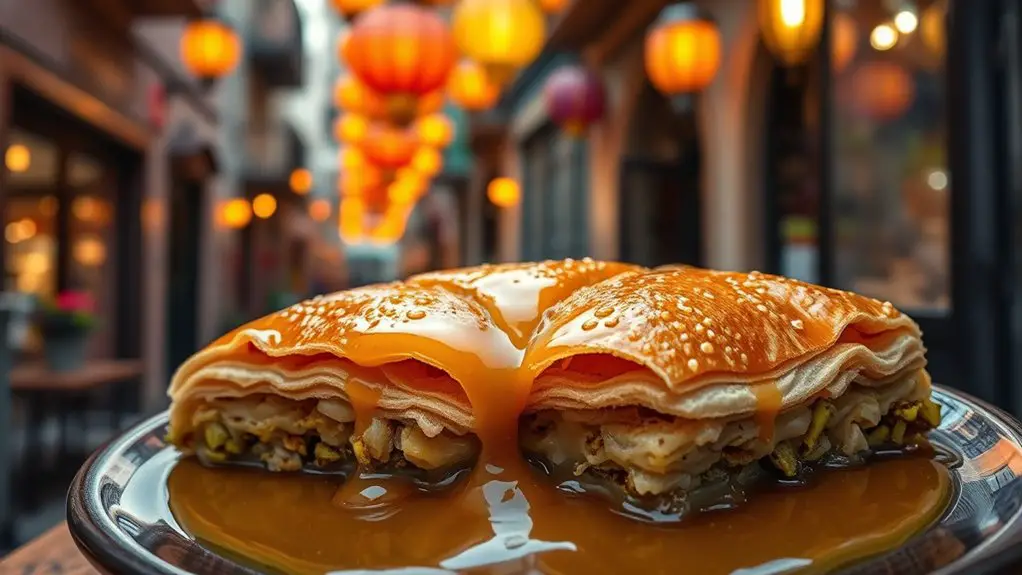
Çiğdem Pastanesi offers a different experience from a dedicated baklavacı. The patisserie is on Divanyolu in Fatih, close to Sultanahmet’s major sights, and its official menu includes both classic baklava and ev baklavası, or home-style baklava.
The business describes itself as a long-running, three-generation patisserie with more than half a century of history. Alongside baklava, its counters cover cakes, pastries, milk desserts and savory baked goods.
That makes Çiğdem a useful stop when you want baklava as part of a broader Turkish pastry break rather than a dedicated tasting session. Order a piece with Turkish tea or coffee and compare its texture with the specialist-style baklava you tried elsewhere.
Pro Tip: Taste baklava in small portions at two or three shops rather than buying a kilogram at your first stop. A side-by-side comparison makes differences in pastry crispness, nut flavor, butter and syrup much easier to notice.
What Makes Traditional Turkish Baklava Different?
Recipes vary across Turkey and neighboring cuisines, so there is no single recipe for every tray sold in Istanbul. However, the official description of Antep Baklavası provides a useful benchmark: very thin dough layers, clarified butter, pistachios and syrup are central to the protected Gaziantep style.
Turkey’s Ministry of Culture and Tourism also publishes a Turkish baklava recipe using a syrup made from sugar, water and lemon juice. That is why describing honey, rose water or orange-blossom water as defining features of Istanbul baklava is misleading. Those flavors exist in other baklava traditions and individual recipes, but they are not required for classic Turkish baklava.
How to Choose Good Baklava in Istanbul
You do not need to be a pastry expert to make a better choice. Look at a few simple details before ordering:
- Look for distinct layers. The top should appear thin and crisp rather than compressed into a dense slab.
- Check the nut filling. Pistachio or walnut should look fresh and taste clearly of the nut itself.
- Watch the syrup. Baklava should be sweet, but a piece swimming in syrup can lose much of its flaky texture.
- Ask what was made recently. Production schedules vary by shop, so asking is more reliable than assuming morning or afternoon is always freshest.
- Start with a classic variety. Pistachio or walnut baklava gives you a better baseline before you try chocolate, milk-based or other modern versions.
What Should You Order First?
For a simple three-piece tasting, start with:
- Classic pistachio baklava for the familiar Gaziantep-influenced combination of thin pastry, butter, pistachio and syrup.
- Walnut baklava to compare the warmer, earthier flavor of walnuts with pistachios.
- One shop specialty, such as a rolled, midye-shaped or home-style piece, so you can see how texture changes with shape and filling ratio.
Cold baklava and chocolate versions can be worth trying too, but they are better treated as separate styles instead of benchmarks for classic baklava.
Warning: Baklava commonly contains wheat and tree nuts, and many recipes also use butter, milk or egg. People with food allergies should ask the shop about the exact product and possible cross-contact before ordering.
Frequently Asked Questions
What ingredients make Turkish baklava distinctive?
Classic Turkish baklava generally combines very thin pastry with butter or clarified butter, pistachios or walnuts, and sugar syrup. Recipes differ by region and maker. Honey, rose water and orange-blossom water occur in some baklava traditions, but they are not defining requirements of classic Turkish baklava.
How should baklava be stored for freshness?
Follow the maker’s storage instructions because recipes vary. Traditional syrup baklava is often sold for short-term storage in a cool, dry place away from sunlight, while milk- or cream-based varieties may need different handling. Hafız Mustafa, for example, tells customers receiving certain shipped baklavas to keep them away from sunlight, store them at room temperature and consume them within 72 hours after receipt.
Is baklava suitable for vegetarians and vegans?
Traditional baklava is commonly suitable for ovo-lacto vegetarians, but it is usually not vegan because many recipes contain butter and sometimes milk or egg. Vegan versions do exist, so ask the bakery about the exact ingredients rather than assuming every tray uses the same recipe.
Can baklava be shipped internationally?
Yes, some Istanbul confectioners offer international shipping on selected baklava products. Hafız Mustafa currently lists internationally shipped boxes through its online shop. Availability, shipping time and customs restrictions depend on the destination, so confirm those details with the seller before ordering.
What is the best time to visit a baklava shop in Istanbul?
There is no universal hour when every shop’s baklava is freshest. Production schedules differ. Visit outside the busiest sightseeing and after-dinner periods if you prefer a quieter experience, and ask staff which baklava was made most recently rather than relying on a fixed time of day.
Is Asmalı Mescit part of Istanbul’s Old City?
No. Asmalı Mescit is in Beyoğlu, north of the Golden Horn. Istanbul’s Historic Peninsula, commonly called the Old City, is in Fatih and includes areas such as Sultanahmet, Sirkeci, Eminönü and Beyazıt.
Should I buy pistachio or walnut baklava?
Try both if possible. Pistachio baklava has a brighter, distinctive nut flavor, while walnut baklava tastes deeper and earthier. Buying one or two pieces of each is a better way to learn your preference than starting with a large box.
Conclusion
For a reliable baklava route through Istanbul’s Old City, begin with Dedeoğlu Baklavaları in Gedikpaşa, try the wide dessert selection at Hafız Mustafa 1864, and stop at Çiğdem Pastanesi for a classic Sultanahmet patisserie experience. More importantly, taste slowly: compare pistachio with walnut, pay attention to the pastry and syrup, and ask what was made recently. That approach reveals far more about Istanbul’s baklava tradition than choosing a shop simply because its window looks impressive.
Sources
- Fatih Municipality — Fatih Today — defines Fatih and Istanbul’s Historic Peninsula.
- Dedeoğlu Baklava — Company History — supports the 1952 founding history, 1957 Gedikpaşa opening and generational background.
- Hafız Mustafa 1864 — About Us — supports the company’s founding in Bahçekapı in 1864.
- Hafız Mustafa 1864 — Classic Pistachio Baklava — ingredient, allergen, storage and shipping information.
- Çiğdem Pastanesi — confirms its Sultanahmet location and baklava selection.
- Republic of Türkiye Ministry of Culture and Tourism — Antep Baklavası — official description of traditional Antep baklava and its characteristic ingredients.
