
Last Updated on July 25, 2026 by Daniel Globe
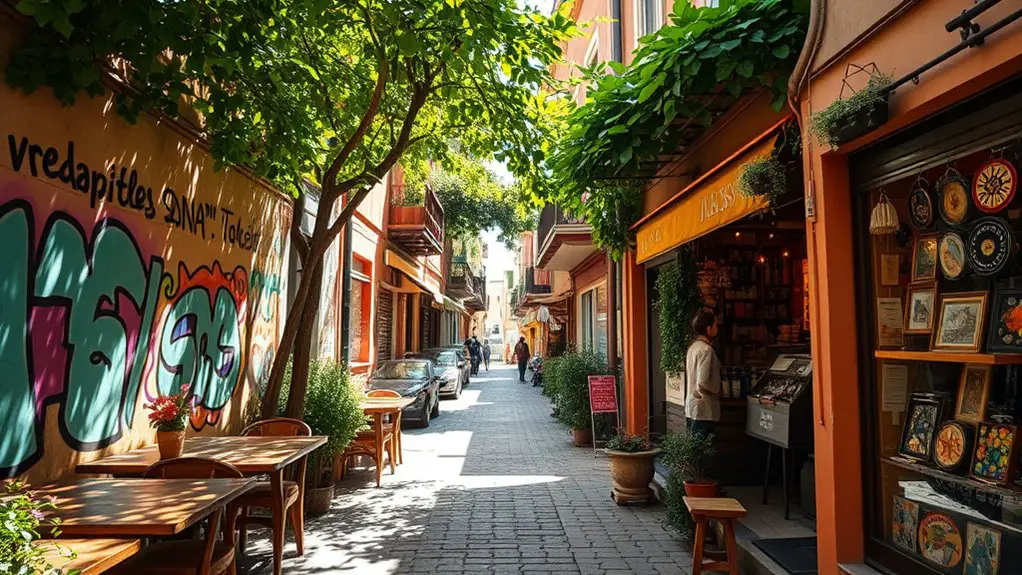
Karaköy rewards travelers who slow down. Beyond the waterfront crowds, you can find century-old religious buildings, former bank halls turned cultural spaces, specialty coffee, traditional food, changing street art, and narrow lanes where workshops sit beside modern design shops. The best way to explore is on foot, while treating nearby Galata and Tophane as separate but easy add-ons.
Quick Answer
The best hidden gems in Karaköy include SALT Galata, Surp Krikor Lusavoriç Armenian Church, the lanes around Bankalar Caddesi, specialty coffee at Karabatak, changing street art near Hoca Tahsin Street, traditional food at Karaköy Lokantası, and the waterfront around Galataport. Allow at least half a day to explore without rushing.
Key Takeaways
- Karaköy mixes working streets, historic religious buildings, coffee shops, galleries, restaurants, and waterfront spaces within a compact area.
- For history, explore Bankalar Caddesi, Surp Krikor Lusavoriç Church, SALT Galata, and the nearby Kamondo Stairs.
- For contemporary culture, combine SALT Galata with DEPO, Istanbul Modern, or the Istanbul Museum of Painting and Sculpture.
- Street art changes quickly, so explore Hoca Tahsin Street, Hacımimi, Mumhane, and the Perşembe Pazarı side streets instead of searching for one supposedly permanent mural.
- Karaköy is easy to reach by T1 tram and ferry, but steep hills, steps, and uneven older streets can make some walking routes harder for travelers with limited mobility.
Note: Karaköy, Galata, and Tophane blend together on many tourist maps, but they are not the same place. Galata Tower sits uphill in Galata, while Istanbul Modern and much of Galataport extend toward Tophane. This guide includes nearby stops only when they are practical to combine with a Karaköy walk.
Disclosure: As an Amazon Associate I earn from qualifying purchases. Some links on this page are affiliate links, at no extra cost to you.
Artisanal Cafes to Savor
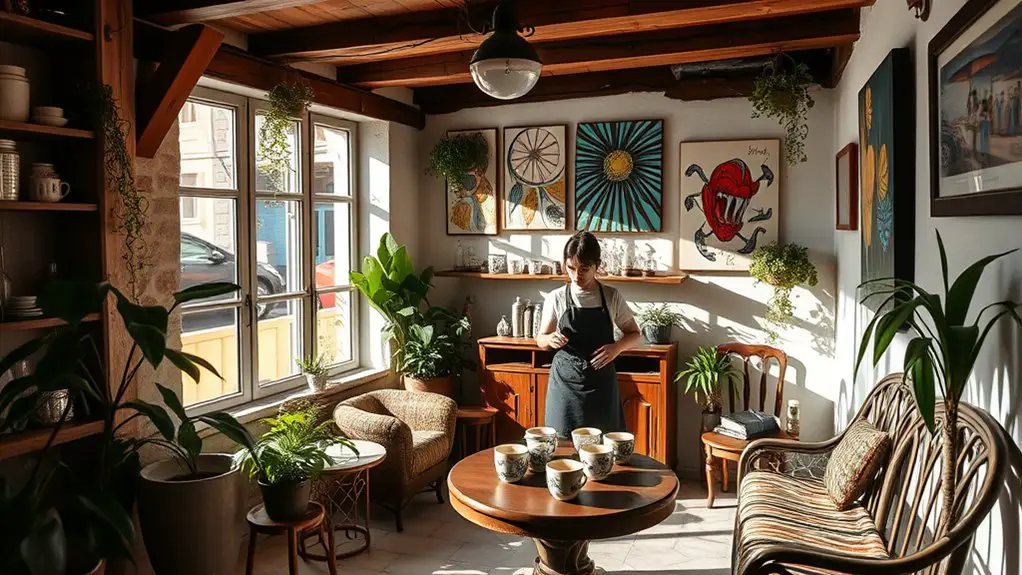
Karaköy has been closely associated with Istanbul’s modern café culture, but not every coffee shop serves the same style. Some focus on espresso and filter coffee, while others lean toward Turkish coffee, tea, pastries, or brunch.
A dependable place to start is Karabatak Karaköy on Kara Ali Kaptan Sokak. The café occupies a former workshop area and has been part of Karaköy’s café scene since 2011.
For coffee inside a cultural stop, SALT Galata combines exhibitions, a research library, the Robinson Crusoe 389 bookstore, and a café in the former Imperial Ottoman Bank building. It works especially well when you want a quieter break from the streets.
Istanbul Modern also has visitor facilities on the waterfront, making it easy to pair an art visit with coffee and a Bosphorus walk.
In Karaköy, the most memorable coffee break often comes from the setting as much as the drink: a former workshop, an old bank building, or a side street between historic façades.
Instead of choosing a café only because it appears on an old “best of” list, look at the current menu and atmosphere. Karaköy’s independent businesses change more quickly than its historic landmarks.
Unique Boutiques and Shops
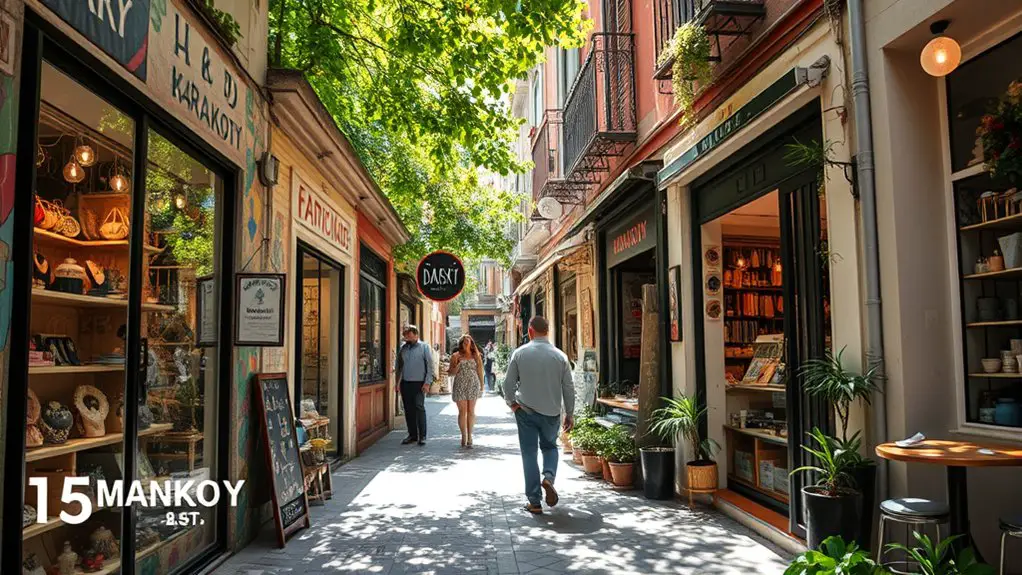
After coffee, spend time on the streets between Kemankeş, Mumhane, Hacımimi, and Bankalar Caddesi. Karaköy’s retail mix changes often, so browsing is more rewarding than following a rigid list of shops from several years ago.
| Type of Stop | What to Look For |
|---|---|
| Independent Design Shops | Small-batch accessories, prints, ceramics, stationery, and locally designed goods |
| Vintage and Secondhand | Clothing, objects, records, and decorative pieces; individual stores change frequently |
| SALT Galata Bookstore | Art, architecture, design, history, and cultural publications inside SALT Galata |
Part of Karaköy’s character comes from the contrast between new retail and older trade streets. Look beyond polished storefronts and you will still find hardware suppliers, workshops, repair businesses, and commercial buildings that reflect the district’s long working history.
Pro Tip: Treat shopping here as a street-by-street discovery. A small boutique that is worth visiting today may move or close long before a historic landmark does, so confirm any specific store shortly before your trip.
Historical Landmarks Off the Beaten Path
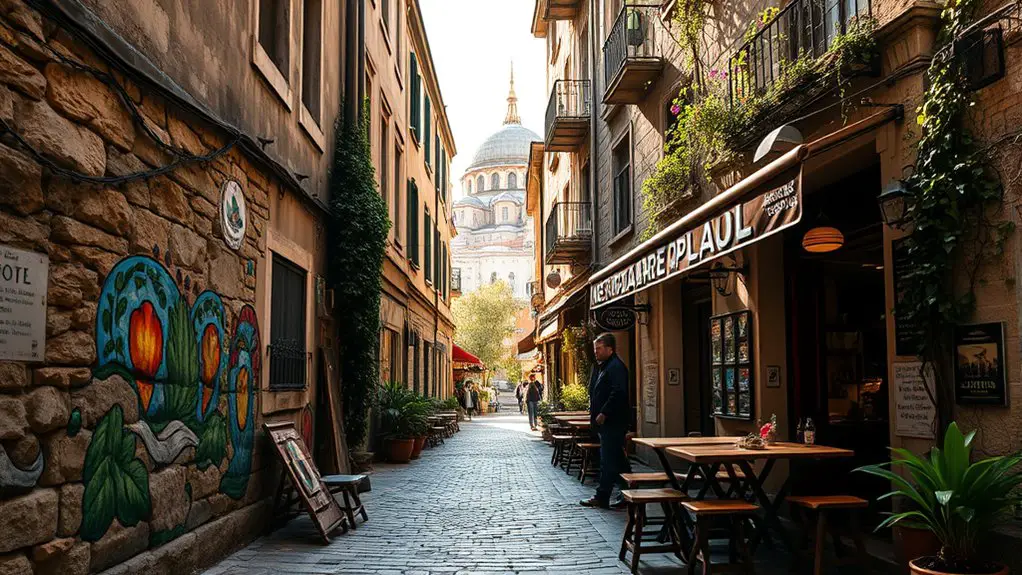
Karaköy’s deeper appeal comes from its layered commercial and religious history. Ottoman-era banking buildings, Armenian churches, mosques, warehouses, and steep connecting streets sit within a short walk of one another.
Lesser-Known Churches
Religious buildings are active places of worship rather than ordinary tourist attractions. Opening hours can be limited, services take priority, and access may change without notice.
- Surp Krikor Lusavoriç Armenian Church: The Armenian Patriarchate documents this historic Galata/Karaköy church, whose roots are tied to the medieval Armenian community of the area. Its conical dome and long history make it one of the most meaningful religious stops near Kemeraltı Caddesi.
- Surp Pırgiç Armenian Catholic Church: The Armenian Catholic Patriarchate lists Surp Hisus Pırgiç on Kemeraltı Caddesi in Karaköy. It is another reminder of the district’s diverse Christian heritage.
- St. Anthony of Padua: This famous Catholic church is worth seeing on a wider Beyoğlu itinerary, but it is not in Karaköy. It stands on İstiklal Avenue, so save it for an uphill Galata–İstiklal walk rather than treating it as a Karaköy hidden gem.
Respectful Visit: Dress modestly, keep voices low, avoid photographing worshippers without permission, and do not assume a church or mosque will be open simply because an online map lists business hours.
Kamondo Stairs and Bankalar Caddesi
Bankalar Caddesi, historically associated with banks and finance, is one of the best streets for seeing Karaköy’s architectural layers. SALT Galata occupies the former Imperial Ottoman Bank headquarters, a late-19th-century building designed by Alexandre Vallauri.
Nearby, the Kamondo Stairs climb toward Galata. The curving 19th-century staircase was commissioned by the prominent Camondo banking family and makes a natural transition between lower Karaköy and the streets above.
Museums and Cultural Spaces
Instead of searching for vaguely named “hidden museums,” focus on cultural institutions with collections that reveal different sides of Istanbul.
- SALT Galata: Free cultural institution with temporary exhibitions, SALT Research, a bookstore, and a permanent presentation connected with the Ottoman Bank Museum Collection.
- Istanbul Modern: Türkiye’s major modern and contemporary art museum stands on the waterfront in neighboring Tophane, within easy walking distance of central Karaköy. Check official museum information for current hours and exhibitions.
- Istanbul Museum of Painting and Sculpture: Also beside the Galataport cultural area, the museum traces Turkish painting and sculpture from the late Ottoman era through the 20th century.
Allow time rather than trying to rush through all three. SALT is especially easy to combine with the historic Bankalar Caddesi area, while the two larger museums work better as dedicated cultural stops.
Local Art Galleries and Cultural Spaces to Explore
Karaköy’s contemporary-art geography has shifted over the years. Some galleries once strongly associated with the neighborhood have moved, so older travel lists can be misleading.
For a current route, begin at SALT Galata. Then walk toward Tophane for DEPO İstanbul, an independent culture and arts space inside a former tobacco warehouse. Its program includes exhibitions, screenings, talks, and socially engaged projects.
Continue toward Istanbul Modern if you want a larger museum experience. Together, these stops show how the area ranges from archival research and experimental projects to major modern and contemporary exhibitions.
Pi Artworks remains an active Istanbul gallery, but its current Istanbul activity should not be described as a Karaköy stop without checking its latest venue information first.
A Half-Day Hidden Gems Walk Through Karaköy
A practical route makes these places easier to understand than visiting them in random order.
- Start near Karaköy Pier. Take in the waterfront and the entrance to the Galata Bridge.
- Walk into the older commercial streets. Explore the lanes around Perşembe Pazarı, Mumhane, and Hacımimi.
- Continue to Bankalar Caddesi. Visit SALT Galata and pause at the Kamondo Stairs.
- Loop back through the café streets. Stop at Karabatak or another café that matches your preferred coffee style.
- Have lunch or an early dinner. Choose a traditional restaurant or a casual local stop rather than trying to sample everything at once.
- Finish along the waterfront. Walk toward Galataport, Istanbul Modern, and Tophane if you still have time and energy.
Pro Tip: Karaköy looks small on a map, but museum visits, coffee stops, steep streets, and photography can easily turn a two-hour walk into half a day. Build in time to wander.
Scenic Spots for Waterfront and City Views
Karaköy’s strongest views come from the meeting point of the Golden Horn and the Bosphorus rather than from one secret viewpoint.
The Galataport waterfront provides an easy pedestrian walk beside the water, with views toward the Historic Peninsula and across the Bosphorus.
At SALT Galata, the first floor looks toward the Golden Horn and Historical Peninsula, giving you a different perspective from the waterfront.
Galata Tower provides a much higher panorama, but remember that it sits uphill in Galata and is one of Istanbul’s best-known attractions rather than a hidden Karaköy spot.
For a relaxed Karaköy sunset, you do not need a “secret” rooftop: walking the public waterfront can be just as rewarding and requires no reservation.
Rooftop venues also change names and operators more frequently than historic sights. When you specifically want a rooftop drink, verify the venue and reservation policy on the day you go.
Restaurants and Local Food Worth Seeking Out
Karaköy can satisfy both traditional-food seekers and travelers who prefer modern dining, but fixed menu claims age quickly. Focus on established places and check the current menu before arriving.
- Karaköy Lokantası: This established Karaköy restaurant remains listed by the Michelin Guide for Turkish and Mediterranean cooking. Mezze, sharing dishes, and traditional flavors are a stronger reason to visit than chasing one dish that may not always appear on the menu.
- Karaköy Güllüoğlu: For something sweet, the long-running Karaköy baklava shop traces its Istanbul presence to 1949. It is famous rather than hidden, but its deep neighborhood connection earns it a place on a Karaköy food walk.
- Small soup and tradesmen’s restaurants: The surrounding commercial streets still offer casual Turkish food beyond destination restaurants. Menus and operators change, so this is one category where walking around at lunchtime often works better than relying on an old list.
A good Karaköy food day does not need to be elaborate: coffee in a side street, a simple lunch, and baklava before or after a waterfront walk can give you a better sense of the neighborhood than moving between several reservation-heavy restaurants.
Vibrant Street Art to Discover
Karaköy’s walls, shop shutters, stickers, posters, and graffiti add color to the district, but street art is temporary by nature. Paint gets covered, shutters change owners, and new work can appear between visits.
Where the Street Art Changes Fast
Do not plan a trip around supposedly permanent works such as a “Fish Market Mural,” “Hands of Unity,” or “Urban Jungle” unless you can verify that they still exist. A better strategy is to explore streets where painted shutters and walls have appeared repeatedly.
Hoca Tahsin Street and nearby lanes have long been associated with colorful façades, umbrellas, cafés, and street art. The exact appearance changes, which is part of the appeal.
You can also wander through Hacımimi and Mumhane and toward the working streets around Perşembe Pazarı and Arap Camii. Some of the most interesting pieces are visible only when shop shutters are closed.
Local Artists’ Contributions
Street art here works differently from a museum collection. Some pieces are commissioned by businesses, others are informal graffiti or temporary interventions, and many disappear as façades are renovated.
Rather than searching only for famous artist names, look at how painted shutters, typography, stickers, old trade signs, and contemporary murals share the same streets. That mix reflects Karaköy’s ongoing transition from a working port and commercial district into a major visitor and cultural area.
Best Streets to Explore
- Hoca Tahsin Street: A compact area for colorful façades, cafés, and changing street decoration.
- Hacımimi and Mumhane side streets: Good for combining street art with cafés, design businesses, workshops, and older commercial buildings.
- Perşembe Pazarı and the Arap Camii area: A grittier working part of the district where industrial shops, shutters, signs, and graffiti create a very different atmosphere from Galataport.
Because the art changes, arriving without a fixed checklist can actually produce a better experience.
Practical Tips for Visiting Karaköy
Getting there: The T1 Kabataş–Bağcılar tram serves Karaköy and connects the neighborhood with Eminönü, Sultanahmet, and other central areas. Karaköy is also an active ferry stop, including services connecting with the Asian side.
Current Tünel note: An IETT notice dated June 26, 2026 suspended the F2 Karaköy–Beyoğlu Historic Tünel from June 28 until further notice. Check current IETT information before relying on the funicular for your uphill route.
Accessibility: Metro Istanbul states that the T1 uses low-floor vehicles and accessible station ramps. The harder part can be the neighborhood itself. Older paving, steep slopes toward Galata, steps such as the Kamondo Stairs, and crowded sidewalks may require route adjustments.
Best time: Weekday mornings are usually the easiest time for relaxed street photography and café stops. The waterfront becomes livelier later in the day, particularly around sunset and on weekends.
How long to allow: Two hours is enough for a quick walk, but four to six hours is more realistic when you include SALT, lunch, coffee, street exploration, and part of the waterfront.
Frequently Asked Questions
What is the best time to visit Karaköy for fewer crowds?
Weekday mornings are usually the calmest choice for walking the side streets, taking photos, and getting a café table. Weekends and late afternoons tend to feel busier, especially around Galataport and the waterfront. Festivals and major events can increase rather than reduce crowds.
Are there guided tours available in the Karaköy area?
Yes. Private walking and food tours regularly cover Karaköy, Galata, and the surrounding Beyoğlu area. Istanbul Modern also offers museum tours. For commercial neighborhood tours, check the most recent itinerary and reviews because routes and operators change.
Is public transportation accessible in and around Karaköy?
Karaköy is well connected by the T1 tram and ferries, and Metro Istanbul states that T1 stations use low-floor vehicles and accessible ramps. The neighborhood itself can be harder because some streets are steep, stepped, crowded, or uneven. Check current F2 Tünel service before depending on it for the climb toward Beyoğlu.
Are there family-friendly activities in Karaköy?
Yes. The waterfront is easy to combine with ferry watching and short walks, while Istanbul Modern runs education programs for children and families. For younger children, a shorter waterfront-and-museum route is usually easier than climbing the steep streets toward Galata.
Where can I find local events happening in Karaköy?
Check the official calendars for SALT, Istanbul Modern, DEPO, and Galataport. These are more reliable than static travel lists for temporary exhibitions, screenings, workshops, talks, and cultural events.
Is Galata Tower actually in Karaköy?
No. Galata Tower stands uphill in the Galata area of Beyoğlu. It is close enough to combine with Karaköy on foot, but the uphill walk and neighborhood change are worth noting when planning your route.
How long should I spend exploring Karaköy?
Plan two hours for a quick walk or four to six hours for a relaxed visit with coffee, SALT Galata, lunch, street exploration, and the waterfront. Add more time when visiting Istanbul Modern or the Istanbul Museum of Painting and Sculpture.
Sources
- SALT Galata — official information on the building, collections, facilities, and visitor access.
- Istanbul Modern — official museum location, hours, transportation, and visitor information.
- Galataport Istanbul — official information on waterfront arts and cultural institutions.
- Metro Istanbul — T1 Tram — Karaköy connections and accessibility information.
- Şehir Hatları — official Karaköy ferry service information.
- IETT June 26, 2026 Service Notice — F2 Karaköy–Beyoğlu Tünel suspension information.
Conclusion
Karaköy’s best discoveries are not mysterious attractions that only insiders know. They are the details easy to miss when you rush: an Armenian church behind the traffic, the former Ottoman Bank on Bankalar Caddesi, painted shutters beside working shops, coffee in an old workshop, and the shift from gritty commercial lanes to the open Bosphorus waterfront.
Start with a few verified landmarks, leave room to wander, and do not worry about checking every supposed “hidden gem” off a list. Karaköy is most rewarding when the neighborhood itself becomes the attraction.
