
Last Updated on July 27, 2026 by Daniel Globe
Kadıköy rewards travelers who wander past the ferry terminal and into its side streets. This guide covers the neighborhood’s real hidden gems — from a historic synagogue and Ottoman mosque to Yeldeğirmeni’s murals, Moda’s waterfront, local markets, secondhand books, and Haydarpaşa’s archaeological story — plus practical details for planning your route.
Quick Answer
Kadıköy’s best hidden gems include Hemdat Israel Synagogue, Osman Ağa Mosque, Yeldeğirmeni’s large-scale murals, Moda’s Sea of Marmara promenade, Fenerbahçe Park, Kadıköy Çarşı’s food market, Akmar Pasajı, and historic Haydarpaşa Station. Most central sights fit into a half-day walk, while Fenerbahçe is better as an extra stop.
Disclosure: As an Amazon Associate I earn from qualifying purchases. Some links on this page are affiliate links, at no extra cost to you.
Key Takeaways
Key Takeaways
- Hemdat Israel Synagogue dates to 1899, but public visits require advance reservation and security checks; it is not a walk-in attraction.
- Osman Ağa Mosque was first founded in 1612, while the present building dates from 1878 after earlier rebuilding and fire damage.
- Yeldeğirmeni has been a major focus of Kadıköy’s mural scene since the Mural-Ist project began there in 2012.
- Kadıköy Çarşı’s fish and food market is separate from Tarihi Salı Pazarı, the Tuesday and Friday market in Hasanpaşa.
- Haydarpaşa Station remains under restoration in 2026, so treat it primarily as an exterior architecture and archaeology stop for now.
- The easiest arrival from the European side is usually a ferry, while Marmaray passengers can transfer to the M4 metro at Ayrılık Çeşmesi.
The Hemdat Israel Synagogue
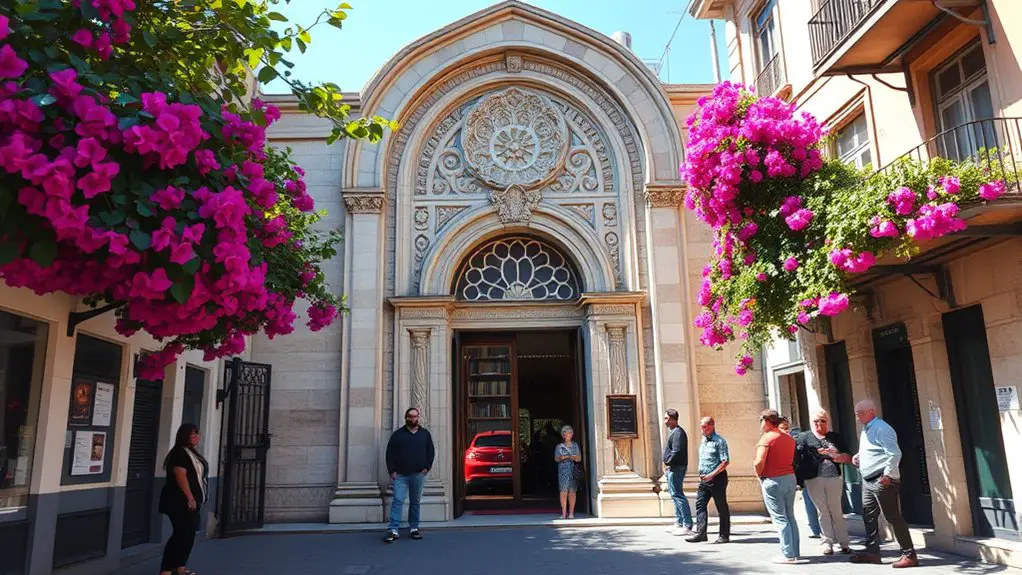
Tucked into Yeldeğirmeni on İzzettin Street, Hemdat Israel Synagogue is one of Kadıköy’s main historic Jewish landmarks. The Center for Jewish Art at the Hebrew University of Jerusalem dates the synagogue to 1899. It remains an active religious site rather than a casual tourist attraction.
Note: Public synagogue visits in Istanbul require advance arrangements. Jewish Heritage Turkey’s current visitor guidance asks visitors to reserve at least 24 hours ahead, submit the required visitor information and passport copy, and bring their passport for security checks. Requirements can change, so confirm before making a special trip.
The synagogue is also a useful starting point for understanding Yeldeğirmeni’s multicultural past. Even when you have not arranged interior access, its location fits naturally into a walking route through the neighborhood’s historic streets and mural-covered buildings.
Caddebostan Synagogue, elsewhere in the Kadıköy district, is another important Asian-side Jewish site. The Center for Jewish Art dates it to 1953–1954. It is not a same-day walk-up alternative to Hemdat Israel; synagogue visits should be arranged in advance.
Moda Coastal Walk and Hidden Cafes
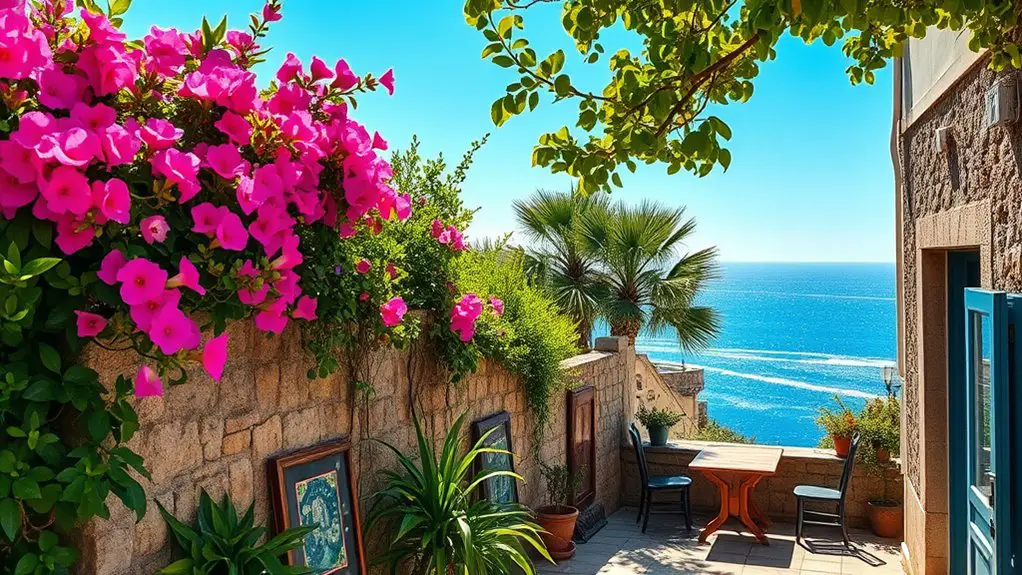
The Moda waterfront is where Kadıköy’s dense streets open onto the Sea of Marmara. The promenade has paved walking areas, lawns and places to sit by the water, making it an easy change of pace after the busy Çarşı and Bahariye streets.
Small cafés are scattered through Moda’s streets just inland from the shore, so it is easy to combine a waterfront walk with coffee, breakfast or dessert without choosing one specific destination in advance.
Sea of Marmara Views
Moda’s position on the Marmara coast gives you broad water views and a more open horizon than central Kadıköy. Late afternoon is especially popular, but the promenade is worth walking at any time when the weather is clear.
Rather than racing from landmark to landmark, use this part of the neighborhood for a slower stretch of the day. Benches, lawns and waterfront paths make it easy to stop for a while without needing to buy anything.
Cozy Café Hopping
For a cozy break, turn inland from the promenade into Moda’s residential streets. The neighborhood is known for independent coffee shops, bakeries and dessert cafés, with everything from Turkish coffee and tea to specialty espresso drinks.
The best approach is to browse as you walk instead of building your whole route around one café. Menus, opening hours and businesses change more quickly than the historic sights in this guide.
Pro Tip: Visit the Moda waterfront earlier on a weekday for a calmer walk. Late afternoons and weekends are usually livelier, especially in good weather.
- Seafront places to sit with wide Marmara views
- Independent coffee shops on the streets behind the promenade
- Turkish coffee, tea, espresso drinks and baked goods
- Plenty of easy places to pause between longer walks
The Quiet Serenity of Fenerbahçe Park
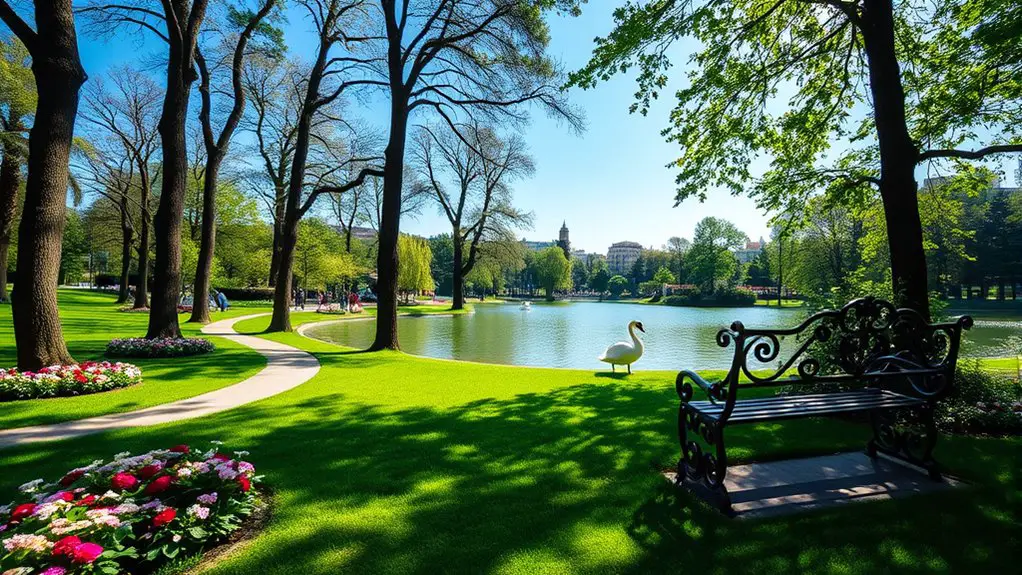
Fenerbahçe Park offers a greener waterfront break from central Kadıköy, with shaded paths, places to sit and views across the Sea of Marmara. It works especially well for travelers who want to add a park or picnic stop after exploring the denser streets around Çarşı, Bahariye and Moda.
The important planning point is distance: Fenerbahçe Park is not part of the tight ferry-terminal walking loop. Save it for a longer day, continue along the waterfront if you enjoy extended walks, or use local transport to reach it more efficiently.
| Moment | Best For | What to Expect |
|---|---|---|
| Sitting on a bench | A quiet break | Shade, greenery and Marmara views |
| Walking along the shoreline | Easy sightseeing | Waterfront paths and open views |
| Sharing a picnic with friends | A longer local-style stop | Grassy and shaded areas away from Çarşı crowds |
| Strolling through shaded paths | Hotter days | Tree cover and places to rest |
| Watching the evening light | Photography and relaxation | Changing light over the Sea of Marmara |
Discovering the Murals of Kadıköy’s Back Streets
For Kadıköy’s most concentrated street-art experience, head into Yeldeğirmeni. Large murals cover the sides of apartment buildings and turn otherwise ordinary streets into an informal outdoor gallery.
The artwork is spread through a real residential neighborhood rather than contained inside one attraction, which is part of the appeal. Leave room to wander instead of expecting every mural to sit along a single marked route.
Hidden Artistic Treasures
Yeldeğirmeni became especially associated with large-scale mural art through Mural-Ist. Kadıköy Municipality records that the project began in 2012, initially bringing Turkish and international artists to walls in Yeldeğirmeni before later works expanded across the wider district.
Mural-Ist began in Yeldeğirmeni in 2012, helping turn the neighborhood into one of Kadıköy’s best-known outdoor street-art areas.
- Building-sized works by Turkish and international artists
- Murals mixed into ordinary residential streets
- Historic apartment blocks alongside contemporary public art
- An outdoor collection that can change as walls are repainted
Local Stories and Neighborhood Identity
The murals sit inside a neighborhood with much older layers of history, including religious buildings, schools and early apartment blocks. That contrast — historic Yeldeğirmeni beside contemporary street art — is more useful to notice than trying to assign one common story to every mural.
The area’s cafés, cultural spaces and student presence add to its creative reputation, but remember that these are residential streets. Photograph the art without blocking doorways or treating private entrances as part of the attraction.
How to Find the Best Wall Art
Explore on foot and look along the taller blank side walls of apartment buildings rather than only at eye level. Some works are several stories high and are easier to appreciate from the opposite side of a street.
- Start in Yeldeğirmeni rather than limiting the search to Kadıköy Çarşısı
- Look up: many of the best-known works cover entire building façades
- Allow time for side streets instead of following one rigid route
- Expect individual works to change as the neighborhood evolves
The Charming Atmosphere of the Kadıköy Fish Market
The Kadıköy Çarşı fish and food market around Güneşlibahçe Sokak is one of the easiest places to see the neighborhood’s everyday food culture. Fishmongers sit alongside produce sellers, spice shops, cheese counters, bakeries, restaurants and other specialty food businesses.
This central market should not be confused with Kadıköy Tarihi Salı Pazarı. According to the Kadıköy Municipality market register, the Historic Tuesday Market operates in Hasanpaşa at Uzunçayır Caddesi No. 32 on Tuesdays and Fridays. It is a separate market rather than an overflow of the Çarşı fish market.
Warning: When buying seafood, produce or other goods sold by weight, confirm the displayed or quoted price and quantity before the item is prepared or bagged. This avoids misunderstandings regardless of language.
The Old Bookstores of Kadıköy
Kadıköy’s secondhand-book culture is concentrated more around Bahariye, Mühürdar Caddesi and the central streets than on Bağdat Caddesi. A particularly useful stop is Akmar Pasajı, which İstanbul Metropolitan Municipality describes as a longstanding Kadıköy passage associated with books, records, antiques and youth culture.
It is a better-defined starting point than wandering Bağdat Caddesi looking for old bookstores. From there, browse the surrounding streets for individual sahaf — Turkish secondhand booksellers — and newer independent bookshops.
- Secondhand novels, textbooks and older editions
- Records, CDs and music-related shops around Akmar
- Vintage printed material and occasional collectible finds
- Stock that varies widely from one seller and visit to the next
Osman Ağa Mosque
Close to Kadıköy’s central streets, Osman Ağa Mosque is an Ottoman religious landmark on Söğütlüçeşme Caddesi. Its history is more layered than simply saying the current mosque was built in 1612.
According to Kültür Envanteri’s architectural record, Osman Ağa built a mosque here in 1612 on the site of an earlier mescit. It was rebuilt under Sultan Mahmud II in 1811, burned during the 1878 Kadıköy fire, and was rebuilt again that same year. The structure visitors see today therefore dates principally from 1878.
The courtyard’s plane tree is traditionally dated to 1880 and attributed to the mosque’s imam, Mehmed Asım Efendi. Together, the mosque and tree give you a tangible glimpse of central Kadıköy before its modern commercial streets developed around them.
Note: Osman Ağa is an active mosque. Dress modestly, keep voices low and avoid entering during congregational prayer when you are visiting only for sightseeing.
Haydarpaşa Train Station: History and 2026 Restoration
Haydarpaşa Train Station remains one of the most recognizable buildings on Kadıköy’s waterfront. Opened in the early 20th century, it served as Istanbul’s historic rail gateway toward Anatolia and became an enduring symbol of arrivals and departures on the Asian side.
The most important update for current visitors is that Haydarpaşa is still an active restoration and redevelopment site in 2026. In June 2026, Turkey’s Ministry of Culture and Tourism reported that restoration, structural strengthening, exhibition preparation and landscaping were continuing. The long-term project is intended to preserve rail functions while adding museum, library, cultural and archaeological spaces.
Archaeological excavations around the station area began in 2018 after remains were encountered during railway works. Finds from different periods have added major evidence about ancient Chalcedon, or Khalkedon, the settlement that preceded modern Kadıköy.
- Historic waterfront station architecture
- Major restoration work still underway in 2026
- Archaeological remains connected with ancient Chalcedon
- A future plan combining transport, culture and archaeology
Note: Treat Haydarpaşa primarily as an exterior architecture and archaeology stop while restoration continues. Work zones and public access can change, so do not plan your day around guaranteed entry to the station interior.
A Practical Half-Day Route Through Kadıköy
For a first visit, start at the ferry terminal and explore the compact central sights before committing to the longer waterfront extensions.
- Start at Kadıköy Çarşı: walk through the food and fish market while the shops are active.
- Stop at Osman Ağa Mosque: see the courtyard and exterior, entering quietly if sightseeing access is appropriate at that time.
- Continue to Yeldeğirmeni: look for the large murals and pass Hemdat Israel Synagogue. Enter the synagogue only if you arranged permission beforehand.
- See Haydarpaşa: view the restored exterior and the surrounding area without assuming the interior is open.
- Loop through Bahariye and Akmar Pasajı: browse books, records and surrounding shops.
- Finish in Moda: walk down to the Marmara waterfront for a café break or late-afternoon stroll.
Allow roughly four to six hours for this central route when you stop for food and coffee. Make it a full-day outing if you add Fenerbahçe Park, spend substantial time shopping, or take a long meal.
Getting to Kadıköy
Ferries are often the most enjoyable way to arrive because they put you directly beside Kadıköy’s central market and walking streets. Timetables change by season and day, so check the official operator before leaving rather than relying on a fixed departure time in a travel article.
At a Glance
| From Eminönü / Karaköy | Direct Şehir Hatları services operate on the Kadıköy–Karaköy–Eminönü line. Allow roughly 20–30 minutes depending on the boarding pier and stop pattern. Check the current timetable. |
| From Kabataş | A direct Kadıköy–Kabataş ferry operates on published days and times. Check Şehir Hatları before traveling. |
| From Beşiktaş | Frequent direct ferries connect Beşiktaş and Kadıköy. Crowd levels vary by time and day. See the official schedule. |
| By rail | Take Marmaray to Ayrılık Çeşmesi and transfer to the M4 metro; Kadıköy is the next station. |
| Time to Explore | About 4–6 hours for Çarşı, Osman Ağa, Yeldeğirmeni, Haydarpaşa, Bahariye and Moda; allow a full day with Fenerbahçe Park and longer meal stops. |
| Best Approach | Walk the compact central neighborhoods first; treat Fenerbahçe Park as a separate extension rather than trying to force every stop into one short loop. |
Frequently Asked Questions
Are there guided tours available for Kadıköy’s hidden spots?
Yes. Walking and food tours operate around Kadıköy, Moda and the market streets. Religious-site access is different: do not assume a normal walking tour can take you inside an active synagogue, because synagogue visits require advance approval and security procedures.
Which hidden cafes have the best traditional Turkish desserts?
Moda and the streets around Kadıköy Çarşısı have many independent cafés and pastry shops serving baklava, sütlaç, revani and other Turkish sweets. Because individual businesses change, browse the neighborhood and favor busy specialist pastry shops when traditional desserts are your priority.
What are the best times to visit Kadıköy’s outdoor murals?
Daylight is essential because the murals are outdoors. Morning and late afternoon usually give softer light for photographs, while spring and fall are comfortable seasons for spending several hours walking through Yeldeğirmeni’s side streets.
Are there any local festivals celebrating Kadıköy’s art scene?
Yes. Kadıköy Municipality records that Mural-Ist began in Yeldeğirmeni in 2012 and later expanded mural activity across the district. For current exhibitions, performances and workshops, check the municipality’s cultural calendar because events vary from year to year.
How accessible are these hidden gems for visitors with mobility issues?
Moda’s waterfront has broad paved sections, and the M4 Kadıköy station lists elevator access. Some older streets in Çarşı and Yeldeğirmeni are narrower, uneven or sloped, and construction around Haydarpaşa can affect routes. Check your exact path before visiting if step-free access is essential.
Is Kadıköy Fish Market the same as the Tuesday Market?
No. The fish and food market around Kadıköy Çarşısı and Güneşlibahçe Sokak is in central Kadıköy. Kadıköy Tarihi Salı Pazarı is a separate market in Hasanpaşa at Uzunçayır Caddesi No. 32 and is currently listed by the municipality for Tuesdays and Fridays.
Can you go inside Haydarpaşa Train Station in 2026?
Do not count on normal interior sightseeing yet. Restoration and redevelopment work was still continuing in June 2026, with transport, museum, library, cultural and archaeological uses planned for the completed complex. Exterior viewing is the safer assumption while work continues.
How long do you need to explore Kadıköy’s hidden gems?
Allow about four to six hours for a relaxed route through Çarşı, Osman Ağa Mosque, Yeldeğirmeni, Haydarpaşa, Bahariye and Moda. A full day is better if you also want Fenerbahçe Park, substantial shopping or a long meal.
Conclusion
Kadıköy’s real hidden gems are easier to appreciate when you slow down and understand how the neighborhood fits together. Start with the market streets and Osman Ağa Mosque, explore Yeldeğirmeni’s murals and Jewish heritage, check the changing scene at Haydarpaşa, browse around Bahariye and Akmar, then finish beside the water in Moda. Save Fenerbahçe Park for a longer day, and you will see far more than the streets immediately around the ferry terminal.
Sources
- Center for Jewish Art, Hebrew University of Jerusalem: Hemdat Israel Synagogue — construction date, location and architectural record
- Jewish Heritage Turkey: Visitor Information — current synagogue reservation and identification requirements
- Kadıköy Municipality: Mural-Ist — history of the street-art project and its expansion across Kadıköy
- Kadıköy Municipality Market Register — location and operating days for Kadıköy Tarihi Salı Pazarı
- Şehir Hatları Timetables — current Kadıköy ferry routes and departure schedules
- Republic of Türkiye Ministry of Culture and Tourism: Haydarpaşa Restoration Update — 2026 restoration status and planned cultural uses
