
Last Updated on July 24, 2026 by Daniel Globe
Rome’s famous landmarks are worth seeing, but the city becomes more memorable when you slow down and explore its quieter viewpoints, small museums, underground ruins, local markets, and residential neighborhoods. This guide shows you how to find Rome’s hidden gems without building an exhausting route or relying on outdated access information.
Quick Answer
The best hidden gems in Rome include the Aventine Keyhole, Orange Garden, Galleria Spada, San Clemente, the Capuchin Crypt, Quartiere Coppedè, the Non-Catholic Cemetery, Testaccio Market, and the Appian Way. Group nearby places together, start early, reserve ticketed sites, and leave time for one museum or underground attraction.
Key Takeaways
- Trevi Fountain and the Pantheon have updated 2026 ticket rules, so check official information before you go.
- The Aventine, Testaccio, and the Non-Catholic Cemetery fit well into one half-day route.
- San Clemente, the Capuchin Crypt, and the Catacombs of St. Callixtus offer very different underground experiences.
- Some places often called “hidden,” including Trastevere and the Aventine Keyhole, can still become crowded.
- The Appian Way deserves its own half day or full day instead of being squeezed into a central Rome walking route.
Disclosure: As an Amazon Associate I earn from qualifying purchases. Some links on this page are affiliate links, at no extra cost to you.
Know Rome’s 2026 Access Rules Before You Go
Rome changes opening hours, ticket systems, and crowd-control rules more often than many visitors expect. Check the official page for each paid attraction on the morning of your visit, especially during holidays, religious events, public ceremonies, restoration work, or extreme weather.
Since February 2, 2026, tourists and non-residents pay €2 to enter the lower inner area of Trevi Fountain during managed hours. Ticketed access normally begins at 9 a.m. on most days and at 11:30 a.m. on Mondays and Fridays, then continues until 10 p.m. The surrounding public square can still be viewed without buying access to the lower inner area.
The Pantheon opens at 9 a.m., and its standard ticket increased to €7 on July 1, 2026. It remains an active basilica, so hours can change for worship and special services. Buy through the official Musei Italiani system or on site, and do not trust websites promising an official “skip-the-line” ticket.
Note: Churches require respectful clothing. Cover shoulders and avoid very short shorts or skirts. During Mass, remain quiet and do not treat the church as a photo stop.
Start With an Early-Morning Rome Walk
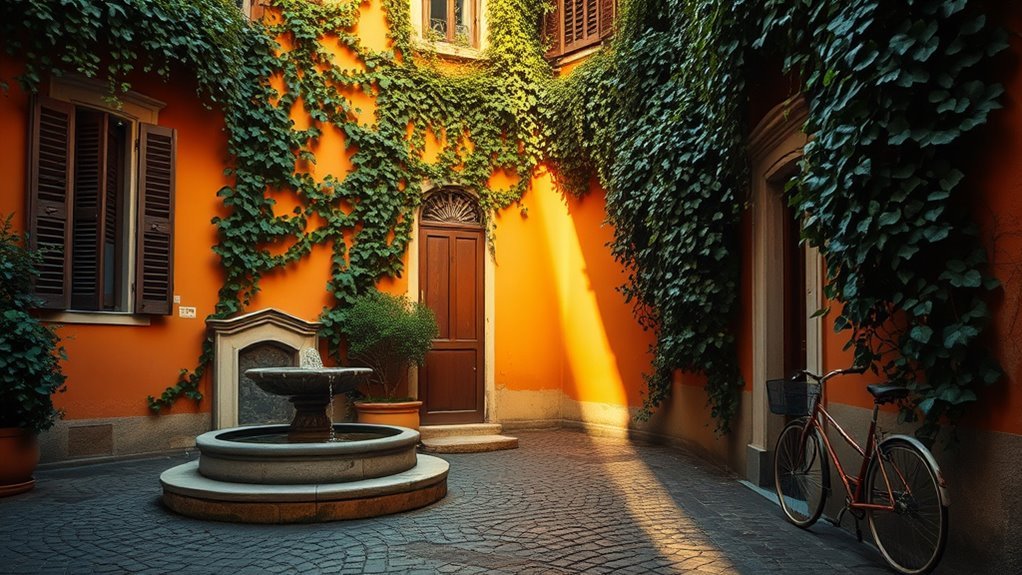
Start around 7 a.m. if you want softer light and fewer tour groups. The exact crowd level is never guaranteed, especially on weekends, holidays, or during major events, but the historic center is usually easier to enjoy before breakfast time.
Begin at Trevi Fountain and admire it from the public square. Then walk to the Pantheon by way of quiet lanes around Via del Seminario. At this hour, you can see the Pantheon’s exterior, but the interior does not open until 9 a.m. Continue to Piazza Navona, where the fountains and long oval square are especially attractive in early light.
From Piazza Navona, walk south toward Campo de’ Fiori. The market area becomes busy later in the morning, and the square can be lively rather than peaceful. A better quiet pause is nearby Piazza Farnese or the small streets around Via Giulia. This route gives you a calm introduction to central Rome without claiming that the city will be empty.
Pro Tip: Visit Trevi before breakfast, then return to the Pantheon shortly before 9 a.m. if you want to enter. This avoids standing outside while you wait for opening time.
Find Rome’s Best Secret Views
Rome’s quieter viewpoints range from free public terraces to paid museum rooftops and commercial bars. The Aventine Keyhole is the most famous “secret” view, while the Orange Garden, Janiculum Hill, Capitoline Hill, and the Vittoriano offer broader panoramas.
Aventine Keyhole View
The Aventine Keyhole sits at the gate of the Priory of the Knights of Malta in Piazza dei Cavalieri di Malta. Look through the small opening and you will see the dome of St. Peter’s Basilica framed by a garden avenue. The view is real and striking, but it is no longer unknown. Lines often form in the middle of the day and around sunset.
Go early in the morning, then walk a few minutes to Parco Savello, better known as the Orange Garden. The garden gives you a wider view across the Tiber toward St. Peter’s, the Janiculum, and central Rome. Both stops are easy to combine with Santa Sabina and the Non-Catholic Cemetery.
Capitoline Terrace Panorama
Several public lanes and overlooks behind Piazza del Campidoglio open toward the Roman Forum. These outdoor viewpoints are free, but they are different from Terrazza Caffarelli, which is connected to the Capitoline Museums and follows its own opening arrangements.
- Use the side streets behind the Capitoline buildings for quick Forum views.
- Visit the Tabularium inside the Capitoline Museums for a framed view over the Forum.
- Check access before planning around Terrazza Caffarelli because events can restrict the terrace.
- Expect more visitors near sunset than in the morning.
This area is central and easy to reach from Piazza Venezia. It is a good alternative when you want a high view but do not have time to cross the city.
Hidden Rooftop Lookouts
For a guaranteed public panorama, the Vittoriano panoramic terrace offers a paid elevator ride to a 360-degree view. It is not hidden, but it is dependable and clearly managed.
For a commercial rooftop, Eitch Borromini’s La Grande Bellezza bar overlooks Piazza Navona and advertises a 360-degree panorama. Reserve ahead and check its dress code, minimum-spend rules, and seasonal access. Do not confuse this with Palazzo Doria Pamphilj on Via del Corso, which is best known for its art gallery rather than a public rooftop terrace.
Janiculum Hill is the best choice for a spacious outdoor sunset. Locals and visitors gather near the Garibaldi monument, and a cannon is fired at noon each day. The hill is not on the metro, so plan for a bus, taxi, or uphill walk.
| Viewpoint | Best for | Main caution |
|---|---|---|
| Aventine Keyhole | Framed St. Peter’s view | Often has a line |
| Orange Garden | Free city panorama | Popular at sunset |
| Janiculum Hill | Wide sunset views | Uphill and less central |
| Vittoriano Terrace | Managed 360-degree view | Paid elevator access |
Discover Hidden Museums in Rome
Rome’s smaller museums give you more breathing room than the Vatican Museums or Colosseum complex. They also help you understand the city beyond ancient ruins and Renaissance masterpieces.
- Museo Pietro Canonica: A small sculpture museum inside Villa Borghese, with the artist’s studio and private rooms. Check the current municipal schedule before visiting.
- Galleria Spada: A compact Baroque collection near Campo de’ Fiori. Its highlight is Borromini’s forced-perspective colonnade, built to look much longer than it is.
- Museo di Roma in Trastevere: A good rainy-day stop for exhibitions and material connected with Roman daily life, traditions, and social history.
- Museo delle Mura: A small museum inside Porta San Sebastiano that explains Rome’s Aurelian Walls and connects naturally with the start of the Appian Way.
- Galleria Doria Pamphilj: A private family gallery in a historic palace, known for Old Master paintings and richly decorated rooms.
- VIVE at Palazzo Venezia: A central museum complex that combines Palazzo Venezia with the Vittoriano and often has temporary exhibitions.
The original Museo della Civiltà Romana remains temporarily closed for renovation as of July 2026, so do not build your itinerary around it. Use the Musei in Comune practical information page to check current hours and closure notices for municipal museums.
Warning: Small museums may close on Mondays, shut between exhibitions, or limit rooms because of staffing and restoration. Verify the same-day notice before crossing the city.
Visit Rome’s Most Unusual Churches
Rome’s churches are active places of worship, not only attractions. Enter quietly, follow clothing rules, and avoid sightseeing during Mass or a private service.
San Clemente is the strongest choice for layered history. The upper basilica stands above an earlier church, Roman buildings, and a Mithraeum. The underground area requires a ticket, and the stairs and uneven surfaces may be difficult for some visitors.
At Santa Maria della Concezione on Via Veneto, the Capuchin Museum and Crypt presents Capuchin history before leading into chapels decorated with the bones of thousands of friars. Treat the site as a religious memorial, not a novelty display.
Santo Stefano Rotondo al Celio has an unusual circular plan and graphic frescoes showing martyrdom. The images can be disturbing for children and sensitive visitors. San Pietro in Vincoli contains Michelangelo’s Moses and is usually easier to visit than the Vatican Museums, although it can still become busy.
San Giovanni dei Fiorentini is valued for its architecture, chapels, and connection with architects Carlo Maderno and Francesco Borromini. The earlier claim that it contains “Caravaggio’s artistic treasures” is misleading. A work attributed to Caravaggio, St. Francis in Meditation, is associated with the Capuchin Museum instead.
Explore Ancient Rome Off the Beaten Path
The Appian Way is the best place to experience ancient Rome at a slower pace. Parts of the old road pass tombs, villas, catacombs, countryside, and long sections of ancient paving. The road itself can be walked or cycled, while managed archaeological sites have separate tickets and schedules.
- Walk or cycle a manageable section instead of trying to cover the whole route.
- Visit the Mausoleum of Cecilia Metella or Villa dei Quintili if their hours fit your day.
- Book the Catacombs of St. Callixtus separately because entry is by guided tour.
- Stop at Museo delle Mura near Porta San Sebastiano before continuing south.
- Use Parco degli Acquedotti for open space and long views of Roman aqueducts.
From July 1, 2026, the Appia Antica Archaeological Park uses a €12 ticket covering several managed sites for seven days. Some areas, including the Tombs of Via Latina and Capo di Bove, were temporarily closed for restoration in summer 2026. Check the official park notice before choosing your stops.
Closer to the center, San Clemente and the Roman Houses of the Caelian Hill provide layered archaeological experiences without traveling as far as the Appian countryside. The Orange Garden, Aventine Keyhole, and Non-Catholic Cemetery also fit a quieter history-focused day, although they are not all ancient Roman sites.
Warning: Ancient paving can be rough, slippery, and difficult for narrow bicycle tires, strollers, wheelchairs, and anyone with limited balance. Wear supportive shoes and avoid cycling busy city sections unless you are confident in traffic.
Savor Rome’s Hidden Food Favorites
Rome’s classic snacks are easy to fit between sights. Choose one or two stops that match your route instead of crossing the city for every famous shop.
| Food or stop | Why try it | Useful detail |
|---|---|---|
| Maritozzo | Soft sweet bun filled with whipped cream | Best as breakfast or a morning snack |
| Supplì | Fried rice snack with tomato and melting cheese | Eat it hot; fillings may vary |
| Pizza bianca | Simple Roman flatbread sold by weight | Easy to carry for a park lunch |
| Testaccio Market | Produce, prepared food, and Roman specialties | Go before late afternoon because many stalls close early |
Supplizio near Campo de’ Fiori specializes in supplì. Antico Forno Roscioli is also in this area at Via dei Chiavari 34, not near Termini Station. It is convenient for pizza bianca and pizza by the slice after Piazza Farnese or Galleria Spada.
Testaccio Market is a better choice when you want several options in one place. Browse first, then choose a stall based on what is fresh and available. Gelateria dei Gracchi is useful if your route takes you toward Prati, but it is not close to Testaccio, so do not add it only because it appears on a famous-food list.
Ask about nuts, dairy, gluten, meat stock, and alcohol if you have allergies or dietary restrictions. Recipes can differ from one shop to another, and a dish that looks vegetarian may contain meat broth or animal fat.
Wander Rome’s Most Beautiful Neighborhoods
Rome’s neighborhoods feel more personal than its headline monuments, but “local” does not always mean quiet. Choose the district that matches the time of day and the mood you want.
- Trastevere: Beautiful in the morning, lively and crowded in the evening. Explore side streets beyond Piazza Trilussa for a calmer walk.
- Quartiere Coppedè: A small residential area known for fantasy-inspired architecture, Art Nouveau detail, and the Fountain of the Frogs. Keep noise low because people live here.
- Testaccio: Strong food culture, the market, Monte Testaccio, and easy access to the Non-Catholic Cemetery.
- Aventine Hill: Quiet streets, churches, gardens, the Orange Garden, and the Knights of Malta keyhole.
- Garbatella: Courtyards, garden-city planning, neighborhood cafés, and fewer major tourist sights.
Campo de’ Fiori is central and useful, but it is not a hidden neighborhood. The daytime market and evening bars attract large numbers of visitors. Visit for convenience and atmosphere, not for solitude.
Do not photograph residents through windows, block doorways, or treat residential courtyards as public sets. A quieter side of Rome stays pleasant only when visitors respect the people who live there.
See Rome’s Underground Sights
Rome’s underground attractions are not interchangeable. Some are church excavations, some are burial sites, and others are preserved houses. Choose one based on your interests and physical comfort.
- San Clemente: Best for seeing several historical layers in one place.
- Catacombs of St. Callixtus: Best for early Christian burial history. The official site says about half a million Christians were buried in the complex, including martyrs and popes.
- Capuchin Crypt: Best for a short, intense museum and memorial experience near the center.
- Roman Houses of the Caelian Hill: Best for frescoed rooms and the shift from pagan to Christian Rome.
- Domus Aurea: Best for guided archaeological visits and Nero’s palace, when tours are available.
The Catacombs of St. Callixtus require an official guided visit. The tour lasts about 40 minutes, and the underground temperature is around 16°C with high humidity. Bring a light layer even in summer.
Santo Stefano Rotondo is unusual and historically important, but it is a church above ground rather than an underground attraction. The Baths of Caracalla are also mainly open-air monumental ruins. They add useful context to ancient Roman life, but they should not be described as an underground sight.
Experience Rome’s Best Offbeat Attractions
Rome’s best offbeat attractions are places that reward a focused visit rather than a quick photo. Many are free, but opening conditions still matter.
- Stroll the Orange Garden and continue to Santa Sabina.
- Look through the Aventine Keyhole, then move on instead of waiting for several repeated photos.
- Visit the Non-Catholic Cemetery for the graves of poets John Keats and Percy Bysshe Shelley, as well as a peaceful garden setting beside the Pyramid of Cestius.
- Walk through Villa Doria Pamphilj for broad lawns, woodland, and a break from traffic.
- Explore Quartiere Coppedè slowly and respectfully.
- Climb Porta San Sebastiano at Museo delle Mura when the upper route is open.
Galleria Sciarra is often included on hidden-gem lists because of its decorated courtyard. However, it is part of a working building, and access can be restricted. Treat it as a possible extra near Trevi, not a guaranteed stop that justifies a long detour.
Villa Doria Pamphilj is one of the city’s largest green spaces and works best when you have at least two hours. It is different from Palazzo Doria Pamphilj, the art-filled palace in the historic center.
Plan Your Perfect Hidden Gems Day in Rome
A realistic hidden-gems day should stay within two or three connected areas. Trying to combine the historic center, Coppedè, Appian Way, Janiculum, Aventine, and several museums in one day creates more transit than discovery.
At a Glance
| Time Required | 8 to 10 hours, including meal and travel breaks |
| Difficulty | Moderate, with cobblestones, stairs, hills, and several kilometers of walking |
| Tools Needed | Comfortable shoes, water bottle, phone map, transit ticket, and light church-appropriate layer |
| Cost | Many outdoor stops are free; allow extra for transit, food, and one or two tickets |
Start Early, Beat Crowds
Begin at Trevi Fountain around 7 a.m., then walk to the Pantheon exterior and Piazza Navona. Continue to Galleria Spada when it opens, or replace the museum with a slow walk through Via Giulia and Piazza Farnese.
- Trevi Fountain from the public square
- Pantheon exterior before opening
- Piazza Navona in softer morning light
- Galleria Spada or Palazzo Doria Pamphilj for an indoor stop
Do not add Teatro Marcello, St. Paul Outside the Walls, the Baths of Caracalla, and the Appian Way to the same morning. They pull the route in different directions and make the day rushed.
Mix Sights and Snacks
Pick up pizza bianca or a supplì near Campo de’ Fiori, then take a bus, tram, taxi, or a longer walk toward Testaccio. Eat at Testaccio Market before many stalls close, then visit the Non-Catholic Cemetery.
| Stop | Taste or activity | Pace |
|---|---|---|
| Campo de’ Fiori area | Pizza bianca or supplì | Quick |
| Testaccio Market | Lunch and local browsing | Relaxed |
| Non-Catholic Cemetery | Quiet garden and literary history | Reflective |
From the cemetery, climb toward the Aventine. Stop at Santa Sabina, the Orange Garden, and the Knights of Malta keyhole. This route keeps the afternoon compact and avoids crossing central Rome several times.
End With Hidden Views
Finish at the Orange Garden or Aventine Keyhole if you want the simplest route. Sunset is beautiful, but both places may be busy. For a wider panorama, continue to Janiculum Hill by taxi or bus, or choose the Vittoriano terrace if you have returned toward Piazza Venezia.
- Orange Garden for a free, easy finish
- Aventine Keyhole for the framed dome view
- Janiculum Hill for a broad sunset and more open space
- Vittoriano terrace for a managed 360-degree panorama
Save the Appian Way, Catacombs of St. Callixtus, aqueducts, and distant archaeological sites for a separate day. They deserve time and do not fit naturally into this central route.
Frequently Asked Questions
What is the best time to visit Rome’s hidden gems?
Early morning is best for outdoor viewpoints and central streets. Spring and autumn usually offer more comfortable walking weather, but they are also popular travel seasons. Visit museums near opening time and check religious or holiday schedules before visiting churches.
Are Rome’s hidden attractions walkable in one day?
Some are, but not all. A central route can combine Trevi, Piazza Navona, Galleria Spada, Testaccio, the Non-Catholic Cemetery, and the Aventine with transit between areas. The Appian Way, Coppedè, and Janiculum are better treated as separate additions.
How do I find less crowded local spots in Rome?
Go early, explore residential districts respectfully, and choose small museums or parks instead of only famous squares. Crowd levels change by hour, so a well-known place can feel calm in the morning and packed at sunset.
Which hidden Rome sights are best for rainy days?
Galleria Spada, Palazzo Doria Pamphilj, Museo di Roma in Trastevere, the Capuchin Museum and Crypt, and San Clemente are useful indoor choices. Underground sites may still have wet or slippery stairs, so wear shoes with good grip.
Can I visit Rome’s hidden gems without a tour guide?
Yes. Most parks, neighborhoods, viewpoints, churches, and museums can be visited independently. The Catacombs of St. Callixtus require an authorized guided visit, and some archaeological areas open only through scheduled tours.
Which Rome hidden gems need advance booking?
Book the Catacombs of St. Callixtus, popular underground tours, and commercial rooftop venues. Pantheon tickets should be bought through official channels. Small churches and municipal museums often do not require booking, but their hours can change.
Are Rome’s hidden gems accessible for limited mobility?
Accessibility varies widely. Cobblestones, hills, stairs, crypts, and archaeological surfaces can create barriers. Check each official accessibility page, use taxis or buses between hills, and choose level parks or museums with confirmed step-free access.
Conclusion
Rome rewards curiosity, but a good hidden-gems plan needs more than a long list. Group nearby stops, check current ticket and opening rules, and choose one major indoor or underground experience instead of rushing through several. The Aventine, Testaccio, Galleria Spada, San Clemente, Coppedè, the Appian Way, and Rome’s smaller museums reveal a quieter city while still giving each place the time and respect it deserves.
Sources
- Roma Capitale: Trevi Fountain access ticket — 2026 price, managed access hours, and exemptions.
- Italian Ministry of Culture: Pantheon — 2026 ticket price, opening hours, official sales, and dress rules.
- Musei in Comune Roma: Practical information — current municipal museum hours and closure notices.
- Appia Antica Archaeological Park: Visitor information — tickets, opening hours, closures, transport, and accessibility.
- Galleria Spada: Tickets and information — current opening arrangements and access to Borromini’s perspective.
- Catacombs of St. Callixtus: Official visitor site — burial history, required reservations, and guided-visit rules.


1 Comment
Pingback: Best Time To Visit Rhode Island: Complete Guide [2026]