
Last Updated on July 29, 2026 by Daniel Globe
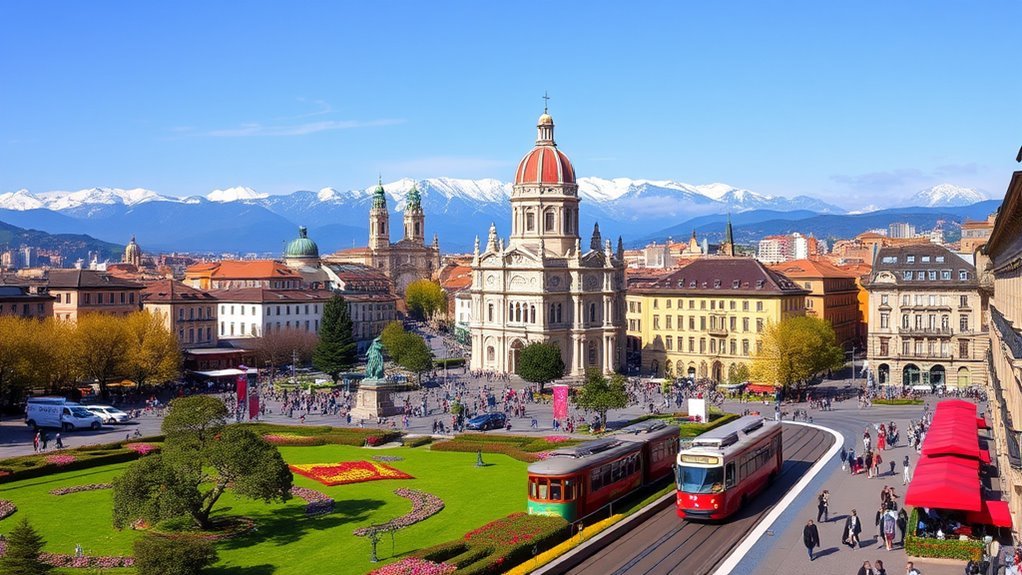
Turin, or Torino, combines royal palaces, major museums, Roman remains, elegant squares, historic cafés, and a strong food culture in a compact, walkable center. The best things to do in Turin include visiting the Museo Egizio, riding through the Mole Antonelliana, touring the Royal Palace, tasting bicerin, and watching the Alps from Monte dei Cappuccini.
Quick Answer
Turin’s essential experiences are the Museo Egizio, Mole Antonelliana, Royal Palace, Palazzo Madama, Piazza San Carlo, Porta Palatina, and Monte dei Cappuccini. Leave time for historic cafés, Piedmontese dishes, the Quadrilatero, and a walk beside the Po. Two full days provide a comfortable first visit.
Key Takeaways
- Book the Museo Egizio and the Mole Antonelliana in advance, especially on weekends and holidays.
- Most central attractions are within walking distance, but trams, buses, and the metro help with longer trips.
- Allow at least two days if you want to see the major museums without rushing.
- Try bicerin, tajarin, agnolotti, gianduiotto, and other Piedmontese specialties.
- Check current opening hours, event calendars, and ticket benefits before your visit.
At a Glance
| Time Required | One day for highlights; two to three days for major museums, food, neighborhoods, and riverfront sights |
| Difficulty | Easy to moderate; the center is flat, but Monte dei Cappuccini involves an uphill walk |
| Tools Needed | Comfortable shoes, phone or map, advance museum tickets, and a public-transport ticket when needed |
| Cost | Squares, streets, parks, and outdoor viewpoints are generally free; museums, lifts, tours, and performances charge admission |
Disclosure: As an Amazon Associate I earn from qualifying purchases. Some links on this page are affiliate links, at no extra cost to you.
Plan Your Visit to Turin
Products Worth Considering

NEW-AGE GIFTING - Are you getting bored with a regular flat 2D card? Yeah, who doesn’t? So LET'S ORDER NOW these impressive travel holiday cards for friends, for colleagues as a surprising gift

SANTORO PIROUETTE CARDS - The gift and Card in one! Perfect for multiple occasions, a Pirouette Card will be truly treasured by loved ones.
How Many Days Do You Need in Turin?
One full day is enough for a fast introduction to the historic center, one major museum, the Mole Antonelliana, and an evening meal. Two days are better for the Museo Egizio, Royal Museums, Palazzo Madama, Monte dei Cappuccini, and Turin’s café culture. A third day gives you time for the National Automobile Museum, Venaria Reale, Superga, or a slower neighborhood visit.
Best Time to Visit Turin
Spring and early fall usually offer comfortable conditions for walking. Summer can be hot, although Turin’s long arcades provide welcome shade. Winter is colder and sometimes foggy, but the museums, cafés, chocolate shops, and covered walkways still make the city rewarding.
Pack layers and check the forecast shortly before traveling. Museum holidays, temporary exhibitions, festivals, and maintenance closures can also affect your plans.
Getting Around Turin
The historic center is compact, and many attractions sit between Piazza Castello, Piazza San Carlo, Via Po, and the Roman Quarter. Turin also has buses, trams, and a metro operated through the local public-transport network. Tickets are available from authorized retailers and other official sales channels.
Use the official Turismo Torino public-transport guide for current ticket and route information. Turin Airport is outside the center, with train, coach, taxi, and accessible-transfer options that should be checked before arrival.
Museum Passes and Reservations
The Torino+Piemonte Card can reduce the combined cost of several attractions. Benefits vary, however, and services such as the Mole’s panoramic lift may have separate conditions or reduced rather than free admission.
Pro Tip: Reserve timed entry for the Museo Egizio and the National Museum of Cinema before building the rest of your itinerary. The most popular time slots can sell out first.
Warning: Opening hours, lift access, temporary exhibitions, and live-event schedules can change. Confirm details on the official attraction or venue website shortly before visiting.
Discover Panoramic Views at Monte dei Cappuccini
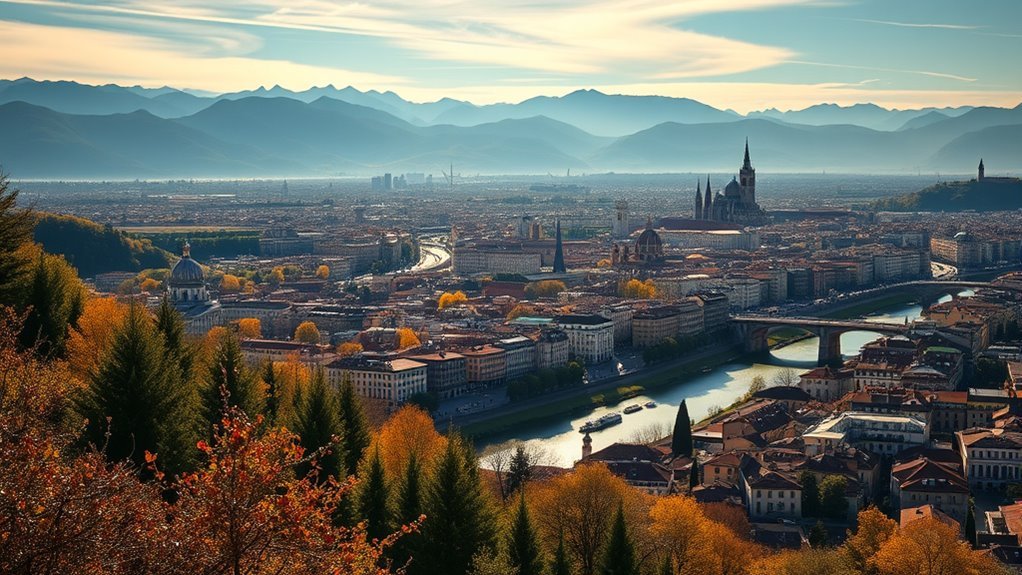
Monte dei Cappuccini offers one of the classic views across Turin. From the terrace, you can look over the city’s rooftops toward the Mole Antonelliana and, in clear weather, the Alpine arc.
The route from Piazza Vittorio Veneto crosses the Po near the Gran Madre church and then climbs uphill. The final walk is short but noticeably steeper than the flat city center, so comfortable footwear helps.
The hill also contains the Church of Santa Maria al Monte and the National Mountain Museum. The outdoor viewpoint is the main free attraction, while museum access and indoor opening hours should be checked separately through the National Mountain Museum.
Note: Late afternoon often provides attractive light, but the Alps are easiest to see when the air is clear. A cloudy or hazy day can limit the mountain view.
Explore Cinematic History at the Mole Antonelliana
The Mole Antonelliana is Turin’s best-known landmark and home to the National Museum of Cinema. The building began as a 19th-century synagogue project before becoming a civic monument and, later, a museum devoted to film.
Inside, displays explore optical devices, photography, early moving images, filmmaking, posters, costumes, sets, and cinema history. The dramatic central hall and ramps make the building itself part of the experience.
A panoramic lift rises through the open interior to a terrace 85 meters above the ground. The terrace overlooks Turin and the surrounding hills and mountains. Museum admission and lift access may be sold separately or as a combination ticket.
Review current reservations, accessibility rules, opening times, and ticket types on the official National Museum of Cinema website.
The Mole Antonelliana’s panoramic terrace stands 85 meters above Turin, creating one of the city’s most memorable viewpoints.
Marvel at Ancient Treasures in the Egyptian Museum
The Museo Egizio is one of Turin’s essential attractions. Its collection contains approximately 40,000 objects, although only part of that collection is displayed at one time. The exhibits cover thousands of years of Egyptian history through statues, papyri, coffins, everyday objects, jewelry, and archaeological discoveries.
The collection is extensive enough to fill several hours. Visitors with limited time should identify a few priority galleries rather than attempting to examine every object.
Explore Notable Artifacts
Major areas include the Gallery of Kings, monumental sculpture, funerary collections, papyri, material-culture displays, and objects connected with the village of Deir el-Medina. The Tomb of Kha and Merit is among the museum’s best-known archaeological groups.
Labels and displays place the objects within their historical and archaeological contexts rather than presenting them only as decorative treasures. Learn more about the museum and its approximately 40,000-object collection through the official Museo Egizio history page.
Experience Multimedia and Educational Resources
The museum provides multimedia material for selected galleries and objects. Its audio guide covers more than 100 items and includes room introductions and deeper explanations. Visitors may be able to access material through a mobile device or museum equipment, depending on the current service.
Families, schools, and visitors with accessibility needs can also review workshops, guided visits, tactile resources, audio descriptions, and other services before arrival. Current details are available through the museum’s multimedia information and accessibility guide.
Discover Ancient Egyptian History
The museum’s displays span prehistoric Egypt, the pharaonic periods, and later Greek and Roman rule. Rather than focusing only on rulers and mummies, the collection also shows how people worked, worshipped, wrote, ate, built homes, and prepared for death.
Allow roughly two to three hours for a substantial visit. An enthusiast could easily spend longer, especially when temporary exhibitions are included.
Step Inside the Royal Palace of Turin
The Royal Palace stands on Piazza Castello at the heart of the Musei Reali complex. It was a principal residence of the House of Savoy and forms part of the UNESCO-listed Residences of the Royal House of Savoy.
A standard visit may include the State Rooms, Royal Armoury, Chapel of the Holy Shroud, Savoy Gallery, and other parts of the wider complex. Availability can change when rooms are closed for conservation, exhibitions, or official events.
Architectural Grandeur and Design
The palace combines ceremonial staircases, frescoed ceilings, gilded decoration, tapestries, and furnished rooms designed to express royal authority. Its appearance developed through several phases as the Savoy court expanded and Turin’s political importance grew.
The Royal Gardens provide a quieter outdoor extension to the visit. Access routes and garden openings should be confirmed on the day.
Royal History and Heritage
The palace helps explain Turin’s role as the center of Savoy power and, later, as the first capital of unified Italy. The State Rooms reveal how the court received diplomats, held ceremonies, and displayed dynastic wealth.
The Royal Armoury was established by Charles Albert and opened in 1837. Its displays connect court culture with warfare, diplomacy, ceremony, and collecting.
Notable Art Collections
- Savoy Gallery: Paintings by Italian and European artists collected by the Savoy dynasty.
- Royal Armoury: Ceremonial and practical arms, armor, equestrian equipment, and related objects.
- Royal Library: Historical manuscripts, drawings, printed works, and research collections.
- Museum of Antiquities: Archaeological material connected with Turin, Piedmont, and ancient Mediterranean cultures.
Consult the official Musei Reali visitor guide to see which sections are included during your visit.
Check Out the Art and History at Palazzo Madama
Palazzo Madama occupies the center of Piazza Castello and contains roughly 2,000 years of architectural history. Roman foundations, medieval towers, a castle, and a grand Baroque façade all form part of the same structure.
The building houses Turin’s Civic Museum of Ancient Art. Collections include medieval stonework, paintings, sculpture, illuminated manuscripts, ceramics, glass, textiles, furniture, and decorative arts extending into the Baroque period and beyond.
The grand staircase and Filippo Juvarra’s façade are major architectural highlights. Visitors can also explore the medieval side of the building and, when open, areas that reveal earlier construction phases.
Palazzo Madama is part of the UNESCO-listed Savoy residences. Current admission, exhibitions, and opening times are posted on the official Palazzo Madama website.
Explore Turin’s Historical Landmarks, Including Porta Palatina
Porta Palatina is one of the clearest surviving reminders of Roman Turin. The gate marked the northern entrance to Augusta Taurinorum and now stands beside an archaeological park near the cathedral and Porta Palazzo.
Examine the Gate’s Architecture
The monument consists of a central gateway and two polygonal corner towers. Those towers rise more than 30 meters, although parts of the structure were altered or reconstructed in later centuries.
Its masonry, openings, and defensive form help visitors understand how people entered the Roman city. The nearby statues of Julius Caesar and Augustus are modern additions rather than surviving Roman sculptures from the gate.
See Nearby Roman Ruins
Porta Palatina was constructed around the beginning of the Common Era. Nearby remains include sections of Roman walls and the Roman theater behind the Royal Palace and cathedral area.
Additional archaeological material can be viewed in the Museum of Antiquities within the Musei Reali complex. MuseoTorino provides a detailed historical record of Porta Palatina.
Understand Its Significance Today
The outdoor monument links the modern city with Turin’s Roman street plan. It is also a useful starting point for exploring the Quadrilatero Romano, cathedral area, Porta Palazzo market, and Piazza Castello.
Porta Palatina is an important archaeological landmark, but it is not itself a UNESCO World Heritage Site. Turin’s UNESCO designation in this area concerns the Residences of the Royal House of Savoy.
Stroll Down the Stylish Via Roma
Via Roma connects Piazza Castello with Piazza San Carlo and continues toward Porta Nuova railway station. Its arcades, formal façades, shops, and central location make it one of Turin’s principal walking routes.
Much of the present street was redeveloped during the 1930s. The result combines monumental urban planning with sheltered shopping arcades that are useful in rain, summer heat, and winter weather.
High-end stores sit alongside cafés, department stores, and side streets leading toward Via Lagrange and Via Carlo Alberto. Walk slowly enough to notice the transition between the major squares rather than treating Via Roma only as a shopping corridor.
Relax in the Elegant Piazza San Carlo
Piazza San Carlo is often called Turin’s drawing room because of its balanced Baroque architecture, arcades, historic cafés, and role as a civic gathering place. The twin churches of Santa Cristina and San Carlo frame one end of the square.
At the center stands an equestrian monument to Emanuele Filiberto of Savoy. Around it, locals cross between offices, shops, cafés, and nearby streets throughout the day.
- Pause under the arcades: They provide shade and a close view of historic storefronts.
- Visit a historic café: Caffè Torino and other establishments preserve part of the city’s café culture.
- Check for events: Public ceremonies, celebrations, and temporary installations can change access to the square.
Sip Authentic Bicerin at a Historic Turin Café
Bicerin is a traditional Turin drink made with coffee, chocolate, and a layer of milk or cream. It is served in a small glass so the contrasting layers remain visible.
Caffè Torino in Piazza San Carlo is one historic setting where visitors can explore Turin’s café culture. However, the establishment most closely associated with the drink’s origin is Caffè Al Bicerin, founded in 1763 near the Sanctuary of the Consolata.
Prices can differ between counter service, indoor tables, and outdoor seating, but there is no universal rule that bar service costs exactly half as much. Check the menu before ordering.
Pro Tip: Do not stir a traditional bicerin immediately. Tasting the hot coffee and chocolate through the cooler upper layer is part of the experience.
Shopping Tips for Via Garibaldi
Via Garibaldi is a long pedestrian street running west from Piazza Castello. It mixes international chains, local stores, cafés, pharmacies, bakeries, and access to smaller historic streets.
- Explore side streets: Independent shops are often located just beyond the main pedestrian route.
- Check sale periods: Seasonal discounts are regulated and normally advertised clearly in store windows.
- Compare opening hours: Small businesses may close for a midday break or observe different Sunday hours.
- Pause for food: Via Garibaldi and nearby lanes offer bakeries, gelato, coffee, and quick meals.
The street is notable for its length and central role, but claims that it is definitively Europe’s second-longest pedestrian street are difficult to verify and depend on how such streets are measured.
Scenic Views at Piazza Vittorio Veneto
Piazza Vittorio Veneto is a vast arcaded square at the eastern end of Via Po. It slopes gently toward the river and opens to views of the Gran Madre church and Turin’s hills.
The square is especially lively around aperitivo time, when its cafés and bars fill with residents and visitors. From here, you can cross the Vittorio Emanuele I bridge and continue toward Monte dei Cappuccini.
Sunset can bring attractive light across the façades, river, and hillside. Although the square is frequently described with European size rankings, it is more accurate to call it one of Turin’s largest and most impressive public spaces.
Discover Turin’s Charming Vintage Signage and Its History
Historic lettering, painted advertisements, metal signs, café emblems, and old shopfronts appear throughout central Turin. These details reflect the city’s long connections with chocolate, coffee, vermouth, publishing, fashion, manufacturing, and automobiles.
- Quadrilatero Romano: Look for signs above traditional food shops, restaurants, and small businesses.
- San Salvario: Older storefronts sit beside newer bars, restaurants, and creative businesses.
- Historic arcades: Via Po, Piazza San Carlo, Via Roma, and Piazza Castello contain preserved café and retail details.
Remember that many storefronts remain active private businesses. Photograph entrances without blocking customers or including identifiable people without permission.
Enjoy the Vibrant Nightlife of the Quadrilatero District
The Quadrilatero Romano becomes one of central Turin’s busiest evening areas. Narrow streets and small squares contain cocktail bars, wine bars, restaurants, and aperitivo venues within walking distance of Piazza Castello and Porta Palatina.
The atmosphere changes by street and time. Early evenings focus on aperitivo and dinner, while some bars continue later with music or DJ sets. The Murazzi riverfront and San Salvario are separate nightlife areas worth considering when you want more options.
Trendy Bars and Restaurants
Choose venues based on current menus and opening hours rather than relying on an old fixed list. Turin’s evening scene changes regularly, and a business known for cocktails one year may alter its concept or schedule the next.
For a Piedmontese dinner, look for dishes such as tajarin, agnolotti del plin, vitello tonnato, brasato, and seasonal truffle dishes. For a lighter evening, aperitivo combines a drink with small snacks or a more substantial food selection, depending on the venue.
Live Music Venues
Live schedules change weekly, so confirm the program before traveling across the city.
| Venue | Typical Experience | Area and Planning Note |
| Jazz Club Torino | Jazz, contemporary music, dining, and lounge-bar service | Near Piazza San Carlo; reservations may be useful |
| The Beach | Club nights, DJs, and electronic events | Murazzi del Po; check age, ticket, and dress requirements |
| OGR Torino | Concerts, jazz, performances, exhibitions, and cultural events | West of the historic core; buy tickets for major events in advance |
Warning: Check the route back to your accommodation before staying out late. Keep phones and wallets secure in busy bars, squares, stations, and public transport.
Taste Turin’s Local Piedmont Dishes and Delicacies
Turin’s food reflects the wider Piedmont region, with egg pasta, veal, beef, hazelnuts, chocolate, cheese, truffles, and wine appearing frequently on menus.
- Tajarin: Fine egg pasta often served with butter, ragù, mushrooms, or seasonal truffles.
- Agnolotti del plin: Small pinched pasta parcels commonly filled with roasted meat or vegetables.
- Vitello tonnato: Thin slices of veal served with a tuna-based sauce.
- Bagna cauda: A warm anchovy-and-garlic dip served with vegetables, especially in cooler months.
- Gianduiotto: Turin’s famous hazelnut-and-chocolate confection.
- Bicerin: A layered drink combining coffee, chocolate, and cream or milk.
Turismo Torino’s traditional-dishes guide provides an official overview of regional specialties.
Ask about ingredients when you have allergies or dietary restrictions. Meat, dairy, eggs, nuts, anchovies, and alcohol are common in traditional recipes.
Cool Off With Delicious Gelato From Top Shops
Turin’s gelato shops often highlight Piedmontese hazelnuts, gianduia chocolate, seasonal fruit, and traditional cream flavors. Look for clearly labeled ingredients and flavors made in quantities that match the day’s demand.
| Gelato Shop | Why Visit |
| Ottimo | Experimental approach and changing flavors near the central station area |
| Caffè Fiorio | Historic café on Via Po known for gianduia gelato and hot chocolate |
| Pepino 1884 | Long-established Turin gelato name in Piazza Carignano |
| Casa Marchetti | Central location with gelato, fruit options, and seasonal specialties |
Browse Porta Palazzo Market
Porta Palazzo, north of the Roman Quarter, is one of Turin’s most energetic market areas. Outdoor stalls and covered market buildings sell produce, cheese, meat, fish, household goods, clothing, and foods connected with the city’s international communities.
Visit in the morning for the broadest selection and busiest atmosphere. Keep valuables secure, stay aware of delivery vehicles, and ask before taking close photographs of vendors or customers.
The market pairs naturally with Porta Palatina, the Quadrilatero, and the Sanctuary of the Consolata.
Walk Through Parco del Valentino and Along the Po
Parco del Valentino provides a green break from museums and formal squares. Paths follow the Po and pass gardens, monuments, river views, and the Castello del Valentino, which is used by the Polytechnic University of Turin.
The park works well for walking, running, cycling, picnics, or a slower afternoon. Some individual attractions within the park may have limited access, so treat the landscape and riverfront as the main dependable experience.
Visit the National Automobile Museum
Turin’s industrial history is closely tied to automobile design and manufacturing. The National Automobile Museum explores that relationship through historic vehicles, engineering, racing, design, and the social impact of the car.
The museum is south of the center near the Lingotto area, so allow extra transport time. It is a strong choice for visitors interested in Fiat, Italian design, technology, or 20th-century history.
Take an Extra Day Trip From Turin
With a third day, consider one of these additions:
- Reggia di Venaria: A major Savoy palace complex with ceremonial rooms, exhibitions, and extensive gardens.
- Basilica of Superga: A hilltop basilica with broad views and strong connections to Turin’s history.
- Lingotto: A former Fiat factory complex associated with industrial architecture, art, shopping, and the historic rooftop test track.
- Villa della Regina: A Savoy residence on the hillside overlooking the city.
Check transport, opening hours, and reservation requirements before choosing a day trip.
A Practical One-Day Turin Itinerary
- Morning: Begin in Piazza Castello and choose either the Royal Palace complex or Palazzo Madama.
- Late morning: Walk to the Museo Egizio for a timed visit.
- Lunch: Try tajarin, agnolotti, or a lighter meal near Piazza Carignano or Via Lagrange.
- Afternoon: Walk along Via Po to the Mole Antonelliana and use the panoramic lift if your reservation and weather allow.
- Late afternoon: Continue through Piazza Vittorio Veneto and climb to Monte dei Cappuccini.
- Evening: Return to the Quadrilatero for aperitivo or a Piedmontese dinner.
This schedule is ambitious. Travelers who prefer a slower day should choose only one major museum and leave the other for a second day.
Frequently Asked Questions
What is Turin, Italy best known for?
Turin is known for the House of Savoy, the Museo Egizio, the Mole Antonelliana, automobile manufacturing, Baroque architecture, historic cafés, chocolate, bicerin, vermouth, and Piedmontese cuisine.
What is worth seeing in Turin?
First-time visitors should prioritize the Museo Egizio, Mole Antonelliana, Royal Palace, Palazzo Madama, Piazza San Carlo, Porta Palatina, Piazza Vittorio Veneto, and Monte dei Cappuccini.
Is Turin worth visiting for tourists?
Yes. Turin offers major museums, royal architecture, Roman history, excellent food, long arcades, riverfront parks, mountain views, and a calmer atmosphere than many of Italy’s most heavily visited cities.
How do I spend one day in Turin?
Start in Piazza Castello, visit one royal attraction and the Museo Egizio, walk along Via Po to the Mole Antonelliana, continue to Piazza Vittorio Veneto, and finish with a viewpoint or dinner in the Quadrilatero.
How many days should I spend in Turin?
Two full days are ideal for a first visit. Add a third day for the National Automobile Museum, Venaria Reale, Superga, Lingotto, or a more relaxed exploration of the city’s neighborhoods and food.
Conclusion
Turin rewards visitors who combine its major museums with time outdoors in its squares, arcades, markets, parks, and hillside viewpoints. Start with the Museo Egizio, Mole Antonelliana, Royal Palace, and Palazzo Madama, then slow down for bicerin, Piedmontese food, the Po riverfront, and an evening in the Quadrilatero. Two or three days provide the best balance between famous landmarks and the city’s quieter details.
Sources
- Turismo Torino e Provincia — official destination, transport, attraction, food, and visitor-planning information
- Museo Egizio — collection history, visitor resources, multimedia information, and accessibility
- National Museum of Cinema — Mole Antonelliana history, panoramic terrace, tickets, and opening information
- Musei Reali Torino — Royal Palace, Armoury, Savoy Gallery, gardens, and visitor routes
- Palazzo Madama — building history, collections, exhibitions, UNESCO status, and admission details
- MuseoTorino: Porta Palatina — archaeological history and construction date of the Roman gate
