

Last Updated on July 24, 2026 by Caleb Warren
A skilled pickpocket may open an exposed backpack pocket and remove an easy-to-reach item within seconds. Crowded trains, queues, markets, ticket machines, tourist attractions, and busy shops create useful distractions. You cannot make a backpack completely theft-proof, but you can make access slower, more visible, and less rewarding.
Quick Answer
Protect your backpack by keeping it close to your body, closing every zipper, and clipping or interlocking the main zipper pulls. Move the bag to your front in crowded places, keep passports and backup cards in a separate secure location, and avoid phone distractions when boarding trains, standing in queues, or moving through busy attractions.
Key Takeaways
- Keep every compartment closed, and secure double zipper pulls with a clip or built-in locking point when possible.
- Adjust your backpack straps so the bag stays close to your body without causing discomfort.
- Carry the bag in front of you or hold it securely during crowded boarding, queues, markets, and public events.
- Keep your passport, backup payment card, and emergency cash outside easy-access backpack pockets.
- Do not confront or chase a suspected thief. Move to safety, check your belongings, and alert staff or police.
At a Glance
| Time Required | About 5 to 10 minutes to prepare your bag |
| Difficulty | Easy |
| Tools Needed | Secure backpack, optional zipper clip or small luggage lock, and a concealed pouch |
| Cost | Free with your existing bag, or a small extra cost for clips, locks, or a hidden pouch |
Disclosure: As an Amazon Associate I earn from qualifying purchases. Some links on this page are affiliate links, at no extra cost to you.
Understanding Backpack Vulnerabilities
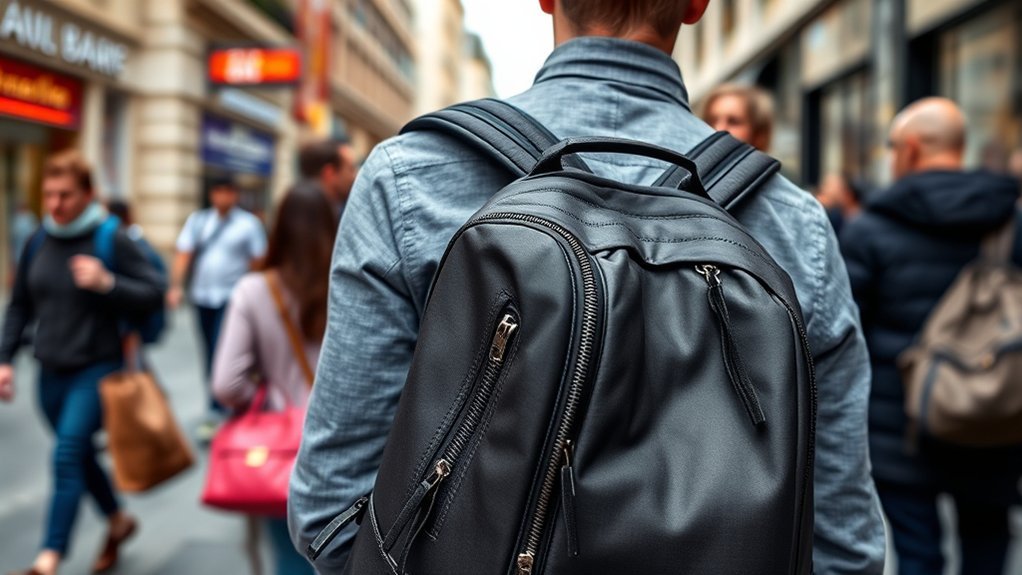
A backpack normally sits outside your field of view. Outer pockets, loose zipper pulls, open side pockets, and a bag that swings away from your body can give a thief easier access. The risk increases when you are distracted by a phone, map, ticket machine, conversation, or sudden crowding.
Pickpockets may work alone, but some use teams. One person may block your path, ask a question, bump into you, or create a distraction while another reaches for an exposed pocket. British Transport Police advises travelers to keep bags closed, carry them in front, and stay alert in busy shops and transport areas.
Some thieves may also target an entire unattended bag instead of opening it. A secure zipper will not help if the backpack is hanging from a chair, sitting behind you, or placed on the floor outside your view.
What You’ll Need
You do not need a specialized bag or expensive equipment. Start with the items you already own and add only the security features that fit your trip.
- A backpack with fully closing zippers
- Adjustable shoulder straps
- An optional zipper clip, small carabiner, twist tie, or luggage lock
- A concealed money belt or under-clothing pouch for selected valuables
- A secure hotel safe or locked luggage compartment when available
- Digital and paper copies of important document details
- Bank, insurer, embassy, and emergency contact information stored separately from your wallet
Note: A small zipper clip usually works as a delay and a visible deterrent, not as a high-security lock. The goal is to prevent a zipper from being opened silently in one easy motion.
Prepare Your Backpack Before Going Out
A few minutes of preparation can reduce both the chance of theft and the damage caused if something is taken.
- Empty unnecessary outer pockets: Do not place a phone, wallet, passport, or loose cash in a pocket that someone behind you can reach.
- Split your payment methods: Keep your main card and daily cash in one secure location, with a backup card and emergency funds somewhere separate.
- Carry only what you need: Leave excess cash, spare cards, jewelry, and unnecessary documents in a secure location.
- Copy important information: Keep a copy of your passport information page, insurance details, and card-issuer contact numbers separately from the originals.
- Secure your phone: Use a strong screen lock, enable device-location features, and make sure you can access your accounts from another device if the phone disappears.
- Test every closure: Check for damaged zipper teeth, loose pulls, torn seams, and pockets that do not close completely.
The Importance of Tightening Straps
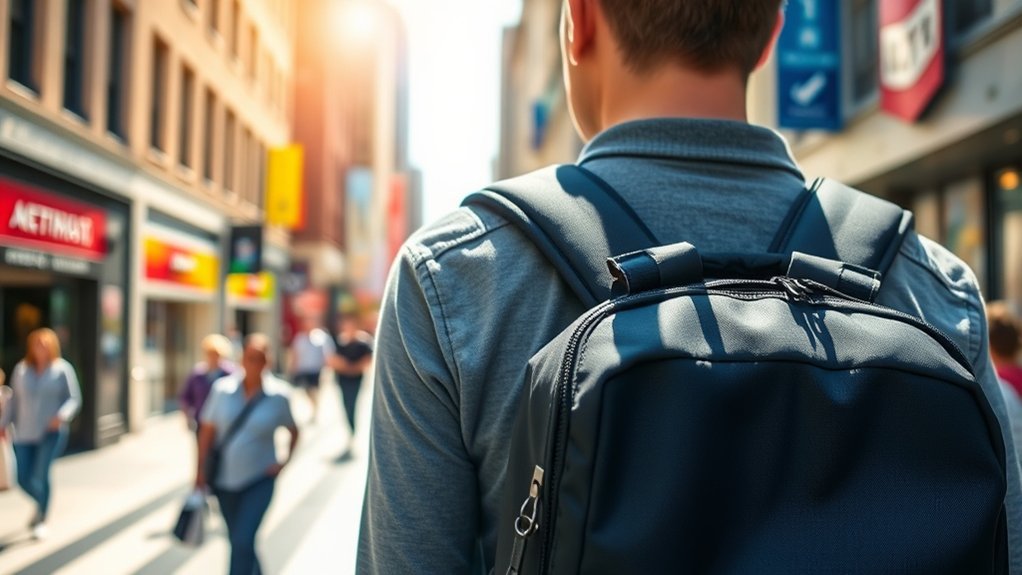
Adjust the straps so the backpack remains close to your upper body and does not swing far behind you. A stable bag gives a thief less space to work and makes unexpected pulling or movement easier to notice.
The straps should feel secure without digging into your shoulders or restricting movement. A heavy or poorly fitted bag may remain uncomfortable even after adjustment, so remove unnecessary weight before tightening it.
Check the fit before entering a station, market, festival, queue, or other crowded location. Waiting until you are surrounded by people leaves you distracted while adjusting buckles and clothing.
The Wiggle Technique: Use It as a Bag Check, Not a Guarantee
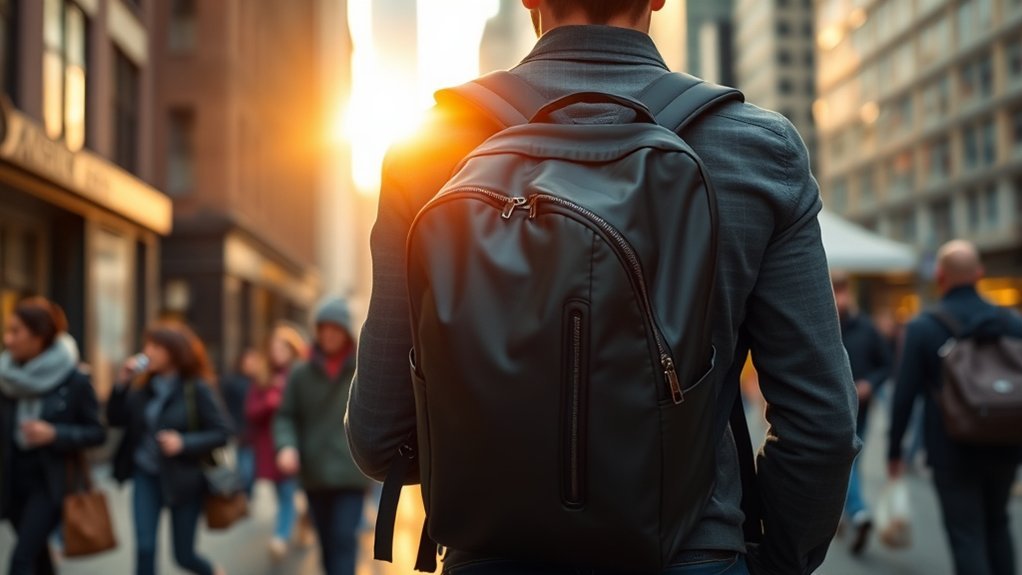
Some travelers make a small shoulder or side-to-side movement to check where their backpack is sitting. This may remind you to notice the bag, but it is not a recognized replacement for closed zippers, secure valuables, or carrying the bag in front.
Why Small Movements May Help You Check the Bag
A gentle movement can tell you whether the backpack has shifted, a pocket feels open, or someone is pressing unusually close behind you. It may also interrupt your own distraction and prompt a quick security check.
Do not swing the backpack forcefully in a crowd. You could hit another passenger, lose your balance, or create unnecessary conflict. On packed transport, it is usually safer and more considerate to remove the bag and hold it securely in front of you.
How the Check Supports Situational Awareness
The value of the movement comes from the check it prompts, not from any guarantee that it will deter a thief. Use it as a reminder to confirm four things:
| What to Check | What to Do |
|---|---|
| Bag position | Bring it closer or move it to your front. |
| Zipper position | Confirm every compartment is fully closed. |
| Unexpected contact | Step aside and check the bag in a safe place. |
| Surroundings | Put away your phone and look for crowding or distractions. |
Combining the Check With Other Security Measures
Use the bag check as one small part of a stronger routine:
- Keep the bag stable: Adjust the straps so it does not hang loosely behind you.
- Close and secure the zippers: Clip double pulls together when the design allows.
- Move the bag to the front: Do this before entering a dense crowd.
- Keep valuables out of exposed pockets: Use an inner, body-facing, or concealed location.
- Reduce distractions: Finish checking directions before entering a queue or boarding area when possible.
The Role of Zippers in Backpack Protection
A closed zipper adds time and effort, but a normal zipper is not a lock. A thief may still open it gradually if the pulls are exposed and the wearer is distracted.
Pro Tip: If your backpack has two zipper pulls, connect them with a small clip or use the bag’s built-in locking loop. Position the joined pulls toward your body or beneath a flap when the zipper design allows.
Use these strategies:
- Close every compartment: Partially open pockets advertise easy access.
- Connect double zipper pulls: A clip, small carabiner, or suitable luggage lock can stop one-motion opening.
- Tuck loose pulls away: Place them beneath a flap or toward the body-facing side when possible.
- Check damaged zippers: Replace or repair closures that separate under light pressure.
- Keep valuable items deeper inside: A secure zipper cannot protect an item left in an open bottle pocket.
A zipper clip is often more practical than a combination lock when you need frequent access. A lock may add delay, but lightweight backpack fabric and zipper tracks can still be damaged. Never treat a lock as proof that the contents are safe.
Wearing Your Backpack in Crowded Areas
Move the backpack to your front before entering a packed train, market, queue, festival, or tourist attraction. British Transport Police recommends carrying bags in front or diagonally across the chest and keeping them closed and secure.
Warning: Do not wait until you feel someone touching the bag. Secure it before entering a crowd, and do not confront or chase a suspected thief. Move away, check your belongings, and alert staff or police.
On crowded public transport, you can remove the backpack and hold it against your front or between your legs while keeping a firm hand through a strap. Do not place it behind your seat, near an exit, or on a luggage rack where you cannot monitor it.
Pay particular attention during moments when people naturally press together:
- Boarding or leaving buses and trains
- Standing near opening doors
- Using escalators or narrow stairs
- Reading departure boards
- Buying tickets from a machine
- Watching street performances
- Taking photographs
- Waiting in food, security, or attraction queues
More Anti-Theft Strategies That Work
Backpacks marketed as anti-theft may include hidden zipper tracks, clips, reinforced panels, cut-resistant straps, body-facing pockets, or RFID-shielded compartments. These features address different risks and do not make a bag theft-proof.
- Hidden or secured zippers: Help delay unauthorized opening.
- Body-facing pockets: Make frequently needed items harder to reach from behind.
- Reinforced or slash-resistant material: May help against cutting or bag-slashing attempts.
- Anchor straps or locking cables: May help secure a bag while seated, when used without blocking an exit or creating a trip hazard.
- RFID shielding: Addresses some forms of electronic scanning but does not prevent physical pickpocketing.
A concealed pouch or money belt can reduce exposure for a passport, emergency cash, or backup card. Wear it beneath clothing and avoid opening it publicly. It is a backup storage location, not your everyday wallet.
Where local identification rules allow, consider leaving your original passport in a secure accommodation safe and carrying a copy. Some destinations require visitors to carry original identification, so check official local guidance before doing this.
How to Blend In and Avoid Looking Like a Target
Pickpockets often look for opportunity rather than a particular type of traveler. Visible valuables, confusion, distraction, and loosely controlled bags can make a person easier to approach.
- Choose a simple bag: Avoid displaying expensive branding, camera equipment, jewelry, or large amounts of cash.
- Plan directions before entering a crowd: Step into a shop, station area, or other safe position before studying your phone.
- Walk with purpose: Know where you are going, but do not rush blindly through unfamiliar streets.
- Keep valuables discreet: Return your wallet, phone, and cards to a closed pocket immediately after use.
- Stay calm: If you become lost, move to a stable location rather than stopping in the middle of a dense flow of people.
How to Stay Alert in Crowded Places
Situational awareness does not require staring suspiciously at everyone. It means noticing changes in crowd movement, unexpected contact, distractions, and where your belongings are located.
Build a Habit of Situational Awareness
- Scan periodically: Look ahead, beside you, and toward nearby exits.
- Notice unusual crowding: Step aside if someone repeatedly presses close when space is available elsewhere.
- Check your bag after contact: Move to a safe position before opening or inspecting it.
- Limit screen time: Put your phone away during boarding, escalator rides, and tightly packed queues.
- Trust reasonable concern: Change position or seek staff assistance when a situation feels unsafe.
Practice Active Observation
Watch for behavior rather than trying to identify a thief by appearance. Possible warning signs include someone repeatedly watching where people place wallets, creating unnecessary contact, blocking a path, or working with another person to create a distraction.
Common distractions may include:
- A stranger asking for directions while standing unusually close
- A staged spill or bump
- A person blocking a train or escalator exit
- An argument, loud noise, or street performance
- Someone offering unsolicited help with a ticket machine or bag
- A crowd forming suddenly around one traveler
These behaviors are not proof of criminal intent. Use them as a reminder to secure your belongings and create more personal space, not as a reason to accuse someone.
Use Your Environment to Your Advantage
- Stand with your back protected: When stationary, choose a wall, pillar, counter, or corner when practical.
- Stay away from exit doors when using your phone: A thief may take an item and leave as the doors close.
- Keep the bag in your lap or between your feet when seated: Maintain physical control of at least one strap.
- Never hang it behind a chair: Keep the bag in front of you or use a secure bag hook where provided.
- Avoid placing it on the floor out of sight: A zipped bag can still be removed entirely.
Protecting Your Bag in Cafés and Restaurants
Travelers often relax once they sit down, which can make restaurants and cafés attractive to opportunistic thieves. Do not hang your backpack from the back of a chair or leave it beside the table where passing people can reach it.
Keep the bag in your lap, between your feet, against a wall beside you, or on a secure hook that remains within sight. Place one foot or hand through a strap when practical, but do not create a trip hazard in a walkway.
When ordering food, collecting drinks, or using a restroom, take the backpack with you or leave it with a trusted companion. Do not rely on a stranger at the next table to watch it.
What to Do If You Suspect Someone Is Tampering With Your Bag
- Move the backpack to your front: Place a hand over the main compartment.
- Create distance: Step toward staff, security, a counter, or a well-lit open area.
- Check the bag safely: Confirm that zippers are closed and important items remain inside.
- Alert staff or police: Report what happened if you believe an attempted theft occurred.
- Do not confront or chase anyone: Your safety is more important than recovering an item directly.
What to Do If Your Backpack Gets Pickpocketed
If you discover that something is missing, move away from the crowd and follow these steps in order:
- Check exactly what was taken: Look through each compartment without scattering the remaining contents.
- Freeze payment cards immediately: Use your bank’s app or call the issuer. The U.S. Federal Trade Commission advises reporting lost or stolen credit, debit, and ATM cards without delay.
- Secure your phone and accounts: Use the manufacturer’s lost-device service, change important passwords, and contact your mobile provider when necessary.
- Report the theft: Contact local police or transport security. Ask for a report or reference number if your insurer may require one.
- Contact your insurer: Follow the claim procedure and keep receipts for emergency replacements.
- Report a missing passport: Contact your country’s embassy or consulate. A lost or stolen U.S. passport must be reported and replaced before it can be used for further international travel.
- Monitor accounts: Review card, bank, email, and mobile-account activity for unauthorized access.
Note: A police report may help with an insurance claim or passport replacement, but you should not delay freezing a stolen bank card while waiting to file the report.
Frequently Asked Questions
What types of backpacks offer the best pickpocket protection?
Look for fully closing compartments, zipper pulls that can be clipped together, hidden or body-facing pockets, reinforced seams, and a design that sits close to your body. Slash-resistant panels may help with cutting attempts, but no backpack is completely theft-proof.
How does backpack size affect pickpocket risk?
A compact bag that fits close to your body is usually easier to control than an oversized bag with loose outer pockets. Larger backpacks may extend farther behind you, bump other people, and become difficult to move to the front in a crowd.
Can I add anti-theft accessories to a regular backpack?
Yes. A zipper clip, small carabiner, suitable luggage lock, internal pouch, and concealed money belt can improve a standard backpack. Test each accessory before traveling so you can open it quickly when needed without leaving it unsecured afterward.
What should I do if I think someone is trying to pickpocket me?
Move your backpack to the front, cover the main compartment, and create distance. Step toward staff, security, or a well-lit area and check your belongings. Do not accuse, confront, chase, or physically resist the person.
Does the wiggle technique actually work?
A small movement may remind you to notice your bag’s position, but it is not an established or guaranteed anti-pickpocket method. Closed zippers, secured pulls, front-carry, safe storage of valuables, and reduced distractions provide a stronger routine.
Should I carry my passport in my backpack?
Avoid placing a passport in an exposed outer pocket. Where local rules allow, leave the original in a secure accommodation safe and carry a copy. When you must carry the original, use a concealed body pouch or secured inner compartment and keep a separate copy.
Are RFID-blocking pockets necessary?
RFID shielding is optional and addresses electronic scanning rather than someone opening or taking your backpack. Secure zippers, controlled bag placement, concealed valuables, and awareness are more relevant to physical pickpocket prevention.
Your backpack is safest when several simple habits work together. Keep it close, secure every compartment, carry it in front during crowded moments, and separate essential documents and backup funds. No accessory can guarantee protection, but these steps reduce easy access and help you respond quickly if something goes missing.
Sources
- British Transport Police: Pickpocket Prevention — guidance on closed bags, front-carry, distractions, secure pockets, money belts, and document copies.
- British Transport Police: Be Aware — common distraction, blocking, luggage-theft, and transport tactics.
- Federal Trade Commission: Lost or Stolen Cards — immediate card-reporting and account-monitoring steps.
- U.S. Department of State: Lost or Stolen Passport Abroad — reporting, canceling, and replacing a passport abroad.
- U.S. Department of State: Victims of Crime — consular assistance available to travelers who experience crime abroad.

