
Last Updated on July 28, 2026 by Mason Reed
Hiking can make your fingers and hands look puffy, especially during long walks or hot weather. Exercise-related hand swelling is common, and the exact mechanism is not fully understood. Changes in blood flow, heat loss, gravity, and fluid movement all appear to play a role. Mild swelling in both hands is usually temporary, but swelling with neurological, breathing, allergic, or severe one-sided symptoms needs more attention.
Quick Answer
Hands often swell while hiking because exercise and heat change blood flow and fluid movement, while gravity keeps your hands below your heart for long periods. The exact mechanism is not fully understood. Mild swelling in both hands is usually temporary; confusion, repeated vomiting, severe headache, seizures, or breathing trouble need urgent medical evaluation.
Key Takeaways
- Exercise-related hand swelling is common, and heat can make it more noticeable.
- Remove tight rings or watches before hiking and avoid straps or grips that noticeably constrict your hands or arms.
- Moving your fingers and arms and briefly elevating your hands may reduce discomfort, although there is no proven way to prevent all exercise-related hand swelling.
- For long hikes, avoid forcing fluids. Drinking according to thirst is a key strategy for reducing the risk of exercise-associated hyponatremia.
- Confusion, seizures, repeated vomiting, severe headache, breathing difficulty, or rapidly worsening one-sided swelling are warning signs that need prompt medical help.
Disclosure: As an Amazon Associate I earn from qualifying purchases. Some links on this page are affiliate links, at no extra cost to you.
Why Do Hands Swell When You Hike?
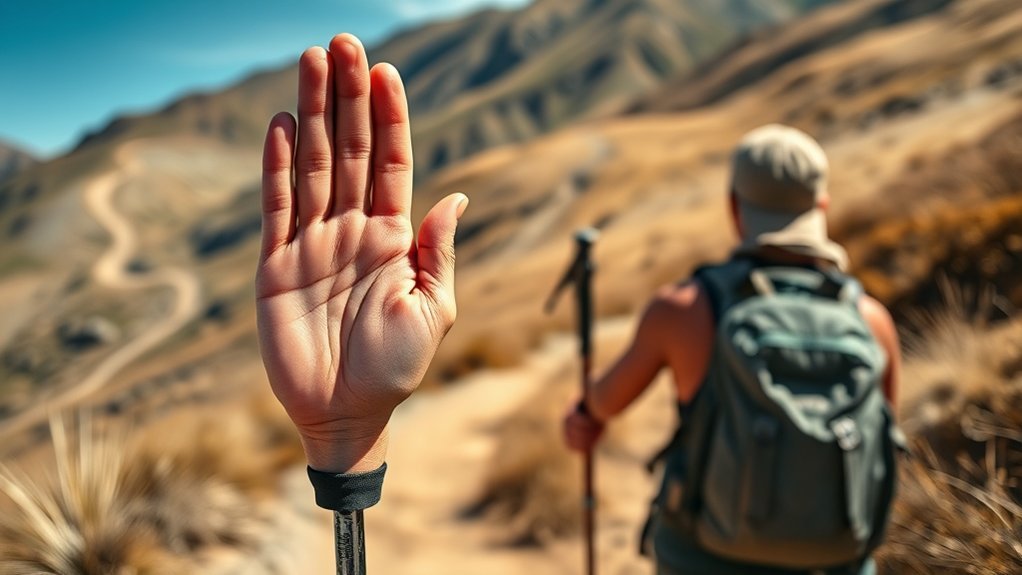
Hand swelling during exercise is common, but researchers do not have one proven explanation for why it happens. According to Mayo Clinic, exercise changes how blood is distributed through the body. More blood goes to the heart, lungs, and working muscles, while blood vessels in the hands may respond by opening wider.
Heat adds another factor. Working muscles produce heat, so your body sends more blood toward vessels near the skin to release that heat. That response may contribute to puffiness in the hands and fingers. Gravity may also matter because your hands often hang below heart level for long periods while you walk.
Gear can make the swelling feel worse. Tight rings, watchbands, clothing, backpack straps, or an overly tight grip can add constriction once your fingers and hands become puffy. Using trekking poles with a relaxed grip may help keep your hand muscles moving.
What Factors Make Hiking Hand Swelling Worse?
Several factors can make ordinary exercise-related swelling more noticeable:
- Hot weather: Your body sends more blood toward the skin as it tries to release heat.
- Long periods with your arms down: Fluid can collect more easily in dependent tissues when your hands remain below heart level.
- Tight jewelry or gear: Rings, watches, cuffs, straps, or tight grips can become uncomfortable as your hands enlarge.
- Long or strenuous hikes: More time exercising means more time for heat and fluid-distribution changes to develop.
- Baseline fluid retention: Premenstrual fluid retention and some health conditions or medicines can make swelling more noticeable.
Mild exercise swelling is usually fairly even in both hands and improves after you stop, cool down, and move or elevate your hands. Marked swelling in only one hand is less typical and deserves a closer look.
Note: This article provides general information and is not a diagnosis or a substitute for professional medical care. Symptoms such as swelling, headache, nausea, dizziness, or fatigue can have several causes during a hike.
How Can You Tell Normal Swelling From a Warning Sign?
| Usually Less Concerning | Needs More Attention |
| Mild puffiness in both hands during exercise | Sudden or severe swelling in only one hand |
| No major pain, numbness, or color change | Severe pain, numbness, weakness, or major color change |
| Improves after stopping, cooling down, and moving or elevating the hands | Continues to worsen, remains persistent, or repeatedly occurs away from exercise |
| You otherwise feel normal | Confusion, repeated vomiting, severe headache, seizure, breathing difficulty, fever, hives, or facial/tongue swelling |
Could Swollen Hands While Hiking Be Hyponatremia?
Yes, swollen fingers can occur with exercise-associated hyponatremia (EAH), but hand swelling by itself does not diagnose it. The Wilderness Medical Society defines EAH as a blood sodium concentration below 135 mmol/L that develops during or within 24 hours after prolonged physical activity.
The major preventable risk is drinking more fluid than the body can eliminate during prolonged exercise. Exercise-related release of hormones that reduce water excretion can add to the problem. Sodium lost through sweat may contribute in some circumstances, but simply adding salt does not make excessive fluid intake safe.
Possible symptoms include nausea, vomiting, headache, confusion, unusual behavior, and in severe cases seizures or serious breathing problems. Swollen fingers or hands may accompany the condition, but the neurological symptoms are more concerning.
A well-known study of the 2002 Boston Marathon found hyponatremia in 13% of the 488 runners who provided usable finish-line blood samples; 0.6% had critical hyponatremia. That study involved marathon runners, so the number should not be interpreted as the prevalence among ordinary hikers.
In the 2002 Boston Marathon study, 13% of tested finishers had hyponatremia. The key lesson for hikers is not to force excessive fluids during prolonged exercise.
Hyponatremia vs. Heat Illness
Hyponatremia can resemble dehydration or heat-related illness. Headache, nausea, weakness, dizziness, and fatigue are not specific enough to tell the conditions apart on the trail.
If a hiker develops confusion, a seizure, repeated vomiting, severe worsening headache, major difficulty staying awake, or breathing problems, stop the activity and seek emergency medical help. Do not continue forcing large amounts of plain water while waiting for help, particularly if the person has already been drinking heavily.
How Do You Prevent Swollen Hands on Hikes?
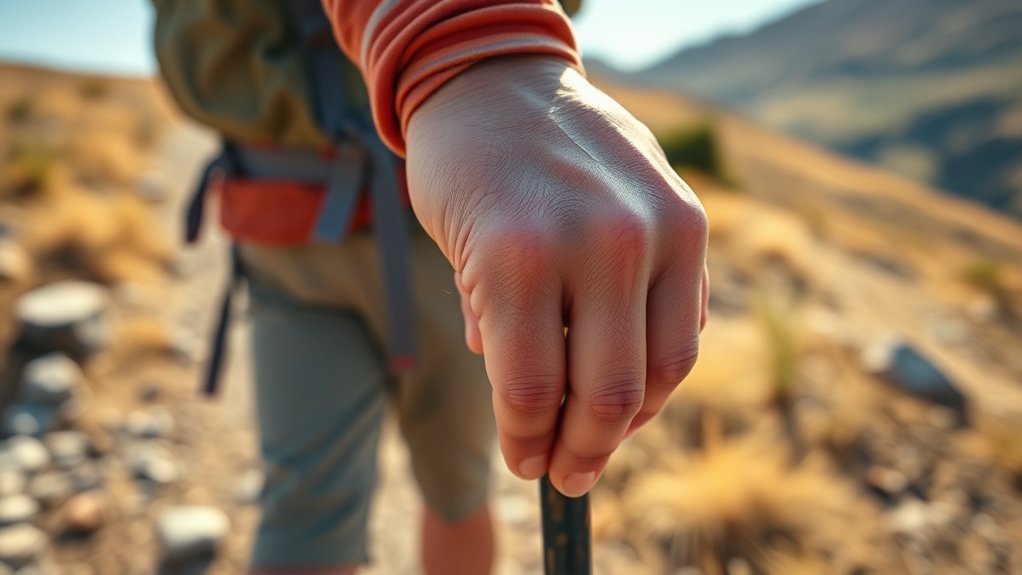
There is no proven way to prevent all exercise-related hand swelling, but several simple steps may make it less uncomfortable.
- Remove rings before you start. Fingers can swell enough during a hike to make rings difficult or painful to remove.
- Loosen restrictive gear. Avoid overly tight watchbands, cuffs, pack straps, or pole straps.
- Keep your hands moving. Open and close your fists, spread your fingers, circle your arms, and vary your hand position.
- Elevate your hands during breaks. Holding them above heart level briefly may help fluid drain from the hands.
- Use trekking poles without a death grip. Poles can keep the hand muscles active, but keep your grip relaxed.
- Manage heat exposure. Slow down, use shade, and take cooling breaks during hot conditions.
Hydration matters, but more is not always better. Current wilderness guidance emphasizes avoiding overdrinking and generally drinking according to thirst. For long, hot hikes, normal meals and snacks—including salty trail foods you already tolerate—can replace some sodium lost in sweat, but sodium does not prevent hyponatremia if you continue consuming excessive fluid.
Plan enough safe drinking water for your route and know where reliable sources are available. On trips that require collecting natural water, carry an appropriate treatment method such as water purification tablets or another suitable treatment system. The National Park Service hiking-safety guidance also recommends planning your water and food needs before heading out.
Pro Tip: Do not use electrolyte drinks or salt tablets as permission to keep drinking when you are not thirsty. During prolonged activity, avoiding excessive fluid intake is more important for preventing exercise-associated hyponatremia than simply adding more sodium.
What Should You Do if Your Hands Swell Mid-Hike?
- Remove constriction. Take off rings if they still come off easily and loosen tight watches, cuffs, or straps.
- Move your fingers and arms. Make several gentle fists, spread your fingers, and circle or swing your arms.
- Raise your hands during a break. Hold them above heart level for a few minutes if comfortable.
- Cool down if you are hot. Rest in shade, reduce your pace, and use cooling measures appropriate for the conditions.
- Check the rest of your symptoms. Mild swelling alone is different from swelling accompanied by confusion, vomiting, severe pain, hives, breathing difficulty, or other warning signs.
Do not aggressively massage a hand that is severely painful, injured, discolored, or markedly swollen on one side. Those features suggest something other than routine exercise swelling may be occurring.
What If Only One Hand Swells?
Routine exercise-related swelling often affects both hands. If only one hand becomes significantly swollen, look for a local cause such as an injury, insect sting or bite, a tight strap, or another source of inflammation.
A hand that becomes increasingly red, warm, painful, and swollen—particularly with fever—may need prompt medical evaluation because a skin infection such as cellulitis is possible. Mayo Clinic advises medical attention for rapidly changing swollen rashes and swelling associated with fever.
After an insect sting or another possible allergen exposure, rapidly developing swelling accompanied by hives, facial swelling, a swollen tongue or throat, wheezing, trouble breathing, dizziness, or fainting may represent anaphylaxis. That is an emergency. Follow your prescribed emergency allergy plan, use epinephrine if it has been prescribed for you, and seek emergency medical care. Anaphylaxis can progress quickly.
When Do Swollen Hands Need Medical Attention?
Most mild hiking-related hand swelling settles after the activity, especially once you cool down and resume normal hand positioning. There is no universal rule that swelling becomes dangerous after a specific number of minutes.
Arrange medical evaluation if the swelling persists rather than gradually improving, repeatedly happens when you are not exercising, becomes progressively worse from hike to hike, or is unusual for you. People with known heart, kidney, liver, vascular, or lymphatic conditions should discuss new or unexplained swelling with a healthcare professional.
Seek prompt medical care for marked one-sided swelling, significant pain, warmth, spreading redness, fever, numbness, weakness, or major skin-color changes.
Seek emergency help for confusion, seizures, repeated vomiting with worsening neurological symptoms, severe breathing difficulty, chest pain, fainting, or swelling of the tongue or throat.
Warning: Confusion, seizures, repeated vomiting, severe headache, unusual behavior, serious breathing difficulty, or loss of consciousness during or after a long hike can signal a medical emergency. Stop exertion and get emergency medical help rather than assuming the person simply needs more water.
Frequently Asked Questions
Why Do My Hands Swell so Bad When I Hike?
Exercise and heat alter blood flow and fluid distribution, and gravity keeps your hands below your heart for much of the hike. The exact mechanism is not fully understood. Tight rings, watchbands, straps, and long periods with your arms down may make the swelling feel worse.
Is It Normal for Hands to Swell in Hot Weather?
Mild swelling in both hands can occur during exercise in hot weather because your body increases blood flow near the skin to release heat. Swelling is less reassuring if it is severe, one-sided, very painful, or accompanied by confusion, vomiting, breathing problems, hives, or other major symptoms.
How Do You Unswell a Swollen Hand After Hiking?
Remove tight jewelry or gear, gently open and close your hand, elevate it during a rest break, and cool down if you are overheated. Mild exercise-related swelling usually improves after activity stops. Persistent, painful, markedly one-sided, or otherwise unusual swelling deserves medical evaluation.
What Causes Only One Hand to Swell?
One-sided swelling is less typical of ordinary exercise swelling. Possible causes include a tight strap, injury, insect sting or bite, or local inflammation. Increasing warmth, redness, pain, fever, numbness, major color change, or rapidly spreading swelling should be medically evaluated.
Can Dehydration Cause Swollen Hands While Hiking?
Hand swelling alone is not a reliable way to tell whether you are dehydrated. Exercise-related swelling can happen even when hydration is adequate. Because dehydration, heat illness, and hyponatremia can share symptoms, avoid diagnosing your hydration status from puffy fingers alone.
Do Electrolytes Prevent Hand Swelling or Hyponatremia?
Electrolytes may be useful as part of food and fluid planning during long, hot outings, but they are not proven to prevent ordinary exercise-related hand swelling. They also cannot reliably prevent exercise-associated hyponatremia when a person continues to drink excessive amounts of fluid. Avoiding overdrinking is the key prevention strategy.
Conclusion
Swollen hands during hiking are common and are usually related to the body’s response to exercise, heat, gravity, and changing blood flow. Mild puffiness in both hands that improves after you stop, cool down, and move or elevate your hands is generally less concerning.
Do not judge hydration status from swollen fingers alone. During prolonged hiking, avoid forcing large amounts of fluid and generally drink according to thirst. If swelling is severe, strongly one-sided, painful, or accompanied by confusion, seizures, repeated vomiting, breathing difficulty, hives, facial or tongue swelling, or other serious symptoms, stop hiking and seek appropriate medical help.
Sources
- Mayo Clinic — Hand swelling during exercise — supports the discussion of common exercise-related hand swelling, possible mechanisms, and practical measures that may help.
- Wilderness Medical Society Clinical Practice Guidelines for Exercise-Associated Hyponatremia — supports the definition of EAH and the recommendation to avoid overdrinking during prolonged activity.
- New England Journal of Medicine — Hyponatremia among Runners in the Boston Marathon — supports the 13% study statistic and the association between hyponatremia and fluid-related weight gain.
- National Park Service — Hike Smart — supports hiking preparation, food, water, heat-safety, and drink-to-thirst guidance.
- Mayo Clinic — Cellulitis — supports warning signs involving one-sided warmth, pain, redness, swelling, and fever.
- Mayo Clinic — Anaphylaxis — supports emergency guidance for rapid allergic swelling, tongue or throat swelling, and breathing difficulty.
