
Last Updated on August 26, 2026 by Daniel Globe
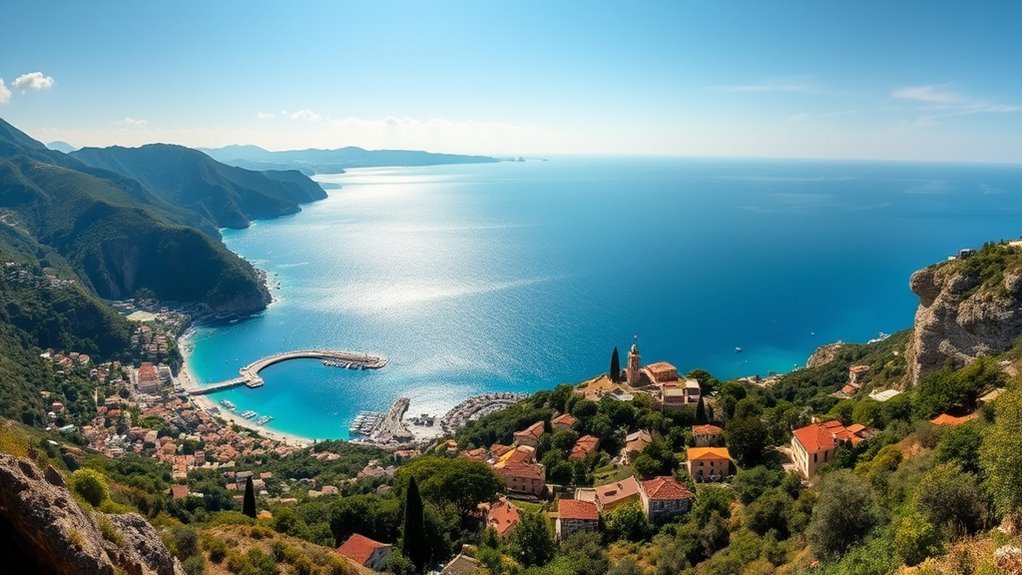
Campania packs some of southern Italy’s most memorable experiences into one region: the ancient streets of Pompeii and Herculaneum, lively Naples, Mount Vesuvius, the cliffside towns of the Amalfi Coast, the Royal Palace of Caserta, Greek temples at Paestum, and the islands of Capri, Ischia and Procida. Add Neapolitan pizza, traditional seafood and easy day-trip possibilities, and you have a region that can fill anything from a long weekend to a two-week trip.
Quick Answer
The best things to do in Campania include exploring Pompeii and Herculaneum, hiking Mount Vesuvius, eating pizza in Naples, touring the Royal Palace of Caserta, visiting the Amalfi Coast, relaxing on Ischia, seeing Paestum’s Greek temples, and spending time in Capri, Procida or Sorrento.
Key Takeaways
- Naples is the most practical base for Pompeii, Herculaneum, Vesuvius and the islands of the Bay of Naples.
- Pompeii is extremely popular: official data recorded 4,000,090 visitors in 2025, and current admission rules include named tickets and a daily entry limit.
- The Amalfi Coast is easier to enjoy when you avoid trying to drive every town in one crowded day; ferries can be useful when seasonal services are operating.
- Capri, Ischia and Procida offer very different island experiences, from dramatic scenery to thermal parks and slower-paced fishing villages.
- Spring and early autumn are usually the easiest seasons for sightseeing, hiking and combining inland attractions with the coast.
Disclosure: As an Amazon Associate I earn from qualifying purchases. Some links on this page are affiliate links, at no extra cost to you.
Discover the Ancient Ruins of Pompeii
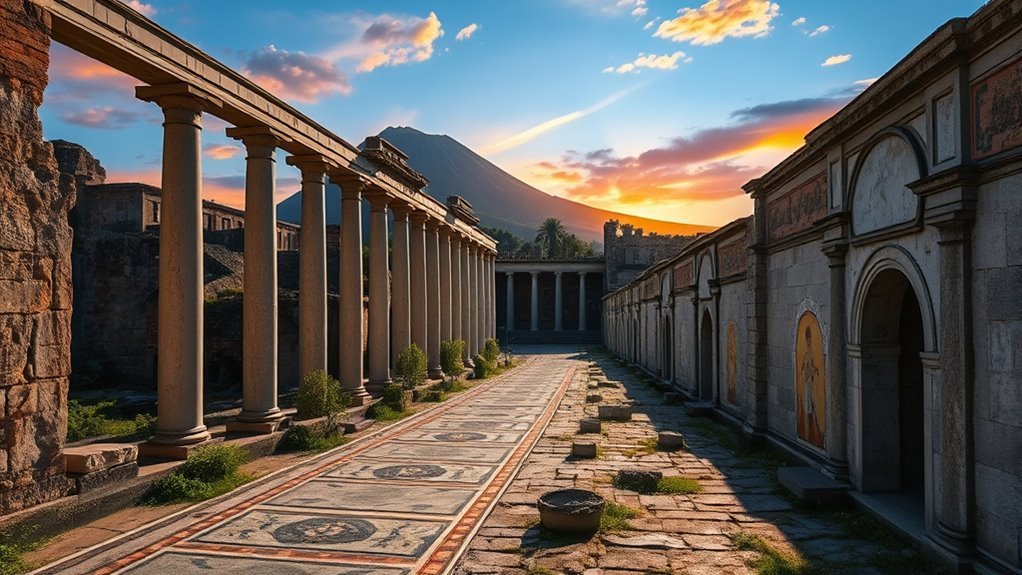
Walking through Pompeii gives you an unusually detailed look at a Roman city interrupted by the eruption of Mount Vesuvius in AD 79. According to the Archaeological Park of Pompeii, the ancient city extends over roughly 66 hectares, with streets, houses, public buildings, frescoes and everyday objects revealing how the city functioned before the eruption.
Prioritize the Forum, Amphitheater, bath complexes and a selection of decorated houses rather than trying to see every excavated street. The Villa of the Mysteries is especially famous for its large-scale wall paintings, although its location means you should allow extra walking time.
Pompeii recorded 4,000,090 visitors in 2025, according to the archaeological park’s official visitor statistics.
Pompeii is now significantly busier than the older “2.5 million visitors” figures sometimes quoted in travel guides. Current rules include named tickets and a daily admission limit of 20,000 visitors. Check the official Pompeii ticket and timetable page before your visit, especially in spring and summer.
Pro Tip: Pompeii is large and exposed. An early entry, comfortable shoes, water and a realistic list of priority buildings usually make the visit more enjoyable than trying to cover the entire site.
Explore the Preserved Charm of Herculaneum
Herculaneum was also devastated by the AD 79 eruption, but the way volcanic material buried the town preserved features that differ from those seen at Pompeii. The archaeological area is much smaller, making it easier to explore in a few hours while still seeing houses, mosaics, painted walls and elements of Roman domestic life.
The House of the Deer is one of the site’s notable residences. Official documentation from the Herculaneum Archaeological Park describes its mosaic flooring, frescoed walls, garden and decorative sculpture. Herculaneum forms part of the UNESCO World Heritage property shared with Pompeii and Torre Annunziata.
If you have time for both archaeological sites, do not treat Herculaneum as a substitute for Pompeii. Pompeii gives you a stronger sense of an entire city, while Herculaneum provides a more compact and intimate view of Roman houses and architectural detail.
Ascend Iconic Mount Vesuvius
Mount Vesuvius rises to 1,281 metres and dominates many views across the Bay of Naples. A visit to Vesuvius National Park lets you see the volcanic landscape up close while looking back toward Naples, the coast and surrounding settlements.
The best-known visitor route is Path No. 5 to the Gran Cono crater. Unlike an informal mountain walk, access to this route is regulated. The Vesuvius National Park states that admission requires online pre-purchase, and access can be suspended for safety when official weather alerts reach the specified level.
Warning: Do not arrive at the crater assuming you can buy a ticket at the trail entrance. Reserve the required entry in advance and check the park’s official notices for weather-related closures. The exposed volcanic terrain can also be hot in summer.
The hike adds useful context to a Pompeii or Herculaneum visit because you can see the volcano responsible for the AD 79 disaster while learning about a landscape that is still geologically active.
Wander Through Naples’ Historic Center
Naples’ historic centre rewards slow exploration. Its street plan reflects centuries of Greek, Roman, medieval and later development, and UNESCO has recognized the Historic Centre of Naples as a World Heritage Site since 1995.
Walk through the long streets commonly associated with Spaccanapoli, explore churches and courtyards, browse the artisan workshops around San Gregorio Armeno, and stop for coffee or street food. The district feels busy because it is not simply an open-air museum: homes, shops, religious buildings, workshops and everyday city life remain interwoven.
San Gregorio Armeno is particularly known for workshops selling handcrafted Nativity figures. Instead of rushing from landmark to landmark, allow time to look inside churches, notice building details and experience the narrow streets at walking pace.
Check Out the Royal Palace of Caserta
The Royal Palace of Caserta is one of Campania’s grandest architectural experiences. Built for the Bourbon monarchy from the 18th century, the UNESCO-listed complex combines the palace, Royal Park, gardens and the engineering system that supplied its monumental water features.
| Feature | Verified Detail |
|---|---|
| Rooms | About 1,200 rooms according to the Reggia di Caserta. |
| Royal Park | Approximately 123 hectares. |
| Water axis | About 3 km through the Royal Park. |
| Caroline Aqueduct | A roughly 38 km hydraulic engineering work designed by Luigi Vanvitelli. |
Inside, focus on the monumental staircase, Royal Apartments and decorated state rooms. Outside, the long central perspective leads through fountains toward the cascade and English Garden. The Caroline Aqueduct historically carried water to the park’s cascade and fountain system; its best-known monumental bridge section lies away from the palace itself rather than at the end of an ordinary garden stroll.
Unwind on the Scenic Amalfi Coast
The Amalfi Coast combines steep cliffs, historic towns, terraced agriculture and small beaches along the Gulf of Salerno. UNESCO inscribed the Costiera Amalfitana on the World Heritage List in 1997 for its exceptional cultural landscape.
Highlights include:
- Walking through Positano’s steep lanes and viewing its colorful cliffside houses.
- Exploring Amalfi Cathedral and the streets around the town centre.
- Visiting Ravello for elevated gardens and coastal views.
- Stopping in Vietri sul Mare for its ceramic tradition.
- Trying seafood and colatura di alici in Cetara.
- Hiking the Path of the Gods if weather, fitness and trail conditions are suitable.
The coast is beautiful but geographically demanding. Roads are narrow and traffic can be intense in peak periods. Seasonal ferries can remove some of the stress of moving between coastal towns, while Salerno and Sorrento are useful gateways from opposite ends.
Pro Tip: Avoid treating Positano, Amalfi and Ravello as a race. Choosing one or two towns per day usually leaves more time for viewpoints, meals and unplanned stops.
Discover Positano’s Beauty
Positano is the Amalfi Coast’s most instantly recognizable town, with houses climbing sharply above the sea. Spiaggia Grande provides the classic waterfront view, while the Church of Santa Maria Assunta and its tiled dome are prominent landmarks near the centre.
The town’s lanes contain boutiques, ceramic shops, cafés and restaurants, but be prepared for stairs and steep gradients. Comfortable footwear matters more here than it might appear from photographs.
Hikers can approach or leave the Positano area via the Path of the Gods, although the best-known route finishes above town near Nocelle rather than directly on the beach. Summer heat can make the exposed trail tiring, so early starts are preferable.
Visit Sorrento and the Sorrentine Peninsula
Sorrento deserves a place in a Campania itinerary even though many travelers use it mainly as a base. Its position on the Sorrentine Peninsula makes it convenient for reaching Pompeii, Capri and the western end of the Amalfi Coast.
Spend time in the historic centre, look across the Bay of Naples from the cliffs and explore the lanes around Piazza Tasso before heading down toward Marina Grande. Sorrento is also associated with the peninsula’s citrus-growing tradition and works well for travelers who want a smaller base than Naples without staying directly on the Amalfi Coast.
Rail connections link the peninsula with the Naples area, while boats serve island and coastal routes seasonally. It is therefore one of the region’s most useful transport hubs as well as a destination in its own right.
Explore Vietri Sul Mare’s Artistic Heritage
At the eastern end of the Amalfi Coast, Vietri sul Mare is closely associated with decorative ceramics. Majolica appears on buildings, church domes, public spaces and shop displays throughout town.
The ceramic tradition developed over centuries and remains visible in working shops as well as museums. The Provincial Ceramics Museum at Villa Guariglia is a useful stop if you want more context than souvenir shopping alone provides.
Vietri is also close to Salerno, making it one of the easiest Amalfi Coast towns to combine with a stay in the city. The town’s position can be especially convenient for travelers arriving from elsewhere in southern Campania.
Relax in Ischia’s Famous Thermal Spas
Ischia is known for thermal water, volcanic landscapes, beaches and spa culture. Rather than relying on an uncertain island-wide count of springs, focus on documented thermal parks and natural features.
At Poseidon Gardens in Forio, official tourism information describes more than 20 thermal pools with temperatures ranging from about 16°C to 40°C. Negombo in Lacco Ameno has 14 thermal pools, including a rock-cut pool supplied by naturally flowing sulphurous water.
Other thermal experiences include Sorgeto Bay and the fumaroles near Sant’Angelo. Ischia also rewards visitors who spend time away from the spas: the Aragonese Castle, coastal villages, gardens and beaches can easily fill several days.
Note: Thermal bathing is commonly promoted for relaxation and wellness, but it should not be treated as a guaranteed treatment for a medical condition. Follow each facility’s rules and seek appropriate medical advice if you have a condition affected by heat or immersion.
Enjoy Ravello’s Scenic Gardens and Nearby Attractions
Ravello sits more than 350 metres above the coast and offers a quieter, elevated contrast to the beachfront towns. Its two best-known garden experiences are Villa Rufolo and Villa Cimbrone.
Villa Rufolo combines medieval architecture, gardens and broad coastal views. Its lower garden is also associated with Ravello’s summer musical events. At Villa Cimbrone, the gardens are open to visitors even though the villa itself operates as a hotel, and the Terrace of Infinity provides one of the coast’s most recognizable viewpoints.
While you’re there, you can:
- Explore Villa Rufolo’s gardens and towers.
- Walk through Villa Cimbrone’s landscaped grounds.
- Visit Ravello Cathedral in the central piazza.
- Attend a concert when the seasonal program aligns with your visit.
- Combine Ravello with Amalfi or Atrani rather than trying to drive a long chain of coastal towns.
Find Peace in Procida’s Tranquility
Procida is smaller and generally lower-key than neighboring Capri and Ischia. Pastel-colored waterfront buildings, narrow lanes and fishing traditions give the island a distinct identity.
Marina Corricella is the island’s classic harbor scene, while Terra Murata provides elevated historic surroundings. Beaches such as Chiaia, Chiaiolella and Pozzo Vecchio offer different settings around the island.
Procida was named Italian Capital of Culture for 2022, becoming the first island municipality to receive the title. The designation helped draw attention to an island that had often been overshadowed by Capri and Ischia.
You can cover a surprising amount on foot, although local buses and taxis are useful when you want to cross the island more quickly. Procida works as a day trip from Naples, but staying overnight reveals a calmer atmosphere after many day visitors leave.
Spend a Day or Longer on Capri
Capri is one of the most famous islands in the Bay of Naples and a major omission from any broad list of Campania highlights. Dramatic limestone scenery, Roman-era sites, gardens and coastal viewpoints make it worthwhile even if you are not interested in the island’s luxury reputation.
Popular experiences include walking through Capri town, visiting the Gardens of Augustus, seeing the Faraglioni from coastal viewpoints and traveling toward Anacapri. Villa Jovis adds Roman history, while Monte Solaro provides a high viewpoint over the island and surrounding sea.
The Blue Grotto is famous but conditions determine whether small boats can enter, so avoid building an entire Capri day around that one attraction. Ferries and hydrofoils connect the island with ports including Naples and Sorrento, with schedules varying by operator and season.
Discover Ancient Greek Temples in Paestum
At Paestum, three monumental Doric temples survive within the remains of the ancient Greek city of Poseidonia. The archaeological site forms part of the UNESCO World Heritage property covering Cilento and Vallo di Diano National Park, Paestum, Velia and the Certosa di Padula.
The temples are among the best-preserved examples of Greek architecture in the western Mediterranean. A museum beside the archaeological area adds sculptures, painted tombs and other finds that explain both Greek and later Lucanian and Roman phases.
Architectural Marvels of Paestum
The three major temples span the 6th and 5th centuries BCE. They are commonly described as the Temple of Hera, the Temple of Athena and the Temple of Neptune or Poseidon. Modern archaeological interpretation is more nuanced than the traditional names suggest; UNESCO documentation notes that the so-called Temple of Poseidon has also been associated with Hera.
Beyond the temples, look for the remains of the city walls, streets, Roman forum and amphitheater. These features help explain how Poseidonia changed after it became part of the Roman world.
Historical Significance of the Temples
Paestum began as the Greek colony of Poseidonia and later passed through Lucanian and Roman control. Its monumental sacred architecture shows the wealth and cultural importance of the settlement during the Greek period.
The site should therefore be understood as more than three photogenic temples. Its urban remains document centuries of political, religious and architectural change in southern Italy.
Visiting Tips for Travelers
- Arrive earlier in the day: the archaeological area is open and exposed, so midday heat can be tiring.
- Visit the museum: it provides essential context for the temples and the wider settlement.
- Allow several hours: rushing only to the temples misses much of the site’s archaeological value.
- Combine carefully: Paestum works well with Salerno or the Cilento coast, but it deserves more than a quick photo stop.
- Wear practical shoes: expect uneven outdoor surfaces and significant walking.
Explore More of Cilento and Velia
Paestum is only one part of southern Campania’s larger Cilento landscape. UNESCO describes the Cilento and Vallo di Diano area as a cultural landscape shaped by long-running routes of trade and cultural exchange.
Further south, the archaeological site of Velia, ancient Elea, preserves remains of another important Greek settlement. Coastal areas around Cilento add beaches, headlands and a slower pace than the busiest destinations around Naples and the Amalfi Coast.
If you have a week or more in Campania, adding Cilento prevents the trip from becoming entirely focused on Naples and the Amalfi Coast. It is particularly worthwhile for travelers interested in archaeology, landscapes and quieter coastal towns.
Savor Authentic Neapolitan Pizza
Eating Neapolitan pizza in Naples is both a meal and a chance to experience a culinary tradition tied closely to the city. UNESCO inscribed the Art of the Neapolitan Pizzaiuolo on its Representative List of the Intangible Cultural Heritage of Humanity in 2017.
Traditional Neapolitan pizza has a soft, flexible centre and raised rim. Under the rules published by the Associazione Verace Pizza Napoletana, pizza is baked in a wood-fired oven at approximately 430–480°C for about 60–90 seconds.
Classic choices include Margherita and Marinara. Historic Naples pizzerias such as Sorbillo and L’Antica Pizzeria da Michele are widely known, but long queues are common and excellent pizza is available well beyond the most famous names.
For something easy to eat while walking, look for pizza a portafoglio, a smaller folded pizza traditionally sold as street food. The Feast of San Gennaro in September is an important Neapolitan religious and cultural event, but it should not be described as a festival celebrating pizza.
Experience Coastal Charm in Salerno
Salerno is both a worthwhile city and one of the most practical gateways to the eastern Amalfi Coast. Its historic centre preserves medieval streets and important buildings, while the waterfront creates a much more open atmosphere than the tightly packed coastal villages farther west.
Highlights include:
- Walking through the historic centre and Via dei Mercanti.
- Visiting Salerno Cathedral.
- Exploring Minerva’s Garden, historically associated with the Salerno Medical School.
- Looking across the city and gulf from elevated areas.
- Using Salerno as a transport base for Vietri sul Mare, Cetara, Amalfi and other coastal stops.
In the cooler months, Luci d’Artista transforms parts of Salerno with large-scale artistic light installations. Dates and displays vary by edition, so seasonal travelers should consult the current event program rather than relying on an old calendar.
Delight in Culinary Traditions of Cetara
The fishing village of Cetara has one of the Amalfi Coast’s strongest maritime food identities. Anchovies and tuna are central to local cooking, and its most famous product is Colatura di Alici di Cetara, an amber-colored anchovy condiment recognized as a Protected Designation of Origin.
Rather than visiting only for a photograph of the harbor, sit down for a seafood meal and look for dishes that use local anchovies, tuna and colatura in simple preparations.
Traditional Colatura di Alici
Colatura di Alici di Cetara is produced from anchovies matured under salt. During processing, the intensely flavored liquid is collected and later bottled. Its saltiness means a small quantity can season an entire pasta dish.
- Flavor: intensely savory, salty and rich in umami.
- Traditional use: often paired with spaghetti or linguine.
- Production: based on anchovies matured with salt in the defined production area.
- Protected status: registered under the European Union’s PDO quality scheme.
- Other uses: small amounts can season vegetables, seafood and dressings.
Seafood Culinary Experiences
Cetara’s culinary appeal extends beyond colatura. Menus vary with season and catch, so look for simple preparations that allow the seafood itself to remain the focus.
| Dish or Ingredient | What to Expect | Best Approach |
|---|---|---|
| Colatura di Alici | Highly savory anchovy condiment, commonly used with pasta. | Try a simple pasta preparation where the colatura remains the main flavor. |
| Fresh fish | Grilled, baked or simply seasoned depending on the day’s catch. | Ask what is fresh rather than choosing only by menu description. |
| Anchovy pasta | A salty, seafood-forward pasta reflecting the village’s anchovy tradition. | Choose a preparation with relatively few ingredients. |
| Tuna | An important part of Cetara’s fishing heritage. | Look for seasonal local preparations rather than assuming one fixed recipe. |
| Anchovy appetizer | May be marinated, salted or served with bread and local produce. | A useful way to compare different anchovy preparations in one meal. |
Local Festivities and Celebrations
Cetara’s festivals reflect its connection with fishing, seafood and local religious traditions. Tuna-centered summer celebrations have a long association with the village, while colatura is also celebrated through food events and tastings.
Festival names and dates can change from year to year, so avoid planning a trip around an old fixed September date. If a local celebration coincides with your stay, expect seafood tastings, community events and a busier waterfront than on an ordinary evening.
Choose the Best Time to Visit Campania
For a trip that combines archaeology, cities, hiking and the coast, spring and early autumn are usually the easiest periods. Temperatures are generally more comfortable for Pompeii, Vesuvius and long city walks than in peak summer, while coastal services are more active than during winter.
July and August bring the strongest combination of heat, crowds and high accommodation demand, especially in Positano, Capri and other coastal destinations. They still work well for travelers focused mainly on beaches and summer atmosphere, but advance reservations become more important.
Winter can be rewarding in Naples, Pompeii, Caserta and other cultural destinations because crowds are lighter. However, some coastal businesses and boat services operate reduced schedules, and weather can limit sea travel.
Decide How Many Days to Spend in Campania
A long weekend is enough for Naples plus one major excursion, but it is not enough for the entire region. A more realistic breakdown is:
- 3 days: Naples plus Pompeii or Herculaneum.
- 5 days: Naples, Pompeii, Vesuvius and one island or coastal day.
- 7 days: add several Amalfi Coast stops, Sorrento or an island stay.
- 10–14 days: include Caserta, Paestum, Cilento and slower island or coastal time without changing hotels every night.
Choose the Right Base
| Base | Best For |
|---|---|
| Naples | First-time visitors, food, museums, Pompeii, Herculaneum, Vesuvius and Bay of Naples ferries. |
| Sorrento | Capri, Pompeii and the western Amalfi Coast with a smaller-city atmosphere. |
| Salerno | Eastern Amalfi Coast, Paestum and travelers continuing south toward Cilento. |
| Ischia | A slower island stay focused on beaches, thermal parks and relaxation. |
Get Around Campania Without Wasting Your Trip in Traffic
Campania has enough rail, ferry and bus connections that a rental car is not essential for many first-time itineraries. Naples is the main transport hub, with regional and local services toward archaeological sites, Caserta, Salerno and the Sorrentine Peninsula.
Trenitalia’s Campania information lists regional connections and combined transport products, while the regional integrated ticket system covers multiple public-transport operators within Campania.
Ferries and hydrofoils are particularly useful for Capri, Ischia and Procida and can also help on the Amalfi Coast when seasonal routes are operating. Always use the current operator timetable because sea conditions and seasonal schedules can change.
A car becomes more useful if you are exploring inland villages or quieter parts of Cilento. It is often less useful in central Naples and along the busiest sections of the Amalfi Coast, where parking, traffic and narrow roads can become part of the problem rather than the solution.
Sources
- Archaeological Park of Pompeii — current visitor rules, ticketing and archaeological-site information.
- Herculaneum Archaeological Park — official information on Herculaneum and its preserved buildings.
- Vesuvius National Park — Gran Cono access, ticket rules and visitor safety.
- Reggia di Caserta — official palace and Royal Park statistics.
- UNESCO World Heritage Centre: Costiera Amalfitana — World Heritage status and cultural-landscape context.
- UNESCO World Heritage Centre: Cilento, Paestum and Velia — historical and archaeological context for Paestum, Velia and Cilento.
Frequently Asked Questions
What are the best cities to visit in Campania?
Naples is the essential city for first-time visitors because of its historic centre, food, museums and transport connections. Salerno is useful for the eastern Amalfi Coast and Paestum, while Sorrento is a convenient base for Capri, Pompeii and the western end of the coast.
What is Campania, Italy famous for?
Campania is famous for Naples and Neapolitan pizza, Pompeii and Herculaneum, Mount Vesuvius, the Amalfi Coast, Capri, Ischia and Procida, the Royal Palace of Caserta, Paestum’s Greek temples and a strong coastal food tradition.
What is one of the most visited attractions in Campania?
Pompeii is one of Campania’s busiest cultural attractions. The Archaeological Park of Pompeii recorded 4,000,090 visitors in 2025, which is why advance planning is especially useful during busy travel periods.
What is the prettiest town on the Amalfi Coast?
Positano is often considered the most photogenic because of its stacked cliffside houses and sea views, but “prettiest” is subjective. Ravello is better for elevated gardens and panoramas, Amalfi for history, and smaller towns such as Cetara can feel less dominated by sightseeing crowds.
How many days do you need in Campania?
Five days can cover Naples, Pompeii and one coastal or island destination, but seven to ten days is much more comfortable. Ten to fourteen days gives you enough time to add Caserta, Paestum, Cilento and overnight island or Amalfi Coast stays.
Do you need a car to visit Campania?
No. Many major sights can be reached using trains, local transport and ferries. A car is more useful for remote inland areas and quieter parts of Cilento, while it can be inconvenient in central Naples and on congested sections of the Amalfi Coast.
Conclusion
Campania is much more than a checklist of Pompeii, pizza and Positano. Naples gives the region its urban energy, Pompeii and Herculaneum reveal its Roman history, Paestum reaches farther back into the Greek world, and Caserta shows the scale of Bourbon ambition. Along the coast and islands, Capri, Ischia, Procida, Ravello, Cetara, Salerno and Sorrento each offer a different reason to slow down. Give yourself enough time, use trains and ferries where they make sense, and choose fewer places per day rather than rushing through one of Italy’s richest regions.
