

Last Updated on September 10, 2026 by Daniel Globe
Hiking is more than a pleasant way to spend time outdoors. Depending on the trail, pace, elevation gain, and pack weight, it can provide meaningful aerobic exercise while challenging the legs, hips, core, balance, and coordination. It can also support bone health, weight management, and mental well-being when it is practiced regularly and at an appropriate difficulty.
Quick Answer
Yes, hiking is good exercise. An easy trail may provide moderate aerobic activity, while steep climbs or hiking with a loaded backpack can become vigorous exercise. Hiking mainly trains the legs and cardiovascular system while also challenging balance and core stability. For complete fitness, combine it with regular strength training.
Key Takeaways
- Hiking can count toward your weekly aerobic exercise when your pace and terrain raise your breathing and heart rate.
- Uphill hiking works the quadriceps, hamstrings, glutes, calves, and core, while uneven ground also challenges balance and coordination.
- Regular physical activity supports heart health, bone health, healthy weight management, sleep, and mental well-being.
- Hiking does not fully replace progressive strength training, especially for the upper body.
- Trail difficulty matters. Steep descents, rocks, heat, altitude, and heavy packs can turn a seemingly simple walk into a demanding workout.
Disclosure: As an Amazon Associate I earn from qualifying purchases. Some links on this page are affiliate links, at no extra cost to you.
How Hiking Improves Cardiovascular Health
Hiking is an aerobic activity when it raises your heart rate and breathing for a sustained period. A brisk hike over rolling terrain can provide moderate-intensity exercise, while steep uphill hiking or hiking with a heavy backpack may reach vigorous intensity.
The Centers for Disease Control and Prevention reports that regular physical activity lowers the risk of heart disease and stroke and can help improve blood pressure. Regular activity may also improve cholesterol levels and cardiorespiratory fitness.
The benefit comes from repeated exercise over time rather than from any single hike. As your conditioning improves, a familiar trail may begin to feel easier because your cardiovascular and muscular systems have adapted to the workload.
Adults should generally aim for 150 to 300 minutes of moderate-intensity aerobic activity per week, along with muscle-strengthening activity on at least two days.
Those federal recommendations can be met through many activities, including hiking, brisk walking, cycling, swimming, and other forms of aerobic exercise. A hike only counts toward that target to the extent that its intensity is at least moderate.
How Intense Is Hiking?
There is no single exercise intensity for hiking. A flat nature trail and a steep mountain climb place very different demands on the body.
The 2024 Compendium of Physical Activities illustrates this range. It assigns approximately 3.8 metabolic equivalents, or METs, to slow hiking or ambling through fields and hillsides, 5.3 METs to normal-paced hiking through fields and hillsides, and 6.0 METs to cross-country hiking. Steep grades and carried loads can raise the energy cost substantially.
| Type of Hike | Typical Exercise Demand |
| Easy, mostly level trail | Light to moderate for many hikers |
| Brisk rolling trail | Often moderate |
| Sustained steep climb | Moderate to vigorous |
| Steep hike with a heavy pack | Often vigorous |
Note: A simple talk test can help estimate intensity. During moderate exercise, you can usually speak in sentences but not sing comfortably. During vigorous exercise, speaking more than a few words at a time becomes difficult.
Hiking for Strength and Endurance
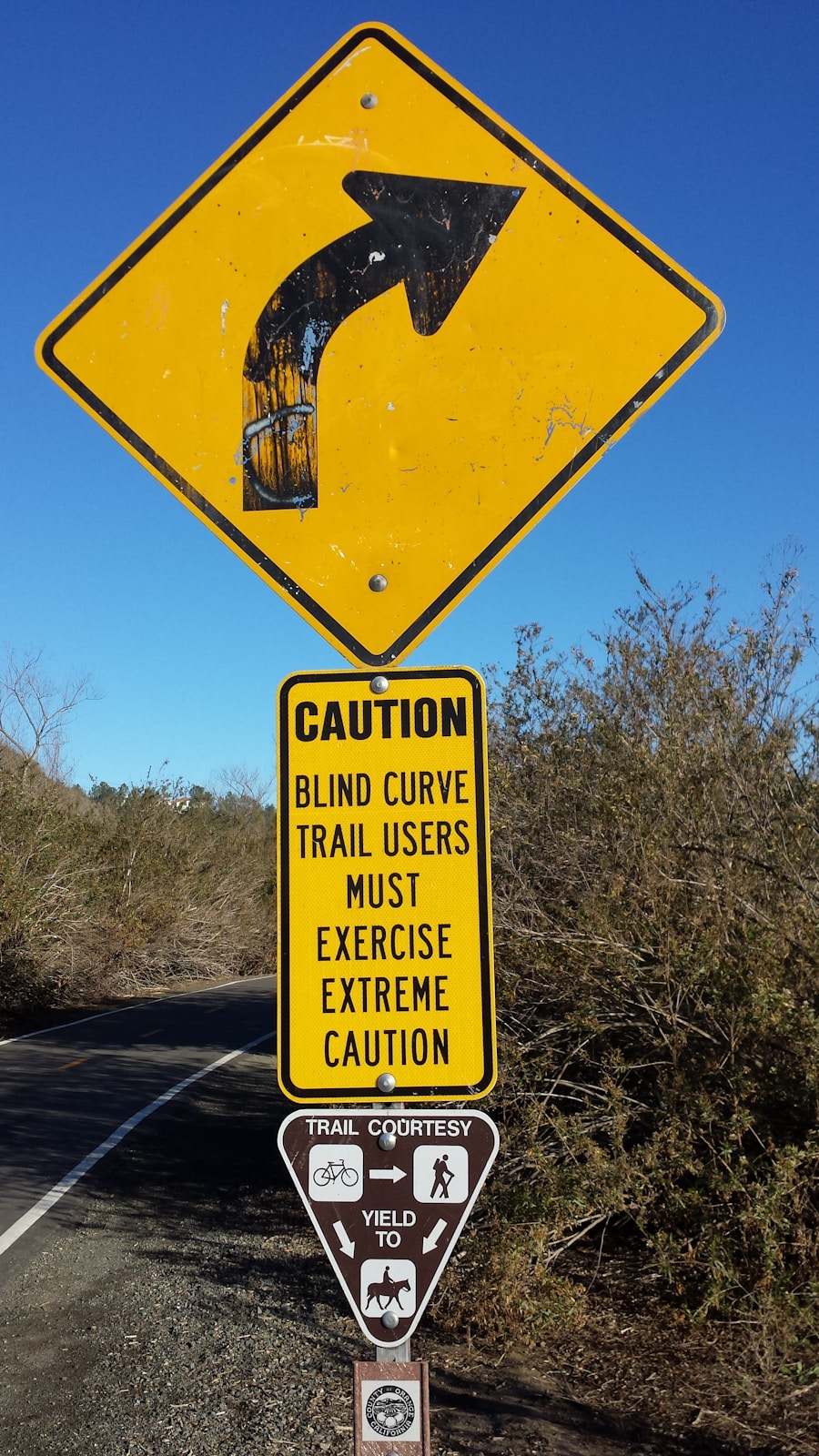
Hiking places repeated demands on the muscles that move and stabilize the lower body. On climbs, your legs must continually lift your body against gravity. On descents, those same muscles work to control each step and slow your body as you move downhill.
What Muscles Does Hiking Work?
- Quadriceps: Help straighten the knee and control downhill steps.
- Glutes: Produce much of the force needed for climbing.
- Hamstrings: Help extend the hip and stabilize the knee.
- Calves: Assist with pushing off and climbing.
- Core and hip stabilizers: Help keep the torso and pelvis stable on uneven ground.
- Upper body: Receives a greater workout when you use trekking poles, carry a backpack, or scramble over steep terrain.
Hiking also develops muscular endurance because these muscles repeat the same movements for hundreds or thousands of steps. As hikers gradually increase distance and elevation, they often become better able to sustain effort for longer periods.
That does not mean hiking replaces strength training. The CDC’s adult physical-activity guidelines still recommend muscle-strengthening activity for all major muscle groups on at least two days each week.
Pro Tip: If hiking performance is your goal, add exercises such as squats, split squats, step-ups, calf raises, rows, and loaded carries. Strong legs and hips help on climbs, while a stronger trunk and upper body make carrying a pack easier.
Hiking, Balance, Joints, and Bone Health
Uneven trails challenge balance and coordination in ways that smooth pavement does not. Roots, rocks, slopes, and changing surfaces require frequent adjustments from the ankles, hips, and core. This can make hiking useful for functional fitness when the trail matches the hiker’s abilities.
Hiking is also a weight-bearing activity. The National Institute of Arthritis and Musculoskeletal and Skin Diseases explains that weight-bearing exercise, resistance exercise, and balance training all contribute to healthy bones, muscles, and fall prevention.
However, hiking should not be described as a treatment for osteoporosis. People with osteoporosis, low bone density, significant joint problems, balance limitations, or recent injuries may need an exercise plan tailored by a health professional.
The Mental and Emotional Benefits of Hiking
| Benefit | What the Evidence Supports |
| Stress Reduction | Physical activity and time in natural settings can help reduce perceived stress. |
| Mood Improvement | Regular physical activity is associated with better mood and lower risk of depression. |
| Reduced Anxiety | Even a single session of moderate-to-vigorous activity can reduce short-term feelings of anxiety. |
| Sense of Achievement | Completing a route or reaching a personal goal can provide a meaningful sense of progress and competence. |
| Social Connection | Group hikes can combine exercise with time spent with friends, family, or a hiking community. |
Hiking combines two potentially useful experiences: physical activity and exposure to a natural environment. The CDC reports that regular physical activity can reduce anxiety and the risk of depression, while a 2024 meta-analysis of nature exposure found beneficial effects on measures that included stress, mood, depressive symptoms, and quality of life.
That does not mean hiking should replace professional treatment for anxiety, depression, or another mental health condition. Its strongest role is as a healthy activity that can complement other evidence-based approaches.
Hiking for Weight Management
Hiking can support weight management because it increases energy expenditure and can be sustained for relatively long periods. How much energy a hike uses depends on body size, duration, walking speed, elevation gain, terrain, temperature, fitness, and the weight carried.
For that reason, a single “calories burned per hour” figure is misleading. The 2024 Compendium of Physical Activities shows that even ordinary hiking ranges considerably in metabolic demand, with still higher values for steep climbing and walking with loads.
The CDC notes that physical activity helps with healthy weight management, but body-weight change also depends strongly on energy intake. Exercise is therefore most effective as part of a broader routine that includes appropriate nutrition, sleep, and sustainable activity.
Is Hiking Really a Low-Impact Exercise?
Hiking can be lower-impact than running, particularly on an easy trail at a comfortable pace. There is no airborne phase like the one that occurs with running, so peak impact forces may be lower in many walking situations.
However, “low-impact” should not be confused with “easy on every joint.” Long descents, irregular rocks, side slopes, loose surfaces, and heavy backpacks can place substantial demands on the knees, ankles, hips, and stabilizing muscles.
Someone returning from an injury should not assume that a rugged hike is automatically safer than other exercise simply because it involves walking. A flat, predictable walking route may be more appropriate during early recovery.
Warning: If you have osteoporosis, significant arthritis, heart or lung disease, balance problems, a recent injury, or another condition that affects exercise safety, ask a qualified health professional what terrain and intensity are appropriate for you. Stop exercising and seek medical care for concerning symptoms such as chest pain, fainting, severe shortness of breath, or a serious injury.
How Often Should You Hike for Fitness?
There is no required number of hikes per week. What matters is your total amount of aerobic activity, its intensity, and how well you recover.
Federal guidance recommends that most adults accumulate 150 to 300 minutes of moderate-intensity aerobic activity each week, or 75 to 150 minutes of vigorous activity, or an equivalent combination. Adults should also perform muscle-strengthening activity on at least two days each week.
A beginner might start with one or two shorter, easier hikes and use ordinary walking or other cardio on additional days. More experienced hikers can make one outing longer or hillier while keeping other sessions easier.
A Simple Weekly Fitness Example
- Monday: Full-body strength training.
- Tuesday: 30-minute brisk walk or easy hike.
- Wednesday: Rest or light mobility work.
- Thursday: Full-body strength training.
- Friday: 30-minute brisk walk, cycling session, or easy hike.
- Saturday: Longer hike at an appropriate difficulty.
- Sunday: Rest or gentle recovery activity.
The exact schedule is less important than gradually increasing difficulty and allowing adequate recovery. A hard mountain hike may require more recovery than a short walk on a level trail.
Tips for Getting the Most out of Hiking for Fitness
To make hiking an effective workout without turning every outing into a suffer-fest, adjust one or two variables at a time.
- Choose suitable footwear. Use shoes or boots that fit well and provide traction appropriate to the trail.
- Start with manageable terrain. Build distance and elevation gradually rather than making a sudden jump from easy walks to strenuous mountain routes.
- Use hills strategically. Inclines increase cardiovascular and muscular demand without requiring you to run.
- Keep an appropriate pace. A brisk but controlled pace can provide moderate aerobic exercise.
- Use intervals when appropriate. Alternate stronger uphill efforts with easier walking if you want a more demanding cardiovascular session.
- Carry only what you need. Extra weight increases exercise demand but also increases fatigue and stress on the body.
- Eat and drink appropriately. Longer, hotter, and more remote hikes require more careful hydration and fueling.
- Allow recovery. Persistent soreness, declining performance, or unusual fatigue may be signs that you are progressing too quickly.
Hiking Safety Matters as Much as Fitness
Exercise benefits do not outweigh basic trail safety. Before setting out, check the route, distance, elevation gain, weather, daylight, trail conditions, and any park alerts.
The National Park Service’s Hike Smart guidance recommends planning for changing conditions and carrying essential equipment appropriate to the trip. Depending on the location and hike, that may include navigation, sun protection, insulation, illumination, first-aid supplies, fire-starting equipment where appropriate, repair tools, food, water, and emergency shelter.
Tell someone where you are going and when you expect to return, especially when hiking alone or in a remote area. Do not rely on cell service being available.
Heat and high elevation also change exercise demands. Slow your pace when necessary, carry enough water, and turn around when weather, fatigue, pain, daylight, or trail conditions make continuing unsafe.
Pro Tip: Choose a trail based on the fitness you have today, not the fitness you hope to have. Finishing an easier route comfortably gives you a much better base for progression than struggling through a trail that is far beyond your current conditioning.
Incorporating Hiking into a Well-Rounded Fitness Routine
Hiking works best as one part of a balanced program. It can supply a large share of your aerobic activity while strengthening the legs and improving trail-specific endurance, but other exercise fills important gaps.
Two weekly strength sessions can train the major muscle groups more completely than hiking alone. Exercises such as squats, hinges, lunges, presses, rows, and loaded carries help develop strength for both daily life and outdoor activity.
Mobility work, easy walking, cycling, or other low-intensity movement can be useful between demanding hikes. Recovery matters especially after outings with long descents, high elevation gain, or a heavier-than-usual backpack.
Participating in group hikes or joining a local hiking club can also make regular activity more enjoyable. Social outings can provide motivation, but each person should still choose a pace and route suitable for their own ability.
Hiking Compared With Walking and Running
Hiking, ordinary walking, and running can all provide useful aerobic exercise, but they challenge the body differently.
| Activity | Main Advantages | Main Considerations |
| Walking | Accessible, predictable, easy to control intensity | Flat routes may provide less balance and hill-specific training |
| Hiking | Aerobic exercise plus hills, balance, varied terrain, and outdoor exposure | Trail hazards, weather, descents, and remoteness add complexity |
| Running | High cardiovascular stimulus in less time | Higher-impact and usually more demanding for beginners |
No single activity is automatically best. The strongest choice is one you can perform safely, enjoy enough to repeat, and fit into a balanced exercise routine.
Hiking also pairs exercise with travel and outdoor exploration. For separate travel-gear reading, you can see this travel razor guide. It is not a source for the health claims in this article; the scientific and government references supporting those claims are listed below.
Love travel? Join Our Facebook Community
Frequently Asked Questions
What are the health benefits of hiking?
Regular hiking can contribute to cardiovascular fitness, muscular endurance, balance, bone health, healthy weight management, and mental well-being. The size of those benefits depends on how often you hike, how hard you work, and your overall activity level.
Is hiking a good form of exercise?
Yes. Hiking can provide moderate or vigorous aerobic exercise while working the legs, hips, and stabilizing muscles. It is especially demanding when the trail includes sustained climbs, rough terrain, or a loaded backpack.
How does hiking compare with other forms of exercise?
Compared with walking on flat pavement, hiking usually adds more elevation, balance demands, and terrain variation. Running can provide a higher cardiovascular workload in less time but is generally higher-impact. Hiking can be an excellent aerobic activity, but dedicated strength training is still useful for complete muscular fitness.
What are some tips for getting the most out of hiking as exercise?
Choose trails appropriate to your ability, maintain a purposeful pace, use hills to increase intensity, increase distance and elevation gradually, wear suitable footwear, stay hydrated, and allow enough recovery after demanding hikes.
Are there any potential risks or considerations when hiking for exercise?
Yes. Uneven terrain, falls, dehydration, heat, cold, lightning, altitude, poor footwear, overexertion, and getting lost are possible risks. Check weather and trail conditions, carry appropriate essentials, tell someone your route, and turn around when conditions exceed your abilities.
Does hiking build muscle?
Hiking can improve muscular endurance and provide a strength stimulus to the legs and hips, particularly on steep terrain. However, it is not an ideal substitute for progressive resistance training if your goal is maximizing muscle strength or size.
How many times a week should I hike?
There is no fixed number. Use hiking as part of your weekly aerobic activity and choose a frequency you can recover from. Most adults should work toward 150 to 300 minutes of moderate aerobic exercise per week, or the vigorous-intensity equivalent, plus strength training on at least two days.
Sources
- Centers for Disease Control and Prevention — Health Benefits of Physical Activity for Adults — cardiovascular, mental-health, bone, balance, and chronic-disease benefits of regular activity.
- Centers for Disease Control and Prevention — Adult Physical Activity Guidelines — weekly aerobic and muscle-strengthening recommendations.
- National Institute of Arthritis and Musculoskeletal and Skin Diseases — Exercise for Your Bone Health — weight-bearing exercise, resistance training, balance, and osteoporosis considerations.
- 2024 Compendium of Physical Activities — Walking and Hiking — MET values and differences in hiking intensity.
- Bettmann et al., 2024 — Meta-analysis of Nature Exposure and Mental Health — evidence relating nature exposure to stress, mood, depressive symptoms, and mental health.
- U.S. National Park Service — Hike Smart — trail preparation, equipment, weather, altitude, and hiking safety.

