
Last Updated on July 22, 2026 by Daniel Globe
Kadıköy’s story stretches back nearly 2,700 years, from its founding as a small Greek colony to its present role as one of Istanbul’s most vibrant, culturally rich districts. Tracing that arc — through ancient trade routes, Ottoman commerce, and modern urban life — reveals how deeply history has shaped the neighborhood’s character today.
Quick Answer
Kadıköy began as Chalcedon, a Greek colony founded around 685 BC on Istanbul’s Asian shore. It later became an Ottoman trading center, and after 19th–20th century modernization grew into today’s vibrant, multicultural district known for its ferry terminal and seaside promenade.
Disclosure: As an Amazon Associate I earn from qualifying purchases. Some links on this page are affiliate links, at no extra cost to you.
Key Takeaways
Key Takeaways
- Kadıköy began as Chalcedon, a Greek colony founded around 685 BC, predating even Byzantium across the water.
- Its strategic location made it a vital trade hub during the Ottoman Empire, connecting Asia and Europe.
- Modernization in the 19th and 20th centuries brought infrastructure, diverse communities, and landmarks like the Kadıköy Ferry Terminal.
- Recent excavations near Haydarpaşa have uncovered artifacts spanning the Classical, Hellenistic, Roman, Byzantine, Ottoman, and Republican eras.
- Today, Kadıköy is an eclectic district known for its cultural festivals, artistic scene, and community activism.
The Ancient Roots of Kadikoy and Its Early Settlements

Long before it was called Kadıköy, this stretch of Istanbul’s Asian shore was known as Chalcedon, a Greek colony founded around 685 BC by settlers from Megara — a few years before Byzantium was established on the opposite shore. According to legend, an oracle called Chalcedon’s founders “blind” for overlooking the superior harbor across the strait, giving the settlement its ancient nickname, the “City of the Blind.” Some historians trace even earlier activity in the area to a Phoenician trading post near modern Fikirtepe dating back to around 1,000 BC.
Chalcedon grew into a genuine center of ancient life, home to a Temple of Apollo and a local hippodrome, and in 451 AD it hosted the Council of Chalcedon, a pivotal gathering in early Christian history. Ongoing archaeological excavations near Haydarpaşa Train Station — first uncovered during renovation work in 2018 and still continuing — have revealed remains spanning the Classical, Hellenistic, Roman, Byzantine, Ottoman, and early Republican periods, including pottery, coins, tombs, and a church linked to the martyred noblewoman Saint Bassa.
These findings confirm that the area was continuously inhabited and developed over centuries, serving as a link between inland Anatolia and the Aegean coast, and cementing its longstanding significance as a settlement along the Bosphorus long before it became modern Kadıköy.
Note: The modern name “Kadıköy” — meaning “village of the kadı (judge)” — dates from the Ottoman era, after Sultan Mehmed II granted the district to Istanbul’s first kadı following the 1453 conquest of Constantinople.
Kadikoy’s Role in the Ottoman Empire and Its Development as a Commercial Hub
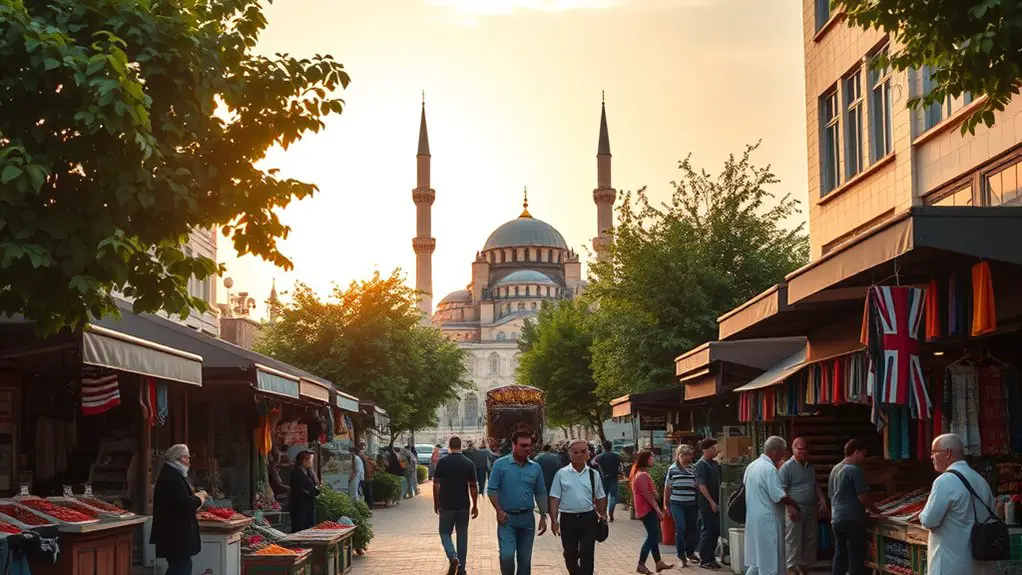
During the Ottoman period, Kadıköy’s strategic location on the Marmara coast, close to Istanbul, fueled vibrant commercial activity and helped transform it into a key trading center.
Ottoman Commercial Activities
Within the Ottoman Empire’s broader trade networks, Kadıköy became an important commercial node connecting Asia and Europe through maritime routes. As a port, it handled goods including textiles, spices, and ceramics, and its marketplaces became gathering points for merchants, fostering both economic activity and cultural exchange. This commercial vitality helped establish Kadıköy as a functioning port town within Ottoman trade, contributing to Istanbul’s broader position as a regional trade center.
Urban Expansion and Trade
As Ottoman authorities prioritized the area’s maritime position, it grew from a modest port into a more established commercial hub. This growth attracted merchants and artisans, and infrastructure — markets, warehouses, and harbor facilities — expanded to keep pace with rising trade. The movement of goods between Asia and Europe reinforced Kadıköy’s role in regional commerce and, in turn, spurred residential development that gradually shaped the district’s urban layout.
The Impact of Modernization and Urbanization on Kadikoy in the 19th and 20th Centuries
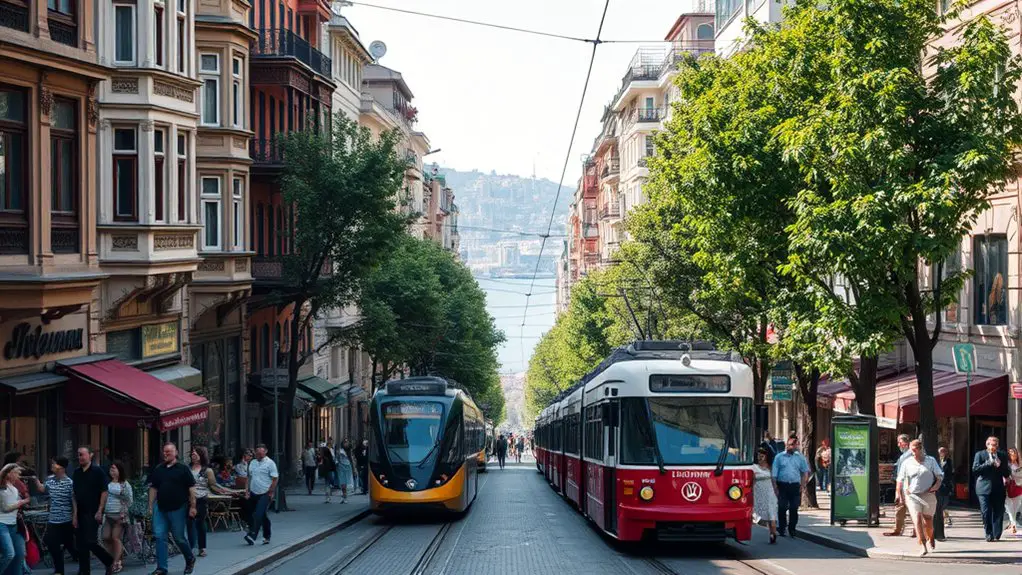
Modernization and urbanization reshaped Kadıköy considerably during the 19th and 20th centuries. New infrastructure — paved streets, rail connections (including the original Haydarpaşa train station, built in 1872), and expanded port facilities — supported trade and mobility, driving further economic growth alongside social change.
Urban development brought paved streets, modern railways, and expanded ports — transforming both Kadıköy’s economy and its society.
As Kadıköy expanded, it drew in merchants, artisans, and migrants, creating a more heterogeneous community and fostering evolving cultural norms. At the same time, modernization contributed to the gradual decline of some traditional lifestyles and customs, laying the groundwork for Kadıköy’s transition from a modest fishing village into a bustling urban district — a shift that reflects broader patterns of change across Istanbul during this period.
Key Historical Landmarks and Their Significance in Kadikoy’s Evolution
The Kadıköy Ferry Terminal reflects how maritime connectivity shaped the district’s development, serving as a hub for trade and daily transit since the Ottoman era, while the Moda Seaside Promenade shows how public space evolved into a center for leisure and social life. Together, they trace Kadıköy’s path from strategic port to cultural district.
Kadikoy Ferry Terminal
The Kadıköy Ferry Terminal has long served as a key link between the Asian and European sides of Istanbul, playing an important role in the district’s development. Its history reflects Istanbul’s growth as a maritime hub, supporting daily commuter traffic and trade. The terminal’s architecture blends functional design with historic character, having been renovated over time while retaining elements of its original maritime style, built to accommodate steadily rising passenger numbers. Today, its location and architectural character continue to underscore its importance within Istanbul’s transportation network — a lasting symbol of Kadıköy’s growth from fishing village to interconnected district.
Moda Seaside Promenade
Running several kilometers along the coast, the Moda Seaside Promenade offers a living record of Kadıköy’s transformation. Along its length are historical cafés and modern art installations reflecting the area’s layered past, while its use for strolling and cycling highlights its role as a social hub. Cafés and restaurants overlooking the Marmara Sea emphasize Kadıköy’s maritime heritage, and together these elements make the promenade a symbol of the district’s blend of history and contemporary leisure.
Cultural Influences and Community Life Throughout Kadikoy’s History
Kadıköy’s cultural influences have shaped a community that blends tradition with modernity. Diverse populations have contributed to this atmosphere over time, visible in the cultural festivals held annually — events that celebrate local customs, music, dance, and culinary traditions and help foster a shared sense of identity. Community gatherings during religious holidays and local celebrations further strengthen social bonds between residents and visitors.
The district’s layered history of diverse communities — including Greeks, Armenians, Jews, and Turks — has resulted in a multicultural fabric that persists today.
Kadıköy’s multicultural history continues to shape its community today, visible in its architecture, cuisine, and everyday interactions.
Notable Events That Shaped Kadikoy’s Identity in Contemporary Istanbul
Several developments have shaped Kadıköy’s modern identity within contemporary Istanbul, reflecting the area’s resilience, creativity, and social engagement.
- Local activism: Kadıköy has a history of demonstrations centered on environmental preservation and social justice, contributing to its reputation as a hub for civic engagement.
- Social movements: The district has been central to movements advocating for LGBT rights, gender equality, and workers’ rights, reinforcing a progressive community identity.
- Cultural festivals and archaeological discovery: Street festivals and art exhibitions celebrate Kadıköy’s cultural heritage, while ongoing excavations near Haydarpaşa continue to reshape understanding of the district’s ancient past, drawing renewed public and academic interest.
Together, these developments have shaped Kadıköy into a district associated with an open, engaged community — one shaped by activism, cultural expression, and ongoing rediscovery of its own history.
Frequently Asked Questions
How did Kadıköy transition from a fishing village to a vibrant urban neighborhood?
Kadıköy’s shift from fishing village to urban neighborhood was driven by 19th- and 20th-century economic growth and diverse cultural influences, which brought new infrastructure, increased commerce, and an expanding arts scene, shaping the modern, dynamic district seen today.
What role did Kadıköy play during the Turkish War of Independence?
Kadıköy was not passive during Turkey’s War of Independence; it functioned as a strategic point on the Asian side of Istanbul, supporting the resistance’s supply routes and coordination against occupying forces.
Are there any traditional festivals unique to Kadıköy’s history?
Kadıköy hosts cultural celebrations and community events that reflect its layered history, blending tradition with lively, contemporary festivities throughout the year.
How has Kadıköy preserved its historical architecture amidst modernization?
Kadıköy balances modernization with conservation efforts, aiming to keep historic structures intact while ensuring new development respects the district’s architectural heritage.
What are some lesser-known historical figures associated with Kadıköy’s development?
Cultural figures such as writer Ahmet Rasim and political leaders like Hüsamettin Cindoruk are associated with Kadıköy’s development, contributing to its socio-political and cultural identity over time.
Conclusion
Kadıköy’s history spans nearly 2,700 years, from its founding as the Greek colony of Chalcedon to its present life as one of Istanbul’s most vibrant districts. Ongoing excavations near Haydarpaşa continue to add new chapters to that story, even as the neighborhood’s ferries, promenades, and festivals carry its living traditions forward. In Kadıköy, ancient and modern history remain closely intertwined, continuing to shape the district’s identity today.
Sources
- All About Turkey — Kadıköy (Chalcedon) — background on Chalcedon’s founding and history
- Order of St. Andrew — Chalcedon and Its Monuments — founding date, etymology of “Kadıköy”
- Türkiye Today — Uncovering Secrets of Ancient Chalcedon — Haydarpaşa excavation findings
- Anadolu Agency — Haydarpaşa Excavations — archaeological timeline across periods
