
Last Updated on July 22, 2026 by Daniel Globe
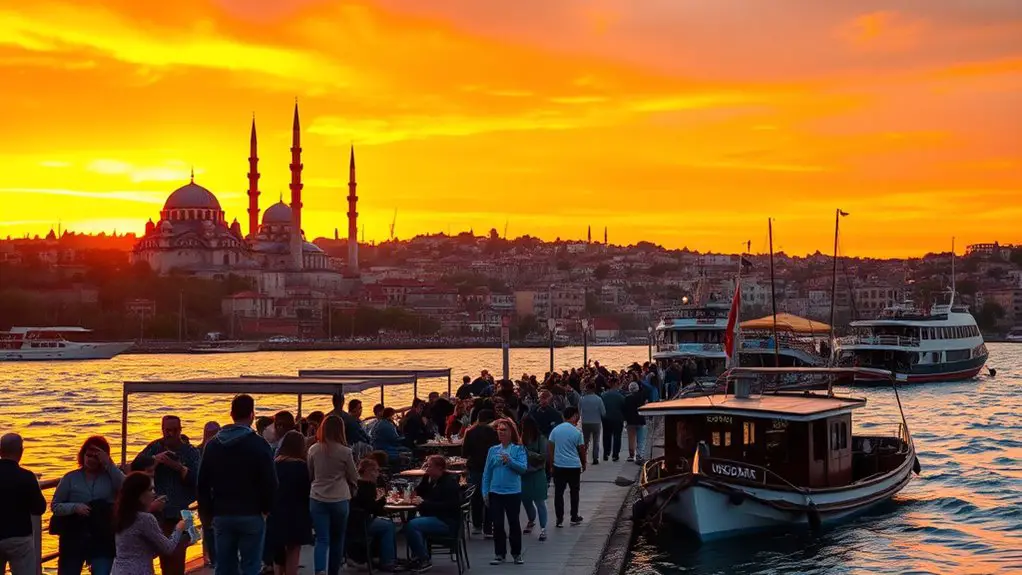
Uskudar is one of Istanbul’s oldest and most storied districts, sitting on the Asian shore of the Bosphorus directly across from the historic peninsula. Once a Greek and later Byzantine settlement guarding the strait, it flourished under Ottoman rule as a city of mosques, palaces, and waterfront pavilions. Today it blends that centuries-deep heritage with a lived-in, modern neighborhood feel — making it one of the most rewarding day trips for anyone exploring Istanbul beyond the old city.
Quick Answer
Uskudar is a historic district on Istanbul’s Asian side, settled since antiquity and shaped by the Byzantine and Ottoman empires. It’s known for the Maiden’s Tower, Mimar Sinan-designed mosques like Şemsi Pasha and Mihrimah Sultan, and a scenic Bosphorus waterfront easily reached by ferry from Eminönü or Karaköy.
Key Takeaways
- Uskudar’s roots trace back to ancient Chalcedon and Chrysopolis, strategic settlements guarding the Bosphorus entrance.
- It became a key Byzantine outpost and, after the 1078 Seljuk conquest and later Ottoman rule, a center of imperial mosque-building.
- Ottoman-era architect Mimar Sinan designed several of Uskudar’s landmark mosques, including Şemsi Pasha (1580) and Mihrimah Sultan (1548).
- The Maiden’s Tower, wrapped in Byzantine and Ottoman-era legend, remains Uskudar’s most recognizable symbol.
- Modern Uskudar balances urban development with active preservation of its historic mosques, hammams, and waterfront.
At a Glance
| Best Time to Visit | Spring (April–May) or early fall (September–October) |
| How to Get There | Ferry from Eminönü, Karaköy, or Beşiktaş across the Bosphorus |
| Must-See Spots | Maiden’s Tower, Şemsi Pasha Mosque, Mihrimah Sultan Mosque, Çamlıca Hill |
| Typical Cost | Ferry ride under $1 (paid via Istanbulkart); most mosques are free to enter |
Disclosure: As an Amazon Associate I earn from qualifying purchases. Some links on this page are affiliate links, at no extra cost to you.
The Origins of Uskudar: A Historical Overview
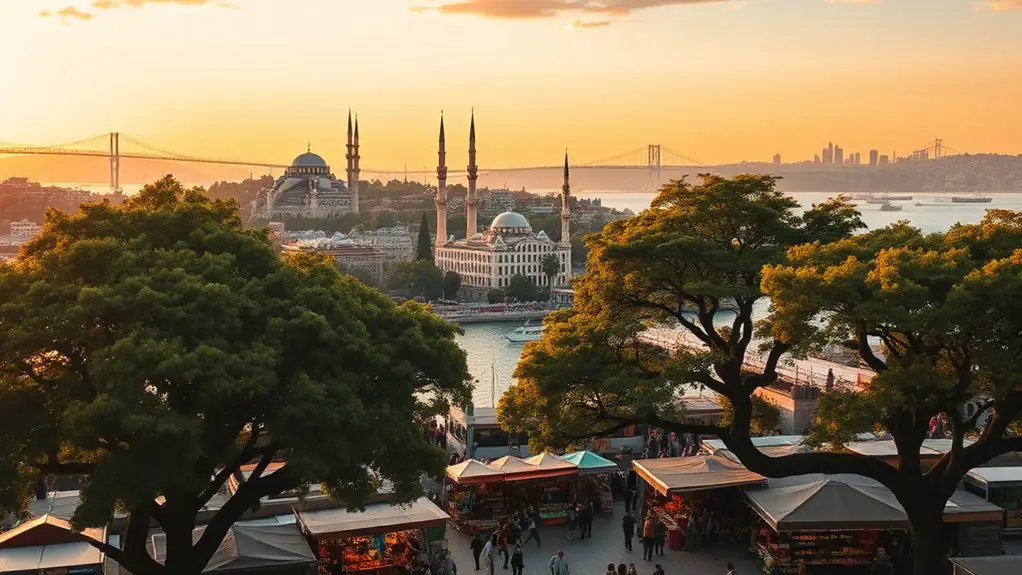
Uskudar’s history reaches back to antiquity, when the area was settled as part of ancient Chalcedon and later known as Chrysopolis. Its position at the southern mouth of the Bosphorus made it a natural stopping point for trade and military movement between Europe and Asia, and archaeological and historical records trace continuous settlement here for well over two thousand years.
The district’s strategic location meant it repeatedly changed hands and influence — from early Greek colonists to Persian campaigns, and eventually into the Byzantine sphere. That long layering of cultures set the foundation for the architectural and religious diversity still visible in Uskudar today.
Uskudar in the Byzantine Era
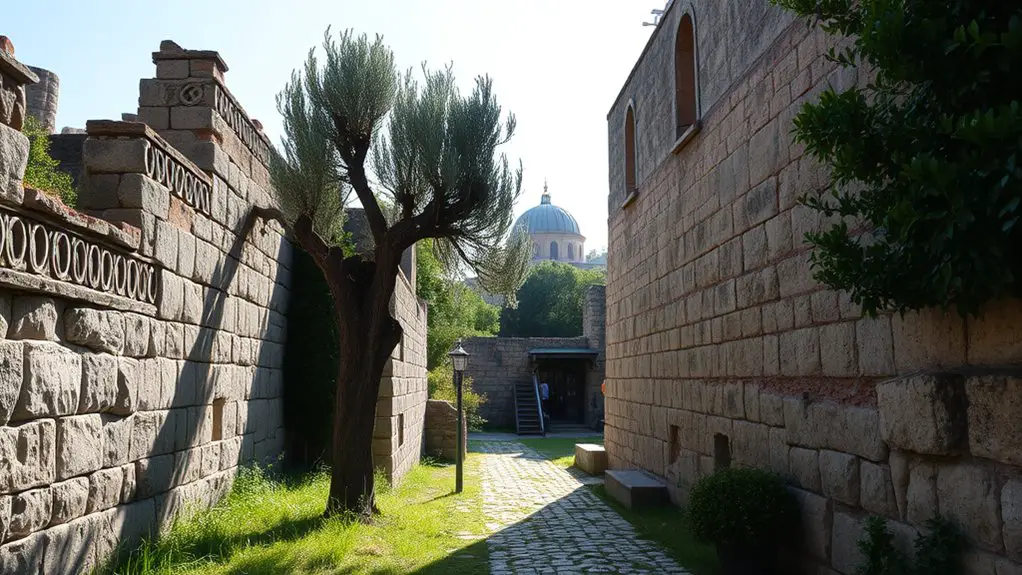
During the Byzantine period, the area functioned as a guardian point for the Bosphorus Strait, protecting the approach to Constantinople. In 1110, Byzantine Emperor Alexius Comnenus built a wooden tower on the small islet just off the coast — the structure that would evolve into today’s Maiden’s Tower — connected by chain to a matching tower across the strait as part of the city’s defenses.
Uskudar’s role as guardian of the Bosphorus Strait — anchored by the Maiden’s Tower’s Byzantine-era predecessor — highlights its enduring strategic importance connecting Europe and Asia.
Traders, soldiers, and travelers passed through the district for centuries, and remnants of that era still surface in the area’s older streets and in the layered history behind landmarks like the Maiden’s Tower itself.
The Ottoman Influence on Uskudar
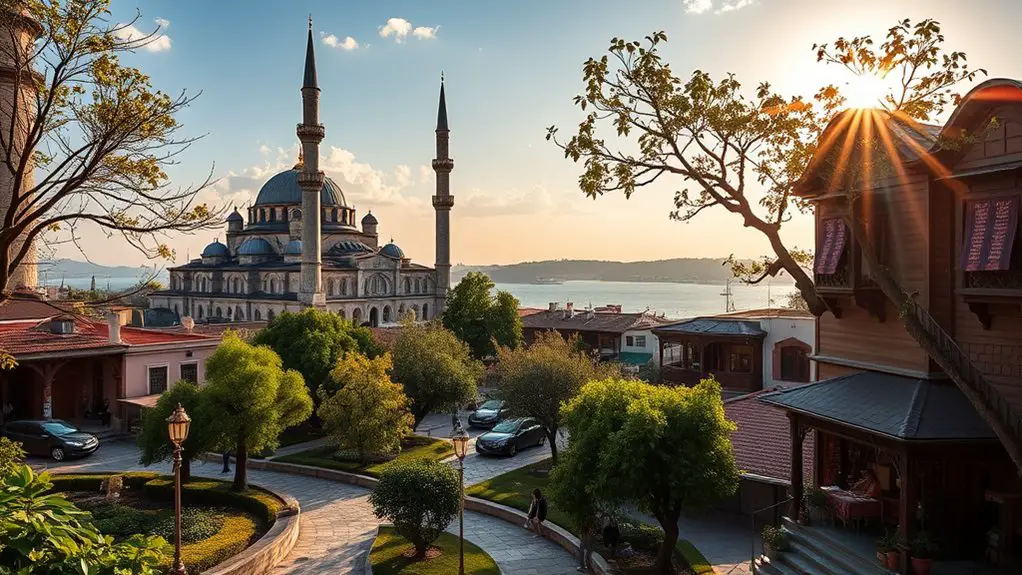
Uskudar came under Ottoman control after the empire’s rise, and the district became a favored site for imperial mosque-building. Sultans, viziers, and members of the royal family commissioned some of the era’s finest religious complexes here, many designed by the empire’s chief architect, Mimar Sinan.
- Mihrimah Sultan Mosque, completed in 1548 for Mihrimah Sultan, daughter of Suleiman the Magnificent
- Şemsi Pasha Mosque, completed in 1580 for Grand Vizier Şemsi Ahmed Pasha, built directly on the Bosphorus shoreline
- Atik Valide Mosque, completed in 1583 for Nurbanu Sultan, mother of Sultan Murad III
- Historic hammams including Şifa Bath (15th century) and Valide Atik Bath (1583)
- Bustling waterfront markets and fountains, including the Fountain of Ahmed III (1728)
This period gave Uskudar much of the architectural identity it’s known for today: waterfront mosques designed to work with the natural landscape rather than against it, and religious complexes that doubled as centers of community life.
Pro Tip: Şemsi Pasha Mosque is small enough to see in 15–20 minutes, making it easy to combine with a Maiden’s Tower ferry trip in the same afternoon.
Architectural Landmarks and Their Significance
Uskudar’s architectural landmarks reflect distinct periods of the district’s history, from Byzantine-era defensive structures to Ottoman religious complexes and Republican-era civic buildings.
Historical Significance of Buildings
Each landmark in Uskudar carries its own layered history. Here’s what’s worth seeking out:
- Maiden’s Tower: A tower on a small Bosphorus islet with roots in the Byzantine era, wrapped in centuries of legend about love, protection, and prophecy.
- Şemsi Pasha Mosque: A Mimar Sinan design from 1580, built so close to the water that waves reach its foundation walls.
- Çamlıca Hill: The highest point in Istanbul’s Asian side, offering panoramic views across the Bosphorus.
- Küçüksu Pavilion: A 19th-century Ottoman summer residence blending European and Ottoman decorative styles along the Bosphorus shore.
- Yeni Valide Mosque: An 18th-century complex commissioned by Sultan Ahmed III’s mother, reflecting late Ottoman Baroque influence.
Notable Architectural Styles
Uskudar’s skyline reflects several distinct architectural periods rather than a single style. Classical Ottoman mosque architecture — domed prayer halls, courtyards, and slender minarets designed by Mimar Sinan and his successors — dominates the district’s religious buildings. Later structures, like the Yeni Valide complex, show the more ornamented Ottoman Baroque style that emerged in the 18th century. Along the waterfront, wooden yalıs (seaside houses) and pavilions like Küçüksu reflect a lighter, more residential Ottoman aesthetic, while the modern Grand Çamlıca Mosque on the district’s hilltop reinterprets classical Ottoman and Seljuk forms for the present day.
Cultural Influences on Design
Uskudar’s built environment reflects centuries of cultural layering: Byzantine defensive engineering at the Maiden’s Tower, imperial Ottoman patronage in its mosque complexes, and 19th-century modernization visible at sites like Haydarpaşa Train Station, which marked the arrival of rail travel to the district. Walking through Uskudar Square today, you can see Sinan’s 16th-century mosques standing alongside modern cafes and shops in the same frame.
Uskudar in Modern Times
Administratively, Uskudar has evolved considerably: it was conquered by the Seljuks in 1078, became an Ottoman sanjak in 1867, a province in 1924, and finally an Istanbul district in 1926. Today it’s home to over 500,000 residents and continues to balance new development with the preservation of its historic core.
Urban Development Initiatives
Uskudar has invested in waterfront improvements, expanded green spaces, and better ferry and metro connections linking it to the rest of Istanbul. These projects aim to modernize daily life for residents without displacing the district’s historic character.
Cultural Preservation Efforts
Local authorities actively maintain Uskudar’s historic mosques, hammams, and fountains, several of which are centuries old and still in daily use. Community festivals throughout the year celebrate traditional music, crafts, and cuisine, keeping the district’s Ottoman-era heritage active rather than purely preserved behind glass.
Note: Many of Uskudar’s mosques remain active places of worship — visitors should dress modestly and remove shoes before entering.
Cultural Experiences and Attractions for Tourists
Uskudar rewards a slow, walkable visit. A few ways to experience it well:
- Try local kebab varieties and baklava at neighborhood eateries around Uskudar Square.
- Take the short boat trip out to the Maiden’s Tower for panoramic Bosphorus views.
- Time a visit around a local festival for live music, dance, and food.
- Walk the waterfront promenade, especially near sunset, for views back toward the historic peninsula.
- Visit Şemsi Pasha and Mihrimah Sultan Mosques to see Mimar Sinan’s work up close.
Frequently Asked Questions
What is the best time to visit Uskudar?
Spring (April–May) and early fall (September–October) offer mild weather, comfortable walking conditions, and smaller crowds than the summer high season.
Are there any local customs tourists should be aware of?
Dress modestly when visiting mosques, remove shoes before entering prayer halls, and greet locals with a friendly handshake or nod — Uskudar is a relatively conservative, family-oriented district compared to central Istanbul.
What is the local cuisine to try in Uskudar?
Try classic Turkish kebab varieties and finish with baklava from one of the district’s local pastry shops — Uskudar Square has several long-running eateries popular with residents.
How can I get to Uskudar from central Istanbul?
Ferries run regularly from Eminönü, Karaköy, and Beşiktaş across the Bosphorus, taking about 15–20 minutes. The Marmaray tunnel and Üsküdar–Ümraniye–Çekmeköy metro line also connect the district to central Istanbul.
Are there guided tours available in Uskudar?
Yes — walking tours covering the Maiden’s Tower, Şemsi Pasha Mosque, and other landmarks are widely available, along with Bosphorus boat tours that pass by the district’s waterfront sites.
Conclusion
Uskudar rewards visitors who take the time to slow down. From Byzantine defensive towers to Mimar Sinan’s Ottoman mosques, the district’s history is layered directly into its streets and waterfront. Combine a Maiden’s Tower boat trip with a walk through Uskudar Square’s historic mosques, and you’ll come away with a clearer picture of Istanbul’s Asian side than most quick day trips offer.
Sources
- Üsküdar Municipality — Maiden’s Tower — history and construction of the Maiden’s Tower
- Üsküdar Municipality — Şemsi Pasha Mosque — mosque history and architecture
- Wikipedia — Üsküdar — district facts and administrative history
- GoTürkiye — Üsküdar — mosque dates and visitor information
- Turkish Airlines Blog — Üsküdar — administrative history and landmarks
