
Last Updated on July 27, 2026 by Daniel Globe
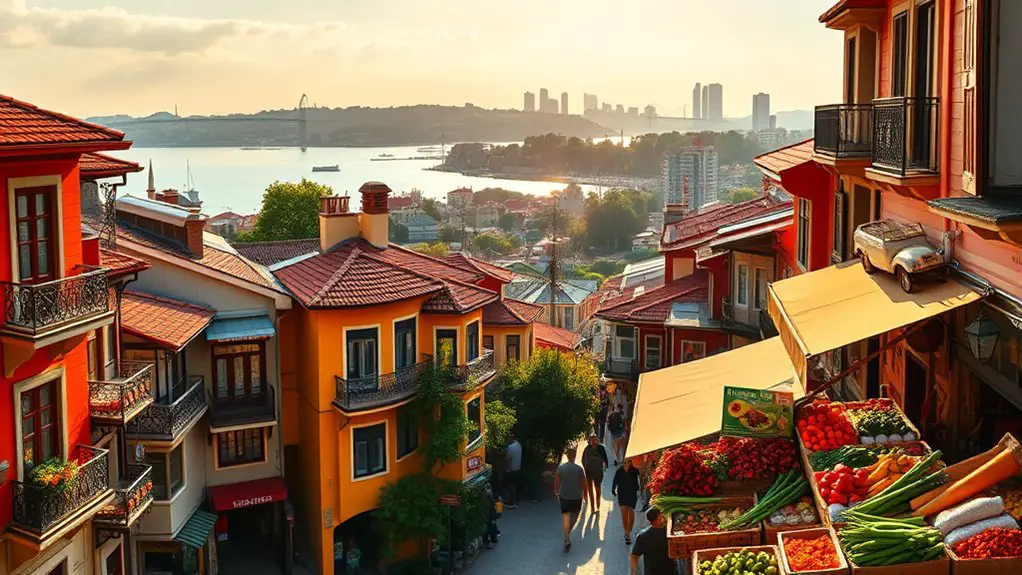
Istanbul’s Asian side—also called the Anatolian side—offers a different pace from the historic center across the Bosphorus. Kadıköy and Moda are ideal for markets, cafés, nightlife, and coastal walks, while Üsküdar, Beylerbeyi, and Çengelköy combine Ottoman landmarks with waterfront life. Better still, ferries and rail links make these neighborhoods easy to add to an Istanbul itinerary.
Quick Answer
The best neighborhoods to visit on Istanbul’s Asian side are Kadıköy for food and nightlife, Moda for cafés and Marmara Sea walks, Üsküdar for Ottoman history and Bosphorus views, Çengelköy for a village-like waterfront atmosphere, and Beylerbeyi for its palace and quieter Bosphorus setting.
Key Takeaways
- Kadıköy is the best all-round choice for markets, restaurants, bars, street life, and easy ferry connections.
- Üsküdar combines Bosphorus scenery with major Ottoman mosques and views of Maiden’s Tower.
- Moda, which is part of Kadıköy, is better for a slower afternoon of cafés, parks, shops, and walks beside the Sea of Marmara.
- Çengelköy offers a smaller-scale Bosphorus experience with cafés, fish restaurants, plane trees, and waterfront views.
- Beylerbeyi is the history pick, thanks to Beylerbeyi Palace and its quieter waterfront setting.
Disclosure: As an Amazon Associate I earn from qualifying purchases. Some links on this page are affiliate links, at no extra cost to you.
Which Asian-Side Neighborhood Is Best for You?
These five places are not all separate administrative districts. Moda is a neighborhood within Kadıköy, while Çengelköy and Beylerbeyi are within the wider Üsküdar district. For travelers, however, each feels distinct enough to deserve its own stop.
Note: Don’t try to judge Istanbul’s Asian side from one neighborhood alone. Kadıköy and Moda feel contemporary and energetic, while the Bosphorus neighborhoods around Üsküdar, Beylerbeyi, and Çengelköy lean more toward historic architecture, tea gardens, mosques, and waterfront scenery.
| Neighborhood | Best For | Don’t Miss | Best Time |
|---|---|---|---|
| Kadıköy | Food, markets, nightlife | Market streets, Bahariye, Yeldeğirmeni | Afternoon into evening |
| Üsküdar | History, mosques, sunsets | Maiden’s Tower views, Şemsi Pasha Mosque | Late afternoon and sunset |
| Moda | Cafés, parks, coastal walks | Moda waterfront and local shops | Morning or late afternoon |
| Çengelköy | Quiet Bosphorus atmosphere | Çengelköy Square and waterfront cafés | Breakfast or sunset |
| Beylerbeyi | Ottoman history | Beylerbeyi Palace | Morning or early afternoon |
Kadıköy: The Heart of Asian Istanbul
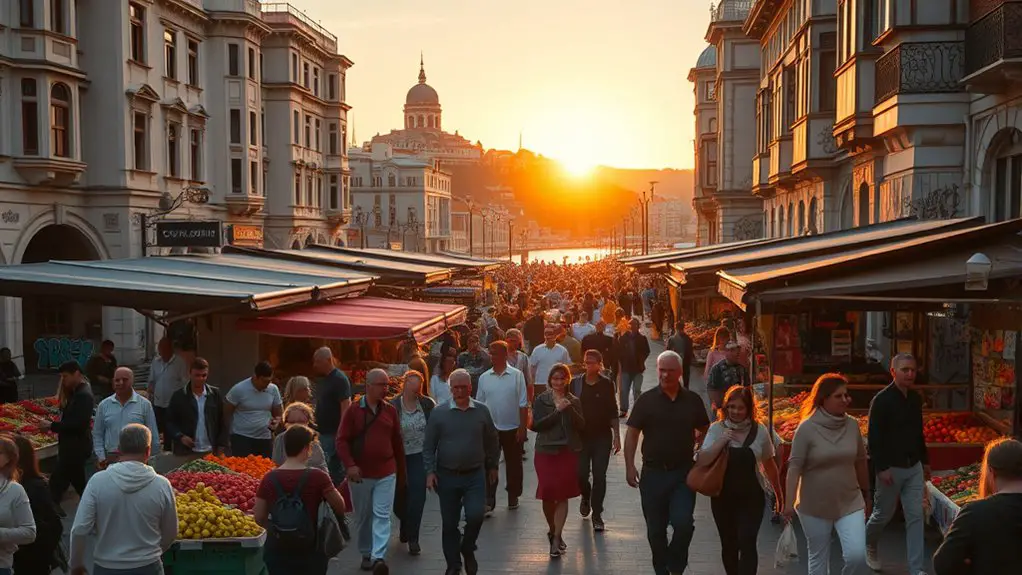
Step off the ferry in Kadıköy and the district’s energy is immediate. Streets spread inland from the waterfront toward markets, cafés, restaurants, bookshops, bars, and shopping streets, making this one of the easiest Asian-side areas to explore without a strict plan.
The market area is one of the main attractions. Produce, cheese, olives, fish, baked goods, spices, sweets, and prepared foods turn a simple walk into a good introduction to Istanbul’s everyday food culture. Türkiye’s official tourism site also highlights Kadıköy’s mix of cafés, art spaces, bars, boutiques, and restaurants. GoTürkiye’s Kadıköy guide is a useful official overview.
Kadıköy works best when you leave time to wander: the market, side streets, cafés, music venues, and ferry waterfront are all part of the experience.
For a different side of the district, walk toward Yeldeğirmeni, where murals and smaller cafés give the streets a more residential, creative feel. Bahariye Caddesi and its surrounding lanes offer another concentration of shops, food, and cultural venues.
After dark, Kadıköy becomes one of the liveliest nightlife areas on the Asian side. Traditional meyhanes, pubs, cocktail bars, live-music venues, and casual restaurants make it an easy place to stay through the evening.
Kadıköy is also an important transport hub. Ferries connect it with points such as Karaköy, Eminönü, Beşiktaş, and Kabataş, while the M4 Kadıköy–Sabiha Gökçen Airport Metro Line provides a direct rail connection across much of the Asian side.
Üsküdar: A Blend of History and Modernity
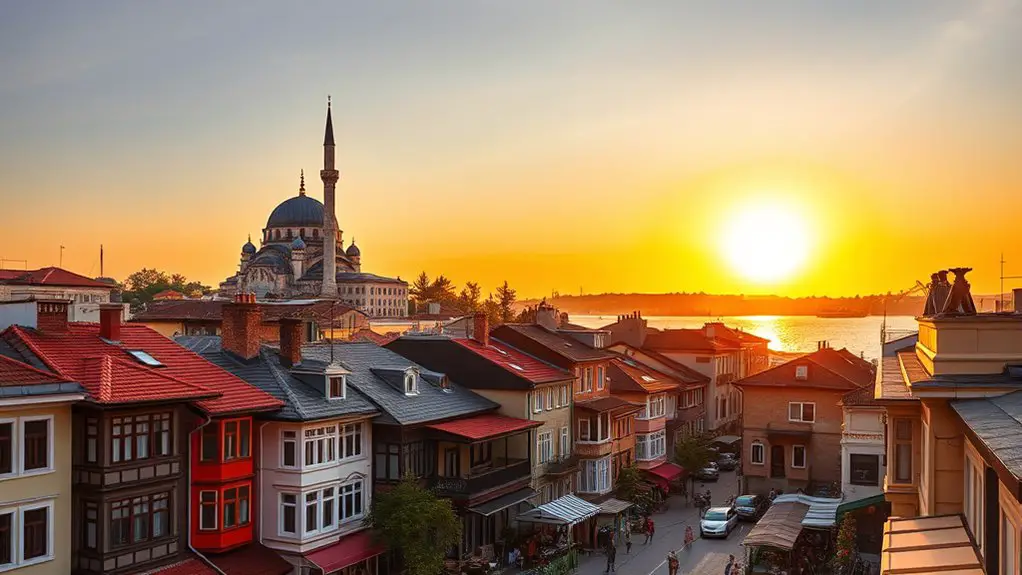
Üsküdar feels different from Kadıköy almost as soon as you arrive. Its waterfront is closely tied to the Bosphorus, historic mosques, ferry traffic, tea stops, and long views toward the European side of Istanbul.
The best-known sight offshore is Maiden’s Tower, or Kız Kulesi, which stands roughly 200 meters from the Salacak shore. You can admire it from the waterfront or visit the tower itself. At the time of this July 2026 update, the official Ministry of Culture and Tourism listing shows the tower open daily from 09:00 to 21:00, with the box office closing at 20:00. Boat arrangements can change, so check the official listing before setting out.
Closer to the ferry piers, the Mihrimah Sultan Mosque is one of Üsküdar’s signature landmarks. Designed by Mimar Sinan, it dates to the 16th century. A walk south along the shore also leads to the smaller Şemsi Pasha Mosque, another Sinan work positioned directly beside the Bosphorus.
Üsküdar is not only about monuments. Its central streets contain food shops, markets, cafés, and everyday neighborhood life. The Üsküdar fish market area near the pier is a good place to browse ingredients and see a more local side of the district.
Late afternoon is particularly rewarding. Walk toward Salacak, buy tea, and watch the sun drop behind Istanbul’s European skyline with Maiden’s Tower in the foreground.
Pro Tip: Visit Üsküdar before sunset rather than arriving only after dark. You’ll have time for the mosques and waterfront first, then can stay for one of the area’s best skyline views.
Moda: The Trendy Coastal Neighborhood
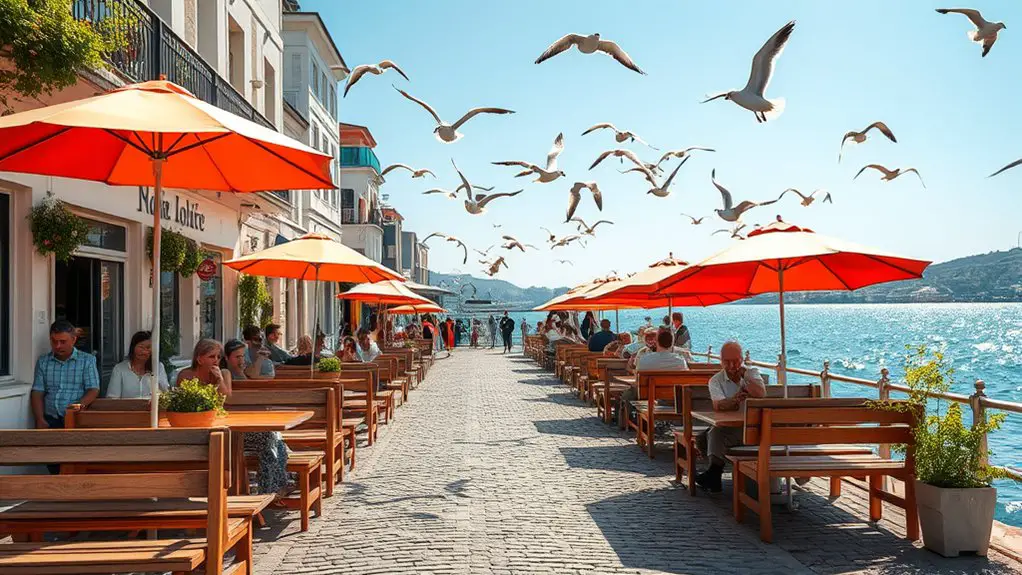
Moda is part of Kadıköy, but it is worth treating as a destination of its own. The pace becomes calmer as you move away from central Kadıköy’s market streets toward residential blocks, cafés, parks, and the coast.
One important geographic distinction is that Moda’s waterfront lies on the Sea of Marmara, rather than directly on the Bosphorus. The promenade is ideal for walking, sitting on the grass, watching ferries, and taking a break from Istanbul’s denser sightseeing areas. The official GoTürkiye Moda guide likewise places the neighborhood on the Marmara coast.
Moda’s café culture is one of its biggest draws. Turkish coffee remains easy to find, but you’ll also see modern coffee shops, bakeries, dessert counters, bars, and casual restaurants. Small boutiques and record shops add to the neighborhood’s independent character.
Art is another part of the wider Kadıköy–Moda identity. Murals and creative spaces are especially visible as you move through Kadıköy and nearby Yeldeğirmeni, while Moda itself is known more for its relaxed cafés, residential streets, music culture, and waterfront.
For an easy afternoon, walk from central Kadıköy toward Moda, stop for coffee or dessert, continue to the coast, and return toward Kadıköy for dinner. The nostalgic T3 tram is another useful way to move around the central Kadıköy–Moda area.
Çengelköy: A Picturesque Village Vibe
Farther north along the Bosphorus, Çengelköy offers a smaller-scale waterfront experience. It sits within Üsküdar district and is known for old plane trees, waterside cafés, fish restaurants, villas, and a compact neighborhood center that still feels removed from Istanbul’s busiest sightseeing zones.
Official tourism information highlights Çengelköy Fountain, Çınaraltı Mosque, the ferry-pier area, and the cafés and fish restaurants around Çengelköy Square. The appeal here is less about rushing between monuments and more about sitting beside the Bosphorus and watching daily life unfold.
| Activity | Description | Best Time to Visit |
|---|---|---|
| Walk along the waterfront | Watch Bosphorus traffic and enjoy the shoreline | Late afternoon or sunset |
| Taste local dishes | Try fish, meze, breakfast foods, tea, and desserts | Breakfast, lunch, or dinner |
| Browse local shops | Explore the streets around the neighborhood center | Morning or afternoon |
| Relax by the Bosphorus | Slow down over tea with waterfront views | Any time outside peak heat |
Çengelköy works particularly well as a breakfast stop or a relaxed pause between Üsküdar and neighborhoods farther north. It is not packed with major ticketed attractions, and that is part of its appeal.
Beylerbeyi: A Serene Waterfront Escape
Just south of Çengelköy, Beylerbeyi combines a relatively calm Bosphorus waterfront with one of the Asian side’s most important Ottoman-era palaces.
Beylerbeyi Palace was constructed between 1863 and 1865 on the order of Sultan Abdülaziz. According to Türkiye’s Presidency of National Palaces, it served as both a summer residence and a State Guest House, welcoming figures including Empress Eugénie of France and Emperor Wilhelm II of Germany.
Beylerbeyi’s strength is the combination of palace history and Bosphorus scenery rather than a long checklist of attractions.
The palace’s interiors combine Ottoman, European, and traditional Turkish influences, while the waterfront setting gives the complex a very different feel from the larger imperial sites around Istanbul’s historic peninsula.
At the time of this July 2026 update, the official National Palaces visitor page lists Monday as the closed day, with the ticket office open from 09:00 to 17:00. Opening arrangements and ticket prices can change, so check the official page before visiting.
After the palace, explore the nearby waterfront streets or stop for tea, meze, seafood, or another meal with a Bosphorus view. Unlike central Üsküdar, Beylerbeyi is not best known for a large fish market; its appeal lies more in the palace, waterfront restaurants, and quieter neighborhood atmosphere.
How to Get to Istanbul’s Asian Side
Getting across the water is part of the experience. For most visitors staying around Sultanahmet, Karaköy, Taksim, or Beşiktaş, a public ferry is the most scenic way to begin.
By Ferry
Şehir Hatları operates numerous routes linking Kadıköy and Üsküdar with the European side. Current services include connections involving Eminönü, Karaköy, Beşiktaş, and Kabataş. A separate Bostancı–Moda–Karaköy–Kabataş service also calls at Moda on selected trips.
Schedules vary by weekday, weekend, holiday, and season, so use the official Şehir Hatları timetable rather than relying on an old screenshot or blog timetable.
By Metro and Marmaray
The M4 metro begins at Kadıköy and runs east across the Asian side to Sabiha Gökçen Airport. At Ayrılık Çeşmesi, passengers can transfer to Marmaray.
The M5 metro starts at Üsküdar and runs east through the Asian side. Its latest extension to Sultanbeyli opened in May 2026. Üsküdar also connects with Marmaray, buses, and ferry piers.
Marmaray is especially useful when crossing between the European and Asian sides by rail rather than ferry.
Paying for Public Transport
An Istanbulkart is useful for travelers making repeated trips on Istanbul’s public transport network. The official Istanbulkart system includes standard cards and visitor-oriented options. Check current fares and card availability when you arrive because transport pricing can change.
Pro Tip: Take a ferry to the Asian side at least once even if rail would be faster. The crossing gives you open views of the Bosphorus, the historic peninsula, Galata, and Istanbul’s waterfront skyline for the cost of a public-transport ride.
How to Plan the Five Neighborhoods
You can technically touch all five areas in one long day, but splitting them into two clusters produces a much better visit.
Day 1: Kadıköy and Moda
Arrive in Kadıköy in the late morning, explore the market and surrounding streets, have lunch, then continue toward Moda. Spend the afternoon along the Marmara waterfront and in the cafés before returning to central Kadıköy for dinner or nightlife.
Day 2: Üsküdar, Beylerbeyi, and Çengelköy
Start with Üsküdar’s historic center and mosques. Continue north toward Beylerbeyi Palace, then finish in Çengelköy for tea or dinner beside the Bosphorus. Another option is to return to the Salacak waterfront in Üsküdar for sunset views of Maiden’s Tower.
If you have only one day, prioritize Kadıköy and Moda for contemporary city life or Üsküdar, Beylerbeyi, and Çengelköy for Bosphorus scenery and Ottoman history.
Practical Tips for Exploring the Asian Side
- Wear comfortable shoes: These neighborhoods reward walking, and some streets away from the waterfront have noticeable slopes.
- Check ferry times on the day: Service patterns can change by day and season.
- Dress respectfully at mosques: Follow posted clothing rules, remove shoes where required, and avoid disrupting worship.
- Keep small purchases flexible: Cards are common, but having some Turkish lira can still be useful for small shops and markets.
- Build in café time: The Asian side is best enjoyed at a slower pace rather than as a race between landmarks.
Warning: No large city is risk-free. Keep phones and wallets secure in crowded markets and transport hubs, avoid demonstrations, use well-lit streets at night, and check your government’s latest Türkiye travel advice before departure.
Frequently Asked Questions
What is the best time to visit Istanbul’s Asian side?
Spring and autumn are particularly comfortable for long neighborhood walks, outdoor cafés, and waterfront time. Summer has long daylight hours but can be hotter and busier, while winter brings cooler, wetter weather. The Asian side is worth visiting year-round, so weather and your preferred crowd level matter more than choosing one perfect month.
Are there public transportation options available?
Yes. Ferries connect Kadıköy and Üsküdar with several European-side piers. Kadıköy is served by the M4 metro and T3 tram, Üsküdar by the M5 metro, and Marmaray provides another rail crossing between the European and Asian sides. Buses fill many of the gaps between Bosphorus neighborhoods such as Beylerbeyi and Çengelköy.
Is it safe to explore these neighborhoods at night?
Kadıköy and central Üsküdar can remain busy well into the evening, but normal big-city precautions still apply. Keep valuables secure, stay aware in crowded transport and nightlife areas, choose well-lit routes, and avoid demonstrations. As of June 2026, the U.S. State Department advises travelers to exercise increased caution in Türkiye, so check current official travel advice before your trip.
What local dishes should I try in these areas?
Start with simit, meze, fish, Turkish breakfast dishes, cheeses, olives, pastries, and seasonal street foods. Stuffed mussels are common around busy waterfront areas. Desserts such as künefe and dishes such as çılbır are available around Istanbul, although they are Turkish specialties rather than foods unique to the Asian-side neighborhoods.
How can I find guided tours on the Asian side?
Look for tours that clearly state which neighborhoods and attractions are included rather than choosing only by price. Compare recent reviews, group size, walking distance, language, entrance fees, cancellation terms, and whether ferry or other transportation is included. Food-focused Kadıköy tours and history-focused Üsküdar routes are especially common formats.
How much time do I need for Istanbul’s Asian side?
One full day is enough for a good introduction, especially if you concentrate on Kadıköy and Moda or on Üsküdar and the Bosphorus neighborhoods. Two days are better for visiting all five areas without rushing and give you time for meals, ferry rides, waterfront walks, and Beylerbeyi Palace.
Is Kadıköy the same as Moda?
No. Kadıköy is a large district and major transport and commercial center, while Moda is a neighborhood within Kadıköy. Travelers often combine them because you can move between central Kadıköy and Moda easily on foot or by local tram.
Conclusion
Istanbul’s Asian side is worth more than a quick ferry ride and return. Kadıköy gives you food, markets, and nightlife; Moda adds a slower Marmara waterfront; Üsküdar brings Ottoman architecture and classic Bosphorus views; Çengelköy offers neighborhood-scale waterfront life; and Beylerbeyi anchors the route with imperial history. Give these areas a full day—or preferably two—and you’ll see a side of Istanbul that feels distinctly different from the city’s busiest European-side sights.
Sources
- GoTürkiye — Kadıköy — official destination information on Kadıköy’s cafés, culture, art, dining, and neighborhood character.
- GoTürkiye — Üsküdar — official information on Üsküdar’s waterfront, market, mosques, and Maiden’s Tower views.
- Republic of Türkiye Ministry of Culture and Tourism — Maiden’s Tower — official location and current visitor information.
- Presidency of National Palaces — Beylerbeyi Palace — palace history, visitor days, and ticket-office hours.
- Şehir Hatları — Istanbul Ferry Timetables — current public-ferry routes and schedules.
- Metro Istanbul — current M4, M5, T3, and other rail-system information.

