
Last Updated on July 27, 2026 by Daniel Globe
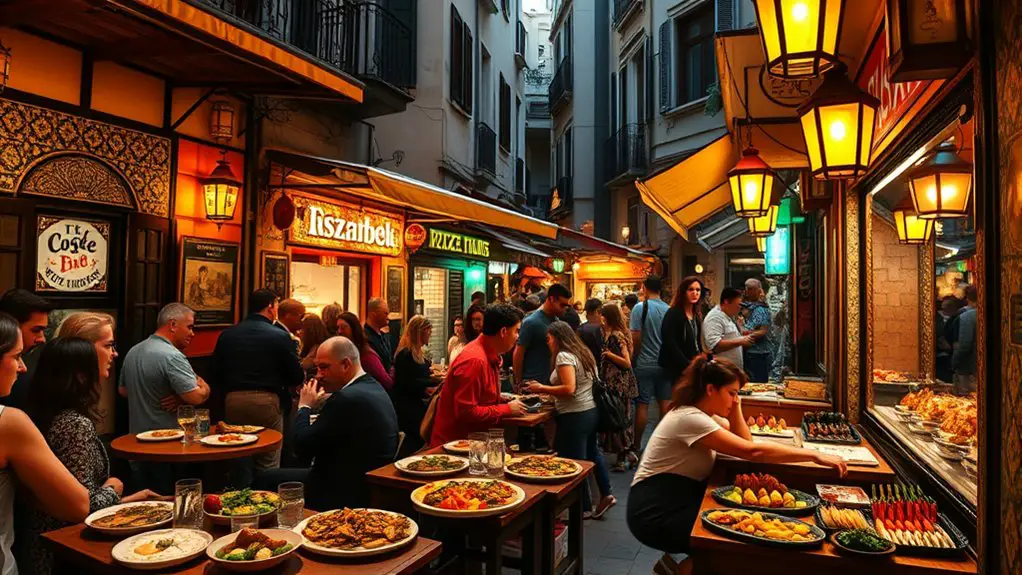
Istanbul’s meze scene is less about ordering one signature dish and more about building a table of small plates to share. Classic meyhanes lean on cold meze, warm starters, seafood, grilled dishes, and long conversations, while newer restaurants reinterpret the same flavors in modern ways. The best choice depends on whether you want an old-school Beyoğlu evening, regional Anatolian cooking, an ocakbaşı grill, or contemporary fine dining.
Quick Answer
Strong current choices include Asmalı Cavit for a classic Beyoğlu meyhane, Karaköy Lokantası for polished meze-and-rakı dining, Aheste for modern small plates, Giritli for Cretan-style meze, and Çiya Sofrası for regional Anatolian cooking. Meze by Lemon Tree, a frequent older recommendation, is now listed as permanently closed.
Key Takeaways
- Asmalı Cavit is one of the strongest choices for a traditional meyhane-style evening centered on shared meze.
- Karaköy Lokantası combines a polished setting with a dinner service built around meze and rakı.
- Çiya Sofrası is better viewed as a regional Anatolian restaurant with a broad range of vegetable dishes and small plates rather than a pure meyhane.
- Zübeyir Ocakbaşı is primarily a charcoal-grill destination, but meze makes an excellent opening to its kebabs and lamb dishes.
- Meze by Lemon Tree is closed, so older guides that still recommend it should not be used for current trip planning.
Disclosure: As an Amazon Associate I earn from qualifying purchases. Some links on this page are affiliate links, at no extra cost to you.
What Meze Means in Istanbul
Meze is the collective name for small dishes placed in the middle of the table for sharing. Türkiye’s Culture Portal describes a meze table as a mix of small portions, with many dishes served cold and additional hot dishes prepared as needed.
A meyhane is the traditional tavern-style setting most closely associated with a long meze meal. Cold dishes might include fava, roasted eggplant, yogurt-based spreads, stuffed vine leaves, seafood, or seasonal greens. Hot starters, called ara sıcak, can follow before fish or meat. GoTürkiye’s guide to Istanbul meyhane culture describes the same progression from shared cold plates to warm starters.
An ocakbaşı, by contrast, is centered on the charcoal grill. You can still order meze, but kebabs, lamb, liver, and other grilled dishes are usually the main event. That distinction matters when choosing between a restaurant such as Asmalı Cavit and a grill-focused place such as Zübeyir.
Pro Tip: For two people, start with a few cold meze and one or two hot dishes instead of ordering the whole meal at once. You can always add more after seeing the portion sizes.
Best Istanbul Meze Restaurants by Dining Style
- Classic meyhane: Asmalı Cavit in Beyoğlu.
- Polished traditional dinner: Karaköy Lokantası in Karaköy.
- Modern meze: Aheste in Pera/Beyoğlu.
- Aegean and Cretan flavors: Giritli in Cankurtaran.
- Regional Anatolian cooking: Çiya Sofrası in Kadıköy.
- Meze plus charcoal-grilled meat: Zübeyir Ocakbaşı near Taksim.
- Modern Turkish fine dining: Neolokal in SALT Galata.
Meze by Lemon Tree: Now Closed
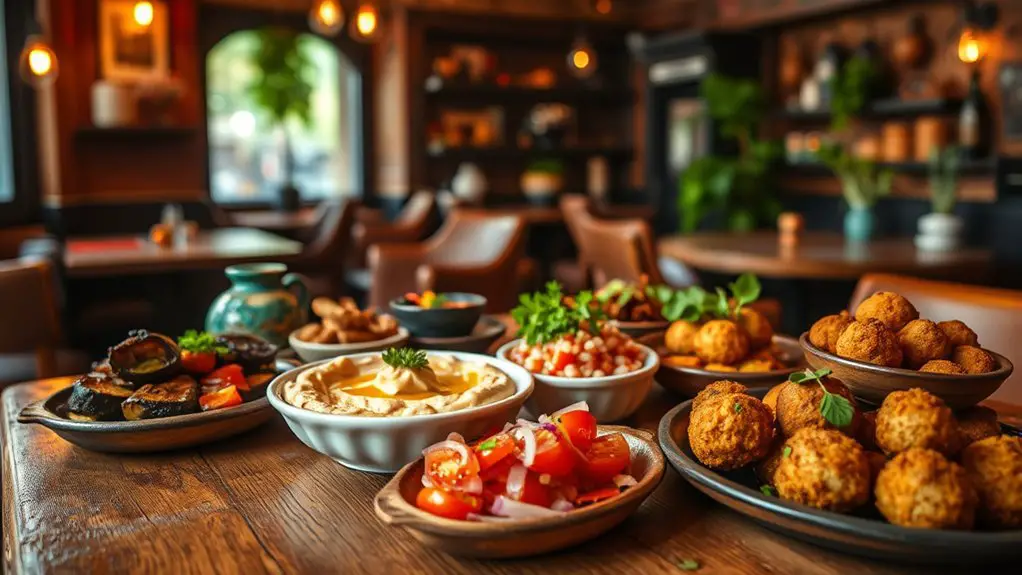
Meze by Lemon Tree earned a strong reputation for creative cold and warm meze in Beyoğlu, which explains why it still appears in many older Istanbul food guides.
Its small dining room and changing selection of shared plates made it especially popular with travelers looking for a focused meze experience near Pera.
However, current major business listings mark Meze by Lemon Tree as permanently closed. It should therefore be treated as a piece of Istanbul restaurant history rather than a place to add to a current itinerary.
If you were drawn to it for an intimate Beyoğlu dinner built around inventive small plates, nearby Aheste is a more useful current alternative. For a more traditional meyhane experience, Asmalı Cavit is another stronger present-day choice.
The lesson is important when planning food stops in Istanbul: restaurant lists age quickly, so check the venue’s current booking page or recent business listing before crossing the city for dinner.
Çiya Sofrası
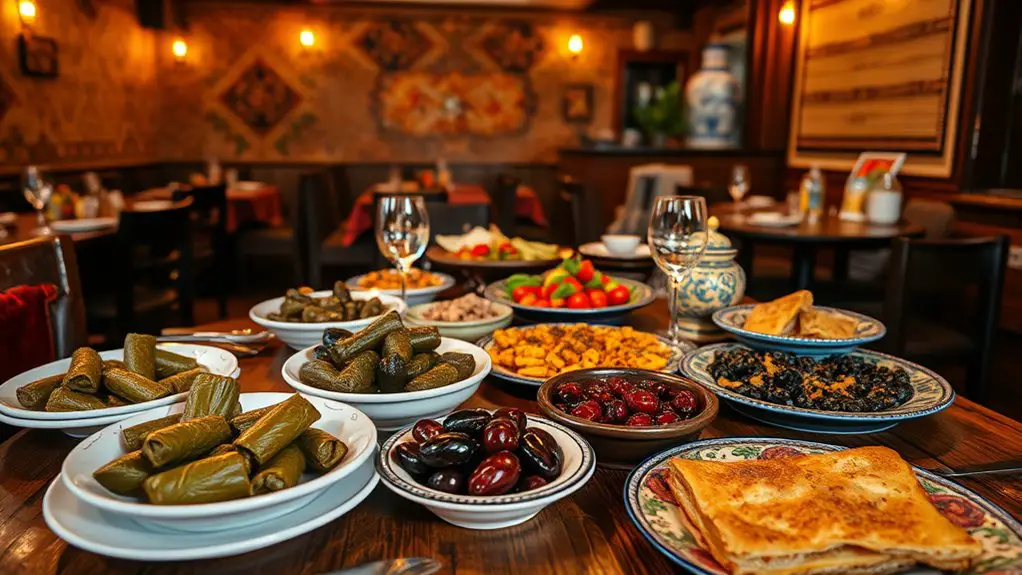
Çiya Sofrası in Kadıköy is one of the most interesting choices here, but it is best understood as a regional Anatolian restaurant rather than a conventional meyhane.
The restaurant’s own history emphasizes research into dishes from a wide geography extending across Anatolia and neighboring culinary traditions. That makes it a useful stop when you want to move beyond the standard tourist menu and sample vegetable dishes, stews, grains, kebabs, soups, sweets, and meze-style plates in one meal. You can read more about its culinary approach on the official Çiya website.
Its Kadıköy location also makes it easy to combine lunch or dinner with a walk through the surrounding market streets on Istanbul’s Asian side.
Regional Anatolian Cuisine
Çiya’s strength is variety. Instead of reducing Turkish food to a few internationally familiar dishes, it draws attention to recipes associated with different regions, communities, grains, herbs, vegetables, and cooking traditions.
That means the most rewarding approach is often to look at what is available that day rather than arriving determined to order one famous dish.
Vegetable preparations and cold dishes can work especially well for groups because they allow everyone to sample several flavors before deciding whether to add grilled meat, a stew, pilaf, or dessert.
The setting is casual compared with a formal tasting-menu restaurant, making Çiya a practical choice for travelers who care more about culinary range than ceremony.
Think of it as a tour through regional Turkish cooking rather than a textbook meyhane night.
Changing Dishes and Seasonal Variety
Part of Çiya’s appeal is that the food does not have to feel locked into one fixed international menu. The available dishes can highlight different vegetables, herbs, legumes, grains, and regional preparations.
The original version of this article claimed that the restaurant specifically sourced ingredients from nearby farms. That level of sourcing detail is not necessary to appreciate what makes Çiya distinctive and should not be assumed without confirmation from the restaurant.
Instead, focus on the broader point: Çiya is valuable because it gives diners access to a much wider range of regional Turkish food than most short visitor menus provide.
Zübeyir Ocakbaşı
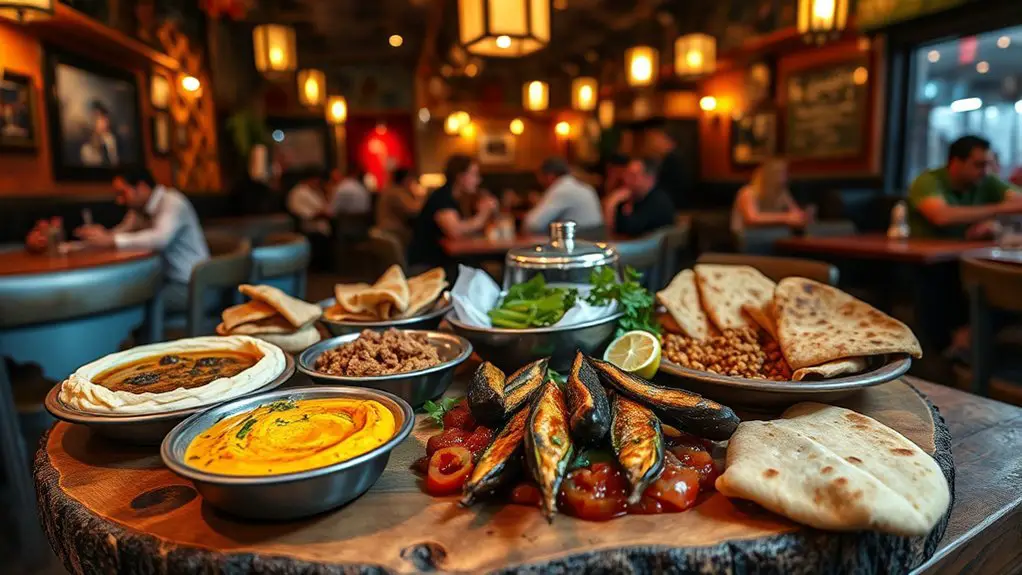
At Zübeyir Ocakbaşı, the charcoal grill is the star. The restaurant is a better fit for diners who want to begin with meze and then move into kebabs, lamb, liver, or other grilled specialties.
Its official site places the restaurant on Bekar Sokak in Beyoğlu and traces its roots to the founders’ entry into the restaurant trade in 1986. Current contact information is available through the official Zübeyir Ocakbaşı website.
This is therefore not the place to choose if your only goal is a table covered with cold meze all night. It is a strong option when your group wants both shared starters and serious charcoal-grilled meat.
Grilled Meat Specialties
The open-fire cooking defines the meal. Adana-style kebab, lamb, liver, and other grilled dishes pair naturally with cooling yogurt dishes, eggplant, salad, and fresh bread.
Rather than ordering several heavy grilled plates immediately, start with a modest spread of meze and then add meat based on the size and appetite of your group.
That pacing gives you a better sense of the ocakbaşı format and keeps the starters from becoming an afterthought.
Traditional Ocakbaşı Atmosphere
The experience centers on the heat, smoke, movement, and rhythm of a charcoal grill rather than formal fine-dining service.
For many diners, sitting where you can see the grill master work is part of the appeal. It can also make the room livelier and more aromatic than a quiet restaurant, so diners who are sensitive to smoke or strong cooking smells may prefer another style of venue.
Zübeyir works especially well for a group in which some people want meze while others are mainly interested in kebabs and grilled meat.
Gaziantep Cuisine and Meze: What to Expect
The original article treated “Gaziantep Sofrasi” as though it clearly referred to one must-visit restaurant. In Istanbul, however, similar names can refer to different businesses, so it is safer and more useful to focus on the Gaziantep culinary style unless a specific address has been verified.
Gaziantep cuisine is known for much more than cold meze. A restaurant specializing in the region may build its menu around kebabs, lahmacun, soups such as beyran, spicy pepper and walnut preparations, eggplant dishes, pistachio-rich sweets, and baked specialties.
Muhammara-style pepper and walnut spreads, eggplant preparations, yogurt dishes, salads, and spicy ezme can all fit naturally into a shared opening spread.
The meal may then move toward grilled meats or regional specialties rather than remaining a meze-only dinner.
For travelers specifically searching for the best meze restaurants in Istanbul, a classic meyhane is usually a more direct match. Choose a Gaziantep restaurant when regional southeastern Turkish cooking is the real priority.
Asmalı Cavit
Asmalı Cavit in Asmalımescit is one of the clearest matches for anyone seeking a classic Istanbul meyhane experience. The emphasis is on shared cold and hot dishes, conversation, and an unhurried progression through the meal.
For a traditional meze night in central Beyoğlu, Asmalı Cavit is a stronger current choice than many older “hidden gem” lists.
The meze selection commonly associated with the restaurant includes vegetable dishes, fava, smoked eggplant, greens, seafood preparations, and other seasonal plates. Hot dishes and grilled items can follow if you still have room.
The room is intimate and sociable rather than hushed. Tables can feel close together when the restaurant is busy, which is part of the classic meyhane energy but may not suit diners looking for a quiet fine-dining atmosphere.
Rakı is a traditional accompaniment, but it is not necessary to drink alcohol to enjoy the food. The shared-plate format works just as well with water or another beverage.
Because Asmalımescit is one of Beyoğlu’s busiest evening dining areas and tables can fill at popular times, calling ahead is sensible for a dinner you do not want to leave to chance.
Meze in Istanbul: How the Shared-Plate Tradition Works
Istanbul’s meze culture is about more than hummus and stuffed grape leaves. A good spread can combine olive-oil vegetables, yogurt dishes, legumes, herbs, eggplant, seafood, cheese, cured fish, salads, and hot starters.
Presentation varies. Some traditional restaurants show the cold dishes on a tray or in a display so you can choose visually. Other restaurants use a printed menu, while contemporary kitchens may reinterpret familiar flavors as individually plated small dishes.
The meal is usually more enjoyable when you resist ordering everything at once. Pick contrasting flavors and textures, share them slowly, then decide whether to add ara sıcak, fish, meat, or another round of meze.
The experience is as social as it is culinary. Small plates naturally encourage everyone at the table to taste the same dishes and compare favorites.
That is why a good meyhane meal can easily become the main event of the evening rather than a quick stop before something else.
Neolokal
Neolokal belongs in this guide as a modern Turkish fine-dining alternative, not as a traditional meyhane. Located in SALT Galata, the restaurant uses contemporary technique to explore Turkish culinary heritage.
The MICHELIN Guide’s 2026 Türkiye selection identifies Neolokal as a One-MICHELIN-Star and Green-Star restaurant, highlighting its connection to Turkish culinary traditions and sustainability.
Current restaurant information also makes an important distinction for travelers: Neolokal serves a tasting-menu format rather than functioning as a casual à-la-carte meze restaurant. Its published 2026 menu listed the tasting menu at 8,500 TL per person, with beverage pairings extra and service/gratuity handled separately. Check the current menu before booking because pricing and dishes can change.
The food may reference familiar ingredients such as lakerda, olive-oil vegetables, grains, seafood, lamb, or traditional desserts, but the presentation and pacing are firmly in fine-dining territory.
Choose Neolokal when you want a special-occasion interpretation of Turkish culinary heritage. Choose Asmalı Cavit, Karaköy Lokantası, or Giritli when a traditional shared meze table is the main goal.
Note: Restaurant menus, service charges, hours, and reservation policies in Istanbul can change. Confirm the current menu and booking terms directly with the restaurant before making a special trip.
Three More Verified Meze Restaurants Worth Adding
Karaköy Lokantası
Karaköy Lokantası is one of the biggest omissions from the original article. The family-run restaurant describes its evening service as a traditional tavern experience built around meze and rakı.
The MICHELIN Guide also recognizes it for Turkish and Mediterranean cooking, highlighting its selection of mezze and shared plates. It is an excellent choice when you want classic flavors in a polished setting close to Karaköy’s waterfront.
Aheste
Aheste in Beyoğlu takes a more contemporary approach. MICHELIN specifically highlights its modern interpretation of mezze and the availability of vegetarian dishes.
This is a strong replacement for diners who liked the idea of the inventive, intimate Meze by Lemon Tree but need a restaurant that is currently operating.
Giritli
Giritli in Cankurtaran is particularly useful for visitors staying around Sultanahmet and the Historic Peninsula. Its cooking draws on Cretan and Aegean traditions, with a strong focus on vegetables, seafood, herbs, and mezze.
MICHELIN specifically points diners toward its mezze set menu, making it one of the clearest choices for travelers who want a structured meze-focused meal rather than assembling every plate individually.
How to Order Meze Without Overdoing It
A common first-timer mistake is ordering enough cold dishes to fill the table before any hot starters arrive. A better approach is to build the meal in stages.
- Start with contrast. Pick a vegetable dish, a yogurt-based plate, something made with legumes or grains, and perhaps a seafood option.
- Add one or two hot starters. Ask what the restaurant recommends that evening instead of automatically ordering every familiar item.
- Pause before the main course. You may discover that another small plate is more appealing than a full fish or meat entrée.
- Ask what is seasonal. A good meyhane may have greens, seafood, or vegetable preparations that are not the same throughout the year.
- Check the bill structure. Ask about service charges, cover charges, or set-menu rules before ordering when they are not clear.
Warning: Do not assume a vegetable-looking meze is automatically vegan or allergen-free. Yogurt, cheese, butter, tahini, walnuts or other nuts, fish, shellfish, and wheat can appear in sauces, garnishes, or fillings. Tell the restaurant about serious allergies before ordering.
Best Istanbul Neighborhoods for a Meze Night
Beyoğlu and Asmalımescit are the easiest areas for travelers who want a traditional evening atmosphere and several restaurants within walking distance. Asmalı Cavit, Aheste, and Zübeyir are all in the broader Beyoğlu area, although they represent different dining styles.
Karaköy works well when you want a polished dinner and an evening walk around the waterfront. Karaköy Lokantası is the most obvious meze-focused choice in this guide, while Neolokal offers a much more formal tasting-menu experience nearby.
Kadıköy is the better choice when regional Turkish food and market atmosphere matter more than a classic European-side meyhane. Çiya Sofrası is the standout from this list.
Cankurtaran and the Historic Peninsula are convenient for travelers staying around Sultanahmet. Giritli gives you a meze-focused option without requiring a trip across town after a full sightseeing day.
Frequently Asked Questions
What is the best time to visit these meze restaurants?
Meze restaurants are a year-round experience, so there is no single “best season.” For dinner, arriving before the busiest evening period can make the meal feel more relaxed. Spring and fall are particularly pleasant when you want to combine dinner with outdoor seating or a neighborhood walk, but restaurant opening days and reservations matter more than the season.
Are reservations recommended for Istanbul meze restaurants?
It depends on the restaurant. Booking ahead is sensible for popular evening venues such as Asmalı Cavit, Aheste, Karaköy Lokantası, Giritli, and especially tasting-menu restaurants such as Neolokal. Casual restaurants such as Çiya Sofrası are more walk-in friendly, although busy periods can still produce waits.
Do these restaurants offer vegetarian or vegan meze?
Vegetarian choices are common because Turkish meze frequently uses eggplant, beans, lentils, herbs, peppers, olive oil, and other vegetables. Vegan diners should still ask about yogurt, cheese, butter, eggs, honey, and seafood ingredients. Menus change, so confirm dietary requirements with the restaurant rather than assuming a dish is suitable from its name alone.
What is the average price range for meze dishes?
There is no reliable citywide dollar range. Prices vary sharply between neighborhood meyhanes, polished restaurants, seafood venues, and fine dining, and menus can change quickly. Check the restaurant’s current prices in Turkish lira and ask whether bread, water, cover charges, or service are billed separately. Neolokal, for example, is a tasting-menu restaurant rather than a normal per-plate meyhane and publishes a much higher set-menu price.
Are there special events or promotions at these restaurants?
Events, set menus, seasonal dishes, and special-night policies change too often for a permanent guide to promise them. Check the restaurant’s official website or booking channel shortly before your visit, especially around holidays, festivals, or major celebrations.
What should two people order at a meyhane?
A practical starting point is several contrasting cold meze plus one or two hot starters. Eat those first, then decide whether you still want fish, grilled meat, or another small plate. Portions vary by restaurant, so ordering in stages usually works better than filling the table immediately.
Conclusion
Istanbul offers several different versions of a meze night, so the best restaurant depends on the experience you want. Choose Asmalı Cavit for classic meyhane atmosphere, Karaköy Lokantası for polished traditional dining, Aheste for modern mezze, Giritli for Cretan and Aegean flavors, or Çiya Sofrası for a broader look at regional Anatolian cooking. Zübeyir is best when charcoal-grilled meat matters as much as the starters, while Neolokal is the splurge option for contemporary Turkish fine dining. Most importantly, skip outdated recommendations that still send diners to the now-closed Meze by Lemon Tree.
Sources
- GoTürkiye — Istanbul Meyhane Culture — traditional meyhane, meze, and ara sıcak dining structure.
- Türkiye Culture Portal — Traditional Meze — official cultural background on cold and hot meze.
- Çiya official website — restaurant background and regional culinary approach.
- Zübeyir Ocakbaşı official website — current restaurant identity, location, and ocakbaşı focus.
- Karaköy Lokantası official website — current lunch and dinner format, including evening meze-and-rakı service.
- MICHELIN Guide Türkiye 2026 selection — current recognition and sustainability context for Neolokal.
