
Last Updated on July 27, 2026 by Daniel Globe
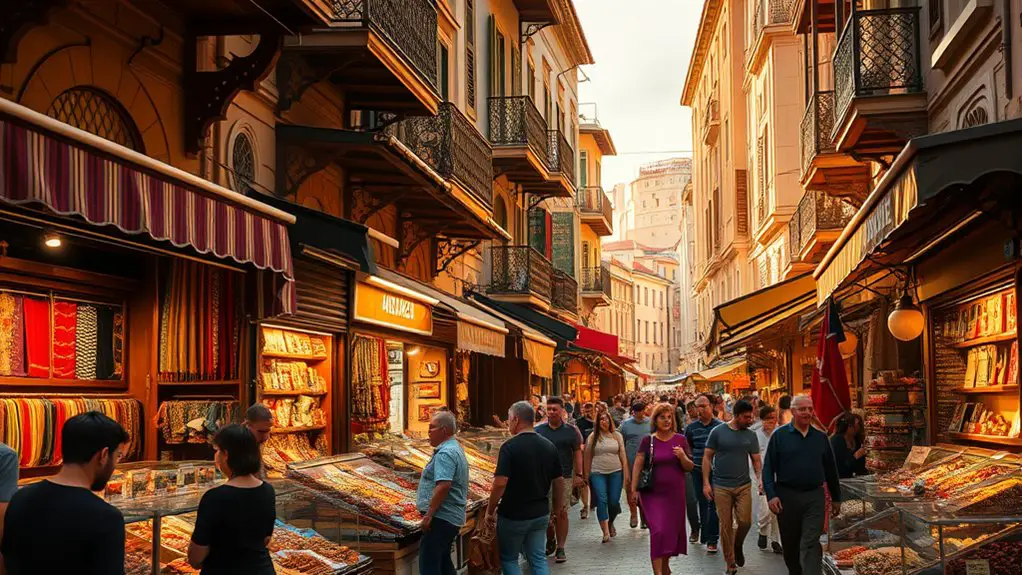
Istanbul shopping ranges from centuries-old covered bazaars to designer streets, neighborhood markets, independent boutiques, and international brands. The seven places below are not all administrative “districts”; they are a mix of markets, neighborhoods, and shopping streets. Together, they cover some of the best places to shop in Istanbul, whether you want Turkish crafts, food gifts, fashion, antiques, or everyday local finds.
Quick Answer
For traditional souvenirs and crafts, start at the Grand Bazaar and Spice Bazaar. Choose Nişantaşı for luxury fashion, Kadıköy for food and independent shops, Beşiktaş for a lively local atmosphere, Galata for design boutiques, and İstiklal Avenue for mainstream brands, historic passages, cafés, and entertainment.
Key Takeaways
- The Grand Bazaar is best for carpets, jewelry, leather goods, ceramics, lamps, textiles, and traditional souvenirs; bargaining is common in many independently run shops.
- Nişantaşı is the strongest choice for luxury labels, Turkish designers, upscale cafés, and polished fixed-price retail.
- Kadıköy combines a lively food market with independent clothing, books, ceramics, cafés, and everyday neighborhood shopping.
- Beşiktaş is more local and casual, pairing neighborhood shops and markets with cafés, street life, art, and nightlife.
- Galata and İstiklal work well for independent design, historic passages, contemporary shops, international brands, cafés, and sightseeing in the same outing.
Disclosure: As an Amazon Associate I earn from qualifying purchases. Some links on this page are affiliate links, at no extra cost to you.
Where to Shop in Istanbul at a Glance
| Shopping Area | Best For | Shopping Style | Bargaining? |
|---|---|---|---|
| Grand Bazaar | Carpets, jewelry, leather, ceramics, textiles, souvenirs | Historic covered bazaar | Often |
| Spice Bazaar | Spices, tea, nuts, dried fruit, Turkish delight | Historic food market | Sometimes |
| Nişantaşı | Luxury fashion and Turkish designers | Boutiques and premium retail | Usually no |
| Kadıköy | Food, books, crafts, casual fashion | Neighborhood market and independent shops | Depends on seller |
| Beşiktaş | Local shopping, fashion, markets, cafés | Busy neighborhood streets | Sometimes in markets |
| Galata | Independent design, jewelry, gifts, art | Boutiques and cafés | Usually no |
| İstiklal Avenue | International brands, passages, books, fashion | Major pedestrian shopping street | Usually no |
Grand Bazaar
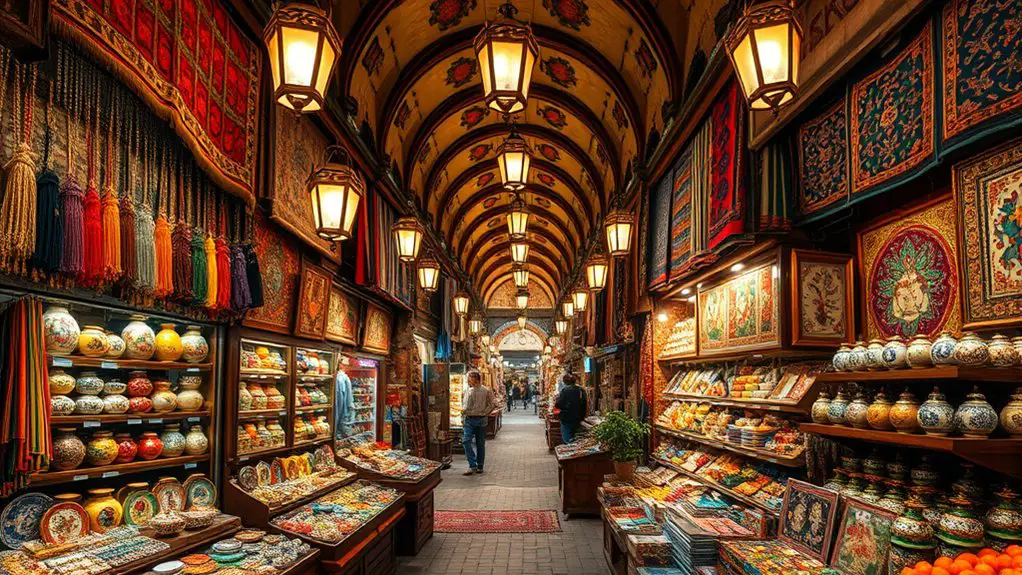
Stepping into the Grand Bazaar, or Kapalıçarşı, means entering a maze of covered streets filled with jewelry, textiles, carpets, leather goods, ceramics, lamps, antiques, and souvenirs. Its history reaches back to the 15th-century Ottoman period, making shopping here as much a cultural experience as a retail one.
Published shop counts vary. Istanbul’s official tourism site describes the Grand Bazaar as having more than 4,000 shops, while the Grand Bazaar trades association publishes a more limited current breakdown of businesses by category. The safest description is simply that the complex contains thousands of shops and businesses.
Haggling remains part of the experience in many independently operated stores, particularly for carpets, jewelry, leather products, and decorative goods. It is not a rule that every seller must negotiate, however. Ask the price first, compare similar goods at several shops, and make a counteroffer only if you are genuinely interested in buying.
Pro Tip: For expensive carpets, jewelry, antiques, or leather goods, compare several sellers before committing. Ask for an itemized receipt describing the material, size, weight, or other important specifications rather than relying only on a verbal promise.
Take breaks at cafés in and around the bazaar, and wander beyond the busiest entrances if you want to see quieter lanes. The Grand Bazaar is not simply a souvenir stop; it remains a working commercial center with businesses ranging from jewelers and textile merchants to repair workshops, cafés, and specialist traders.
The T1 tram makes access straightforward. Beyazıt-Kapalıçarşı is the most convenient named stop for the bazaar, while Çemberlitaş is also nearby.
Spice Bazaar
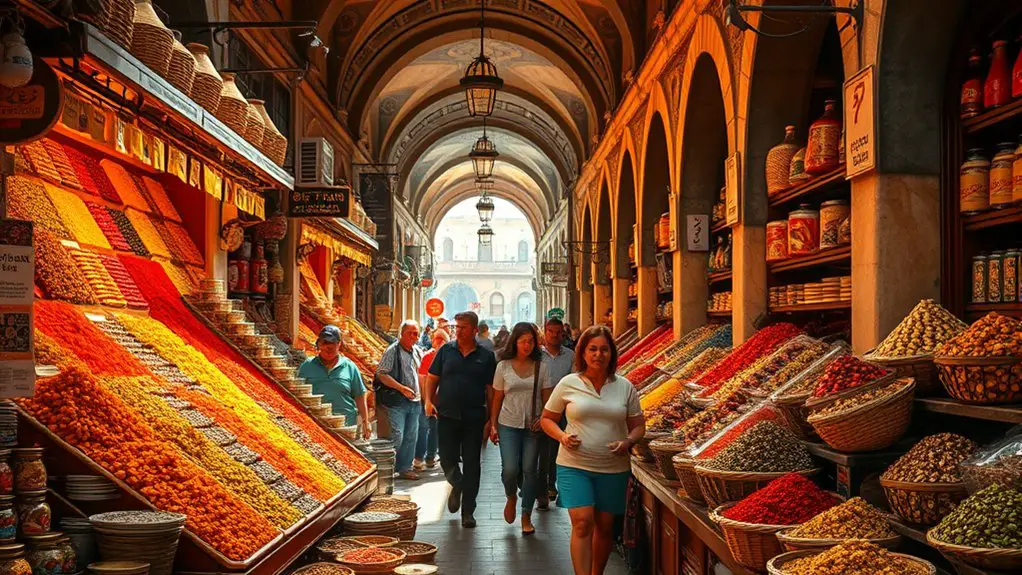
The Spice Bazaar, also known as the Egyptian Bazaar or Mısır Çarşısı, sits in Eminönü behind the New Mosque. It is in the same Historic Peninsula sightseeing zone as the Grand Bazaar, although the two markets are separate rather than next door to each other.
According to Istanbul’s official tourism site, the present bazaar building dates to 1660. Spices remain an important part of the experience, but today’s stalls also sell tea, nuts, dried fruit, Turkish delight, delicatessen products, sweets, souvenirs, and other foods.
| Spice | Common Use | Shopping Tip |
|---|---|---|
| Saffron | Rice, desserts, sauces and coloring dishes | Ask about origin and compare thread quality and price before buying. |
| Sumac | Salads, onions, grilled meats and mezze | Look for a fresh, tart aroma and buy an amount you can use while it is flavorful. |
| Cumin | Meat dishes, legumes, soups and seasoning blends | Whole seeds generally keep their aroma longer than pre-ground spice. |
| Turmeric | Rice, soups, sauces and spice mixtures | Choose clean, well-sealed packaging if you intend to pack it in luggage. |
Sampling before buying is common for some sweets and dried foods. For anything you plan to take home internationally, choose sealed packaging and check the food-import rules of your destination country before traveling.
Note: The Spice Bazaar is Mısır Çarşısı. It is in Eminönü, not on İstiklal Avenue.
Nişantaşı
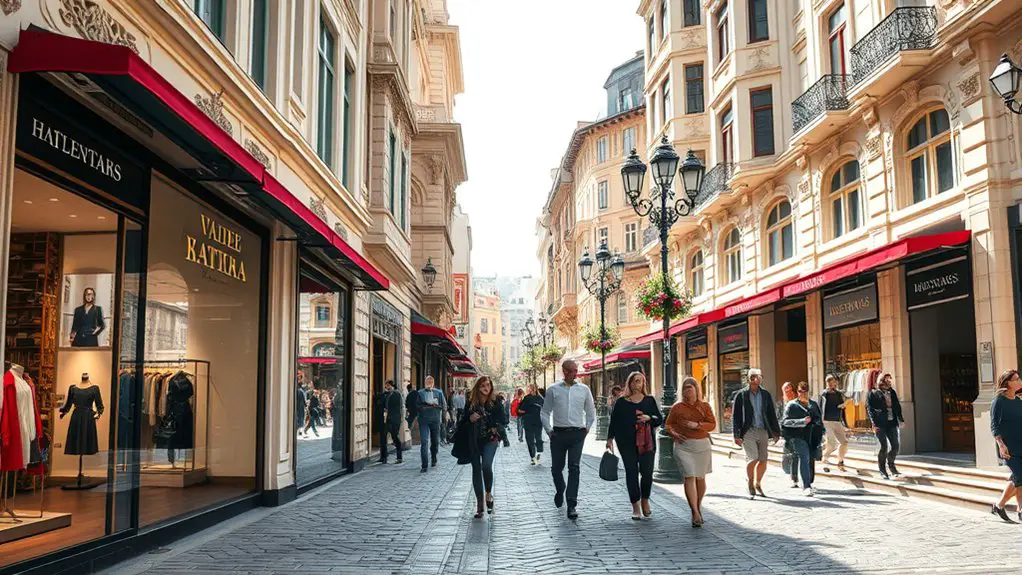
Nişantaşı combines luxury retail with local fashion, galleries, restaurants, and cafés. Its polished streets draw shoppers looking for international labels as well as established and emerging Turkish designers.
This is the strongest choice among the seven areas for high-end boutiques and a conventional luxury-shopping experience. Unlike the traditional bazaars, most boutiques here operate with marked, fixed prices, so bargaining generally is not part of the transaction.
Shopping also blends naturally with the neighborhood’s dining scene. You can stop for brunch, Turkish food, coffee, pastries, or international cuisine between stores instead of treating the area as a single-purpose retail trip.
Choose Nişantaşı when designer fashion and polished boutiques matter more to you than traditional bazaar bargaining.
The neighborhood also has an active arts scene, including contemporary galleries. For public transport, the M2 metro’s Osmanbey station is a useful gateway to the area.
Kadıköy
On Istanbul’s Asian side, Kadıköy offers a different shopping experience from the Historic Peninsula. The streets around the center combine food sellers, bookstores, clothing shops, cafés, specialty stores, handmade goods, and everyday businesses used by local residents.
It is particularly appealing when you want shopping to feel like part of a neighborhood day rather than a tour of famous landmarks.
Vibrant Market Scene
Kadıköy’s central market streets are known for food shopping and busy local commerce. Depending on where you wander, you can encounter:
- Fresh produce and specialty food shops
- Cheese, olives, seafood and prepared foods
- Textiles and everyday household goods
- Ceramics, gifts and handmade products
- Spices, herbs, sweets and local delicacies
The experience is less about one enclosed market building and more about moving between interconnected streets and stores. Prices at formal shops may be fixed, while negotiation practices can differ at independent stalls.
Unique Boutiques and Cafes
Kadıköy is also strong for independent boutiques, books, jewelry, clothing, design objects, art spaces, and cafés. Walking toward Moda expands the mix further, with creative businesses and small galleries alongside places to stop for Turkish coffee, tea, or pastries.
This makes Kadıköy one of the best areas on the list for travelers who want a one-of-a-kind souvenir without spending their whole day inside a tourism-focused market.
Ferries are part of the appeal. Current municipal routes link Kadıköy with both Karaköy and Beşiktaş, making it easy to combine Asian- and European-side shopping in one itinerary. Check the latest Şehir Hatları timetable before traveling.
Beşiktaş
Beşiktaş mixes neighborhood shopping, food, student life, cafés, culture, and nightlife. It is less formal than Nişantaşı and less tourism-focused than the Grand Bazaar, which makes it useful for seeing how shopping fits into everyday Istanbul life.
As you explore, look for:
- Street art and murals
- Independent clothing and accessory shops
- Neighborhood markets and food sellers
- Cafés serving Turkish tea and coffee
- Busy public squares and gathering places
After sunset, bars, restaurants, cafés, and music venues add another layer to the neighborhood. Shopping is only one part of the experience, so Beşiktaş works especially well for travelers who want to combine browsing with food and nightlife.
Bargaining should not be assumed everywhere. It may be appropriate with some market sellers, while branded stores, cafés, and fixed-price retailers generally expect you to pay the displayed amount.
Galata
Galata rises above Karaköy near the Golden Horn and Bosphorus approaches. Its steep streets combine historic buildings, independent designers, jewelry shops, art, cafés, and specialty stores, making it a strong choice for travelers who prefer smaller boutiques to large malls.
The Galata Tower adds a major sightseeing stop to the area, while nearby Karaköy expands your options with more shops, galleries, cafés, and restaurants.
Historic Landmarks and Views
Shopping here can easily be combined with architecture and city views. Useful nearby landmarks include:
- Galata Tower: the neighborhood’s best-known historic landmark and a major panoramic viewpoint.
- Galata Bridge: downhill toward the waterfront, connecting Karaköy with Eminönü.
- Karaköy: the neighboring waterfront area with cafés, shops, galleries, and local street life.
- Çiçek Pasajı: worth visiting when you continue toward İstiklal Avenue in Beyoğlu, but it is not in Galata proper.
- SALT Galata: a cultural institution housed on Bankalar Caddesi in the nearby Karaköy/Galata area.
This tighter geographic description matters because Galata, Karaköy, and the upper reaches of Beyoğlu blend together for visitors but are not interchangeable names.
Unique Boutiques and Cafés
Galata’s smaller streets are a good place to browse independent clothing, handcrafted jewelry, accessories, locally designed textiles, art objects, and gifts. Inventory changes frequently, which is part of the attraction compared with standardized shopping centers.
After shopping, the area’s cafés provide easy stops for coffee, Turkish tea, and pastries. Because many of these boutiques use fixed prices, do not assume that bazaar-style haggling applies.
İstiklal Avenue
İstiklal Avenue is one of Istanbul’s best-known pedestrian streets, running through Beyoğlu between the Taksim area and the lower end toward Galata. It combines mainstream fashion, international brands, bookstores, restaurants, historic passages, cultural venues, cafés, and entertainment.
Its architecture reflects several layers of Istanbul’s history, while the street remains heavily used for modern shopping and leisure. The red nostalgic tram remains one of its best-known symbols; Istanbul Metropolitan Municipality continues to operate the historic-style service along the avenue.
As you stroll along, look for:
- International and Turkish fashion retailers
- Historic passages with smaller shops and eateries
- Bookstores, music and cultural venues
- Cafés and restaurants for a shopping break
- Street performers and changing cultural activity
- The nostalgic tram operating along the avenue
One historic arcade worth knowing is Hazzopulo Passage, just off İstiklal, where small shops and cafés occupy a 19th-century setting.
Older guides sometimes list Mısır Çarşısı as an İstiklal attraction, but that is incorrect. Mısır Çarşısı is the Spice Bazaar in Eminönü across the Golden Horn from this part of Beyoğlu.
What to Buy in Istanbul
Your best shopping area depends on what you actually want to bring home. Traditional bazaars offer the widest concentration of recognizable Turkish souvenirs, while neighborhoods such as Galata, Kadıköy, and Nişantaşı are stronger for contemporary design and fashion.
- Carpets and kilims: Grand Bazaar and specialist carpet shops.
- Ceramics and decorative objects: Grand Bazaar, Galata, Kadıköy, and smaller artisan stores.
- Jewelry: Grand Bazaar for a huge concentration of jewelers; Nişantaşı and Galata for more boutique-oriented styles.
- Spices, tea, Turkish delight and dried foods: Spice Bazaar and Kadıköy.
- Luxury and designer fashion: Nişantaşı.
- Independent Turkish design: Galata, Kadıköy, and selected Beyoğlu streets.
- Mainstream fashion and international brands: İstiklal Avenue and Istanbul’s modern shopping centers.
Practical Istanbul Shopping Tips
Know When to Bargain
Bargaining is most closely associated with traditional bazaars and certain independent sellers. Start by asking the price, compare similar goods, and negotiate politely. You are not obligated to buy simply because a seller has demonstrated an item.
At chain stores, malls, supermarkets, luxury boutiques, and most shops with clearly marked fixed prices, haggling is generally inappropriate.
Cash and Card Payments
Credit and debit cards are widely used in Istanbul, particularly at established shops, restaurants, malls, and boutiques. Cash in Turkish lira remains useful for smaller purchases, local markets, and sellers that do not take cards.
Warning: For an expensive purchase, confirm the final price and currency before paying. Request an itemized receipt and review the card terminal amount before authorizing the transaction. Keep documentation for valuable jewelry, carpets, antiques, or other high-value goods.
Tax-Free Shopping for Tourists
Türkiye offers VAT refunds on qualifying purchases from authorized tax-free sellers. According to the Republic of Türkiye Ministry of Trade, the system is available to qualifying foreign nationals and Turkish nationals holding foreign residence permits who have not lived in Türkiye for more than 185 days retrospectively.
Current government guidance says the purchase value must exceed 100 TL excluding VAT, the goods must be taken out of Türkiye within three months, and the shopper must present the goods and relevant invoice documentation to customs when leaving the country. The store must participate in the tax-free system.
Getting Between the Shopping Areas
Istanbul’s public transport makes it possible to group several destinations without relying on taxis. The T1 tram serves both Eminönü and Beyazıt-Kapalıçarşı, making it useful for the Spice Bazaar and Grand Bazaar.
The M2 metro serves Şişhane, Taksim, and Osmanbey, providing convenient access to Galata/İstiklal and Nişantaşı. Municipal ferries connect areas including Kadıköy, Karaköy, Eminönü, and Beşiktaş.
Istanbul also offers İstanbulkart and other supported fare options. The city’s official visitor information notes that İstanbulkart, visitor passes, and supported contactless bank cards can be used across various public-transport services.
Note: Shop, bazaar, ferry, and public-transport schedules can change. Check the official operator or venue before making a trip specifically for one store or market.
Frequently Asked Questions
What is the best time to visit Istanbul for shopping?
Spring and fall are comfortable times to combine shopping with walking because temperatures are generally easier for exploring than at the height of summer. Shopping itself is year-round. Older travel guides sometimes promote a June Istanbul Shopping Fest, but a current 2026 edition is not listed on Istanbul’s official event calendar, so verify any festival before planning a trip around it.
Are there tax refund options for tourists in Istanbul?
Yes. Qualifying visitors can claim VAT refunds for eligible goods bought from authorized tax-free sellers. Current Ministry of Trade guidance says the goods must cost more than 100 TL excluding VAT and leave Türkiye within three months. Keep the invoice and goods accessible because they must be presented for customs validation when you depart.
Is bargaining common in all Istanbul shopping areas?
No. Bargaining is common in parts of the Grand Bazaar and with some independent market sellers, but fixed-price stores, malls, supermarkets, international chains, and most luxury boutiques generally do not negotiate. When bargaining is appropriate, keep it friendly, compare prices first, and be prepared to walk away politely.
What payment methods are accepted in Istanbul markets?
Many established shops accept credit and debit cards, while cash in Turkish lira is useful at smaller markets and independent sellers. Payment policies vary, so ask before making a large purchase. Always confirm the currency and total shown on a payment terminal before authorizing a card transaction.
Can I find international brands in Istanbul?
Yes. International luxury and high-street brands are common in Istanbul’s modern shopping centers and established retail areas. Nişantaşı is especially strong for luxury shopping, while İstiklal Avenue combines Turkish and international retailers. Independent neighborhoods such as Galata and Kadıköy are better when you want local designers and smaller boutiques.
Which Istanbul shopping area is best for souvenirs?
The Grand Bazaar has the broadest concentration of traditional souvenirs such as ceramics, textiles, lamps, jewelry, leather goods, carpets, and decorative objects. The Spice Bazaar is better for packaged food gifts, tea, spices, nuts, and Turkish delight, while Galata and Kadıköy are stronger for contemporary locally designed gifts.
Can I visit the Grand Bazaar and Spice Bazaar on the same day?
Yes. Both are on Istanbul’s Historic Peninsula and are connected by the T1 tram corridor, so they are easy to combine. Allow enough time to browse rather than treating either market as a quick photo stop, and check current opening information before your visit.
Conclusion
Istanbul’s shopping scene works best when you choose an area to match what you want rather than trying to treat every stop the same. The Grand Bazaar and Spice Bazaar deliver traditional market experiences; Nişantaşı specializes in upscale fashion; Kadıköy and Beşiktaş offer more everyday neighborhood life; and Galata and İstiklal mix shopping with architecture, cafés, culture, and sightseeing.
Take time to compare prices, know when bargaining is appropriate, keep receipts for valuable purchases, and use Istanbul’s trams, metro, and ferries to connect the different areas. With that approach, shopping becomes more than souvenir hunting—it becomes another way to experience the city’s history, design, food, and daily life.
Sources
- Visit Istanbul — Grand Bazaar — Grand Bazaar history, scale, and shopping information.
- Visit Istanbul — Spice Bazaar — location, history, and present-day market information.
- Republic of Türkiye Ministry of Trade — Customs FAQ — tourist tax-free shopping eligibility and VAT-refund requirements.
- Metro Istanbul — T1 Tram Line — current tram stations serving Eminönü and Beyazıt-Kapalıçarşı.
- Metro Istanbul — M2 Metro Line — current stations including Şişhane, Taksim, and Osmanbey.
- Şehir Hatları — Kadıköy–Beşiktaş Ferry — current municipal ferry connection between the two shopping areas.
