
Last Updated on September 11, 2026 by Daniel Globe
Italian food tours combine local dishes, neighborhood walks, markets, bakeries, and stories about how each region eats. Depending on the experience, you might taste Roman pasta, Neapolitan street food, Tuscan specialties, Bolognese cured meats, regional cheeses, pastries, wine, or coffee. The best tour is not simply the one with the most tastings. It is the one that fits your dietary needs, preferred pace, group size, and interest in local culture.
Quick Answer
An Italian food tour is a guided or self-guided experience that introduces you to a city or region through several tastings. Many walking tours last about two to four hours, but cooking classes, wine trips, market visits, and private tours may take longer. Menus, walking distance, accessibility, and dietary accommodation vary by operator.
Key Takeaways
- A standard food walking tour usually combines several small tastings with stories about the neighborhood and its culinary traditions.
- Tour length, food quantity, drinks, group size, and walking distance vary, so read the complete listing before booking.
- Rome, Florence, Naples, Bologna, Milan, Palermo, Turin, Venice, and other cities offer very different regional flavors.
- Never assume a tour can safely accommodate celiac disease or a severe allergy. Obtain written confirmation before paying.
- Check the cancellation policy, meeting point, accessibility, guide language, and exact number of tastings.
In 2025, UNESCO inscribed “Italian cooking, between sustainability and biocultural diversity” on its Representative List of the Intangible Cultural Heritage of Humanity, recognizing the shared practices, knowledge, ingredients, and traditions surrounding Italian cooking.
Disclosure: As an Amazon Associate I earn from qualifying purchases. Some links on this page are affiliate links, at no extra cost to you.
What Is an Italian Food Tour?
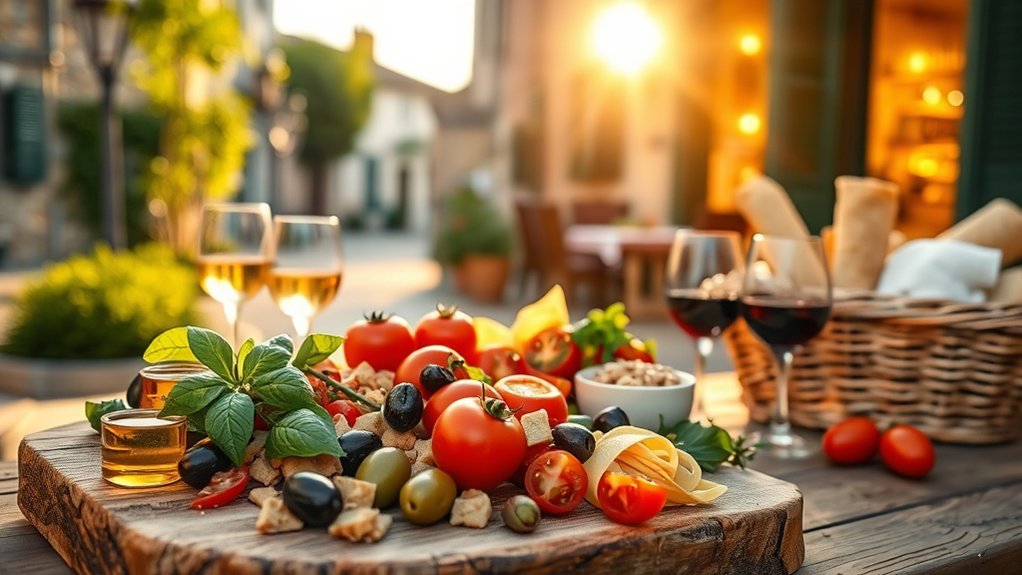
An Italian food tour is an organized tasting experience built around the cuisine of a particular city, neighborhood, or region. A guide may lead you between restaurants, markets, bakeries, cafés, wine bars, and specialty shops while explaining the ingredients, recipes, and customs connected to each stop.
The food is only one part of the experience. A good guide also explains why certain dishes developed in that area, how local families eat them, and how geography, agriculture, migration, trade, religion, and seasonality shaped the menu.
Italian cooking varies sharply by region. The official Italian tourism portal describes the country as having many regional food traditions rather than one uniform national menu. In 2025, UNESCO also recognized Italian cooking as an intangible cultural practice centered on shared knowledge, artisanal preparation, respect for ingredients, and traditions passed between generations.
Types of Italian Food Tours
The phrase “food tour” can describe several different experiences. Comparing the format is more useful than choosing only by city or price.
| Tour Type | What It Usually Includes | Best For |
|---|---|---|
| Food walking tour | Several tasting stops with neighborhood history and moderate walking | First-time visitors who want an introduction to a city |
| Street-food tour | Quick bites from bakeries, counters, kiosks, markets, and casual shops | Travelers who prefer informal food and a lively pace |
| Market tour | Seasonal produce, cheese, cured meats, bread, and conversations about ingredients | Cooks and travelers interested in sourcing and seasonality |
| Wine and food tour | Regional wine paired with cheese, cured meat, bread, or a meal | Adults interested in pairings and local wine culture |
| Cooking class | Hands-on preparation followed by eating the dishes you make | Travelers who want practical skills rather than several walking stops |
| Private tour | A guide and itinerary reserved for your family or group | Families, celebrations, slower travelers, and groups seeking flexibility |
| Self-guided tasting route | A map, vouchers, or digital instructions used at your own pace | Independent travelers who do not need live commentary |
| Countryside or producer day trip | Transport to farms, dairies, wineries, olive-oil producers, or food workshops | Travelers with more time who want to see production at its source |
Note: A cooking class is not automatically included in a food walking tour. Check whether the listing describes tastings, demonstrations, market shopping, or hands-on cooking.
What to Expect on an Italian Food Tour
Most guided food walks combine several tasting stops with short walks and commentary from a local guide. However, every itinerary is different. Some focus on one neighborhood, while others cover a broader section of the city. Some provide enough food for a light meal, while others offer only a few samples.
Tour Format and Duration
Many city food walks last around two to four hours. A focused tasting can be shorter, while a cooking class, winery trip, farm visit, or countryside excursion may take half a day or longer.
Before booking, check:
- The exact start and finish times
- The meeting and ending locations
- The estimated walking distance
- Whether the route includes stairs, hills, or cobblestones
- Whether transportation is included
- The maximum group size
- The guide’s language
- Whether the tour operates in rain
Italy has a national framework for qualified tourist guides. When historical and cultural interpretation is a major part of the experience, look for a professional guide and review the operator’s credentials. The Italian Ministry of Tourism explains the role of tourist guides in interpreting Italy’s cultural, social, productive, and food-related heritage.
Tastings and Local Stops
A food tour may include restaurants, markets, bakeries, cafés, delis, wine bars, and small producers. The guide normally explains what you are eating and why it matters to that location.
| Possible Stop | Possible Tasting |
|---|---|
| Trattoria or restaurant | A regional pasta, soup, meat dish, or vegetable specialty |
| Market | Seasonal produce, olives, cheese, cured meats, or prepared foods |
| Bakery | Bread, focaccia, pizza by the slice, biscuits, or pastries |
| Specialty shop | Cheese, balsamic vinegar, olive oil, chocolate, or preserved products |
| Café or dessert stop | Espresso, gelato, cannoli, sfogliatella, or another local sweet |
The exact menu may change with the season, opening hours, availability, or dietary requests. Treat advertised dishes as a likely itinerary unless the operator guarantees them in writing.
Walking, Learning, and Sampling
Food tours are usually paced more slowly than sightseeing walks because the group pauses at each venue. Even so, old city centers may have uneven paving, narrow sidewalks, crowded markets, steps, and limited seating.
Wear shoes that remain comfortable for several hours. Ask the operator about mobility needs before booking, especially when you use a wheelchair, walking aid, or stroller. Also ask whether toilets and seated breaks are available along the route.
How Much Food Is Included?
There is no standard serving size. Five small samples can be less filling than three substantial dishes. Some operators describe the food as replacing lunch or dinner, while others advise guests to eat before or after the tour.
Look for specific wording such as:
- Number of tasting stops
- Number of food and drink samples
- Full meal, light meal, or tasting portions
- Water, wine, beer, coffee, or soft drinks included
- Extra purchases required at any stop
Pro Tip: Do not judge food quantity only by the number of stops. Ask whether the total tastings are intended to replace a meal.
Best Cities for Italian Food Tours
There is no single best city for every traveler. Choose according to the dishes and food culture you most want to explore.
| City | Foods Commonly Associated With the Area | Good Choice For |
|---|---|---|
| Rome | Carbonara, amatriciana, cacio e pepe, supplì, artichokes, and pecorino | Pasta, markets, traditional neighborhoods, and street food |
| Florence | Ribollita, pappa al pomodoro, lampredotto, bistecca alla fiorentina, and Tuscan bread | Rustic Tuscan cooking, markets, meat dishes, and wine |
| Naples | Neapolitan pizza, fried pizza, cuoppo, sfogliatella, babà, and espresso | Pizza, pastries, casual street food, and lively historic streets |
| Bologna | Tortellini, tagliatelle al ragù, mortadella, lasagna, and regional cheeses | Fresh pasta, cured meats, market tours, and Emilia-Romagna products |
| Milan | Risotto alla milanese, cotoletta, panettone, aperitivo, and regional cheeses | Aperitivo culture, polished restaurants, modern food, and northern dishes |
| Palermo | Arancine, panelle, sfincione, cannoli, granita, and market foods | Bold street food, markets, sweets, and layered Mediterranean influences |
| Turin | Gianduja chocolate, bicerin, agnolotti, grissini, and vermouth | Chocolate, cafés, aperitivo, and Piedmontese cooking |
| Venice | Cicchetti, seafood, polenta, risotto, and regional wine | Small bar snacks, seafood, and neighborhood bacari |
Regional Foods You Can Taste in Italy
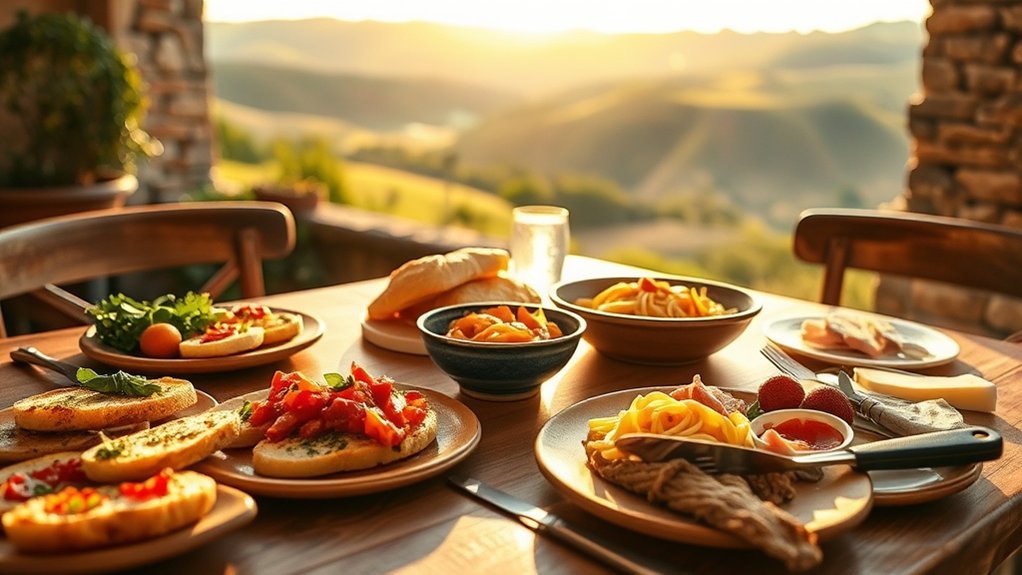
Italian cuisine changes from one region to the next. Climate, terrain, agriculture, coastal access, and neighboring cultures all influence what appears on the table.
| Area | Common Ingredients and Styles | Examples |
|---|---|---|
| Northern Italy | Rice, polenta, butter, mountain cheeses, meat, filled pasta, and rich sauces | Risotto, agnolotti, polenta, tortellini, and cotoletta |
| Central Italy | Olive oil, legumes, bread, pecorino, handmade pasta, vegetables, and grilled meat | Ribollita, carbonara, porchetta, panzanella, and bistecca alla fiorentina |
| Southern Italy | Durum-wheat pasta, tomatoes, vegetables, olive oil, seafood, fresh cheese, and chili | Neapolitan pizza, orecchiette, fried seafood, and pasta with vegetables |
| Sicily and Sardinia | Seafood, citrus, almonds, pistachios, sheep’s-milk cheese, breads, and layered island traditions | Arancine, cannoli, pasta alla Norma, pane carasau, and culurgiones |
Understanding PDO and PGI Labels
You may see the abbreviations DOP and IGP on cheeses, cured meats, oils, and other regional products. These are the Italian forms of PDO and PGI.
- PDO or DOP: The product’s main production stages and raw materials are closely tied to the defined region.
- PGI or IGP: At least one major stage of production, processing, or preparation is linked to the named region.
The European Commission’s geographical-indication system protects registered product names associated with particular locations and production methods. A knowledgeable guide should be able to explain why a protected product tastes different and how it is made.
What Do Italian Food Tours Cost?
Food-tour prices change by city, season, operator, group size, and inclusions. Instead of relying on a broad average, compare what each booking actually provides.
A higher price may reflect:
- A private guide
- A small group
- More substantial servings
- Wine or other alcoholic drinks
- Transportation outside the city
- A market visit or cooking lesson
- Premium restaurants or protected regional products
- Hotel pickup
- A longer itinerary
Check whether taxes, booking fees, transportation, tips, and optional purchases are included. Also compare the cancellation deadline. A less expensive tour may become poor value when it includes only tiny samples, a large group, or a restrictive refund policy.
How to Choose the Best Italian Food Tour
Start with the type of food you want to taste, then compare the practical details.
- Match the menu to your interests. Decide whether you prefer pasta, pizza, markets, street food, wine, desserts, seafood, or a broad introduction.
- Confirm the format. A tasting walk, cooking class, wine excursion, and self-guided route provide very different experiences.
- Check the number and size of tastings. Determine whether they replace a meal.
- Review the route. Look for the distance, stairs, cobblestones, hills, and amount of standing.
- Check group size. Smaller groups often make it easier to hear the guide and ask questions.
- Confirm the language. Some tours operate in two languages when the group is mixed.
- Read the dietary policy carefully. Do not rely only on a general statement that restrictions are accepted.
- Check what drinks are included. Ask about non-alcoholic alternatives when needed.
- Read the cancellation and late-arrival rules. Some tours cannot delay the group for late guests.
- Compare recent reviews. Focus on comments about food quantity, guide knowledge, organization, group size, and dietary handling.
Pro Tip: Save a screenshot of the advertised inclusions and dietary confirmation. Tour listings can change after you book.
Dietary Restrictions, Allergies, and Accessibility
Food Allergies and Celiac Disease
European rules require allergen information to be available for non-prepacked foods served in restaurants, cafés, and similar businesses. However, allergen information does not guarantee that a kitchen can prevent cross-contact.
Warning: If you have celiac disease or a severe food allergy, contact the operator before booking and describe the exact risk. Ask whether every stop can prevent cross-contact. Do not book based only on a checkbox that says dietary requests are accepted.
The European Commission identifies 14 allergens that must be declared when used as ingredients. These include gluten-containing cereals, crustaceans, eggs, fish, peanuts, soybeans, milk, nuts, celery, mustard, sesame, sulphites, lupin, and molluscs.
When contacting the operator, explain whether your restriction is:
- A severe allergy
- Celiac disease
- A food intolerance
- A religious requirement
- A vegetarian or vegan preference
- A personal preference
These situations require different levels of control. A venue that can remove cheese from one sample may still be unable to produce a safe meal for someone with a severe milk allergy.
Vegetarian, Vegan, and Religious Diets
Vegetarian options may be easier to arrange than vegan, halal, or kosher menus, especially on tours built around cheese, cured meat, wine, or traditional pastries. Ask which original dishes will be replaced and what the substitutes will be. A tour made almost entirely of generic substitutes may offer less regional value.
Mobility and Accessibility
Historic streets can create barriers even when the food venues themselves are accessible. Ask about:
- Total walking distance
- Cobblestones and steep streets
- Steps and narrow entrances
- Wheelchair-accessible toilets
- Seating at each stop
- Space for a stroller
- Public transportation between stops
- Alternative routes when a venue is inaccessible
Do not assume that a “relaxed pace” means the route is wheelchair accessible.
How to Prepare for Your Italian Food Tour
A few simple preparations can make the experience more comfortable.
- Wear supportive shoes suitable for uneven streets.
- Dress for the weather and carry a light rain layer when needed.
- Bring water unless the operator confirms it is provided.
- Arrive 10 to 15 minutes early.
- Carry the booking confirmation and meeting-point details offline.
- Bring any prescribed emergency allergy medication.
- Tell the operator about dietary restrictions before the booking deadline.
- Avoid eating a large meal immediately before a tour advertised as meal-sized.
- Bring identification when alcohol is included.
- Keep a small amount of money available for optional purchases or gratuities.
Morning Versus Evening Food Tours
Morning tours can be a good choice for produce markets, bakeries, coffee culture, and less crowded streets. They may also finish early enough to leave the afternoon open for sightseeing.
Afternoon and evening tours may include aperitivo, wine, fuller dishes, or a livelier neighborhood atmosphere. However, popular streets and restaurants can be more crowded.
Choose according to the itinerary rather than assuming one time is always better.
Benefits of Taking an Italian Food Tour
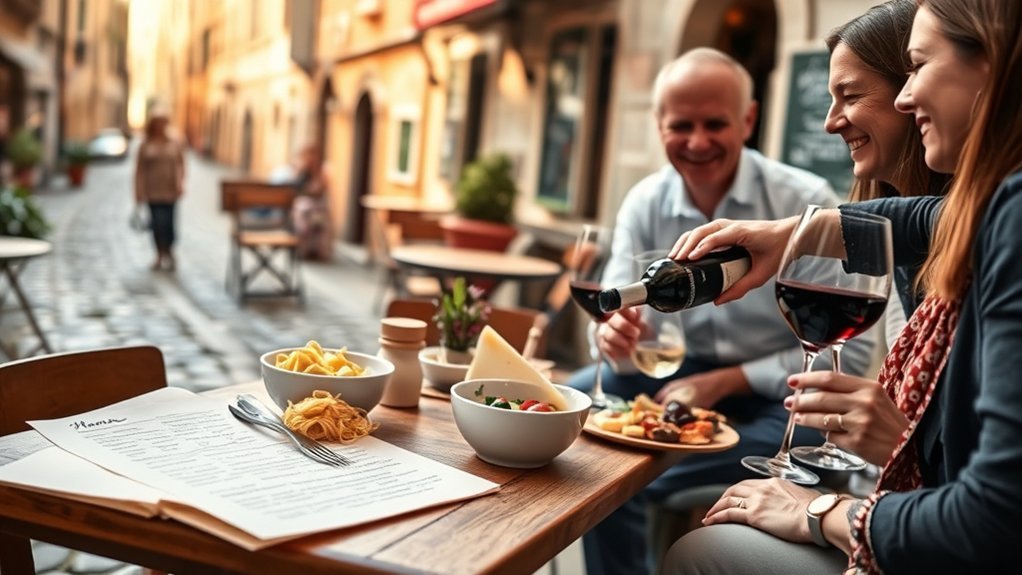
An Italian food tour can help you understand a destination more quickly than eating alone at random restaurants. You gain context for the dishes, learn how locals order and eat them, and discover businesses you might otherwise pass without noticing.
Cultural Immersion Benefits
Food reflects daily life as well as history. A knowledgeable guide can explain how a market developed, why a neighborhood became associated with a particular dish, and how recipes changed over time.
Depending on the tour, you may:
- Meet bakers, cooks, shopkeepers, market vendors, or food producers.
- Learn how seasonal ingredients affect local menus.
- Understand the difference between similar regional products.
- Visit small businesses outside the most obvious tourist routes.
- Gain useful ordering and shopping tips for the rest of your trip.
A standard food walk usually demonstrates or explains techniques rather than teaching them hands-on. Choose a cooking class when you want to prepare the dishes yourself.
Tasting Local Specialties
Small portions let you compare several dishes without ordering a full serving at every venue.
| Specialty | Region or City |
|---|---|
| Neapolitan pizza | Naples and Campania |
| Tortellini | Bologna and Emilia-Romagna |
| Carbonara | Rome and Lazio |
| Ribollita | Florence and Tuscany |
| Arancine or arancini | Sicily, with naming and styles varying by area |
Learning From Guides
A guide adds value by connecting food with the people and places behind it. The strongest guides do more than repeat a memorized description. They explain ingredients clearly, answer questions honestly, distinguish tradition from marketing, and acknowledge regional variations.
A good guide can help you:
- Understand the roots of regional dishes.
- Recognize higher-quality ingredients and protected products.
- Avoid common ordering misunderstandings.
- Find markets, cafés, bakeries, and restaurants worth revisiting.
Are Italian Food Tours Worth It?
An Italian food tour can be worth the price when you want a structured introduction to a city, reliable tasting stops, cultural explanation, and help navigating local specialties. It may be less valuable when you already know the cuisine well, prefer complete independence, dislike group activities, or mainly want large portions.
Value depends on the quality of the guide and itinerary, not simply the number of foods advertised.
When to Book an Italian Food Tour
Book as soon as your travel dates are firm when the tour has a small group limit, operates only on certain days, or is important to your itinerary. Popular weekend and holiday dates may fill earlier than ordinary weekdays.
Before paying, confirm:
| Booking Detail | What to Check |
|---|---|
| Availability | Operating days, minimum participants, and maximum group size |
| Cancellation | Refund deadline and whether fees are retained |
| Weather | Whether the tour runs in rain or extreme heat |
| Late arrival | Whether you can join after departure and whom to contact |
| Dietary confirmation | Exact substitutions, excluded venues, and cross-contact limitations |
| Inclusions | Food, drinks, transportation, entry fees, and taxes |
Spring and fall can offer comfortable walking weather in many destinations, but crowd levels, prices, and food availability vary by city and date. Seasonal markets and festivals can enrich an itinerary, although they can also increase demand.
Frequently Asked Questions
Do Italian food tours accommodate dietary restrictions and allergies?
Some do, but accommodation varies by tour and venue. Contact the operator before booking and request written confirmation. A tour that accepts vegetarian requests may still be unable to manage celiac disease, severe allergies, or cross-contact.
Are children allowed on Italian food tours?
Many tours welcome children, but age rules and reduced prices vary. Check the walking length, tour duration, alcohol content, stroller access, and whether child-friendly substitutions are available.
How much walking is typically involved?
The amount varies by route. Many tours use short walks between nearby venues, but historic centers may include cobblestones, hills, steps, and long periods of standing. Ask for the estimated distance and accessibility details.
Can I book a private Italian food tour for my group?
Many operators offer private tours. They generally cost more but may provide greater flexibility with pace, start time, group interests, and dietary requests. Confirm which customizations are guaranteed.
Are tips expected for tour guides and food vendors?
Tipping is not compulsory in Italy. You may leave a gratuity when you are pleased with the guide or service, but first check whether service or gratuity is already included. Vendors at individual tasting stops normally do not require a separate tip.
Will an Italian food tour replace a meal?
Some tours provide enough food for a light or full meal, while others offer only tasting portions. Check the number and size of samples instead of assuming that every food tour replaces lunch or dinner.
Is wine always included?
No. Some tours include wine, beer, or aperitivo, while others include only water, coffee, or no drinks. Ask whether non-alcoholic substitutions are available and whether identification is required.
How far ahead should I book?
Book early when you need a particular date, a private guide, a small group, or dietary arrangements. More flexible travelers may find availability closer to the date, but popular weekends and holiday periods can sell out.
Conclusion
An Italian food tour can introduce you to regional dishes, markets, producers, and neighborhood traditions in a manageable amount of time. Choose the experience by its format, guide quality, menu, walking level, and practical policies rather than by promotional language alone.
Confirm the number of tastings, whether the food replaces a meal, what drinks are included, and how the operator handles allergies and accessibility. With those details settled, you can focus on what makes the experience valuable: tasting food in the place where its ingredients, techniques, and traditions developed.
Sources
- UNESCO: Italian cooking, between sustainability and biocultural diversity — confirms the 2025 intangible-cultural-heritage inscription.
- Italia.it: Food and wine in Italy — supports Italy’s regional food diversity and food-tourism context.
- Italian Ministry of Tourism: Tourist Guide — explains the role and national regulation of professional tourist guides.
- European Commission: Food Allergies — explains the 14 declared allergens and information requirements for non-prepacked food.
- Italia.it: Money, Payments, and Tipping in Italy — confirms that tipping is not compulsory.
- European Commission: Geographical Indications for Food and Drink — explains PDO and PGI protection.

