Last Updated on July 24, 2026 by Daniel Globe
Burning a candle inside an ordinary camping tent is not a safe way to create light or warmth. Tent fabric, sleeping bags, clothing, and other gear can melt or ignite, while a bumped lantern can spread flame or hot wax within seconds. Enclosed candle lanterns reduce direct flame exposure, but they do not remove the fire, heat, air-quality, or unattended-use risks.
Quick Answer
Do not burn candles or candle lanterns inside an ordinary recreational tent. An enclosed lantern is safer than a bare candle, but it can still tip, overheat nearby fabric, release combustion pollutants, or start a fire. Use a battery-powered LED lantern or headlamp for lighting and a proper sleeping system for warmth.
Key Takeaways
- Keep flames outside: The U.S. Consumer Product Safety Commission advises campers to keep lanterns and candles out of tents.
- Flame-resistant is not flameproof: Treated tent fabric may slow flame spread, but it can still melt, shrink, burn, or transfer heat to nearby gear.
- Ventilation is not a safety guarantee: Open vents do not prevent tip-over fires, contact burns, soot, or every combustion-related air-quality problem.
- Candles are not dependable heaters: Their heat output is too small and inconsistent to replace an insulated sleeping pad, suitable sleeping bag, dry clothing, or a safe shelter plan.
- Use electric lighting: LED lanterns and headlamps provide adjustable light without an open flame or combustion emissions during use.
What’s in This Article
Disclosure: As an Amazon Associate I earn from qualifying purchases. Some links on this page are affiliate links, at no extra cost to you.
Can You Safely Use Candles in a Tent?
No. The safest general rule is to keep burning candles and combustion lanterns outside your tent. The U.S. Consumer Product Safety Commission advises campers not to bring stoves, lanterns, or candles inside tents. This guidance applies even when a lantern has a glass chimney or metal housing.
Some candle-lantern manufacturers market enclosed models for tent use. However, product warnings still require the flame to remain in sight and away from anything that can burn. Your tent manufacturer may also prohibit every open flame or combustion device. When instructions conflict, follow the more restrictive safety rule.
Warning: Do not burn a candle while sleeping, changing clothes, entering or leaving the tent, caring for children, or doing anything that prevents constant supervision. A closed lantern is still a live flame and a hot object.
Understanding the Risks of Using Candles in Tents
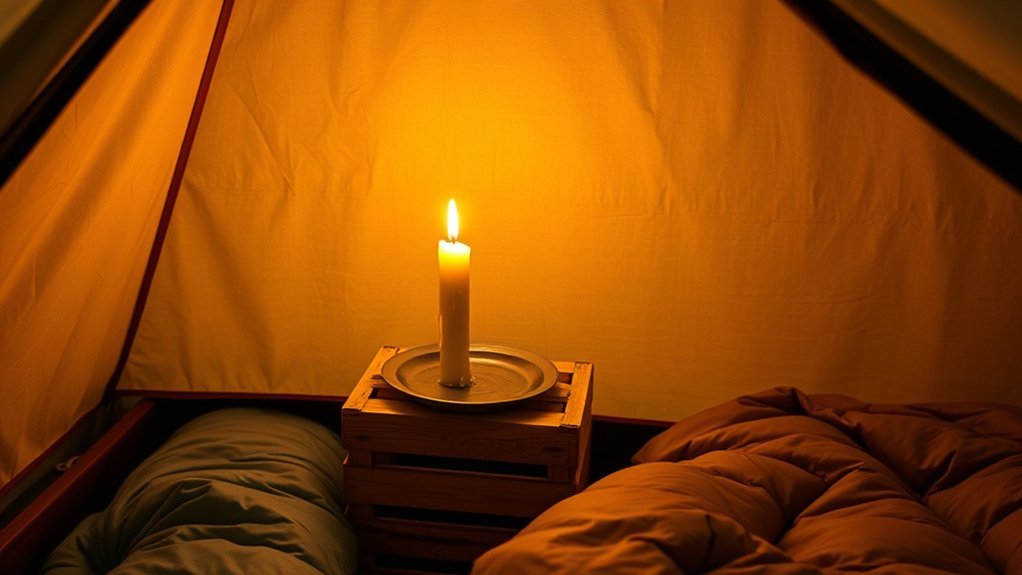
Tents place thin fabric, mesh, cords, clothing, sleeping bags, and plastic equipment close together. A bare flame may ignite some materials, while a lantern’s hot shield or chimney can melt fabric without the flame touching it directly. A swinging hanging lantern can also contact the roof when wind moves the tent.
Do not assume that a “flame-resistant” label means the tent cannot burn. Flame-resistance standards test how materials react under defined conditions. They do not make a tent fireproof or safe for indoor candle use. The CPSC advises campers to treat tents and sleeping bags as combustible and keep flame sources away from them.
Common Ways Candle-Related Tent Fires Start
- A camper bumps a lantern while entering, dressing, or reaching for gear.
- A hanging lantern swings into the roof, mesh, or rainfly.
- A metal heat shield touches fabric or a synthetic strap.
- Wax spills onto gear or helps spread the flame.
- A child or pet knocks over a candle holder.
- The camper falls asleep or leaves the flame unattended.
- Wind collapses part of the tent or pushes fabric toward the lantern.
An enclosed flame is less exposed than a bare candle, but it is not a flame-free light source.
Benefits and Limitations of Candle Lanterns
Candle lanterns have a long camping history. They provide soft light, require no batteries, and can work during a power outage. Their metal-and-glass housing protects the flame from wind and reduces direct contact compared with an uncovered candle.
Current UCO product information lists up to 15 hours for some white lantern candles. Its current beeswax candles are advertised for approximately 12 to 15 hours in open air and up to 18 hours inside a compatible UCO lantern. Older candle versions may have shorter burn times, so check the exact package rather than relying on a general number.
Those benefits do not overcome the main limitation: a candle lantern creates light through combustion. The chimney and top shield become hot, the flame requires constant supervision, and nearby materials must remain clear. For most campers, the best place to use one is outdoors in a stable, open area where local rules allow it, not inside a sleeping shelter.
Note: Manufacturer descriptions do not override your tent’s warning label, campground rules, wildfire restrictions, or a local burn ban. Candles may be prohibited even when enclosed in a lantern.
Comparing Candle Lanterns to LED Alternatives
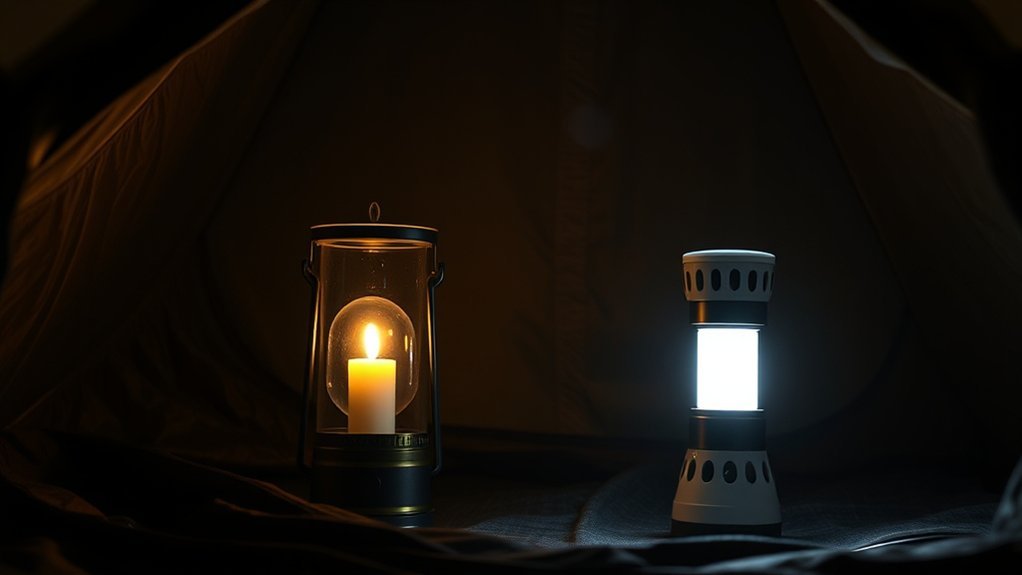
Candle lanterns provide warm, steady light, while LED lanterns provide a wider range of brightness levels without combustion. The practical differences are most important inside a tent.
| Factor | Candle Lantern | LED Lantern |
|---|---|---|
| Open flame | Yes, although partly enclosed | No |
| Safe tent-lighting choice | No | Yes, when used according to its instructions |
| Brightness control | Usually fixed | Usually adjustable |
| Surface temperature | Chimney and shield can become very hot | Normally much cooler, although batteries and electronics still require proper care |
| Combustion emissions | Produces combustion gases, particles, and water vapor | None during normal use |
| Power source | Replaceable wax candle | Rechargeable or replaceable battery |
| Best use | Supervised outdoor ambiance where flames are permitted | Tent, campsite, emergency, and task lighting |
Light Output Comparison
Candle-lantern brightness varies with the candle, wick, reflector, chimney condition, and lantern design. A reliable official lumen rating is not available for every candle lantern, so a universal 20-lumen figure should not be assumed.
LED lanterns provide published brightness settings more often and can be dimmed for reading, organizing gear, or moving around camp. Many models also include a warm-white or flicker mode for campers who prefer candle-like light.
Safety Risks Assessment
A candle lantern retains the risks created by flame, heat, wax, combustion, and human error. Its housing may reduce the chance of direct flame contact, but it can also create a hot surface close to synthetic fabric.
An LED lantern has no flame and does not produce combustion gases during normal use. Inspect rechargeable devices for damage, keep charging ports dry, and do not use a swollen or damaged battery.
Environmental Impact Considerations
A candle consumes wax and leaves packaging, wick material, and sometimes disposable metal cups. A rechargeable LED lantern requires electricity and contains electronic components, but a durable model can be reused for years. Choosing a repairable lantern, using rechargeable batteries correctly, and recycling batteries through an approved program can reduce waste.
Heating Effectiveness of Candle Lanterns
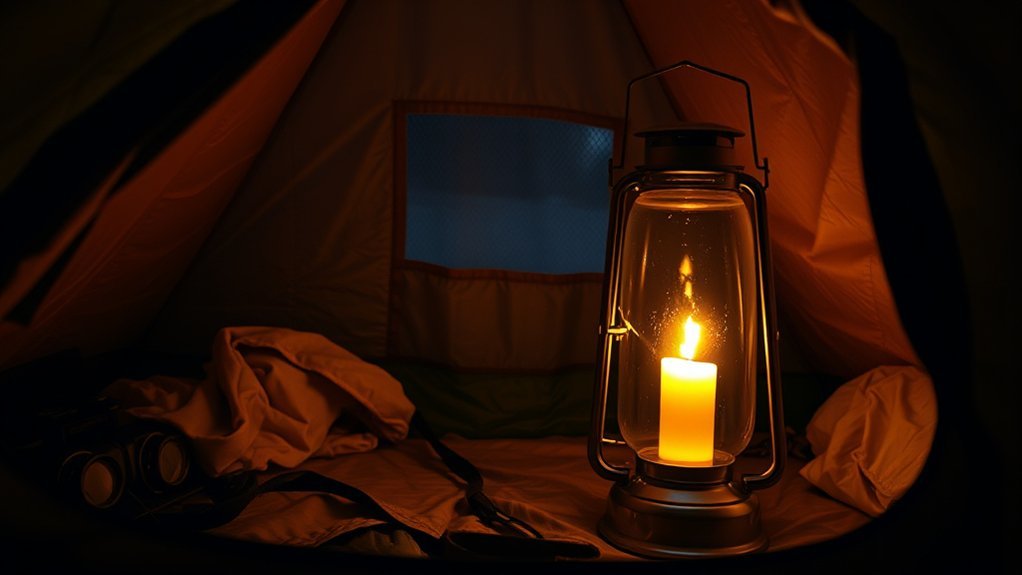
A candle releases heat, but it is not a dependable tent heater. No single temperature-increase figure applies to every shelter. Wind, tent size, ventilation, ground temperature, insulation, moisture, and candle design can change the result dramatically.
Temperature Increase Potential
You may notice a small amount of warmth near a candle lantern, especially in a compact shelter. However, local warmth near the lantern is not the same as safely maintaining the entire tent at a suitable temperature.
Do not plan a cold-weather trip around candle heat. If the candle goes out, the tent temperature can drop quickly, leaving you dependent on gear that may not match the conditions.
Heat Loss Factors
The ground, moving air, damp clothing, and thin tent walls remove heat continuously. A suitable sleeping pad limits heat loss into the ground, while a properly rated sleeping bag traps warmth around your body. Dry base layers, a warm hat, and protection from wind usually make a greater difference than a small flame.
Tent Insulation and Condensation
Candle combustion does not dry the air. Burning wax produces water vapor as part of the combustion process. Although the flame warms nearby air, it may also add moisture to the shelter and should not be treated as a condensation-control system.
Reduce condensation by keeping designed vents open, avoiding low and saturated campsites, storing wet gear outside the sleeping area when practical, and preventing your face from breathing directly into your sleeping bag.
Pro Tip: Build your cold-weather setup around the expected low temperature, wind, and ground conditions. Bring a sleeping pad with an appropriate R-value and a sleeping bag or quilt rated for the trip rather than relying on heat generated inside the tent.
Ventilation and Carbon Monoxide Concerns
All flames consume oxygen and create combustion products. A poorly burning or oxygen-starved flame can produce more soot and carbon monoxide than a clean, stable flame. Carbon monoxide is colorless and odorless, so you cannot depend on smell or visible smoke to warn you.
Common symptoms of carbon-monoxide exposure include headache, dizziness, weakness, nausea, vomiting, chest pain, and confusion. Severe exposure can cause unconsciousness or death. Sleeping people may not notice the early warning signs.
Opening vents does not make candle use inside a tent safe. Ventilation cannot stop a lantern from tipping, prevent a hot chimney from touching fabric, or guarantee that combustion pollutants remain below harmful levels under changing wind and weather conditions.
Warning: If anyone develops a headache, dizziness, nausea, confusion, unusual weakness, chest pain, or breathing difficulty around combustion equipment, extinguish the source only if you can do so safely, move everyone to fresh air, and contact local emergency services or a poison-control service. Do not re-enter merely because a set number of minutes has passed.
A portable battery-powered CO alarm may provide an extra warning layer on trips involving cabins, campers, or permitted combustion equipment. It does not make a candle, stove, heater, or fuel lantern safe to use inside a tent.
Safer Outdoor Candle-Lantern Practices
The safest option is to leave candle lanterns at home and use electric lighting. Campers who still carry one for supervised outdoor use should follow the lantern instructions, tent warnings, local fire restrictions, and the precautions below.
| Precaution | What to Do | Why It Matters |
|---|---|---|
| Use it outside | Keep the lantern out of the tent, vestibule, rainfly enclosure, vehicle, and other sleeping shelter. | Separates the flame and hot surfaces from sleeping gear and shelter fabric. |
| Choose a clear location | Use a stable, noncombustible surface away from dry grass, leaves, branches, guy lines, clothing, and tents. | Reduces contact and spread hazards. |
| Maintain supervision | Keep the flame within sight and within immediate reach of a responsible adult. | Allows quick action if the lantern tips, flares, or becomes unstable. |
| Check fire restrictions | Confirm whether candles and enclosed flames are allowed under current campground and wildfire rules. | Some bans include candles and lanterns even when campfires are not mentioned separately. |
| Extinguish before moving | Put the flame out before carrying, adjusting, refilling, entering the tent, or preparing for sleep. | Prevents wax spills, burns, and accidental contact. |
| Allow complete cooling | Wait until the chimney, top shield, and base are cool before packing the lantern. | Hot metal can melt bags, clothing, and tent fabric after the flame is out. |
Use the candle size and type specified by the lantern manufacturer. An incorrect candle may burn unevenly, produce excess soot, overflow with wax, jam a spring-fed mechanism, or place the flame at the wrong height.
In bear country, follow local attractant-storage rules. Some National Park Service campgrounds specifically list candles among scented items that must be stored in a food locker or hard-sided vehicle when not in use.
What to Do if a Tent Fire Starts
A tent fire can spread faster than you can safely save equipment. Your first goal is to get every person out.
- Shout a warning and evacuate immediately. Do not crawl deeper into the tent to collect belongings.
- Move away from the shelter. Keep children and pets clear of the tent, fuel, vehicles, and nearby vegetation.
- Call local emergency services. Alert campground staff or a park ranger as soon as possible.
- Use an extinguisher only when safe. Attempt to put out a small fire only if you have a clear escape route, the proper equipment, and no risk of becoming trapped.
- Treat burns promptly. Cool a minor thermal burn with clean, cool running water. Seek urgent medical help for serious, deep, blistering, facial, airway, hand, foot, joint, or widespread burns.
Note: Do not go back into a burning or smoke-filled tent. Synthetic materials can melt, generate irritating smoke, and collapse onto anyone inside.
Alternative Heating and Lighting Solutions
- LED lanterns: Choose adjustable brightness, a stable base, a hanging hook, and enough runtime for the trip.
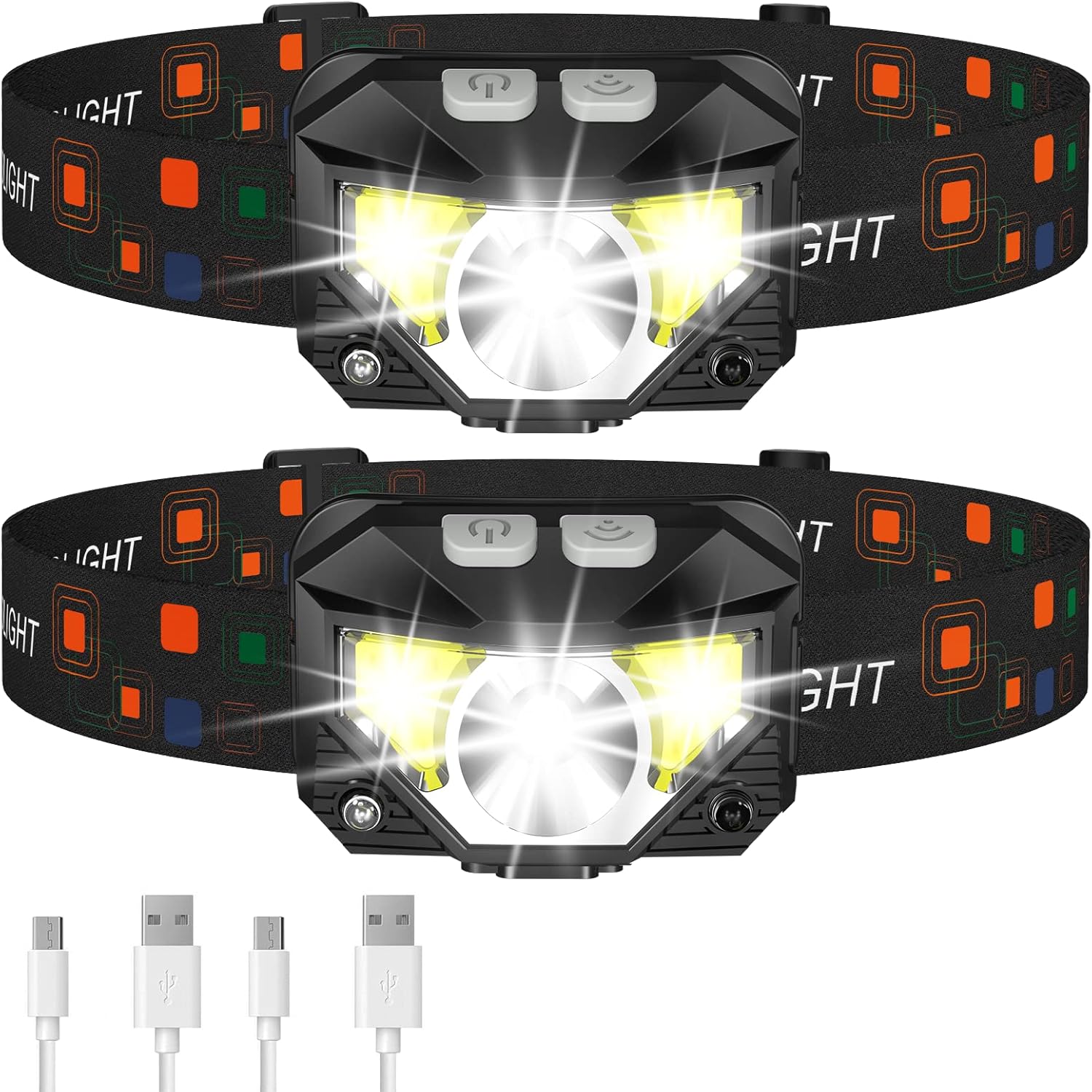
- Headlamps: A headlamp keeps both hands free and reduces the chance of dropping a light while entering or organizing the tent.
- Warm-light or candle modes: Some LED models create a softer color or flicker effect without an actual flame.
- Rechargeable lighting with a backup: Carry a power bank, spare compatible batteries, or a second small light rather than relying on one device.
- Solar lanterns: These can support multi-night trips, but charge them fully before departure and do not depend on sunshine as your only power source.
- Glow sticks: Use them as low-output emergency markers when necessary, not as your primary light source.
- Purpose-built hot-water bottle: Follow its temperature and filling instructions, check for leaks, wrap it before skin contact, and never use boiling water unless the manufacturer permits it.
- Insulated sleeping pad: Select an R-value suitable for the season and expected ground temperature.
- Appropriate sleeping bag or quilt: Choose a temperature rating that leaves a reasonable safety margin for the expected low.
- Electric hand warmers: Use a reputable device according to its charging and skin-contact instructions, and stop using it if the battery becomes swollen, damaged, or unusually hot.
Frequently Asked Questions
Can I use a candle inside my tent if I stay awake?
You should not. Staying awake reduces the unattended-use risk, but it does not prevent accidental bumps, swinging fabric, falling gear, hot-surface contact, wax spills, or combustion-related air-quality problems.
Is an enclosed candle lantern safe in a tent?
An enclosure reduces direct flame exposure but does not make the lantern flame-free. The glass and metal become hot, the lantern can tip or swing, and public-safety guidance advises keeping candles and lanterns out of tents.
Can I use a candle lantern in the tent vestibule?
No. A vestibule is bordered by the tent or rainfly and commonly contains shoes, packs, fuel, and other combustible gear. It may also have limited ventilation and can block your exit if a fire starts.
Does opening the tent vents make a candle safe?
No. Ventilation may improve airflow, but it cannot prevent a tip-over fire, stop a hot lantern from melting fabric, or guarantee safe combustion conditions as wind and shelter openings change.
Can one candle keep a tent warm?
A candle creates a small amount of local warmth, but it cannot provide reliable shelter heating. Use an insulated sleeping pad, a properly rated sleeping bag, dry clothing, and a weather-appropriate shelter instead.
How long do camping candle lanterns burn?
Burn time depends on the lantern, candle formula, wick, and conditions. Current UCO pages advertise up to 15 hours for some white candles and up to 18 hours inside a compatible lantern for current beeswax candles. Check the exact product package because older versions may differ.
Should I bring scented candles camping?
Avoid them. Fragrance does not improve tent safety, and some parks treat candles as scented wildlife attractants. Follow local storage rules and keep scented products out of your sleeping area.
What if the lantern manufacturer says it is suitable for tents?
Read the complete lantern instructions, tent warning label, and campground rules. A marketing description does not cancel restrictions from the tent manufacturer or public-safety agencies. Following the stricter rule gives you the safer result.
Safety Disclaimer: This article provides general camping-safety information and is not a substitute for your equipment instructions, campground rules, fire restrictions, medical advice, or emergency services. Carbon-monoxide exposure, smoke inhalation, and serious burns are medical emergencies. Move to a safe location and contact local emergency services when needed.
Candle lanterns can provide pleasant outdoor light, but they are a poor choice inside a tent. The safer approach is simple: keep every flame outside the shelter, extinguish it before entering or sleeping, and use an LED lantern or headlamp inside. For cold conditions, depend on insulation and properly rated sleeping gear rather than a candle.
Sources
- CPSC: Camping Hazards — supports keeping candles and lanterns out of tents and away from sleeping equipment.
- U.S. Fire Administration: Candle Fire Safety — supports supervised use, combustible clearance, extinguishing candles before sleep, and battery-powered alternatives.
- CDC: Carbon Monoxide Poisoning Basics — supports CO characteristics, symptoms, risk groups, and emergency seriousness.
- CPSC: Sporting and Camping Equipment — explains tent-material flammability standards and testing considerations.
- UCO: Current Beeswax Candle Specifications — supports current manufacturer burn-time claims and supervision warnings.
- National Park Service: Campground Regulations — supports storing candles and other scented items as wildlife attractants in applicable campgrounds.