
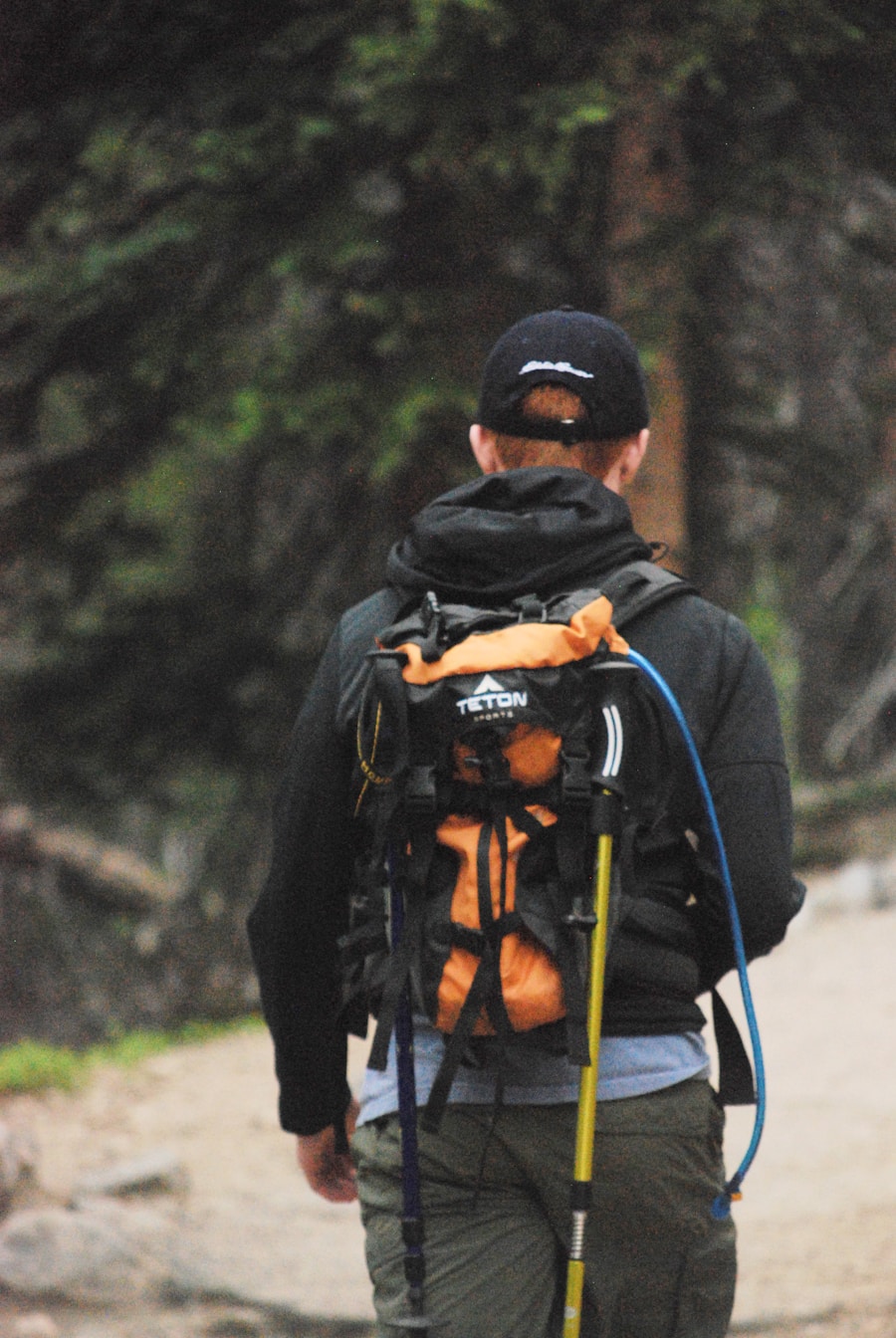
Last Updated on July 27, 2026 by Daniel Globe
Hiking can be an effective part of a weight-loss plan because it increases physical activity while giving you control over pace, distance, and difficulty. Hills and rough terrain can make a hike more demanding than an ordinary walk, but losing weight still depends on your overall energy balance, eating habits, sleep, health, and consistency over time.
Quick Answer
Yes. Hiking can support weight loss by increasing the calories you use and helping you build a consistent exercise routine. However, hiking does not guarantee weight loss by itself. The best results come from regular physical activity combined with an eating pattern that creates a sustainable calorie deficit.
Key Takeaways
- Hiking can support weight loss because longer, faster, and hillier hikes increase energy expenditure.
- The CDC estimates that a 154-pound person uses about 370 calories per hour during general hiking, but actual calorie burn varies widely.
- Hills and uneven terrain challenge the legs, glutes, calves, and core, although hiking is not a complete replacement for strength training.
- Outdoor activity may also support mood and stress management, which can make a consistent fitness routine easier to maintain.
- Increase difficulty through time, pace, and elevation rather than wearing ankle weights or carrying unnecessary weight.
- For sustainable weight management, combine hiking with nutritious eating, adequate recovery, and regular muscle-strengthening exercise.
At a Glance
| Time Required | Beginners can start with 30–45 minute hikes and gradually work toward more weekly activity. |
| Difficulty | Easy to vigorous, depending on pace, elevation gain, terrain, weather, and fitness level. |
| Tools Needed | Supportive footwear, water, weather-appropriate clothing, route information, navigation, food as needed, and other trail essentials. |
| Cost | Often free on local trails; footwear, transportation, parking, permits, or park entrance fees may add cost. |
How Hiking Burns Calories
Your body uses energy whenever you walk, climb, balance, and move across a trail. How many calories you burn depends on factors such as body size, hiking speed, elevation gain, terrain, hike duration, weather, fitness level, and the weight you carry.
The CDC’s current physical-activity guidance gives a useful reference point: a 154-pound person uses approximately 370 calories per hour while hiking. That is an estimate rather than a promise. A heavier person, steep climb, faster pace, or more difficult trail may increase energy use, while an easier route or slower pace may reduce it.
For a 154-pound person, the CDC estimates about 370 calories per hour for general hiking. Your actual calorie burn may be substantially higher or lower.
Uphill hiking normally demands more effort because you must move your body against gravity. Rough terrain can also increase the amount of stabilizing work performed by the legs and core. Long hikes increase total energy expenditure mainly because you remain active for more time.
What About the “Afterburn” Effect?
Your energy use can remain slightly elevated after harder exercise through a process called excess post-exercise oxygen consumption, or EPOC. However, this effect should not be treated as a major weight-loss shortcut. A systematic review of EPOC research found greater post-exercise energy use after higher-intensity exercise, but the additional expenditure was modest compared with the energy used during the workout itself.
For practical weight management, the duration and consistency of your hikes matter much more than trying to maximize an “afterburn.”
Can Hiking Alone Make You Lose Weight?
Hiking helps by increasing the amount of energy you use, but weight loss occurs when energy expenditure remains greater than energy intake over time. The CDC notes that physical activity combined with reducing calorie intake creates the calorie deficit needed for weight loss, and that most weight loss generally comes from reducing calorie intake rather than exercise alone.
This does not make hiking unimportant. Regular activity supports cardiovascular health, fitness, sleep, mental health, and long-term weight maintenance. It can also give you a practical way to increase weekly activity without relying entirely on gym workouts.
Note: A fitness watch or hiking app can be useful for recording time, distance, pace, and elevation, but its calorie number is still an estimate. Avoid treating that number as an exact allowance for how much extra food you can eat.
Hiking and Building Muscle
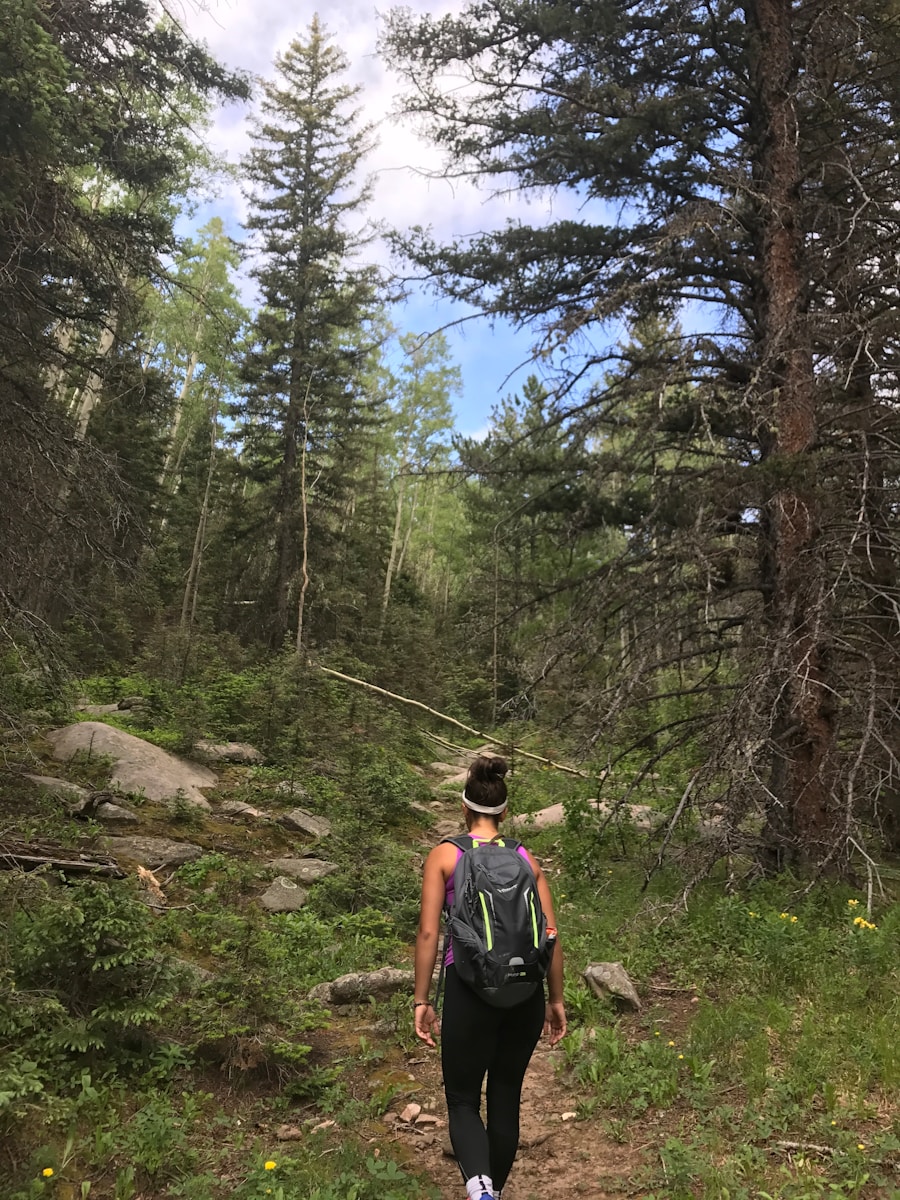
Hiking is mainly an aerobic activity, but the trail can challenge several muscle groups at the same time. Climbing works the quadriceps, glutes, hamstrings, and calves, while descending requires the legs to control your body as you move downhill. Uneven ground also makes the hips and core work continuously to maintain balance.
Trekking poles can involve the arms and upper body while providing additional points of contact with the ground. They do not turn hiking into a complete strength workout, but they can change how you distribute effort across the body.
Over time, regular hiking may improve muscular endurance and make your legs better able to tolerate long periods of climbing and walking. However, significant muscle growth requires sufficient resistance and progressive overload. For a more complete fitness program, the CDC recommends muscle-strengthening activities on at least two days each week in addition to aerobic activity.
Strength exercises such as squats, step-ups, lunges, calf raises, rows, and pushing movements can complement hiking by training muscles that may not receive enough resistance on the trail.
The Psychological Benefits of Hiking for Weight Loss
| Potential Benefit | What It May Mean |
|---|---|
| Reduced Perceived Stress | Research on nature exposure generally supports improvements in psychological and emotional measures related to stress. |
| Improved Mood | Physical activity and time in natural environments may support mood and mental well-being. |
| Greater Confidence | Completing longer or more difficult routes can provide a measurable sense of progress and accomplishment. |
| Enjoyment | Choosing an activity you genuinely enjoy may make it easier to remain physically active consistently. |
| Time to Unplug | A hike can provide a break from normal routines and distractions while combining movement with outdoor time. |
The mental-health case for hiking should be kept realistic. Research supports potential psychological and emotional benefits from exposure to natural environments, including improvements in mood and perceived stress. A 2024 meta-analysis of nature exposure also reported benefits across several mental-health outcomes.
That does not mean every hike will lower cortisol, prevent emotional eating, or treat anxiety or depression. Reviews of nature-based interventions have found that physiological outcomes such as stress-hormone changes are more inconsistent than self-reported psychological benefits.
The practical advantage is simpler: if hiking is enjoyable and helps you feel better, you may find it easier to make physical activity a regular part of your life.
Tips for Maximizing Weight Loss While Hiking
Build Consistency Before Intensity
A difficult hike once a month is less useful for building a sustainable routine than activity you can repeat consistently. Start with distances and terrain you can complete comfortably, then gradually increase your total time, elevation gain, or pace.
Use Hills to Increase the Challenge
Choose routes with moderate climbs once flat trails become comfortable. Hills naturally increase effort without requiring special exercise equipment.
Use Your Breathing to Judge Intensity
For moderate-intensity aerobic activity, the CDC’s practical “talk test” is useful: you should be breathing harder but still able to carry on a conversation. At vigorous intensity, speaking more than a few words without pausing becomes difficult.
Pro Tip: Instead of obsessing over calorie numbers, record your hiking time, distance, elevation gain, and how hard the hike felt. These measurements are more useful for showing whether your fitness and workload are progressing.
Add Intervals Only on Safe Terrain
More experienced hikers can alternate brisk uphill efforts with easier recovery periods. There is no need to sprint on rocky, wet, steep, or crowded trails. Your footing and surroundings always come first.
Do Not Add Unnecessary Weight Just to Burn Calories
A loaded backpack can increase energy expenditure, but that does not mean you should deliberately overpack. Carry the water, food, clothing, navigation equipment, and safety gear your route requires.
Avoid wearing ankle weights on a trail simply to make the workout harder. Added weight at the ankles can increase strain and change normal walking mechanics. Steeper terrain, a slightly faster pace, or a longer route provides a safer way to progress for most hikers.
Warning: Do not sacrifice stability or trail safety to increase calorie burn. Sprinting on uneven ground, carrying excessive weight, or pushing through dizziness, unusual pain, or signs of overheating can turn a fitness hike into an emergency.
How Much Hiking Should You Do for Weight Loss?
There is no single number of weekly hiking hours that guarantees weight loss. Your energy intake, body size, activity outside hiking, medications, health conditions, sleep, genetics, and other factors can all affect weight management.
For general health, current CDC guidance for adults recommends at least:
- 150 minutes per week of moderate-intensity aerobic activity, or
- 75 minutes per week of vigorous-intensity aerobic activity, or an equivalent combination, plus
- 2 days per week of muscle-strengthening activity.
Some people may require more activity than this for weight management, particularly when calorie intake does not change. Think of 150 minutes as a general health baseline rather than a guaranteed weight-loss prescription.
A Beginner-Friendly Progression
If you are new to hiking, begin with manageable routes and increase one variable at a time:
- First: establish two comfortable hikes per week on easy terrain.
- Next: gradually extend one hike or add a small amount of elevation.
- Then: add a third activity day or introduce short periods of brisker walking.
- Later: progress toward longer or hillier routes as your fitness, balance, and recovery improve.
You do not need to make every week harder. Repeat a comfortable workload when you are tired, sore, dealing with hot weather, or adjusting to unfamiliar terrain.
How to Incorporate Hiking into a Weight Loss Plan
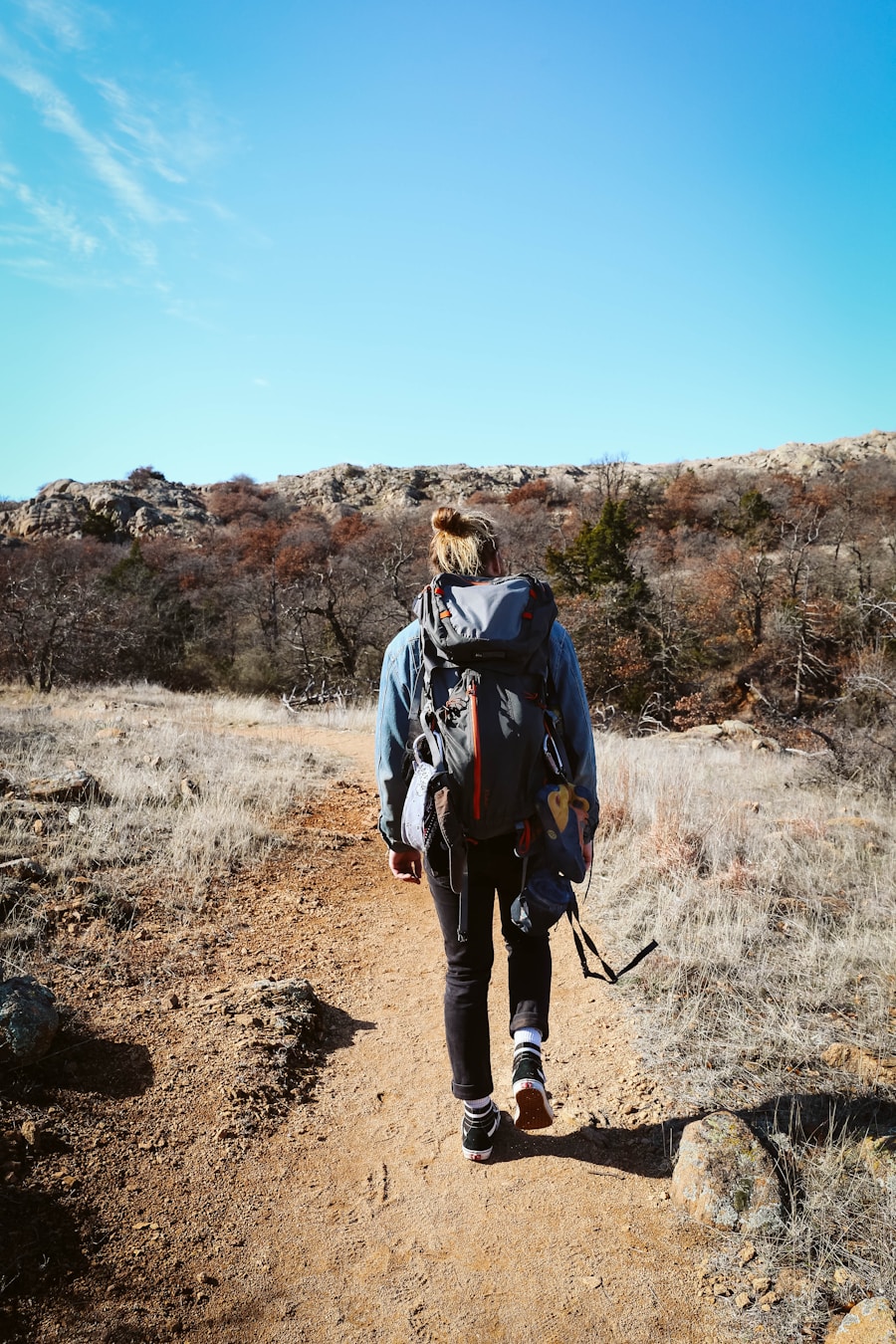
Start by assessing your current fitness and choosing local trails that match your ability. A flat, well-marked trail is a better starting point than a steep mountain route when you are new to hiking.
Set goals around behaviors you can control. Instead of focusing only on a target body weight, track goals such as:
- Minutes hiked each week.
- Number of hikes completed.
- Distance covered.
- Elevation gain.
- How quickly you recover after hills.
- Whether a familiar trail feels easier than it did several weeks ago.
These markers can show meaningful fitness improvements even during weeks when scale weight changes very little.
Hiking can also be paired with other forms of exercise. Strength training helps work major muscle groups more directly, while cycling, swimming, walking, or other aerobic activities can keep you active on days when trail conditions are poor.
Fueling and Hydration While Hiking for Weight Loss
Trying to lose weight does not mean you should intentionally under-fuel a demanding hike. Longer outings require enough food and water to maintain energy, concentration, and safe decision-making.
For short hikes, your normal meals may be enough. For longer outings, bring food appropriate to the duration and conditions. Fruit, sandwiches, nuts, trail mix, yogurt when safely chilled, and energy bars are possible options depending on the route and your needs.
Remember that nuts, trail mix, and many bars are calorie-dense. That is not inherently bad on the trail; it simply means portion size matters if weight loss is one of your goals.
Hydration is primarily a safety and performance issue, not a weight-loss trick. The National Park Service recommends planning your water needs before leaving, especially in hot weather or locations without reliable water sources.
Note: A lower number on the scale immediately after a hot or long hike may simply reflect fluid loss. Rehydration can restore that weight; it should not be confused with body-fat loss.
Precautions and Considerations for Hiking for Weight Loss
Hiking is scalable for many fitness levels, but an easy park loop and a steep backcountry trail are very different activities. Choose a route based on your current ability rather than the number of calories you hope to burn.
The National Park Service recommends hikers know their limits, select an appropriate trail, check weather and park alerts, leave a trip plan, and carry the essentials needed for the route.
Before leaving:
- Check the trail distance, elevation gain, difficulty, and current conditions.
- Wear footwear appropriate for the terrain.
- Bring sufficient water and food.
- Carry navigation appropriate to the route and know how to use it.
- Pack weather protection and other essentials for the conditions.
- Tell someone where you are going and when you expect to return when hiking in remote areas.
- Turn back when weather, fatigue, heat, darkness, or trail conditions make continuing unsafe.
People with chronic health conditions or disabilities may benefit from discussing appropriate types and amounts of activity with a health professional. The CDC also advises people who have been inactive and plan to begin vigorous exercise to consider whether medical guidance is appropriate for their situation.
Combining Hiking with Other Weight Loss Strategies
Hiking works best as one part of a sustainable weight-management routine. According to the CDC’s healthy weight guidance, healthy weight loss involves more than exercise alone. Nutrition, physical activity, sleep, and stress management all matter.
Build meals around nutrient-dense foods that fit your calorie needs, including vegetables, fruits, protein foods, whole grains, and other foods you enjoy. You do not need to eliminate an entire food group simply because you are trying to lose weight.
Strength training is also worth adding. Hiking challenges the lower body, but dedicated resistance exercise can train the chest, back, shoulders, arms, legs, hips, and core through a broader range of movements.
Finally, focus on habits you can maintain. The CDC notes that people who lose weight at a gradual, steady rate of about 1 to 2 pounds per week are more likely to keep it off than people who lose weight more rapidly. Individual results vary, and weight management can also be affected by medicines, medical conditions, hormones, age, genetics, and other factors.
Social support can help too. Hiking with friends or joining a local hiking group can provide accountability while making the activity more enjoyable. Just remember that each person should choose a pace and route that matches their own ability.
If a hiking trip is part of a larger vacation, this article on how to choose the best travel guidebook for your next trip may help with destination planning. For trail conditions, closures, weather hazards, permits, and safety information, always rely on the official land manager or park website.
Frequently Asked Questions
What is hiking?
Hiking is outdoor walking on trails, paths, or natural terrain. It can range from an easy walk on a maintained path to a strenuous route involving steep climbs, rough surfaces, significant elevation gain, or backcountry travel.
How can hiking help with weight loss?
Hiking increases physical activity and calorie expenditure, which can contribute to the calorie deficit needed for weight loss. Results depend on your total eating pattern, activity level, body size, health, sleep, medications, and other individual factors.
How many calories can you burn while hiking?
The CDC estimates about 370 calories per hour for general hiking for a 154-pound person. Your actual number may be higher or lower depending on body size, speed, elevation, terrain, weather, fitness, duration, and pack weight.
What are the benefits of hiking for weight loss?
Hiking burns calories, improves aerobic fitness, challenges the legs and core, and can provide an enjoyable way to increase weekly activity. Time outdoors may also support mood and perceived stress, which can make a regular exercise habit easier to maintain.
Is hiking suitable for all fitness levels?
Hiking can be adapted to many fitness levels because trails range from short, flat paths to strenuous mountain routes. Choose terrain that matches your current ability and gradually increase duration or elevation instead of beginning with an overly difficult trail.
How often should you hike to see weight loss results?
There is no guaranteed hiking frequency for weight loss. For general health, adults should aim for at least 150 minutes of moderate-intensity aerobic activity per week or 75 minutes of vigorous activity, plus two days of muscle strengthening. Some people need more activity or dietary changes for weight loss.
Are there any precautions to take while hiking for weight loss?
Yes. Match the trail to your abilities, check the weather and trail conditions, wear suitable footwear, bring adequate water and food, carry appropriate navigation and safety equipment, and let someone know your plan when hiking remotely. Do not take extra trail risks simply to burn more calories.
Is hiking better than walking for weight loss?
Neither activity is automatically better. A steep or rugged hike may use more energy per minute than an easy flat walk, but a longer or more frequent walking routine can still provide substantial activity. The best option is the one you can perform safely and consistently.
Should you carry extra weight to burn more calories while hiking?
A heavier load can increase energy demand, but carrying unnecessary weight also increases fatigue and physical stress. Carry the equipment your hike requires rather than overloading your pack for calorie burn. Avoid ankle weights on uneven trails; use pace, distance, and elevation to progress instead.
Sources
- CDC — Physical Activity and Your Weight and Health — calorie expenditure, calorie deficit, weight management, and physical activity.
- CDC — Adult Activity: An Overview — weekly aerobic and muscle-strengthening recommendations.
- CDC — Steps for Losing Weight — sustainable weight-management habits and gradual weight loss.
- U.S. National Park Service — Hike Smart — trail planning, water, equipment, weather, and hiking safety.
- PubMed — Panissa et al., systematic review of EPOC — post-exercise oxygen consumption and exercise intensity.
- PubMed — Bettmann et al., nature-exposure meta-analysis — psychological and mental-health effects associated with nature exposure.
