
Last Updated on July 23, 2026 by Daniel Globe
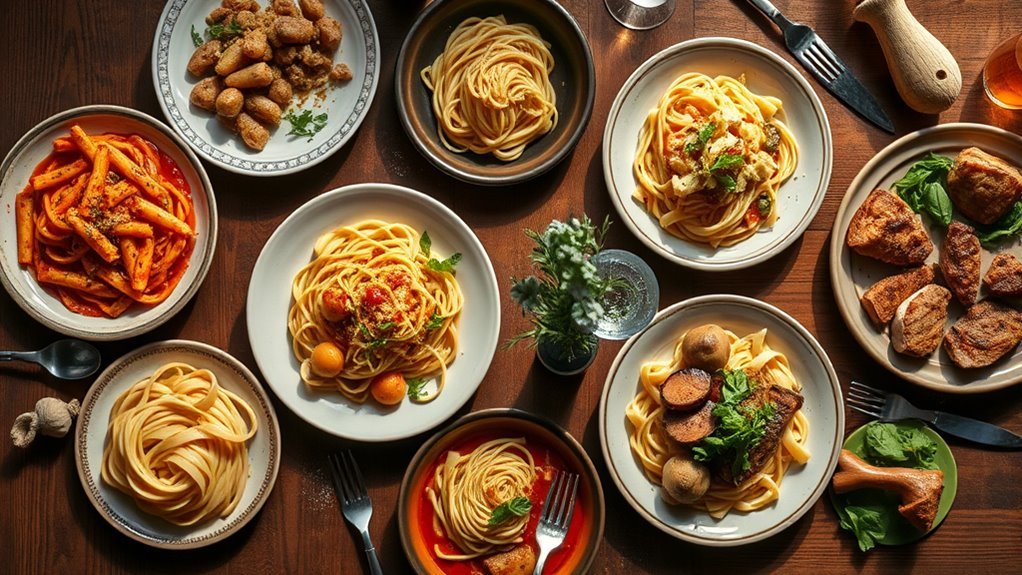
Rome’s food is built on a small pantry of strong ingredients, including guanciale, Pecorino Romano, eggs, tomatoes, black pepper, artichokes, and seasonal vegetables. This guide explains the traditional Roman dishes worth ordering, what each one tastes like, when seasonal specialties appear, and how to choose between a quick street-food lunch and a full trattoria meal.
Quick Answer
Rome’s essential dishes include carbonara, gricia, Amatriciana, cacio e pepe, trippa alla romana, carciofi alla giudia, and saltimbocca. For a quick bite, try supplì or pizza al taglio. Finish with maritozzo or a seasonal sweet such as bignè di San Giuseppe, pangiallo, or castagnole.
Key Takeaways
- Rome’s four best-known pastas are carbonara, gricia, Amatriciana, and cacio e pepe.
- Traditional carbonara contains eggs, guanciale, Pecorino Romano, and pepper, but no cream.
- Artichokes are seasonal, while bignè, pangiallo, and castagnole are linked to specific holidays.
- Many Roman classics contain pork, dairy, animal rennet, or gluten, so ask before ordering when you have dietary restrictions.
- Supplì and pizza al taglio suit a quick lunch; pasta, tripe, and saltimbocca are usually better enjoyed during a sit-down meal.
Disclosure: As an Amazon Associate I earn from qualifying purchases. Some links on this page are affiliate links, at no extra cost to you.
Roman Cuisine: What Makes It Unique
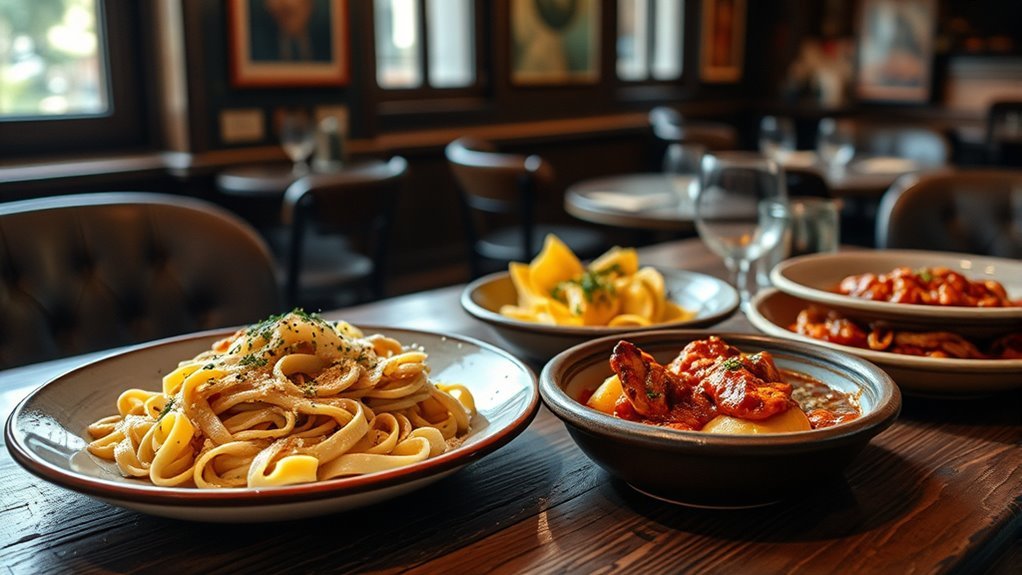
Roman cuisine stands out for its direct flavors and economical use of ingredients. A handful of staples can produce several different dishes: add eggs to guanciale, Pecorino Romano, and pepper for carbonara; add tomato instead for Amatriciana; or leave out both eggs and tomato for gricia. This practical approach is closely associated with cucina povera, or resourceful cooking shaped by working households and modest ingredients.
Rome’s traditional food also reflects the surrounding countryside, the city’s historic markets, and its Roman-Jewish community. Seasonal artichokes, chicory, lamb, sheep’s-milk cheese, offal, and cured pork remain central to many recipes. The city’s official tourism portal provides a useful overview of these recurring ingredients in traditional Roman cooking.
Roman cooking creates distinct dishes by changing one or two ingredients rather than hiding food beneath complicated sauces.
Traditional Roman Dishes at a Glance
| Dish | What to Expect | Main Ingredients |
| Carbonara | Silky, salty, peppery pasta | Eggs, guanciale, Pecorino Romano, pepper |
| Gricia | Rich pasta without tomato or egg | Guanciale, Pecorino Romano, pepper |
| Amatriciana | Savory tomato pasta with cured pork | Guanciale, tomato, pepper or chilli, Pecorino |
| Cacio e pepe | Sharp, creamy-looking cheese-and-pepper pasta | Pecorino Romano, pepper, pasta water |
| Trippa alla romana | Tender tripe in a rich tomato sauce | Tripe, tomato, vegetables, mint, Pecorino |
| Carciofi alla giudia | Crisp fried artichoke with a tender heart | Romanesco artichoke, oil, salt, lemon |
| Saltimbocca | Tender veal with salty ham and fragrant sage | Veal, prosciutto, sage, white wine |
| Maritozzo | Soft sweet bun filled with whipped cream | Enriched bun, fresh whipped cream |
Why Roman Dishes Matter
Traditional Roman dishes reflect the city’s agricultural surroundings, working-class districts, religious communities, and habit of gathering around the table. Their importance comes not from complicated presentation but from the way familiar ingredients carry local history from one generation to the next.
Cultural Identity
Roman food expresses the city’s identity through recognizable ingredients and cooking methods. Pecorino Romano brings a sharp sheep’s-milk flavor, guanciale supplies rich cured pork fat, and vegetables such as artichokes and chicory connect urban cooking with Lazio’s fields and gardens. Recipes change between families and restaurants, but the basic flavor combinations remain easy to recognize.
Roman-Jewish cooking is especially important to this identity. Fried artichokes, ricotta-and-sour-cherry tart, cod, endive, and other specialties grew from the long relationship between Rome and its Jewish community. These dishes are not side notes to Roman cooking; they are part of the city’s central culinary story.
Heritage on the Plate
Many Roman dishes began with inexpensive or durable ingredients. Pasta, aged cheese, black pepper, cured pork, and offal could feed households without relying on delicate or costly products. Over time, careful technique turned these practical foods into dishes now served in trattorias around the world.
The tradition known as the quinto quarto, or “fifth quarter,” is a clear example. Slaughterhouse workers and working families used tripe, oxtail, intestines, liver, heart, and other parts that wealthier customers often rejected. Trippa alla romana, coda alla vaccinara, and pajata preserve that history.
Shared Dining Traditions
A traditional Roman meal is often unhurried, but you do not need to order every course. Diners may share an antipasto, choose a pasta as a primo, and follow it with meat or offal as a secondo. Vegetable side dishes, called contorni, are commonly ordered separately.
This structure encourages conversation and sharing without requiring a formal occasion. A plate of artichokes, a bowl of pasta, and a simple dessert can be enough to experience the city’s approach to communal dining.
Spaghetti alla Carbonara
Spaghetti alla carbonara is one of Rome’s best-known pasta dishes. Its traditional Roman form combines pasta, guanciale, eggs, Pecorino Romano, and freshly ground black pepper. The hot pasta and a small amount of starchy cooking water help turn the egg-and-cheese mixture into a glossy sauce without using cream.
- Guanciale: cured pork cheek that supplies savory flavor and rendered fat
- Eggs: often a mixture weighted toward yolks for a richer sauce
- Pecorino Romano: sharp, salty sheep’s-milk cheese
- Black pepper: a warm, aromatic finish
Carbonara’s exact origin is uncertain. One theory connects it to charcoal workers and older cheese-and-egg pasta dishes. Another links its rise to the availability of eggs and bacon supplied to Allied troops in Rome during or after the Second World War. The city’s tourism authority presents both as theories rather than settled history in its account of traditional carbonara.
Note: A traditional Roman carbonara does not contain cream. A smooth sauce should come from eggs, cheese, rendered guanciale fat, pasta water, and careful temperature control.
Rigatoni alla Gricia
Rigatoni alla gricia uses three main flavoring ingredients: guanciale, Pecorino Romano, and black pepper. Without eggs or tomatoes, the rendered pork fat and starchy pasta water must carry the cheese and pepper across the pasta. Rigatoni is common, although spaghetti, bucatini, and other shapes also appear.
Gricia Origins
Gricia predates tomato-based Amatriciana and is sometimes described as its white ancestor. The origin of its name is debated. Treccani’s entry for gricia connects the term with grici, bread and grocery sellers in 19th-century Rome who were said to come from the Swiss Grisons, Valtellina, or possibly Friuli. Another popular explanation links the name to Grisciano, a village near Amatrice.
Because the evidence supports more than one explanation, it is safer to treat these stories as competing traditions rather than a single proven origin.
Key Ingredients
Guanciale is essential to traditional gricia. As it cooks, its fat becomes the base of the sauce. Pecorino Romano adds salt and sharpness, while black pepper provides heat and aroma. Pasta water helps the fat and cheese form a coating instead of collecting in greasy or clumped patches.
- Rigatoni provides ridges and a hollow center that hold the sauce.
- Spaghetti and bucatini give the dish a smoother, longer bite.
- Guanciale should remain distinct rather than disappearing into the sauce.
- The cheese is added carefully so it melts without turning grainy.
Bucatini all’Amatriciana
Bucatini all’Amatriciana combines cured pork cheek with tomato, pepper or chilli, and often grated Pecorino. Bucatini is strongly associated with the Roman version because its hollow center and firm texture hold the sauce well, although spaghetti and short pasta also appear.
- Guanciale: the traditional cured pork ingredient
- Tomato: passata, peeled tomatoes, or tomato pulp with a ripe, balanced flavor
- Pepper or chilli: used for warmth and contrast
- Pecorino: commonly grated over the finished pasta
The European Union registered Amatriciana Tradizionale as a Traditional Speciality Guaranteed in 2020. The detailed specification identifies guanciale and tomato as defining ingredients. It allows pepper or chilli and recommends Amatrice pecorino or Pecorino Romano from Lazio.
The protected specification does not require San Marzano tomatoes. It also excludes garlic, onion, and pancetta from the registered traditional preparation. Individual restaurants may serve variations, but those additions should not be described as requirements of the protected recipe.
Tonnarelli Cacio e Pepe
Tonnarelli cacio e pepe is made with pasta, Pecorino Romano, black pepper, and starchy cooking water. Thick tonnarelli have a rough surface that holds the sauce well, although spaghetti is also traditional. The dish should taste sharp, peppery, and savory without becoming heavy.
The technique matters because overheated cheese can seize into clumps. The pasta water is allowed to cool slightly before it is combined with finely grated cheese. Tossing the pasta helps form an emulsion that looks creamy even though the recipe contains no cream.
Cacio e pepe is often associated with shepherds and transhumance because aged cheese, dried pasta, and pepper travel well. That story fits the ingredients, but it should be understood as traditional culinary lore rather than a precisely documented point of origin.
Pro Tip: Eat cacio e pepe as soon as it arrives. The sauce naturally tightens as the cheese cools.
Trippa alla Romana
Trippa alla romana shows how Roman cooks turned an inexpensive cut into a deeply flavored main course. Strips of beef tripe simmer in tomato with onion, carrot, celery, and seasonings before being finished with grated Pecorino Romano and chopped Roman mint.
Some traditional recipes also include guanciale in the flavor base. Turismo Roma’s documented trippa alla romana recipe uses guanciale, peeled tomatoes, vegetables, Pecorino, and wild mint. The dish has also been associated with Saturday lunches in Roman trattorias, particularly around Testaccio and Trastevere.
- The tripe is cleaned and usually purchased already boiled or partly cooked.
- It is cut into strips and simmered slowly with the aromatic vegetables and tomato.
- Hot water or broth may be added to keep the sauce abundant during cooking.
- Pecorino Romano and chopped mint are added before serving.
Trippa belongs to Rome’s quinto quarto tradition, which made use of offal and less expensive parts of slaughtered animals. The saying “non c’è trippa per gatti,” or “there is no tripe for the cats,” remains part of Roman popular language and adds to the dish’s cultural identity.
Carciofi alla Giudia
Carciofi alla giudia are whole fried artichokes associated with Rome’s Jewish culinary tradition. When prepared well, the outer leaves become thin and crisp while the heart remains tender and slightly sweet. They are especially worth seeking during the Roman artichoke season.
Jewish Ghetto Origins
The dish developed within the Roman-Jewish food tradition centered around the historic Jewish quarter. Romanesco artichokes, also called mammole or cimaroli, suit the preparation because they are round, tender, and less thorny than many other varieties.
Carciofi alla giudia reflect the same resourcefulness found throughout Roman cooking: a familiar local vegetable becomes memorable through precise trimming and frying. The city describes the dish as an icon of Roman-Jewish cuisine in its guide to Romanesco vegetables and artichokes.
Crispy Artichoke Technique
The tough outer leaves and the upper part of the artichoke are removed before the head is opened into a flower shape. Cleaned artichokes are commonly held in lemon water to limit browning, then dried thoroughly before frying.
Many versions use two stages of frying. The first cooks the heart at a moderate temperature. The leaves are then opened further before a hotter second fry makes them crisp. Recipes and temperatures vary, but the contrast between the crunchy leaves and tender center is the defining result.
Serving and Pairings
Carciofi alla giudia are best served warm after the excess oil has drained. They work as an appetizer, vegetable course, or side dish. Lemon can add brightness, although a well-seasoned artichoke needs little else.
- Serve one whole artichoke as an appetizer.
- Pair it with grilled fish or a simple meat dish.
- Choose a crisp white wine to balance the fried exterior.
- Pull off and eat the crisp leaves before cutting into the tender heart.
Note: Romanesco artichokes are generally associated with the cooler months and spring. Availability often runs from January into May, with March and April commonly considered the best period.
Saltimbocca alla Romana
Saltimbocca alla romana combines thin slices of veal with prosciutto and fresh sage. The meat cooks quickly, and white wine is used to loosen the browned juices in the pan. The result is tender, salty, aromatic, and lighter than a long-braised meat dish.
The origin of saltimbocca is disputed, with some accounts pointing toward Brescia. Even so, it became one of Rome’s emblematic dishes. Pellegrino Artusi described it after eating it at a restaurant in Rome and included it in his influential 1891 cookbook. Turismo Roma discusses both the disputed origin and the established Roman tradition in its account of saltimbocca alla romana.
Traditional preparation is simple: pound the veal thin, place sage and prosciutto on top, secure the layers, and cook the meat briefly. Because prosciutto is already salty, the veal needs little additional salt. Mashed potatoes, buttered green beans, roasted potatoes, or seasonal vegetables make suitable side dishes.
Roman Sweets to Try
Roman desserts range from breakfast buns sold throughout the year to pastries associated with religious festivals and seasonal celebrations. Knowing when they traditionally appear can make them easier to find in their best form.
- Maritozzo: a soft, lightly sweetened bun split and generously filled with fresh whipped cream. Older versions included honey, raisins, and dried fruit, while the cream-filled version is now the best known.
- Crostata con ricotta e visciole: a Roman-Jewish tart that balances sweet ricotta with tart sour cherries inside shortcrust pastry.
- Bignè di San Giuseppe: fried or baked cream puffs traditionally eaten around March 19, the feast of St. Joseph.
- Pangiallo: a dense Christmas sweet made with honey, nuts, dried fruit, spices, and a characteristic yellow coating.
- Castagnole: small fried Carnival sweets rolled in sugar and sometimes flavored or filled.
The maritozzo is widely available and works for breakfast, a snack, or dessert. The other sweets are more closely tied to place or season: ricotta-and-sour-cherry tart to the Jewish quarter, bignè to March, castagnole to Carnival, and pangiallo to Christmas.
Other Traditional Roman Foods Worth Trying
The famous pasta dishes are only part of Rome’s food culture. Add a few of these specialties when you want street food, fried snacks, lamb, or a deeper look at the city’s working-class cooking.
- Supplì: fried rice croquettes, usually filled with tomato-seasoned rice and a melting mozzarella center. Some versions contain meat or meat stock.
- Pizza al taglio: tray-baked pizza sold by weight and cut to the portion size you choose.
- Pizza bianca: an airy, salty flatbread eaten alone or filled with mortadella, prosciutto, cheese, or seasonal ingredients.
- Fiori di zucca: zucchini flowers commonly filled with mozzarella and anchovy before being battered and fried.
- Coda alla vaccinara: oxtail slowly braised with tomato, vegetables, and seasonings until the meat becomes tender.
- Abbacchio: young lamb prepared in several Roman styles, including roasted, braised, or served as grilled chops known as scottadito.
- Pajata: a traditional intestine dish associated with Testaccio and the quinto quarto. Ask the restaurant how its current version is prepared.
- Trapizzino: a modern Roman street food that fills a triangular bread pocket with sauces and dishes such as chicken cacciatore, meatballs, or braised vegetables.
How to Order a Traditional Roman Meal
Italian menus divide a meal into courses, but you are not required to order every one. Understanding the basic structure makes it easier to combine dishes without ordering more food than you want.
- Antipasto: a starter such as fried artichoke, cured meat, or fiori di zucca
- Primo: pasta, rice, soup, or another starch-based first course
- Secondo: meat, fish, tripe, saltimbocca, or another protein-centered course
- Contorno: a vegetable or potato side, often ordered separately from the secondo
- Dolce: dessert
For a balanced meal, you might share an artichoke, order one pasta, and finish with a maritozzo or tart. For a larger dinner, choose a smaller pasta followed by saltimbocca, lamb, tripe, or oxtail with a separate vegetable side.
Where to Try Roman Food in Rome
You can find the four classic pastas throughout Rome, but several neighborhoods have especially strong links to particular parts of the city’s food history.
- Testaccio: a strong choice for market food, traditional trattorias, offal, oxtail, pajata, and other dishes tied to the former slaughterhouse district.
- Jewish Ghetto: the natural area to seek carciofi alla giudia, ricotta-and-sour-cherry tart, cod, and other Roman-Jewish specialties.
- Trastevere: filled with trattorias serving pasta and meat dishes, although quality and prices vary on the busiest streets.
- Monti and the historic center: convenient for pasta, bakeries, pizza al taglio, and wine bars near major attractions.
- Neighborhood markets and bakeries: useful for supplì, sliced pizza, bread, prepared vegetables, and an inexpensive lunch.
Pro Tip: Read the full menu rather than judging a restaurant by one famous pasta. Seasonal vegetables, a short list of house specialties, and clear regional ingredients often tell you more than decorative claims about authenticity.
Dietary Considerations
Traditional Roman cooking can be challenging for some diets because pork, sheep’s-milk cheese, eggs, wheat, and offal appear frequently. Ask specific questions instead of assuming that a vegetable or cheese dish meets your needs.
- Vegetarian: carciofi alla giudia, carciofi alla romana, chicory, vignarola, pizza rossa, and some vegetable pizzas may be suitable. Confirm that broth, anchovies, or meat fat are not used.
- Strict vegetarian: Pecorino Romano PDO is traditionally coagulated with lamb rennet, as explained by the Pecorino Romano protection consortium. Ask whether an alternative cheese is available.
- Gluten-free: fried foods may contain flour or share frying oil with breaded items. Sauces can also be thickened or contaminated during preparation.
- Pork-free: carbonara, gricia, and Amatriciana traditionally contain guanciale. Fiori di zucca may contain anchovy, and supplì may contain meat stock or ragù.
- Kosher or halal: seek a certified restaurant rather than assuming a traditional or pork-free dish meets religious preparation requirements.
- Allergies: tell the restaurant about allergies directly because dairy, eggs, wheat, fish, celery, and cross-contact may not be obvious from the menu name.
How to Recognize a Traditional Version
Roman cooking has always changed between households and restaurants, so authenticity should not be reduced to one chef’s rigid rules. However, a few basic markers can help you understand what you are ordering.
- Carbonara should rely on egg, cheese, guanciale, and pepper rather than cream.
- Traditional gricia contains guanciale; removing it creates a different pasta dish.
- Cacio e pepe should taste mainly of Pecorino Romano and black pepper, without cream.
- The registered Amatriciana specification uses guanciale and tomato and excludes onion, garlic, and pancetta.
- Carciofi alla giudia should have crisp opened leaves and a tender center.
- Seasonal sweets and vegetables may not be available throughout the year.
Note: A variation can still be enjoyable. The important distinction is whether it is presented honestly as a variation or incorrectly described as the only traditional recipe.
Frequently Asked Questions
Where can I find good Roman street food?
Testaccio Market is a useful starting point for supplì, sandwiches, pizza, and prepared dishes. You can also find strong street-food options in bakeries and takeaway shops around Trastevere, Monti, the Jewish Ghetto, and the historic center. Look for freshly fried supplì and pizza al taglio with steady local turnover.
Which Roman dishes are naturally vegetarian?
Carciofi alla giudia, carciofi alla romana, sautéed chicory, vignarola, pizza rossa, and some vegetable pizzas can be vegetarian. Cacio e pepe contains no meat, but traditional Pecorino Romano PDO uses lamb rennet, so strict vegetarians should ask about the cheese. Gricia is not vegetarian because guanciale is a defining ingredient.
What ingredients define traditional Roman cooking?
Common ingredients include guanciale, Pecorino Romano, eggs, black pepper, tomatoes, artichokes, chicory, lamb, olive oil, mint, celery, and seasonal vegetables. Roman cooking often creates different dishes by changing only one or two ingredients.
Are Roman pasta courses served before meat?
Yes. Pasta is normally listed as a primo, while meat or fish is a secondo. You may order both in that sequence, but it is also normal to choose only a pasta or only a main course. Vegetable sides are usually ordered separately.
Which Roman foods are best for a quick lunch?
Supplì, pizza al taglio, pizza bianca with a filling, and trapizzino are convenient quick-lunch choices. Carbonara and the other classic pastas are usually better during a sit-down meal because they are cooked to order and should be eaten immediately.
Which Roman dishes may be gluten-free?
Trippa alla romana, grilled lamb, some saltimbocca preparations, and artichoke dishes may be made without gluten. However, saltimbocca can be lightly floured, fried foods may share oil with breaded items, and cross-contact is possible. Confirm ingredients and preparation with the restaurant.
When are Roman artichokes in season?
Romanesco artichokes are mainly associated with winter and spring. They may appear from January into May, with March and April often offering the strongest seasonal availability. Outside that period, ask whether the restaurant is using fresh local artichokes.
Conclusion
Rome’s most memorable foods are built from clear flavors rather than long ingredient lists. Carbonara, gricia, Amatriciana, and cacio e pepe show what pasta, cheese, pepper, eggs, tomato, and guanciale can do in different combinations. Trippa, saltimbocca, and fried artichokes reveal other parts of the city’s working-class and Roman-Jewish heritage.
Choose supplì or pizza al taglio when you need a quick meal, then save the classic pastas and second courses for a trattoria. Finish with a maritozzo or a sweet that matches the season. Ordering this way gives you a broader and more accurate taste of Roman food than relying on one famous pasta alone.
Sources
- Turismo Roma: Rome to Eat, Traditional Recipes — traditional ingredients and the principal Roman pasta dishes
- Turismo Roma: Traditional Carbonara — ingredients and competing origin theories
- EUR-Lex: Amatriciana Tradizionale Specification — protected ingredients and preparation requirements
- Turismo Roma: Roman Artichoke Recipes — carciofi alla giudia ingredients and frying technique
- Turismo Roma: Trippa alla Romana — traditional tripe ingredients, mint, and preparation
- Turismo Roma: Saltimbocca alla Romana — traditional ingredients, preparation, and disputed origin
