
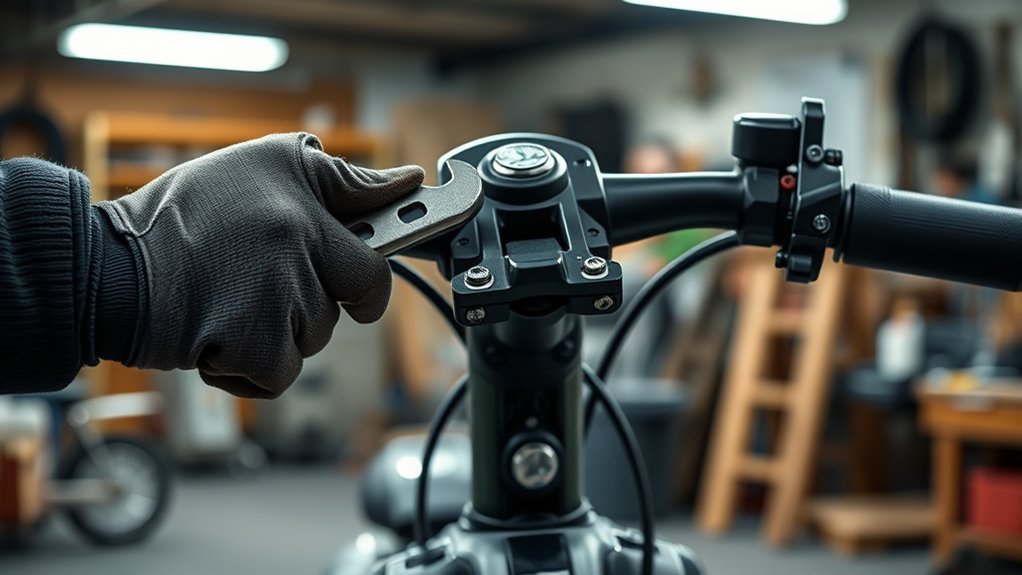
Last Updated on September 10, 2026 by Daniel Globe
You can fix loose electric scooter handlebars by checking the stem, clamp, and folding joints for play, cracks, or stripped threads. Use the correct Allen wrench or screwdriver to tighten each bolt firmly, but don’t overtighten. Realign the bars with the front wheel, then test for wobble before riding. If damage persists, replace worn parts or get professional help. Keep the cockpit clean, dry, and inspected often so your scooter stays stable and safer on every ride.
Disclosure: As an Amazon Associate I earn from qualifying purchases. Some links on this page are affiliate links, at no extra cost to you.
Why Electric Scooter Handlebars Go Loose
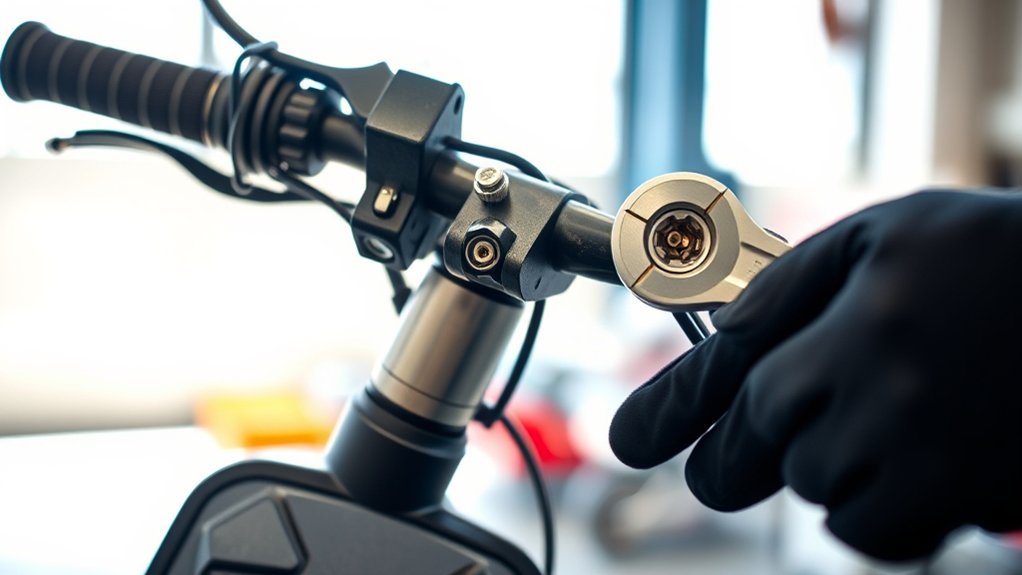
Electric scooter handlebars usually go loose because repeated use and vibration gradually work hardware out of alignment, especially if you ride on rough or uneven surfaces. You can see vibration effects in small shifts at the stem, clamp, and folding joints. If assembly wasn’t square from the start, handlebar alignment drifts faster, and slack builds under load. Hard impacts from falls or collisions can bend or stress the stem, so looseness appears even when the scooter looks intact. Humidity and temperature swings can also weaken fastener grip over time, reducing stability. Low-quality components wear sooner, strip easier, and hold less securely under stress. When you understand these causes, you can diagnose the problem cleanly instead of blaming yourself. Your mobility should stay reliable, free, and responsive, not trapped by avoidable mechanical drift. Regular inspection helps you catch early movement before it becomes unsafe.
Tools You Need to Fix Scooter Handlebars
To correct loose or damaged handlebars, you’ll want the right tools on hand before you start tightening anything. Grab a set of Allen wrenches first; they’re the primary tools for most scooter handlebar fasteners. Keep an adjustable wrench nearby when you need extra grip or leverage on stubborn parts. If your scooter uses covers or hidden access panels, a Phillips or flathead screwdriver may be required to reach the hardware. A clean rag or towel helps you wipe away dirt, grease, and grit so your tools seat properly and don’t slip. If any parts feel stiff, a small amount of lubricant can make movement smoother, but use it sparingly. These basics support efficient repairs, smarter maintenance tips, and future handlebar upgrades. With the right kit, you can work cleanly, confidently, and without unnecessary dependence on a shop.
Check the Stem, Bolts, and Clamp
Inspect the stem for cracks, bends, or other visible wear, since damage can compromise stability and safety. Use the correct Allen wrench to tighten the clamp bolts and screws until they’re secure, but don’t overtighten them or you could strip the threads. Then check that the clamp holds the stem firmly and the handlebars stay aligned with the front wheel.
Stem Wear and Damage
Even a slightly damaged stem can affect your scooter’s stability, so check it closely for cracks, bends, or other visible wear before riding. During stem maintenance, look for wear indicators such as chipped paint, elongation around bolt holes, or play at the joint. Inspect every bolt and screw on the stem and handlebars, and use the correct Allen wrench to verify they’re snug without overtightening. Examine the clamp for deformation, thinning, or surface damage; a worn clamp may let the bars shift under load. If you find structural damage, replace the affected part rather than forcing a repair. Regular checks keep your scooter responsive, protect your control, and help you ride with confidence and autonomy.
Clamp Bolt Tightening
Before you ride, check the stem for any exposed bolts or screws that need tightening, since loose hardware can cause wobble and reduce control. Use the right Allen wrench to tighten each clamp bolt evenly, but don’t overtorque them; stripped threads or cracked parts can weaken the joint. Inspect the neck area for smaller screws that also affect stability, and secure those as needed. During handlebar maintenance, watch the clamp for wear, elongation, or corrosion, because damaged hardware may need replacement. After tightening, align the handlebars with the front wheel and test steering response. These safety considerations help you keep precise control and ride with confidence. A firm, correctly set clamp gives you the freedom to move without fighting instability.
Tighten Loose Scooter Handlebar Bolts
Start by checking the handlebar stem for any visible screws or bolts that have loosened from normal use or vibration. Use the right Allen wrench or screwdriver to tighten each fastener firmly, but don’t overtighten and strip the threads. Apply these handlebar maintenance tips with care, because solid hardware keeps your ride free and controlled.
| Fastener area | Tool | Action |
|---|---|---|
| Stem bolts | Allen wrench | Tighten evenly |
| Folding joint | Screwdriver | Check for play |
| Brake lever mounts | Allen wrench | Secure snugly |
After tightening, verify the bars sit square with the front wheel using basic scooter alignment techniques. If your scooter has a folding mechanism, inspect its screws too and correct any looseness. Then test ride in a safe area. Feel for wobble, listen for clicks, and confirm the bars stay stable. If anything shifts, stop and recheck the bolts before you ride again.
Realign Electric Scooter Handlebars
To realign your electric scooter handlebars, loosen the stem clamp bolts with an Allen wrench just enough to let the bar assembly move, then center the handlebars with the front wheel and retighten the bolts evenly. This handlebar alignment step keeps your ride predictable and lets you reclaim control without fighting drift. Before you tighten, inspect the stem and bars for bends, cracks, or other wear that could pull the alignment off again. If you spot damage, stop and repair or replace the part first. After you secure the bolts, shake the handlebars gently side to side and front to back. They shouldn’t wobble, shift, or click. If they do, repeat the adjustment and confirm even torque. Make realignment part of routine scooter maintenance, especially after rough pavement, curbs, or potholes. Regular checks help you keep your setup straight, stable, and ready for free, confident travel.
Fix the Folding Joint on Foldable Scooters
If your foldable scooter uses a folding joint, inspect that mechanism for visible wear, cracks, or deformation, because damage there can loosen the handlebars and reduce riding stability. Tighten every screw and bolt in the hinge so the joint locks firmly and doesn’t wobble under load. Add scooter joint lubrication to the pivot points at regular intervals; a light, clean lubricant reduces stiffness, supports smooth folding, and helps preserve alignment. During folding mechanism maintenance, cycle the scooter open and closed several times and feel for resistance, play, or uneven motion. If any part feels damaged or excessively worn, replace it with a high-quality component that matches the original fit.
- Stable joints keep steering predictable.
- Smooth motion frees you from mechanical drag.
- Regular checks prevent avoidable breakdowns.
Check for Cracks or Stripped Threads
Inspect the handlebar stem and all related bolts for visible cracks, because even minor damage can weaken the assembly. Check each screw and bolt for stripped threads, since worn threads won’t hold proper torque and can keep the handlebars loose. Use a magnifying glass for small fractures, and replace any damaged parts before you ride.
Inspect Visible Cracks
Look closely at the handlebar stem for any visible cracks, since even small fractures can weaken the structure and make the scooter unsafe to ride. During handlebar maintenance, use strong light and rotate the stem to catch hairline damage, dents, or fatigue marks. If you spot any flaw, stop riding and apply safety precautions before the part fails.
- Inspect after every fall or hard curb strike.
- Compare both sides for symmetry, bends, and surface splits.
- Replace damaged parts instead of masking weakness with temporary fixes.
A cracked stem can’t fully support steering loads, so treat it as a freedom issue, not a minor cosmetic problem. Your ride should stay responsive, stable, and under your control, not leave you at risk.
Check Stripped Threads
Next, check the stem bolts and clamp threads for damage, since even one stripped thread can let the handlebar loosen under load. Try tightening each screw; if it spins freely or won’t torque down, the thread is likely stripped. Inspect the stem and bolts for cracks, wear, or bending, because small defects can spread fast under vibration. If the threads are damaged, use a thread repair kit, such as Helicoil, to restore a tight, secure fit. When the bolt head or shank shows wear, choose bolt replacement instead of forcing reuse. After any repair, retighten to spec and test the assembly for play. Keep monitoring the bars during rides, so you can catch loosening early and stay in control.
Test Handlebar Stability Before Riding
Before you ride, grasp the handlebars firmly and shake them side to side to check for any excessive movement that could indicate looseness. Then align the bars with the front wheel and confirm they stay centered while you hold them. A quick visual inspection should reveal any gaps or misalignment at the stem, which means your handlebar adjustments may need a closer look. Next, press downward on the grips; if the assembly shifts or feels unstable, stop and reassess before riding. These stability tests help you verify that the cockpit is secure enough for controlled movement and confident steering.
Check for side-to-side play, centered alignment, and downward flex before riding to ensure a secure cockpit.
- Side-to-side play signals a poor lockup.
- Centered bars improve directional accuracy.
- Downward flex warns of hidden instability.
After any adjustment or tightening, take a short test ride in a safe area. If the scooter tracks cleanly and the bars stay steady, you can ride with more freedom and less risk.
How to Keep Scooter Handlebars Tight
To keep your scooter handlebars tight, check the bolts and screws after every few rides, since vibration and regular use can slowly loosen hardware. Use a wrench or driver that fits correctly, and tighten fasteners to the manufacturer’s spec without stripping threads. This handlebar maintenance routine helps you counter vibration effects before they turn into wobble.
Choose high-quality clamps, bolts, and spacers when you assemble or replace parts, because better hardware resists wear and holds alignment longer. Store your scooter in a dry, sheltered place so rust and corrosion don’t weaken the stem or fasteners. Clean the cockpit area regularly, and lubricate moving parts as recommended so dirt doesn’t build up around joints. Finally, don’t overload the scooter beyond its rated capacity; extra strain can shift the bars and accelerate loosening. Stay disciplined, and your ride stays steady, responsive, and free.
When to Get Professional Scooter Repairs
If your handlebars keep wobbling after repeated adjustments, you’re likely dealing with a deeper structural fault that needs professional assessment. Cracks in the stem, stripped screws, or other visible damage also mean you shouldn’t keep riding until a technician inspects it. A repair shop can use specialized tools and diagnose issues you can’t safely resolve at home.
Severe Structural Damage
Severe cracks in the handlebar stem, frame, or other load-bearing parts mean it’s time to stop using the scooter and get professional repairs. You can’t restore structural integrity with temporary fixes, and ignoring these safety concerns risks sudden failure under load. A technician can inspect the damage, replace compromised parts, and verify that the steering assembly still meets safe operating limits.
- Cracks in welded or cast sections demand immediate service.
- Stripped bolts often need specialized tools or replacement hardware.
- Hidden damage may weaken the scooter beyond what you can see.
If you keep riding, you’re choosing avoidable risk. Professional repair frees you from guesswork and puts control back in your hands with a machine you can trust.
Persistent Wobbling Issues
When handlebars keep wobbling after you’ve tightened every fastener, the problem usually runs deeper than a simple adjustment and may point to damage in the stem or frame. You should stop riding and get a professional inspection if the wobble persists, because hidden structural faults can worsen fast. A technician can verify handlebar alignment, check for lateral play, and diagnose uneven steering that threatens control. If bolts strip or won’t hold torque, don’t force them; that only increases risk. Recurrent looseness after repeated DIY fixes can also mean low-grade parts need replacement. Visible cracks in the stem demand immediate service. Professional repairs restore stability, support wobble prevention, and give you the reliable, liberated ride your scooter should deliver.
Special Tools Needed
Some handlebar problems call for more than basic tightening, especially if you’re dealing with stripped bolts, recurring looseness, or hidden stem damage. If a bolt won’t hold, stop forcing it; you can worsen the threads and compromise safety. A torque wrench helps you tighten fasteners precisely, so you avoid over-torquing and preserve the joint. When home repair keeps failing, a technician can inspect structural issues you can’t see and install quality replacement parts.
- Use specialized tools when internal stem components need access.
- Choose professional repair if looseness returns after repeated fixes.
- Rely on a torque wrench for exact tightening and safer control.
That’s the clean path to a stable ride and real freedom on the road.
Frequently Asked Questions
How to Fix Loose Handlebars on a Scooter?
Tighten the stem clamp and visible Allen bolts, then realign the handlebars with the front wheel. Don’t overtighten. Do a short test ride, and add scooter maintenance checks for handlebar tightening regularly.
Why Are My Scooter Bars Wobbly?
Your scooter bars wobble because wear, poor initial assembly, impacts, or dirt can loosen the stem. Check handlebar alignment, then perform tightening bolts at every joint. Regular inspections keep you riding safely and freely.
What to Do if Your Handlebars Are Loose?
Tighten the stem and handlebar bolts with proper tightening techniques, then make precise handlebar adjustments to center them with the wheel. Test ride carefully; if looseness remains, you should inspect for damage or get professional help.
What Is the Most Common Problem With Electric Scooters?
The most common problem with electric scooters is loose or misaligned handlebars. You’ll also face brake issues and battery problems, so inspect fasteners, tighten components, and maintain your scooter regularly for safe, free riding.
Conclusion
Before you ride again, make sure your handlebars are solid, straight, and secure. Tighten every bolt, check every clamp, and confirm the stem shows no stress or stripping. If you spot cracks, crooked parts, or continued wobble, stop and seek professional service. Regular checks and careful care keep your cockpit controlled, your commute confident, and your scooter safe. Small maintenance steps now prevent serious steering problems later.
