
Last Updated on July 28, 2026 by Daniel Globe
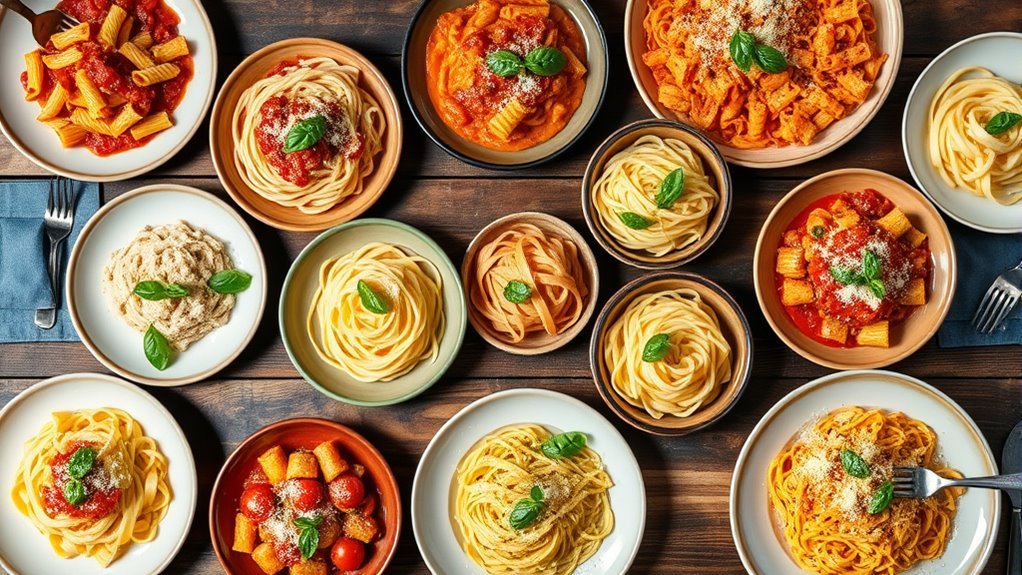
Italian pasta is not one single tradition. Each region pairs local pasta shapes with ingredients that suit the landscape, from eggplant and ricotta salata in Sicily to guanciale and Pecorino Romano in Lazio. These 10 must-try Italian pasta dishes offer a practical tour of the country’s best-known regional flavors, cooking styles, and food traditions.
Quick Answer
The 10 Italian pasta dishes worth trying are Pasta alla Norma, Bucatini all’Amatriciana, Tagliatelle al Ragù alla Bolognese, Spaghetti alla Carbonara, Cacio e Pepe, Ragù Napoletano, Orecchiette con Cime di Rapa, Trofie al Pesto Genovese, Pasta alla Puttanesca, and Ricotta-and-Spinach Ravioli.
Key Takeaways
- Italian pasta dishes are regional, so the traditional sauce, cheese, meat, and pasta shape change from place to place.
- Carbonara, amatriciana, and Bolognese ragù rely on specific ingredients; substitutions can taste good but change the traditional character.
- Pasta alla Norma, cacio e pepe, pesto pasta, and ricotta-and-spinach ravioli can be meat-free, but diners should still check for animal rennet, anchovies, and other hidden ingredients.
- The best dish for you depends on whether you prefer creamy, tomato-rich, herbaceous, bitter, spicy, or slow-cooked flavors.
Disclosure: As an Amazon Associate I earn from qualifying purchases. Some links on this page are affiliate links, at no extra cost to you.
10 Italian Pasta Dishes at a Glance
| Dish | Region | Defining Flavors | Best For |
|---|---|---|---|
| Pasta alla Norma | Sicily | Eggplant, tomato, basil, ricotta salata | Vegetable-forward comfort food |
| Bucatini all’Amatriciana | Lazio | Guanciale, tomato, chile, pecorino | Salty, spicy tomato sauce |
| Tagliatelle al Ragù | Emilia-Romagna | Beef, pancetta, soffritto, wine, modest tomato | Deep, slow-cooked flavor |
| Spaghetti alla Carbonara | Lazio | Egg, guanciale, Pecorino Romano, black pepper | Rich sauce without cream |
| Cacio e Pepe | Lazio | Pecorino Romano, black pepper, pasta water | Minimal ingredients and bold cheese |
| Ragù Napoletano | Campania | Large cuts of meat, tomato, long simmering | Sunday-style family meals |
| Orecchiette con Cime di Rapa | Puglia | Broccoli rabe, garlic, chile, olive oil, often anchovy | Bitter, savory vegetable flavors |
| Trofie al Pesto Genovese | Liguria | Basil, pine nuts, garlic, hard cheeses, olive oil | Fresh, herbal flavor |
| Pasta alla Puttanesca | Campania or Lazio | Tomato, olives, capers, garlic, sometimes anchovy | Fast, briny pantry cooking |
| Ricotta-and-Spinach Ravioli | Multiple regions | Fresh egg pasta, ricotta, spinach, butter, sage | Delicate filled pasta |
The Rich History Behind Italian Pasta Dishes
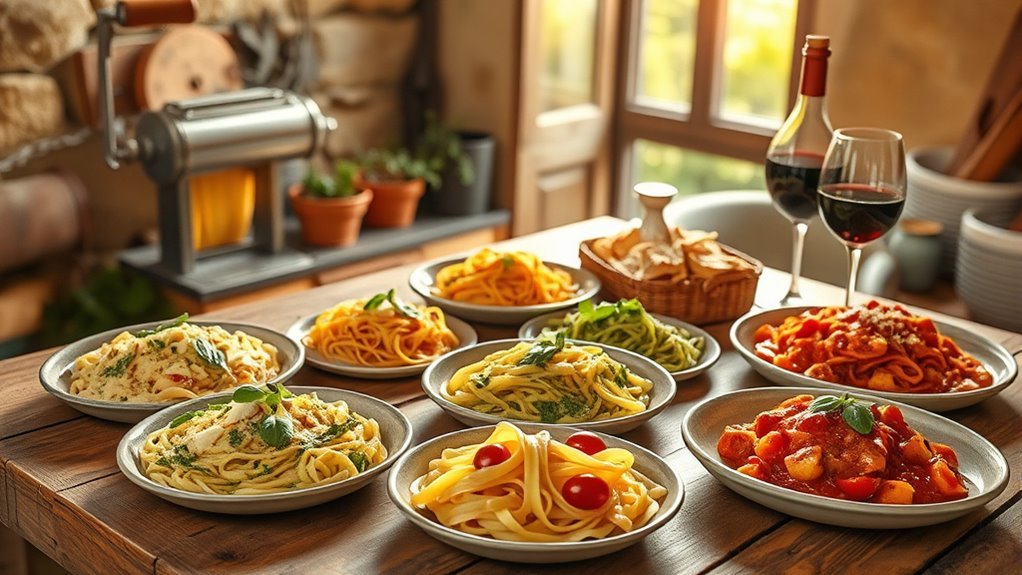
Pasta’s history is older and more complicated than the familiar Marco Polo legend. One important surviving record comes from 1154, when the geographer al-Idrisi described the production of a dried, thread-like pasta in Sicily that was exported to other areas. That evidence shows an established pasta trade in medieval Sicily rather than a sudden invention by one traveler or one culture. You can read a concise historical overview from the University of Massachusetts Amherst.
Over time, Italian regions developed pasta around local wheat, eggs, climate, cheeses, vegetables, and preservation methods. Pasta secca usually refers to dried pasta made with durum-wheat semolina and water. Pasta all’uovo is egg pasta, often rolled fresh and associated with dishes such as tagliatelle and ravioli. Gragnano, near Naples, later became one of Italy’s best-known centers for dried pasta production.
The defining feature of Italian pasta is not one universal recipe, but the close match between regional pasta shapes, sauces, and local ingredients.
1. What Makes Pasta alla Norma a Must-Try?
Pasta alla Norma comes from Catania, Sicily, and brings together fried eggplant, tomato sauce, basil, and grated ricotta salata. Unlike soft fresh ricotta, ricotta salata is firm, aged, and salty. The dish is traditionally associated with the opera Norma by Catania-born composer Vincenzo Bellini, although the exact naming story is part of culinary tradition rather than a fully documented origin.
Flavorful Eggplant Delight
The appeal comes from contrast. Fried eggplant turns tender and rich, the tomato adds acidity, basil brings freshness, and ricotta salata adds a dry, salty finish. Short pasta such as rigatoni, macaroni, or penne works well because the sauce and pieces of eggplant collect inside and around the pasta.
Tradition Meets Innovation
The classic approach uses fried eggplant, but modern cooks sometimes roast or air-fry it to reduce the amount of oil. That variation can still be delicious, but it changes the silky richness of the traditional dish.
- Regional identity: It is one of Sicily’s best-known pasta dishes.
- Balanced flavor: Tomato and basil keep the fried eggplant from tasting heavy.
- Correct cheese: Ricotta salata gives the proper firm, salty finish.
- Vegetarian potential: It is usually meat-free, though strict vegetarians may wish to ask how the cheese was made.
2. Discover the Flavors of Bucatini all’Amatriciana
Bucatini all’Amatriciana takes its name from Amatrice in Lazio and later became a staple of Roman trattorias. The sauce combines guanciale, tomatoes, chile or black pepper, and grated pecorino. Bucatini is a natural partner because its hollow center and firm texture hold up to the rich pork-and-tomato sauce.
The tomato-based dish developed from the older tomato-free gricia tradition, but the exact timeline is debated. Pancetta can replace guanciale when necessary, and Parmesan can replace pecorino in a practical home version, but both substitutions soften the distinctive flavor. Traditional amatriciana should taste savory, tangy, and lightly spicy—not creamy.
Note: Guanciale comes from pork cheek or jowl, while pancetta comes from pork belly. They are not identical in flavor or texture.
3. The Rich Tradition of Tagliatelle al Ragù alla Bolognese
Tagliatelle al ragù is a Bologna classic built around fresh egg pasta and a slow-cooked meat sauce. The 2023 recipe deposited with the Bologna Chamber of Commerce uses beef, fresh pancetta, onion, carrot, celery, wine, a restrained amount of tomato, broth, and optional milk.
Authentic Bolognese ragù is a meat sauce with some tomato, not a quick tomato sauce with a little meat.
- Slow cooking: The sauce usually simmers for about two to three hours.
- Fresh egg pasta: Broad, porous tagliatelle catches the thick sauce better than smooth spaghetti.
- Layered base: Pancetta and a finely chopped soffritto create depth before the beef is added.
- Simple finish: Parmigiano-Reggiano may be grated over the finished dish.
The dish is often served at family meals and celebrations, but its strength comes from technique rather than ornament. A properly cooked ragù should be thick, glossy, and concentrated.
4. Why You’ll Love Spaghetti alla Carbonara
Spaghetti alla Carbonara is a modern Roman classic made with pasta, guanciale, eggs, Pecorino Romano, and black pepper. Its exact origin is debated, but the dish became established in the 20th century. The sauce is creamy because egg, cheese, rendered pork fat, and starchy pasta water form an emulsion—traditional carbonara does not require cream.
Creamy, Rich Flavor
- Al dente pasta: A firm bite gives structure to the soft sauce.
- Guanciale: Rendered pork cheek adds crisp pieces and savory fat.
- Pecorino Romano: The sheep’s-milk cheese brings salt and sharpness.
- Eggs and black pepper: Eggs create the sauce, while pepper cuts through the richness.
The hardest part is temperature control. The pasta must be hot enough to thicken the egg mixture but not so hot that the eggs scramble.
Quick, Easy Preparation
Carbonara can be ready in about 20 to 30 minutes once the ingredients are prepared.
| Step | What to Do |
|---|---|
| Cook the pasta | Boil until al dente and reserve some starchy cooking water. |
| Render the guanciale | Cook gently until the fat renders and the edges turn crisp. |
| Mix eggs and cheese | Whisk the eggs with finely grated Pecorino Romano and black pepper. |
| Combine off direct heat | Toss the hot pasta with guanciale, then add the egg mixture away from direct heat. |
| Adjust and serve | Add pasta water a little at a time until glossy, then serve immediately. |
Warning: Carbonara may contain eggs that are not fully cooked. The U.S. Food and Drug Administration recommends pasteurized eggs for dishes served raw or undercooked, especially for people at higher risk of foodborne illness.
Authentic Roman Tradition
Traditional carbonara is defined as much by what it leaves out as by what it includes. Cream, peas, garlic, and smoked bacon are common variations outside Italy, but they produce a different dish. For the closest Roman-style result, use guanciale, Pecorino Romano, eggs, black pepper, and starchy pasta water.
5. Why Cacio e Pepe Is a Roman Essential
Cacio e pepe means “cheese and pepper,” and the name describes its short ingredient list: pasta, Pecorino Romano, black pepper, and pasta water. Tonnarelli is a classic choice, although spaghetti also works. The dish is meat-free and intensely savory, with a peppery aroma and a smooth cheese coating.
Its simplicity is deceptive. If the cheese gets too hot, it can clump or turn stringy. The key is to combine finely grated cheese with starchy water away from aggressive heat, then toss until the sauce becomes glossy.
Pro Tip: Let the pan cool briefly before adding the cheese mixture. Gentle heat helps Pecorino emulsify instead of separating.
6. Exploring the Heartiness of Ragù Napoletano
Ragù Napoletano is a slow-cooked tomato-and-meat sauce closely tied to Sunday lunch in Naples. Unlike Bolognese ragù, it commonly uses large pieces of beef or pork rather than only ground meat. Sausage or other cuts may also appear in family versions.
The sauce cooks gently for several hours until it becomes dark, thick, and deeply flavored. Pasta such as ziti, rigatoni, or paccheri is dressed with the sauce, while the braised meat may be served afterward as a separate course. This two-part service is one reason the dish feels especially suited to long family meals.
7. What Makes Orecchiette con Cime di Rapa Unique?
Orecchiette con Cime di Rapa is one of Puglia’s defining dishes. The small, ear-shaped pasta catches bits of greens, garlic, chile, and olive oil. Cime di rapa is often translated as broccoli rabe and brings a pleasant bitterness that makes the dish taste bright rather than heavy.
Key Ingredients Highlighted
- Orecchiette: Durum-wheat pasta shaped like small ears.
- Cime di rapa: Bitter leafy greens with tender stems and florets.
- Garlic and chile: Aromatics that sharpen the greens.
- Anchovies: Many traditional versions use them for savory depth, including the recipe published by Italia.it.
- Extra-virgin olive oil: The fat that carries and unites the flavors.
Note: This dish is not automatically vegetarian. Ask whether anchovies are included, or request a version made without them.
Cooking Technique Explained
Homemade orecchiette is formed from durum-wheat semolina and water. The greens are often blanched in the pasta water, which seasons the pasta and simplifies cooking. Garlic, chile, and anchovy are warmed in olive oil, then tossed with the pasta and greens. The result should be lightly coated rather than swimming in sauce.
8. Why Pesto alla Genovese Is the Essence of Freshness
Pesto alla Genovese comes from Liguria and is traditionally made with basil, garlic, pine nuts, Parmigiano-Reggiano, pecorino, extra-virgin olive oil, and salt. Because the sauce is not cooked, the quality and freshness of each ingredient are easy to taste.
- Fresh basil: Provides the sauce’s floral, peppery character.
- Two cheeses: Parmigiano-Reggiano and pecorino add depth and salt.
- Traditional pasta: Trofie and trenette are classic pairings.
- Regional additions: Potatoes and green beans are often cooked with the pasta.
- Mortar method: A mortar and pestle creates a soft texture without overheating the basil.
A blender is convenient, but use short pulses and avoid warming the sauce. Excess heat can darken the basil and dull its aroma.
9. Why Vermicelli alla Puttanesca Packs a Bold Flavor
Pasta alla Puttanesca is a quick southern Italian sauce built from tomatoes, olives, capers, garlic, olive oil, and chile. Its exact origin is disputed, and recipes differ between Campania and Lazio. A Campanian version may omit anchovies, while Roman-style versions often include them.
Vermicelli can carry the sauce, though spaghetti is also common. The dish works because briny olives and capers cut through the tomato’s sweetness. It is an excellent pantry meal, but diners who avoid fish should confirm whether anchovies are used.
10. Ravioli di Ricotta e Spinaci With Butter and Sage
Ravioli di Ricotta e Spinaci combines fresh egg pasta with a soft filling of ricotta, spinach, grated hard cheese, and often a little nutmeg. Browned butter and sage add richness without covering the delicate filling. Variations appear across several northern and central Italian regions.
- Roll the dough thin: Thick pasta can overpower the filling.
- Seal carefully: Press out trapped air so the ravioli are less likely to burst.
- Cook gently: Floating is a useful clue, but taste one because cooking time varies by thickness and size.
- Finish simply: Butter, sage, and Parmigiano-Reggiano are usually enough.
A crisp Italian white wine can complement the filling, but the best pairing is one that does not overwhelm the sage and ricotta.
Allergen Note: These dishes may contain wheat, eggs, milk, tree nuts, fish, or pork. Restaurant recipes vary, so ask about allergens and dietary restrictions before ordering.
Frequently Asked Questions
What types of pasta are commonly used in Italian dishes?
Italian cooking uses long pasta such as spaghetti and bucatini, tubes such as rigatoni and ziti, shaped pasta such as orecchiette and trofie, fresh egg ribbons such as tagliatelle, and filled pasta such as ravioli. The shape is usually chosen to suit the weight and texture of the sauce.
How do I cook pasta perfectly al dente?
Cook pasta in boiling salted water and begin tasting it shortly before the package time ends. Al dente pasta should be cooked through but still firm at the center. Reserve some cooking water before draining because its starch can help sauces cling and emulsify.
Can I substitute ingredients in traditional pasta recipes?
Yes. Pancetta can stand in for guanciale, Parmesan can replace pecorino, and roasted eggplant can replace fried eggplant. The dish may still taste excellent, but it is more accurate to describe it as a variation because substitutions change flavor, fat, salt, and texture.
What wines pair well with Italian pasta dishes?
Pair wine with the sauce rather than the pasta shape. Sangiovese-based wines suit tomato and meat sauces, while crisp Ligurian or other Italian whites work well with pesto, greens, and ricotta fillings. Carbonara and cacio e pepe generally benefit from a wine with enough acidity to refresh the palate.
Which popular Italian pasta dishes are vegetarian?
Pasta alla Norma, cacio e pepe, pesto pasta, and ricotta-and-spinach ravioli can be meat-free. However, some cheeses use animal rennet, orecchiette with cime di rapa often contains anchovies, and puttanesca may contain anchovies depending on the regional version.
Which dishes contain pork or fish?
Carbonara and amatriciana contain guanciale, Bolognese ragù contains beef and pancetta, and Neapolitan ragù contains meat. Orecchiette with cime di rapa and puttanesca may contain anchovies. Ask the restaurant because household and regional recipes vary.
Conclusion
These 10 must-try Italian pasta dishes show how strongly Italian cooking is tied to place. Sicily offers eggplant and tomato in Pasta alla Norma, Lazio brings the sharp flavors of guanciale and pecorino, Bologna pairs egg tagliatelle with slow-cooked ragù, and Liguria turns fresh basil into pesto. Start with the flavor profile you enjoy most, then notice how the pasta shape supports the sauce.
Sources
- University of Massachusetts Amherst: A History of Sicilian Cuisine — medieval Sicilian pasta evidence.
- Accademia Italiana della Cucina: Updated Ragù alla Bolognese Recipe — traditional ingredients and method deposited in 2023.
- Italia.it: Typical Food and Dishes in Lazio — regional context for carbonara, cacio e pepe, and amatriciana.
- Italia.it: Orecchiette con Cime di Rapa — traditional ingredients, including anchovies.
- Visit Naples: Neapolitan Ragù — slow cooking, meat cuts, and Sunday meal tradition.
- U.S. Food and Drug Administration: Egg Safety — guidance for recipes containing raw or undercooked eggs.
