
Last Updated on September 27, 2026 by Daniel Globe
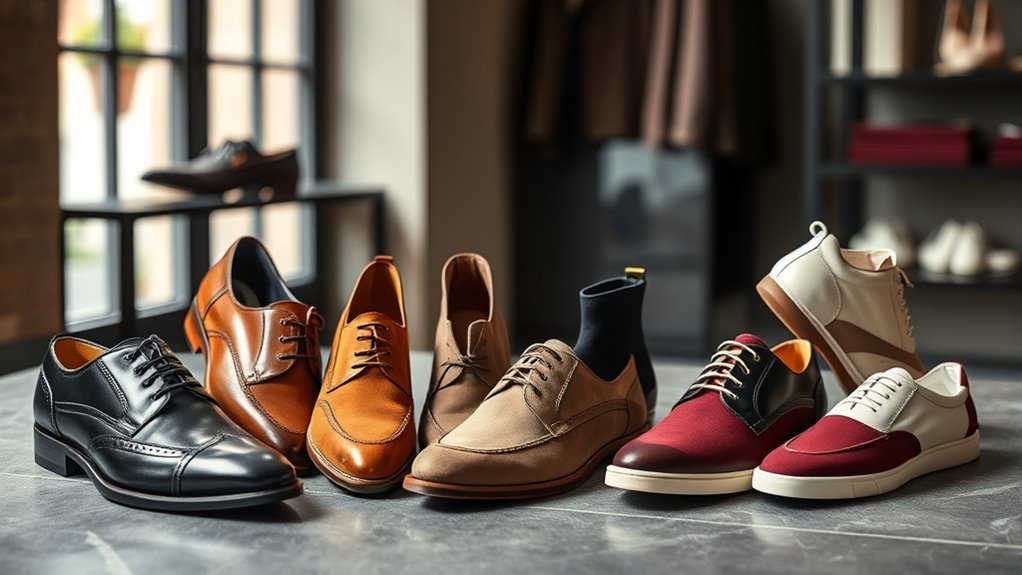
The best Italian shoe brands combine skilled craftsmanship, quality leather, and distinctive design. Santoni, Tod’s, Bruno Magli, Velasca, Ace Marks, Pini Parma, and Calzoleria Toscana offer different approaches to luxury footwear. Whether you need formal Oxfords, comfortable loafers, or versatile everyday shoes, understanding their materials, construction, and fit will help you choose a pair worth owning.
Quick Answer
Santoni is known for hand-finished luxury dress shoes, Tod’s for its flexible Gommino driving loafers, and Velasca for accessible Italian craftsmanship. Bruno Magli offers classic elegance, while Ace Marks, Pini Parma, and Calzoleria Toscana provide further options for refined leather footwear. Choose according to fit, intended use, construction, and budget rather than brand reputation alone.
Key Takeaways
- Full-grain leather, quality stitching, and repairable construction can help extend a shoe’s useful life.
- Goodyear-welted and Blake-stitched shoes offer different balances of structure, flexibility, and repairability.
- Driving loafers are useful for relaxed wear, but their thin soles may not suit extensive walking.
- Shoe shape and sizing vary between brands, so fit matters more than the number printed inside.
- Regular cleaning, suitable conditioning, and proper storage help protect leather footwear.
Disclosure: As an Amazon Associate I earn from qualifying purchases. Some links on this page are affiliate links, at no extra cost to you.
What Makes Italian Shoes Worth Buying
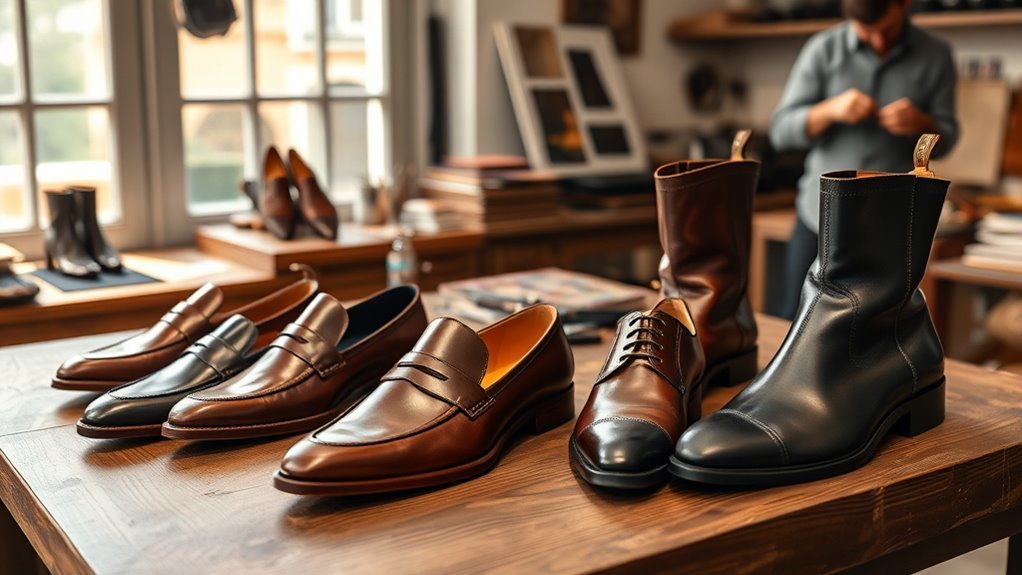
Italian shoes are worth considering for their combination of traditional shoemaking, premium materials, and refined design. Many established makers combine skilled handwork with modern production techniques to create footwear that looks polished and can withstand regular use.
The quality often becomes clear in the details. Look at the leather, stitching, lining, heel, and sole rather than judging a shoe by its appearance alone.
Full-grain leather retains the natural grain of the hide. With suitable care, it can develop an attractive patina as it ages. Fine calfskin offers a smooth dress-shoe finish, while suede gives loafers and casual footwear a softer appearance.
Construction also matters. Goodyear welting and Blake stitching are established methods that can make suitable leather shoes repairable. However, neither method automatically guarantees comfort or quality.
A well-made Italian shoe should combine materials, construction, and a shape that suits your foot. You can wear classic leather designs with formal tailoring, while loafers, boots, and contemporary sneakers offer more relaxed options.
Remember that an Italian brand name does not automatically mean every product is manufactured in Italy. Check the country-of-origin information for the specific pair.
How to Pick Italian Shoes for Your Needs
Choose Italian shoes by matching the style, construction, and fit to how you plan to wear them. Start with the occasion, then examine the materials and sole before deciding whether the price represents good value for your needs.
Choose the Right Style
Different shoe styles work better for different settings.
- Oxfords: Their closed-lacing design gives them a clean, formal appearance suitable for business suits and dressier occasions.
- Derbys: Open lacing offers more adjustment across the instep and works with formal or smart-casual clothing.
- Loafers: Slip-on designs suit business-casual outfits, travel, and relaxed tailoring.
- Driving shoes: Flexible soles and lightweight construction make them suitable for casual use.
- Boots: Chelsea and lace-up designs provide additional coverage and work well in cooler weather.
- Leather sneakers: A practical choice when you want a more relaxed look without giving up refined materials.
Check Leather and Construction
Full-grain leather and calfskin are useful starting points for dress shoes. Examine the finish for unwanted cracking, uneven seams, or obvious defects.
Also check how the sole is attached.
- Goodyear welt: A separate strip called a welt connects the upper and sole. This construction often provides structure and makes resoling practical.
- Blake stitching: Stitching passes through the insole, upper, and outsole. It allows a slim, flexible profile and can be resoled by a suitably equipped cobbler.
- Cemented construction: Adhesive joins the sole to the upper. It is common in casual footwear, but repair options depend on the shoe’s design.
Leather soles suit traditional dress shoes, while rubber soles often offer better traction on wet pavement. A leather sole with a protective rubber layer can provide a useful compromise.
Set a Realistic Budget
Italian footwear spans several price levels. The original planning range of AED 1,000 to more than AED 5,000 illustrates how widely prices can vary, although it should not be treated as a fixed market price.
Compare the actual pair rather than assuming the most expensive option is automatically better. Construction, fit, materials, and the possibility of future repairs may matter more than decorative details.
Make Sure the Shoes Fit
Some Italian dress shoes use tapered shapes, but fit varies between brands and individual models. A narrow-looking shoe is not necessarily suitable for a narrow foot.
Try shoes with the socks you intend to wear. Your toes should have room to move, your heel should remain reasonably secure, and the upper should not create painful pressure.
Measure both feet and use the larger foot when selecting a size. If you order online, consult the brand’s size chart and return policy.
Leather may soften with wear, but you should not expect a painful or excessively tight shoe to become comfortable simply by breaking it in.
Think About the Season
Lightweight loafers, suede, and breathable designs work well in warm weather. For cooler months, consider boots, darker leather, and soles with suitable traction.
If you regularly walk in rain, prioritize a practical outsole and weather-appropriate materials over a delicate leather driving sole.
Santoni: Pure Prestige and Craftsmanship
Santoni is known for refined leather footwear, detailed finishing, and rich color treatments. Its collection includes Oxfords, loafers, double-monk shoes, boots, and contemporary sneakers.
The company’s official history traces its founding to Andrea Santoni in 1975 in Corridonia, within Italy’s Marche footwear district.
Products Worth Considering

PREMIUM UNLINED LEATHER COMFORT<br> Crafted from high-quality single-layer suede leather without heavy lining, creating an ultra-soft flexible feel that naturally adapts to your feet over time for personalized comfort.
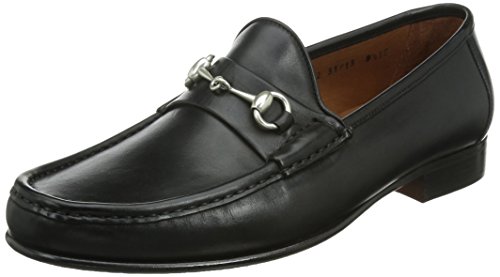

Cushioned Insole
Hand-Finished Patina
Santoni’s hand-finished patina is one of its most recognizable features. Layered color treatments create depth and subtle variations across the leather.
Rather than relying on a flat, uniform finish, these techniques can give brown, burgundy, and other leather colors a richer appearance.
The company’s Velatura finishing process is used on selected products. For example, its dark brown Oxford combines a hand-applied finish, full-grain calfskin, and Goodyear-welt construction.
These details make Santoni particularly appealing if you appreciate traditional dress shoes with a more expressive finish.
Selected styles also use suede or exotic leathers. Materials and construction differ by model, so check the individual product description.
Artisanal Italian Heritage
Santoni combines Italian shoemaking traditions with modern manufacturing techniques. Its approach emphasizes material selection, skilled finishing, and careful attention to shape.
| What You Notice | Why It Matters |
|---|---|
| Rich leather finishes | Add color depth and visual character |
| Detailed handwork | Creates distinctive finishing and precise details |
| Versatile silhouettes | Offer options for formal and relaxed outfits |
Its range extends beyond traditional lace-ups. You can find sneakers, loafers, and boots that bring the same design approach into everyday footwear.
Refined Formal Versatility
Santoni is particularly suitable when you want polished footwear for business dress or formal occasions. Its Oxford and double-monk designs offer a structured appearance, while loafers provide a more relaxed alternative.
Choose a classic dark leather finish for conservative tailoring or a hand-colored brown style when you want more visual character.
If long-term repairability matters, look specifically for a model with replaceable soles rather than assuming every Santoni shoe uses the same construction.
Tod’s: Relaxed Luxury for Daily Wear
Tod’s is closely associated with the Gommino, a soft driving loafer recognized by its rubber-pebble sole. It combines relaxed styling with fine leather and suede.
The brand’s footwear is especially appealing if you prefer slip-on shoes that work with chinos, denim, and less formal tailoring.
Products Worth Considering

Slip-on design allows for quick and easy on and off

Durable Faux Leather Upper: The faux leather upper with detailed stitching ensures durability and a refined look for long-lasting wear, making these loafers a versatile addition to your casual or dress wardrobe.
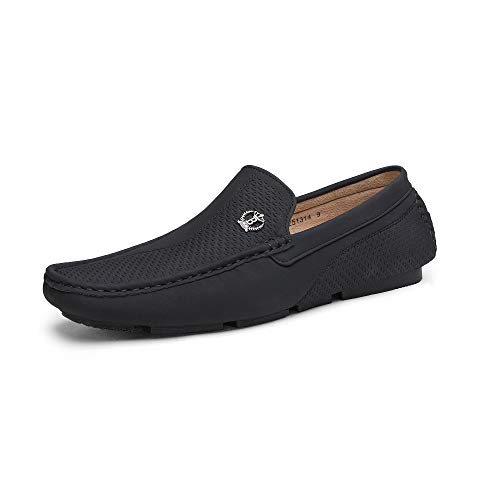
Durable Faux Leather Upper: The faux leather upper with detailed stitching ensures durability and a refined look for long-lasting wear, making these loafers a versatile addition to your casual or dress wardrobe.
Signature Gommino Comfort
The Gommino uses small rubber studs beneath the sole to provide flexibility and grip. Its driving-shoe origins explain the low-profile construction and distinctive sole pattern.
Tod’s own Gommino design project discusses the design’s driving heritage and its evolution into contemporary leisure footwear.
The flexible construction suits relaxed wear, but traditional driving shoes have limitations. Their thin soles may offer less protection and cushioning than footwear designed for extensive walking.
The rubber pebbles can also wear down with repeated contact against rough pavement. If you expect to walk long distances, consider a Tod’s style with a more substantial outsole.
Effortless Everyday Style
Tod’s loafers are easy to combine with casual and smart-casual clothing. Their simple shape keeps an outfit polished without making it look overly formal.
| Benefit | Why It Matters | Best For |
|---|---|---|
| Flexibility | Allows natural movement | Relaxed daily wear |
| Refined design | Pairs easily with smart-casual clothing | Lunches and social plans |
| Versatility | Works with denim, chinos, and relaxed tailoring | Day-to-evening outfits |
Fine leather gives the style a polished finish, while suede creates a softer and more relaxed appearance.
Choose the sole carefully if comfort during long walks is a priority. A flexible driving shoe and a supportive walking shoe are designed for different purposes.
Bruno Magli: Classic Italian Elegance
Bruno Magli offers traditional dress shoes and loafers with refined silhouettes and premium leather. Its designs suit readers who prefer understated footwear rather than decorative or experimental styles.
The brand dates to 1936, when Bruno Magli and his siblings began making shoes in Bologna.
Its current collection includes Oxfords, Derbys, loafers, and boots. These styles work with business clothing, formal outfits, and smart-casual wardrobes.
The brand emphasizes leather uppers, flexible construction, and cushioned footbeds. Its official FAQ also states that most styles are crafted in Italy, rather than claiming that every product has the same manufacturing origin.
For a versatile first pair, consider a brown leather Derby or loafer. Black Oxfords are a more traditional choice for formal clothing.
Check the specific shoe’s materials and country-of-origin label before purchasing, particularly if Italian manufacturing is one of your main requirements.
Products Worth Considering

Faux leather upper with detailed stitching throughout durable outsole and latex cushioned man-made footbed.

Crafted in Italy for Johnston & Murphy Collection.

CLASSIC SLIP-ON DRESS SHOE — A clean twin-gore loafer with a run-off square toe that goes from the office to church to a wedding, and slips on and off in seconds
Velasca: Smart Value and Everyday Style
Velasca focuses on Italian craftsmanship and classic footwear designed for regular use. Its collection includes loafers, lace-up dress shoes, boots, and casual styles.
The company began in Milan and works with Italian artisan businesses. Its footwear roots are in Montegranaro, within the Marche shoemaking district.
According to Velasca’s company history, the brand works with established regional manufacturers and aims to make artisan-produced footwear available at a fair price.
This approach makes Velasca worth considering if you want traditional Italian style without concentrating exclusively on the highest luxury price brackets.
Its loafers work with tailored trousers or chinos, while leather boots offer a more practical option for cooler weather.
For everyday versatility, consider a brown leather pair that complements several outfits. Choose the construction and outsole according to how often you walk and where you intend to wear the shoes.
Velasca’s main appeal is its combination of traditional appearance, practical styling, and an emphasis on Italian manufacturing.
Ace Marks: Affordable Hand-Finished Shoes
Ace Marks specializes in Italian-made men’s footwear with hand-finished leather and contemporary silhouettes. Its range includes formal dress shoes, loafers, boots, and casual designs.
The brand emphasizes full-grain calfskin, traditional shoemaking, and a direct-to-consumer approach intended to reduce retail markups.
Hand-Finished Value
Ace Marks uses selected full-grain calfskin and hand-applied finishing techniques to create rich leather colors.
Its official factory information describes fourth-generation Italian shoemakers, calfskin linings, and Blake Flex construction.
Blake Flex allows a slim sole and relatively lightweight construction. The brand also states that its stitched leather outsoles can be replaced by an appropriately equipped repair specialist.
These details make Ace Marks appealing if you want a traditional dress-shoe appearance with a flexible build.
Its hand-dyed and hand-burnished finishes can create slight variations between pairs. That character is part of the design rather than a reason to expect perfectly identical coloring.
Smart Everyday Style
Ace Marks offers designs suitable for both office clothing and less formal outfits. Its loafers and dress shoes are particularly useful when you need footwear that works across several occasions.
| Feature | Why It Works |
|---|---|
| Full-grain calfskin | Provides a refined finish and durable upper material |
| Hand-finished leather | Creates color depth and distinctive details |
| AED 1,500–5,000 | Original budget estimate; actual prices depend on style, currency, and retailer |
| Dressy-to-casual styling | Works with suits, chinos, and smart denim |
Its shoes are designed around the brand’s own last, the form used to shape footwear during manufacturing.
Because different lasts create different fits, use the individual style’s sizing information rather than assuming every dress shoe will fit identically.
Pini Parma: Refined Shoes for Modern Dress
Pini Parma offers Italian-made footwear designed to complement classic menswear. Its collection combines formal leather shoes with relaxed options suitable for everyday dressing.
The brand’s official footwear collection includes Oxfords, loafers, sneakers, and casual shoes made in Italy.
The designs emphasize clean lines, premium materials, and understated styling. They are particularly suitable if you want footwear that coordinates with tailored clothing without appearing overly formal.
Consider these options:
- Classic Oxfords: Pair them with business suits and formal tailoring.
- Leather loafers: Wear them with tailored trousers or chinos for a polished weekday look.
- Suede loafers: Choose them for warmer weather and relaxed smart-casual outfits.
- Contemporary sneakers: Use them with casual trousers and more relaxed clothing.
Pini Parma’s appeal lies in its coordinated approach to menswear. Its footwear is designed to sit comfortably alongside traditional tailoring and contemporary casual clothing.
When comparing styles, pay attention to the sole, leather finish, and fit rather than assuming that every shoe in the collection serves the same purpose.
Calzoleria Toscana: Handmade Tuscan Luxury
Calzoleria Toscana produces Italian leather footwear with a strong focus on traditional Tuscan craftsmanship. Its designs combine classic shapes with distinctive leather finishes.
The company’s history began in 1958, when Luciano Bettaccini started producing shoes through a family artisan business.
According to its official company history, the business became formally organized in 1977 and continued developing through later generations of the family.
The brand combines traditional methods with modern production equipment. Its collection includes classic lace-ups, loafers, and contemporary footwear.
One distinctive technique is its leather dyeing and finishing process, which creates a soft, aged appearance on selected styles.
This makes Calzoleria Toscana an interesting choice if you prefer footwear with visible character rather than a completely uniform factory finish.
Its smooth leather options work well with tailored clothing, while suede and more relaxed designs suit casual outfits.
Check the individual construction and care instructions before purchasing. Special finishes may require more careful maintenance than ordinary polished calfskin.
How to Care for Italian Leather Shoes
Italian leather shoes can retain their shape and appearance for longer with regular maintenance. Cleaning, conditioning, proper drying, and suitable storage help protect the materials.
Start by brushing away loose dirt after wearing your shoes. Insert cedar shoe trees once the shoes have had an opportunity to air out, helping maintain their shape and manage residual moisture.
Treat Italian leather shoes as long-term wardrobe pieces: clean them regularly, maintain their shape, and use products suited to their finish.
- Remove surface dirt. Use a soft brush or clean cloth before applying leather-care products.
- Maintain the shape. Insert suitable shoe trees to reduce unwanted creasing and support the upper.
- Condition smooth leather. Apply a suitable leather cream when the material begins to look dry, following the product instructions. Monthly conditioning may suit regularly worn shoes, but avoid unnecessary applications.
- Protect the finish. Use the correct cleaner or polish for the leather type and test unfamiliar products on an inconspicuous area.
- Store carefully. Keep shoes in breathable fabric bags or a ventilated storage space, away from excessive heat and humidity.
For scuffs, use a suitable leather cleaner and soft cloth. Avoid soaking the shoes or exposing them to direct heat during drying.
Do not use ordinary smooth-leather cream on suede or patent leather. Santoni’s leather-care instructions specifically exclude those materials from its neutral cream.
Suede requires an appropriate brush and specialist cleaning products. Patent leather needs care suited to its coated finish.
Inspect the soles and heels periodically. If a repairable shoe shows significant wear, having the sole or heel repaired before the damage reaches the upper can help extend its useful life.
Frequently Asked Questions
What Is the Best Italian Shoe Brand?
The best Italian shoe brand depends on your budget, style, and intended use. Santoni specializes in refined luxury footwear, Tod’s is known for driving loafers, and Velasca emphasizes accessible Italian craftsmanship. Compare the specific shoe’s fit, materials, construction, and sole before deciding.
What Shoes Are Popular for Men in Italy?
Loafers, Oxfords, Derbys, leather boots, driving shoes, and sneakers are familiar options in Italian menswear. The choice depends on the occasion and personal style. Leather loafers work well with relaxed tailoring, while Oxfords are more appropriate for traditional formal outfits.
Which Shoe Brand Is From Italy?
Santoni, Tod’s, Bruno Magli, Velasca, Pini Parma, and Calzoleria Toscana are Italian footwear brands. Ace Marks also produces its shoes in Italy. A brand’s nationality and the manufacturing origin of an individual shoe are separate details, so check the specific product label.
What Are the Best Shoes for Italy?
Comfortable walking shoes are the most practical choice for sightseeing in Italy. Supportive sneakers or walking-friendly loafers with reliable traction suit long days on pavement and uneven streets. Pack dress shoes separately if you need them for formal dinners or special occasions.
Are All Italian Shoe Brands Made in Italy?
No, an Italian brand name does not guarantee that every shoe is manufactured in Italy. Production locations can differ between brands, collections, and individual products. Look for the country-of-origin label and the manufacturer’s product information when Italian manufacturing is a priority.
Conclusion
Italian shoes offer a wide choice of traditional craftsmanship, refined design, and practical everyday styles. Santoni provides detailed luxury finishing, Tod’s offers relaxed driving loafers, and brands such as Velasca, Ace Marks, Pini Parma, and Calzoleria Toscana give you further options across different needs and budgets.
Start with the style you will wear most, then compare the leather, construction, fit, and sole. Choose a pair that feels comfortable from the beginning, and maintain it properly to get the most from your purchase.
Sources
- Santoni — Company Heritage: Founding history and Italian shoemaking heritage.
- Santoni — Leather Oxford: Leather finishing, materials, and Goodyear-welt construction.
- Tod’s Academy — Gommino Design: Driving-shoe heritage and contemporary design.
- Bruno Magli — Official FAQ: Manufacturing origin, materials, fit, and care.
- Velasca — About Us: Manufacturing philosophy and Italian artisan partnerships.
- Ace Marks — Our Factory: Leather selection, construction, manufacturing, and finishing.
- Pini Parma — Footwear Collection: Italian-made footwear and available styles.
- Calzoleria Toscana — Company History: Brand heritage, craftsmanship, and leather-finishing methods.
- Santoni — Leather Care: Shoe cream application and material restrictions.
