

Last Updated on September 10, 2026 by Daniel Globe
The Pacific Northwest changes dramatically with the seasons, so the best time to visit depends on what you want to experience. Definitions of the region vary, but for travelers it commonly includes Washington and Oregon, parts of British Columbia, and nearby areas of northern California and Idaho. Summer offers the easiest access to mountain trails, while spring favors flowers and waterfalls, fall brings colorful foliage and harvest events, and winter is built for snow sports.
Quick Answer
For most first-time visitors, July through September is the best time to visit the Pacific Northwest because mountain access is widest and weather is generally driest. Choose April and May for tulips and waterfalls, late September through October for fall color, and winter for skiing, snowboarding, and snowshoeing.
Climate varies sharply across the region. The Pacific coast and areas west of the Cascades have relatively mild, wet winters and drier summers. Mountain areas can hold snow well into summer, while valleys east of the Cascades are generally drier and can become much hotter in summer and colder in winter. That means the season in Seattle or Portland may look very different from the season at a high-elevation trailhead.
Key Takeaways
- Spring is best for tulips, waterfalls, lower-elevation hikes, photography, and lighter crowds, but many alpine trails remain snowy.
- Summer offers the widest access for hiking, camping, kayaking, and wildlife trips, with July and August bringing the heaviest crowds at major parks.
- Fall delivers colorful foliage, harvest events, and cooler hiking weather, although wildfire smoke can affect some areas from late summer into fall.
- Winter turns the Cascades into a major snow-sports destination, but mountain-pass closures, chains, avalanche conditions, and reduced park services require extra planning.
Disclosure: As an Amazon Associate I earn from qualifying purchases. Some links on this page are affiliate links, at no extra cost to you.
Best Time to Visit the Pacific Northwest by Travel Goal
| Travel Goal | Best Time | What to Expect |
| High-elevation hiking | July–September | The widest trail access and generally the least lingering snow, although conditions still vary by elevation and year. |
| Tulips and spring flowers | March–April | Skagit Valley tulips and low-elevation blossoms; exact bloom dates depend on weather. |
| Alpine wildflowers | Mid-July–early August | A typical prime window at places such as Mount Rainier, with timing controlled by snowmelt and weather. |
| Whale watching | Spring through fall | Species and locations vary. Oregon’s northbound gray whale migration is strongest from late March into June. |
| Fall foliage | Late September–October | Mountain shrubs and deciduous trees change first at some elevations, followed by lower valleys and Oregon destinations. |
| Skiing and snowboarding | December–March | Deep Cascade snow, with exact resort seasons determined by snowfall and conditions. |
Spring: The Season of Blooming Beauty
As winter retreats from the lowlands, spring brings cherry blossoms, magnolias, rhododendrons, waterfalls, and fresh greenery across the Pacific Northwest. One of the region’s signature events is the Skagit Valley Tulip Festival in Washington, where fields and display gardens draw visitors during the spring bloom.
Note: April 1–30 is the traditional Skagit Valley festival window, but tulips respond to weather rather than the calendar. Warm years can bring color well before April, while cooler conditions can delay it. Check the festival’s live bloom-status tracker shortly before your trip.
The festival typically includes garden displays, local art, food, and community events alongside the tulip fields. Spring also brings migrating birds and increased wildlife activity as days lengthen.
It is a good season for waterfalls and lower-elevation trails at places such as Olympic and Mount Rainier national parks, but do not assume the alpine hiking season has started. Snow can linger for months at higher elevations, and some park roads, campgrounds, facilities, and trails remain closed or snow-covered well into late spring or early summer.
Summer: The Peak Season for Outdoor Adventures
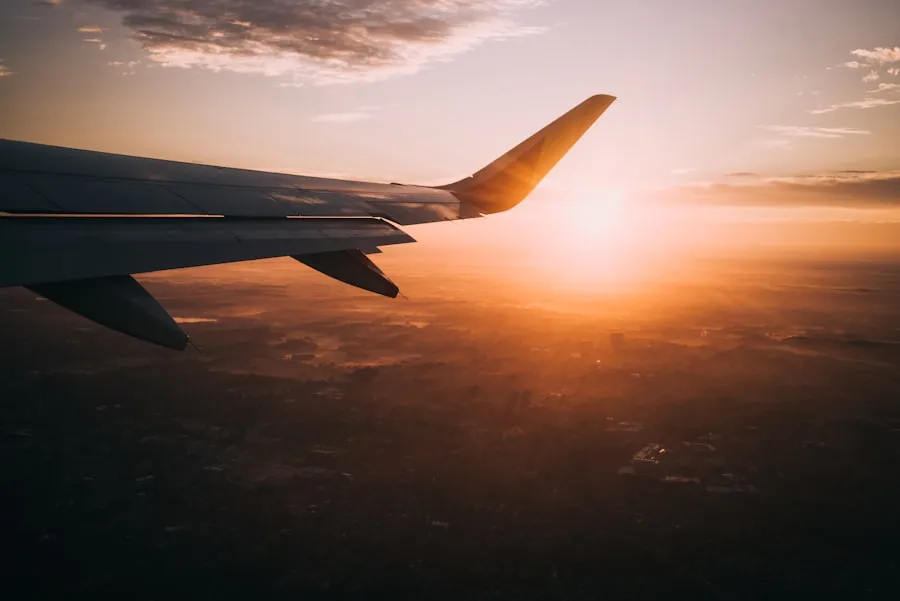
Summer offers the widest range of outdoor options in the Pacific Northwest. Long daylight hours, generally drier weather west of the Cascades, and improved mountain access make this the easiest season for hiking, camping, backpacking, kayaking, and road trips.
Trails range from short walks through old-growth forest to challenging alpine routes, including sections of the Pacific Crest Trail. In mountain areas, however, “summer” can start later than it does in Seattle or Portland. High routes may still hold snow in June, while July through September usually provides more dependable access.
Best Time for Alpine Wildflowers
For wildflowers around Mount Rainier, mid-July through early August is a useful planning target in a typical year. Snowmelt controls the schedule, so the exact peak can shift. Meadows may still be partly snow-covered early in the season, while frost can begin affecting high-elevation flowers toward the end of August.
Water activities also take center stage. The region’s lakes, rivers, and coastline support kayaking, paddleboarding, fishing, sailing, windsurfing, and kiteboarding. The Columbia River Gorge is especially well known for wind-driven water sports.
Camping is another summer staple, but popular campgrounds and trailheads can become heavily booked. Major national parks are also busiest during this period, especially on summer weekends and holidays.
Pro Tip: Make campground, ferry, lodging, and permit plans as early as your destination allows, but check the exact rules instead of assuming every park requires the same reservation. For busy parks, weekday visits and early or late arrivals can also reduce parking and entrance delays.
Fall: A Colorful Spectacle of Foliage
| PNW Location | Typical Color Window | Popular Activities |
| Mount Rainier | Late September–October | Hiking, photography, scenic drives |
| Mount Hood and Columbia River Gorge | Mid- to late October | Waterfalls, scenic drives, hiking |
| North Cascades | Late September–October | Larch viewing, hiking, photography |
As summer fades, vine maples, huckleberries, bigleaf maples, larches, and other deciduous plants add red, orange, yellow, and gold to the region’s evergreen forests. Scenic routes around Mount Hood, the Columbia River Gorge, Mount Rainier, and the North Cascades can be especially rewarding.
There is no fixed foliage peak for the entire Pacific Northwest. Elevation, rainfall, drought, frost, and storms can move the color window forward or backward, so treat dates as planning ranges rather than guarantees.
Warning: Wildfire season can overlap with late-summer and early-fall travel. Smoke may reduce visibility and air quality, while active fires can close trails, campgrounds, or roads. Check current air quality, fire activity, park alerts, and highway conditions before committing to an August or September itinerary.
Fall is also harvest season. Farmers’ markets fill with apples, pumpkins, pears, squash, and other regional produce, while events in places such as Oregon’s Hood River Valley celebrate orchard country with food, artisans, and seasonal activities.
Winter: A Wonderland for Snow Enthusiasts
Winter turns the Cascade Range into a major skiing and snowboarding destination. Areas such as Stevens Pass and Mt. Baker receive heavy snowfall, while lower elevations west of the Cascades often experience rain instead of persistent snow.
Mt. Baker Ski Area recorded 1,140 inches — 95 feet — of snowfall during the 1998–99 season, a record total verified by NOAA and recognized by the ski area as the world seasonal snowfall record.
Beyond downhill skiing and snowboarding, winter brings snowshoeing, Nordic skiing, storm watching, and quieter visits to lower-elevation forests and beaches. Olympic National Park remains open year-round, but some roads, campgrounds, visitor facilities, and high-elevation areas operate on reduced winter schedules.
Note: Winter mountain travel requires more than checking the forecast. Review pass conditions, traction-device or chain requirements, avalanche forecasts, park road status, and seasonal facility closures before leaving. Heavy storms can close mountain roads with little notice.
Best Time for Whale Watching and Wildlife Viewing
Orcas: Popular in Summer, but Never Guaranteed
The San Juan Islands and wider Salish Sea remain famous for killer whales, but summer sightings should not be presented as guaranteed. Southern Resident killer whales historically spent much of the warmer season around the San Juans while following salmon, yet their distribution has shifted in recent years and they now spend more spring and summer time along the outer Washington and Vancouver Island coasts.
Bigg’s, or transient, killer whales also use the region and may be encountered at different times of year. For that reason, think of summer as a popular general whale-watching season rather than a guaranteed Southern Resident orca season.
Marine Life Abundance
Beyond orcas, the Pacific Northwest supports humpback whales, gray whales, porpoises, seals, sea lions, and many seabirds. Along the Oregon coast, gray whale watching is especially productive during migration. The northbound migration begins in late March and continues through June, while some gray whales remain off Oregon during summer and fall to feed.
Terrestrial Treasures
Wildlife viewing extends inland to elk, deer, black bears, marmots, eagles, and other species. Olympic National Park is especially well known for Roosevelt elk and offers wildlife-viewing opportunities from rainforest valleys to alpine areas. Dawn and dusk are often productive times, although any sighting depends on season, habitat, and luck.
Warning: Wildlife-distance rules vary by species and location. In Washington waters, vessels must stay 1,000 yards from endangered Southern Resident killer whales and 200 yards from Bigg’s/transient killer whales in the Salish Sea context. If you cannot identify an orca population, give it the larger buffer. Olympic National Park requires visitors to stay at least 50 yards from park wildlife. Never feed or pursue wild animals.
Festivals and Events Throughout the Year
The Pacific Northwest has a busy calendar of food, art, flower, film, and cultural events. Seattle’s Bite of Seattle is a major summer food festival; the 2026 event runs July 24–26 at Seattle Center. Because dates can change from year to year, verify the current schedule before building flights or hotels around any festival.
Portland hosts First Thursday art events throughout the year, while spring brings Washington’s Daffodil Festival and Portland’s Rose Festival season. The Oregon Shakespeare Festival in Ashland runs across much of the warmer part of the year rather than on a single weekend.
Late summer also brings state and county fairs, agricultural exhibits, concerts, and harvest events. If a festival is a major reason for your trip, book accommodations early because even shoulder-season events can fill smaller towns.
Getting Around and Practical Trip Planning
Distances in the Pacific Northwest can be deceptive. A drive that looks short on a map may involve ferries, winding mountain roads, construction, scenic stops, or long stretches with limited services. A car is usually the most flexible option for national parks, the coast, mountain areas, and rural destinations.
For Washington State Ferries, vehicle reservations are particularly important on the Anacortes–San Juan Islands route and are also available on Port Townsend–Coupeville. A vehicle reservation saves vehicle space on a sailing; it is separate from the ferry ticket. Walk-on passengers and bicycles generally do not need a vehicle reservation.
Within cities such as Seattle and Portland, public transit and rideshare services can cover many visitor needs, so travelers focused entirely on an urban stay may not need a rental car.
Pro Tip: Build flexibility into any itinerary that combines ferries, mountain roads, or national parks. A missed ferry, wildfire closure, full parking area, or mountain storm can easily add several hours to a day.
Crowds, Reservations, and Shoulder-Season Travel
July and August offer some of the most dependable mountain access, but they also bring the biggest crowds to popular national parks, campgrounds, islands, and coastal towns. Parking lots at famous trailheads can fill early, and entrance lines can become long on weekends and holidays.
Late spring and early fall can be excellent alternatives. You may find lighter crowds, easier lodging availability, and cooler hiking weather, but the tradeoff is less predictable access. Spring snow can block high trails, while autumn storms or early snowfall can close seasonal mountain roads.
Reservation and permit systems also change. Never assume that last year’s national-park entry system, campground booking window, wilderness permit, or ferry policy is still in effect. Check the official destination website shortly before booking and again before departure.
How Weather Varies Across the Pacific Northwest
One forecast cannot represent the whole Pacific Northwest. Geography creates several very different weather zones:
- Pacific coast: Usually cooler than inland areas, with wind, fog, and rapidly changing marine weather possible even in summer.
- Seattle, Portland, and west-side valleys: Mild, wet winters and relatively dry summers, with occasional summer heat waves.
- Cascade Mountains: Cooler with much heavier snow. High-elevation hiking seasons are substantially shorter than lowland seasons.
- East of the Cascades: Generally drier, with hotter summer afternoons and colder winter nights than west-side cities.
This variation is why packing for Portland is not the same as packing for Mount Rainier, even when the two stops fall on consecutive days.
Tips for Navigating the Pacific Northwest’s Seasonal Weather
Pacific Northwest weather rewards flexible planning. Pack for the highest, wettest, or coldest place on your itinerary rather than relying only on the forecast for the nearest city.
- Spring: Expect rain, mud, snowmelt, swollen waterfalls, and snow on higher trails.
- Summer: Carry sun protection and enough water, but keep a light rain shell and warm layer for mountain or coastal evenings.
- Late summer and fall: Check wildfire smoke, air quality, and road closures before long drives or strenuous hikes.
- Winter: Monitor pass conditions, chain requirements, avalanche forecasts, and seasonal road closures.
- Coastal trips: Expect wind and rapid temperature changes, and check tides when exploring beaches or tide pools.
Pro Tip: Pack in layers year-round: a moisture-managing base layer, an insulating layer, and a waterproof outer shell can handle sudden rain, cool evenings, and large temperature changes between the coast, cities, and mountains.
The region’s cultural depth goes beyond its scenery. Institutions such as the Burke Museum in Seattle and the Museum of Northwest Art in La Conner can add useful indoor stops during wet weather, while tribal museums and cultural centers provide opportunities to learn about the Coast Salish and other Indigenous nations whose homelands span the region.
From spring flowers and roaring waterfalls to summer alpine trails, autumn color, and deep winter snow, there is rarely one universally “best” season for the Pacific Northwest. Match your dates to your main activity, then check road conditions, blooms, wildlife patterns, fire conditions, ferry schedules, permits, and event dates immediately before traveling.
Frequently Asked Questions
What is the best time to travel to the Pacific Northwest?
July through September is the easiest period for most first-time trips because high-elevation roads and trails have their widest access and west-side weather is generally driest. Spring is better for flowers and waterfalls, fall for foliage and harvest events, and winter for snow sports.
What is the weather like in the Pacific Northwest during summer?
Summer is generally the driest season west of the Cascades, but temperatures vary widely. Coastal areas stay cooler, Seattle is typically mild, Portland is warmer, inland valleys can become hot, and high mountain areas remain much cooler, especially at night.
When is the best time to see wildflowers in the Pacific Northwest?
Low-elevation flowers appear in spring, but high-elevation wildflower displays arrive later. At Mount Rainier, many flowers are usually blooming by mid-July and the meadows are often especially impressive around late July and early August, depending on snowmelt.
Are there specific events or festivals worth planning a trip around?
Yes. Popular choices include the Skagit Valley Tulip Festival, Portland Rose Festival, Seattle International Film Festival, Bite of Seattle, Oregon Shakespeare Festival, and regional harvest celebrations. Confirm exact dates for the year you plan to travel before booking.
What outdoor activities are popular in the Pacific Northwest?
Hiking, backpacking, camping, kayaking, paddleboarding, fishing, whale watching, cycling, skiing, snowboarding, and snowshoeing are all popular. The best activity depends heavily on elevation and season.
What should I keep in mind when planning a Pacific Northwest trip?
Plan around elevation as well as month. Book high-demand lodging, campsites, ferries, and permits early when needed, pack layers and rain protection, and check official road, trail, fire, bloom, ferry, and weather updates shortly before departure.
Do I need a car to get around the Pacific Northwest?
A car is usually the most practical choice for national parks, mountain areas, coastal road trips, and rural destinations. Visitors staying only in central Seattle or Portland can often rely on public transit and rideshare services instead.
Is wildfire smoke a concern when visiting in late summer or fall?
Yes. Smoke is possible during wildfire season, particularly in inland and forested areas. Conditions can change quickly, so check air quality, fire maps, park alerts, and highway closures and keep a backup route or indoor activity available.
When is the best time for whale watching?
There is no single whale season for the whole region. Oregon’s northbound gray whale migration runs from late March through June, while other whales and orcas may be seen during different parts of the year. Species movements vary, so sightings are never guaranteed.
Sources
- Mt. Baker Ski Area – Snowfall Statistics — documents the 1,140-inch 1998–99 snowfall total and NOAA verification.
- Skagit Valley Tulip Festival — official bloom-status and festival planning information.
- Bite of Seattle — official dates and visitor information for the annual Seattle food festival.
- Oregon State Parks – Whale Watching — gray whale migration seasons and Oregon coast viewing information.
- Pacific Crest Trail Association — planning and trail information for the Pacific Crest Trail.
