
Last Updated on September 10, 2026 by Daniel Globe
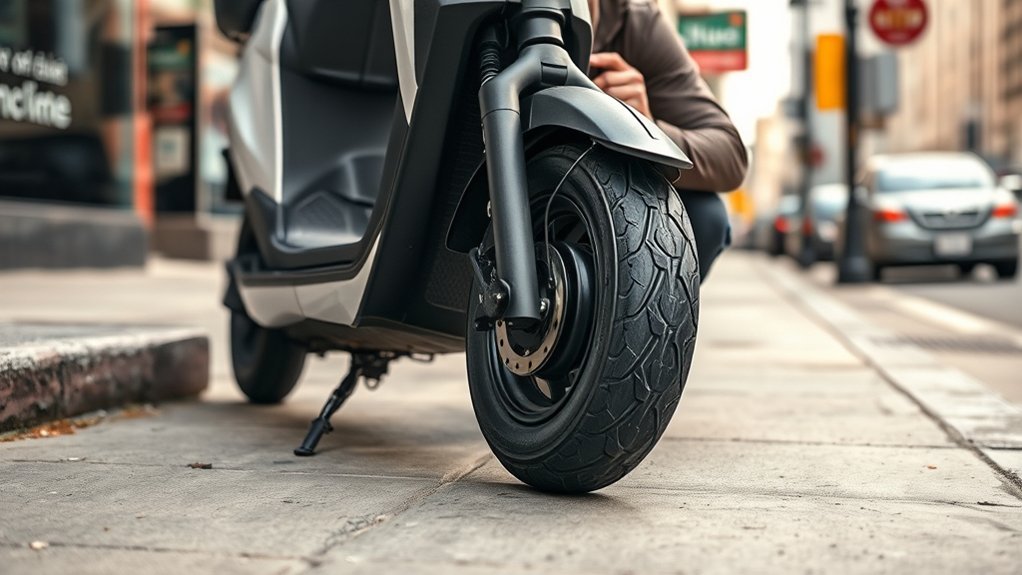
You shouldn’t ride an electric scooter with a flat tire. A flat sharply reduces traction, so steering and braking become unpredictable, especially in turns or on rough pavement. It also increases the risk of wobble, loss of balance, and rim or motor damage. If you notice bumps, sagging, strange noise, or poor handling, stop riding immediately and inspect the tire. Knowing what to do next can save you time, money, and a much bigger repair.
Disclosure: As an Amazon Associate I earn from qualifying purchases. Some links on this page are affiliate links, at no extra cost to you.
Can You Ride an Electric Scooter With a Flat Tire?
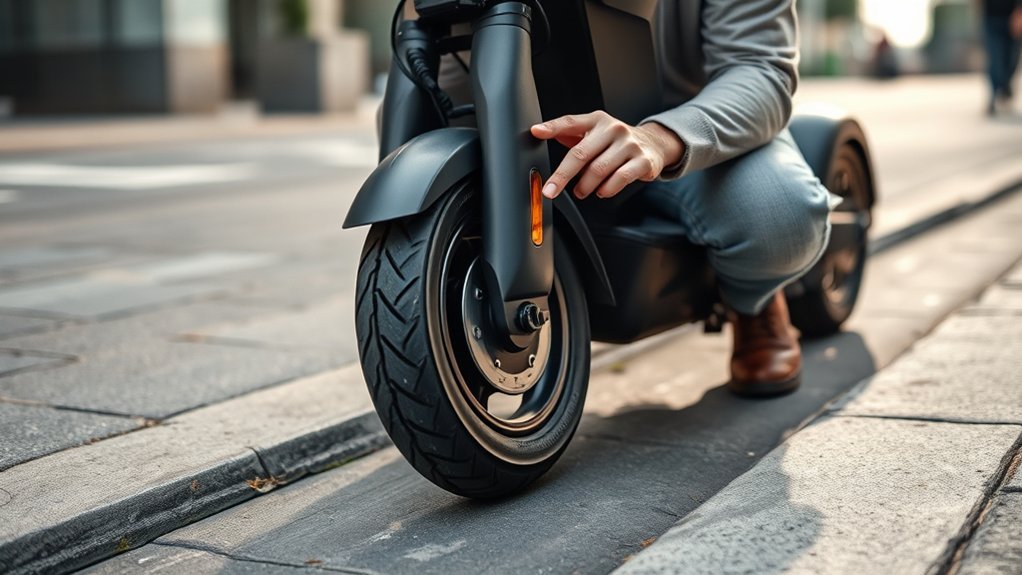
No, you should not ride an electric scooter with a flat tire, because it sharply reduces traction and makes steering and braking less reliable. You’re taking on avoidable safety concerns when you keep moving, since the scooter can feel unstable and respond poorly to your riding techniques. A flat tire also increases the chance of losing balance, especially during turns, stops, or uneven pavement. If you notice unusual bumps, vibrations, visible deflation, or extra resistance when pushing, stop immediately and inspect the tire. Don’t try to power through the problem; you’ll only stress the wheel, rim, and motor further. Riding on a flat can turn a simple tire issue into a costly repair and limit your ability to move freely. Check the tire, find the cause, and fix it before you ride again.
Why a Flat Scooter Tire Is So Dangerous
A flat scooter tire is dangerous because it cuts traction fast, so your steering and braking become less predictable the moment pressure drops. You lose the contact patch that keeps you upright, and that means your control margin shrinks on every turn, stop, and surface change. On rough pavement, the wheel can wobble, pulling you off line and raising accident risks. If you hit a sudden stop while the tire’s deflated, you can pitch forward and take a hard fall. A flat can also force the rim to flex or bend, and that may damage the motor and turn a simple tire issue into expensive repairs. For real tire safety, you need proper inflation at all times. When pressure falls, your scooter stops being a stable machine and starts reacting unpredictably. Don’t treat a flat as minor; it compromises freedom by making each ride less controlled and more dangerous.
How to Tell If Your Scooter Tire Is Flat?
How can you tell when a scooter tire has gone flat? You’ll usually feel it before you see it. During a ride, pay attention to these signs:
- Unusual bumps or vibrations
- A saggy or completely flat tire
- Difficulty pushing the scooter
- Unusual sounds while riding
- Visible damage or debris during tire inspection
If the scooter starts to feel unstable, check the tire immediately. Low air pressure changes how the wheel contacts the ground, so steering and rolling feel off. A quick tire inspection lets you spot punctures, cuts, or objects lodged in the tread before they worsen. You can also compare both tires; one that looks lower than the other often has lost air.
Trust your senses. If the ride feels rough, sounds wrong, or looks uneven, your tire likely needs attention. Staying alert keeps you moving with confidence and freedom.
What to Do After a Scooter Flat Tire
If your scooter tire goes flat, stop riding right away to avoid damaging the wheel, motor, or rim and to keep yourself safe. Then park it on level ground and inspect the tire closely. Look for punctures, cuts, tears, valve leaks, or debris lodged in the tread or sidewall. This check tells you whether repair options exist. Small punctures may respond to tire sealant or a patch, but larger tears, sidewall damage, or crushed structure usually mean you need a full replacement. Photograph the damage and note the date, mileage, and conditions; that record helps with warranty or insurance claims if you need service. If you can’t judge the damage or don’t have the tools, get professional help before you try anything. Smart tire maintenance starts with prompt inspection, because you protect your machine, your budget, and your freedom to ride on your own terms.
If You Have to Ride Home on a Flat
Sometimes you may need to limp home on a flat tire, but treat it as an emergency, not normal riding. Keep your speed low and apply these emergency tips and safety precautions so you don’t lose control or damage your scooter further.
- Shift your weight onto the functional tire for steadier tracking.
- Brake early and gently; a flat cuts steering and stopping response.
- Expect harsh vibrations and slower handling on rough pavement.
- Stop often to inspect the tire and confirm you can continue.
- Exit immediately if the rim starts scraping or the motor feels strained.
You’ll feel the scooter wander, especially on uneven surfaces, so stay relaxed, scan ahead, and avoid sudden inputs. If you must keep moving, choose the shortest route home and use smooth throttle changes. A flat can beat up the rim and motor fast, turning a minor failure into a costly repair. Your goal is simple: preserve control, protect the machine, and get yourself home safely.
How to Prevent Scooter Flat Tires
You should check your tire pressure regularly with a gauge and keep it at the manufacturer’s recommended PSI, since underinflation raises flat risk. You can also reduce punctures by using puncture-resistant tires, tire liners, or a compatible sealant that can close small holes as they form. Avoid rough terrain and inspect your tires often for wear, debris, and proper inflation so you can catch problems before they cause a flat.
Tire Pressure Checks
Regular tire pressure checks are one of the most effective ways to prevent scooter flats, since under-inflated tires are more vulnerable to punctures and can reduce stability and control. You should treat tire maintenance and pressure monitoring as routine, not optional.
- Check PSI before each ride.
- Match manufacturer-recommended PSI exactly.
- Use a bike pump with a built-in gauge.
- Inspect tires weekly for wear, damage, or debris.
- Keep tires clean to preserve traction and integrity.
When you hold proper pressure, you reduce stress on the tire carcass and improve handling. If you stay disciplined, you keep your scooter ready for freer, safer movement without avoidable downtime.
Flat Tire Prevention
Keeping proper tire pressure is only the first layer of protection; preventing flats also means reducing puncture risk before it starts. You should treat tire maintenance as part of your ride system, not an afterthought. Check PSI regularly and keep it at the manufacturer’s spec, because soft tires pinch easier. Add puncture protection with liners, puncture-resistant tires, or a quality sealant like Armor Dilloz to close small leaks fast. Ride around sharp debris, broken glass, and rough terrain whenever you can. Inspect tread, sidewalls, and valve stems during routine maintenance, and replace worn tires before they fail. These steps let you keep moving freely, cut downtime, and stay in control instead of getting stranded by a preventable flat.
Best Scooter Tires for Fewer Flats
If flats keep cutting rides short, the best fix is choosing tires built to resist punctures from the start. For true puncture prevention, compare tire types by your terrain and commute goals. Puncture-resistant 4-ply tires add tough material without killing handling, so you keep control and freedom. Solid or foam-filled tires go further: they can’t lose air, but they do trade some comfort and grip.
Choose tires built to resist punctures, balancing flat protection, comfort, and control for your terrain.
- Use 4-ply tires for a balanced upgrade.
- Choose solid tires for maximum flat resistance.
- Add sealant like Armor Dilloz to seal holes up to 1/4″.
- Install liners, such as Mr. Tuffy, as a barrier.
- Check pressure, tread, and wear regularly.
You’ll get the best results when you combine the right tire with disciplined maintenance. Replace worn rubber early, because a damaged tire can fail fast. With the right setup, you ride farther, safer, and freer.
Frequently Asked Questions
What Happens if You Ride a Scooter With a Flat Tire?
You lose traction, steering, and braking control, creating safety concerns and performance issues. You can bend the rim, damage the motor, and trigger nasty vibrations, so you’ll risk falls and costly repairs.
How Much Does It Cost to Replace an Electric Scooter Tire?
You’ll usually pay $30–$100 to replace a scooter tire; one rider I knew learned that a cheap flat became costly. For tire maintenance, compare DIY and shop pricing, plus $10–$30 installation.
What to Do if You Have a Flat Tire on Your E-Scooter?
Stop riding immediately, inspect the tire, and remove debris. You’ll check whether tire repair works or if replacement’s safer. Take safety precautions, document damage, and use sealant only for small punctures.
What Is the Flat Tire Rule?
The flat tire rule means you shouldn’t ride a scooter with a flat tire. You’ll lose traction, stability, and braking control, so stop immediately, follow tire maintenance, and take safety precautions before rolling again.
Conclusion
You shouldn’t ride your electric scooter with a flat tire unless it’s an emergency. A flat tire can turn handling into a loose wire—unstable, unpredictable, and unsafe. Stop, inspect the tire, and fix or replace it before riding again. If you must limp home, go slow, avoid bumps, and keep your weight balanced. Regular pressure checks and quality tires will help you prevent flats and keep every ride controlled.
