
Last Updated on July 31, 2026 by Daniel Globe
Spain is a year-round destination, but the best time to travel depends on where you are going and what you want to do. Spring and early fall usually give first-time visitors the easiest mix of mild weather, outdoor sightseeing, cultural events, and manageable crowds. Summer suits beach trips and major festivals, while winter works well for city breaks, skiing, and warmer island escapes.
Quick Answer
The best time to visit Spain is usually April through May or late September through October. These months often bring comfortable sightseeing weather and fewer crowds than midsummer. Choose June through August for beaches and festivals, December through March for skiing, or winter for mild weather in the Canary Islands.
Key Takeaways
- Best overall: April to May and late September to October for mild conditions and easier sightseeing.
- Best for beaches: June to September, with late June and September often less intense than July and August.
- Best for festivals: March through August, depending on the event and its annually changing dates.
- Best value: November to February outside Christmas, New Year, Carnival, and ski-holiday periods.
- Best for winter sun: The Canary Islands, where conditions are much milder than on mainland Spain.
Spain Travel Seasons at a Glance
| April-May | Excellent for city sightseeing, walking, gardens, Semana Santa, and the Jerte Valley cherry blossom period. |
| June-August | Best for beach holidays and summer festivals; expect heat, high demand, and busy coastal resorts. |
| Late September-October | A strong choice for cities, wine regions, hiking, harvest food, and warm Mediterranean days with fewer peak-season crowds. |
| November-February | Good for quieter mainland cities, Christmas traditions, museums, skiing, and winter sun in the Canary Islands. |
Note: Spain’s climate varies sharply by region. Northern Atlantic areas are generally cooler and wetter, the central plateau has colder winters and hot summers, Mediterranean coasts are milder, and the Canary Islands stay comparatively warm throughout the year. Review Spain’s official climate guide before choosing dates.
Spring in Spain: Mild Weather, Blossoms, and Cultural Traditions
Spring in Spain awakens the countryside after winter and is one of the easiest seasons for a first visit. From March into May, daylight increases, gardens return to life, and many destinations are comfortable for walking tours, cycling, hiking, and outdoor dining. Conditions still vary: northern Spain can be rainy, mountain routes may retain snow, and southern cities can become hot by late May.
The Jerte Valley in Extremadura is especially famous for its white cherry blossoms. Flowering normally lasts only a short time and depends on the weather, often falling between late March and early April. Travelers planning a photography or nature trip should follow the official Jerte Valley blossom updates rather than relying on a fixed annual date.
Spring is also a major cultural season. Semana Santa, or Holy Week, fills cities such as Seville and Málaga with processions, religious sculptures, bands, incense, and large crowds. Its dates move each year with Easter. Seville’s Feria de Abril follows later in spring, bringing sevillanas, horse parades, traditional dress, food, and casetas. Because both events can raise hotel prices and limit availability, book early when they are central to your trip.
Pro Tip: Pack layers and a compact rain jacket for spring. Warm afternoons can turn into cool evenings, especially in Madrid, Castile and León, inland Andalusia, and higher elevations.
Summer in Spain: Beaches, Long Days, and Major Festivals
From June through August, Spain becomes a center for beach holidays and outdoor celebrations. Mediterranean destinations such as the Costa del Sol, Costa Brava, Costa Blanca, and the Balearic Islands draw swimmers, sunbathers, sailors, and water-sports enthusiasts. Beach bars and seafront restaurants add to the relaxed atmosphere with tapas, seafood, and cold drinks.
Summer is also the busiest and hottest period in many places. July and August can be especially intense in inland cities such as Madrid, Seville, Córdoba, and Toledo. Travelers who still want museums and historic neighborhoods should begin early, rest indoors during the hottest part of the afternoon, and return outside in the evening. Northern Spain, including Galicia, Asturias, Cantabria, and the Basque Country, can offer cooler summer conditions, although rain remains possible.
Festival travelers have many choices. San Fermín takes place in Pamplona from July 6 through 14, while La Tomatina is held in Buñol on the last Wednesday of August. La Tomatina uses controlled admission, so visitors should buy through the authorized event system rather than arriving without a plan. Spain’s official events calendar is useful for confirming annual dates and regional celebrations.
Warning: Do not treat summer heat as a minor inconvenience. Carry water, use sun protection, avoid strenuous midday activity, and check current heat or storm warnings through AEMET, Spain’s national weather agency.
Fall in Spain: Wine Harvests, Seasonal Food, and Comfortable Touring
As summer fades, September through November brings harvest activity, changing landscapes, and generally cooler sightseeing weather. Early September can still feel like summer along the Mediterranean, while late October and November are more unsettled and may bring heavier rain in some regions.
Wine regions such as La Rioja, Ribera del Duero, Rías Baixas, and Jerez become lively around harvest time. Visitors can tour vineyards, learn how grapes are processed, attend tastings, and sample regional dishes. Harvest timing differs by grape variety, elevation, and weather, so confirm winery schedules before building a trip around active picking or grape-stomping events.
Autumn food extends beyond wine. Markets and restaurants feature mushrooms, chestnuts, stews, and seasonal produce. On November 1, Spain observes All Saints’ Day, when many families visit cemeteries and place flowers on relatives’ graves. Regional customs include the Castanyada in Catalonia, Magosto in Galicia, and other chestnut celebrations. These are Spanish traditions and should not be confused with Mexico’s Día de los Muertos.
September also brings major cultural events, including La Mercè in Barcelona around September 24 and grape-harvest festivals in several wine regions. These events offer music, parades, traditional performances, local food, and a more community-centered atmosphere than many midsummer resort areas.
Winter in Spain: Christmas Cities, Skiing, and Island Sun
| Destination | Winter highlight | Best for |
| Madrid | Holiday lights, Plaza Mayor market, museums, and seasonal sweets | Festive city breaks |
| Barcelona | Fira de Santa Llúcia, architecture, markets, and mild coastal days | Culture and food |
| Sierra Nevada and the Pyrenees | Skiing, snowboarding, mountain villages, and winter scenery | Snow sports |
| Canary Islands | Mild weather, volcanic landscapes, beaches, and hiking | Winter sun |
Winter in Spain combines festive cities with mountain and island escapes. From December through early January, Madrid, Barcelona, Seville, Málaga, and many smaller towns display holiday lights, nativity scenes, markets, and seasonal food. Turrón, churros with hot chocolate, and the Three Kings celebrations are central parts of the season.
For snow sports, travelers can consider Sierra Nevada near Granada and resorts in the Spanish Pyrenees. Snow conditions and opening dates vary each winter, so check the resort forecast and lift status before traveling. After skiing, mountain towns and lodges provide hearty food and a quieter alternative to the country’s major cities.
Travelers who want warmth rather than snow should look at the Canary Islands. Tenerife, Gran Canaria, Lanzarote, and Fuerteventura remain popular in winter, although ocean temperatures, wind, and conditions differ by island and coast.
Off-Season Travel: Lower Demand and a Slower Pace
Late fall through early spring can be rewarding for travelers who value museums, architecture, food, and unhurried city walks. Outside major holidays, festivals, and ski periods, many destinations receive fewer visitors than in summer. This can make it easier to enjoy landmarks, restaurants, and public spaces without the same level of crowding.
Lower prices are common but not guaranteed. Madrid and Barcelona still host business events, the Canary Islands remain popular in winter, and major festivals can sharply increase room rates. Compare flexible dates rather than assuming every November, January, or February stay will be inexpensive.
Quieter months can free up the budget for guided tours, cooking classes, upgraded hotels, or extra nights. They also make indoor attractions especially appealing when rain or short daylight limits outdoor plans.
Shoulder Seasons: Pleasant Conditions and Fewer Peak Crowds
The strongest shoulder-season windows are usually April through May and late September through October. These periods often provide mild temperatures and moderate visitor levels, although local festivals, school holidays, and warm coastal weekends can still be busy.
Shoulder season is well suited to hiking in areas such as Picos de Europa, exploring historic cities such as Toledo and Córdoba, visiting vineyards, and spending time outdoors without the most intense summer heat. In the north and mountains, rain gear and flexible plans remain important.
Cultural events add another reason to travel. Semana Santa and the Feria de Abril shape spring travel in Andalusia, while La Mercè and wine-harvest celebrations animate September. Museums and galleries can also feel calmer on ordinary weekdays outside holiday periods.
Spain does not have one nationwide “best month.” The right dates depend on whether your route focuses on Atlantic Spain, the central plateau, the Mediterranean coast, the mountains, or the islands.
Peak Tourist Season: How to Handle Crowds and High Demand
Peak tourist season generally runs from June through August, with additional surges during Easter, Christmas, New Year, and major local festivals. Barcelona, Madrid, Seville, Granada, coastal resorts, and island destinations can feel especially busy. The upside is a full schedule of tours, nightlife, outdoor dining, cultural programs, and transport options.
Planning ahead matters. Reserve accommodation near the area you intend to explore, choose timed entries for major attractions, and schedule outdoor sightseeing early in the day. The Alhambra’s official ticket guidance recommends advance purchase because capacity is limited. The Sagrada Família’s official ticket page likewise recommends buying ahead to secure entry.
Guided tours can add context, but “skip-the-line” language does not remove security checks or timed-entry rules. Buy only from official or clearly authorized sellers, verify cancellation terms, and arrive before the time printed on the ticket.
Special Events and Festivals: Choose Dates Carefully
Spain’s festivals can transform a good trip into a memorable one, but they also affect crowds, transport, opening hours, and hotel prices. Semana Santa is one of the country’s most important religious periods, with notable processions in Seville, Málaga, Valladolid, Zamora, and other cities. Seville’s Feria de Abril follows with flamenco-inspired dress, horse parades, food, music, and casetas.
Summer highlights include San Fermín in Pamplona and La Tomatina in Buñol. San Fermín offers far more than the running of the bulls, including music, parades, fireworks, and communal celebrations. The bull run carries serious injury risk and is not required to experience the festival. La Tomatina is a ticketed event with specific entry and safety rules.
In early fall, La Mercè fills Barcelona with concerts, parades, human towers, and traditional fire runs, while grape-harvest festivals appear in wine-producing regions. Check exact dates every year because religious calendars, municipal schedules, weather, and event rules can change.
Products Worth Considering

What You Get: 1000pcs golden raffle tickets in a roll, the size of double roll is 2"x 1.8"

2” X 2” And Split Into 2” X 1” Halves,2000 Green Tickets .

Easy To Tear,Works Well For Events, Entry, Class Reward, Fundraiser & Prizes
Best Time to Visit Spain by Region
Products Worth Considering

Packing List for Travel: includes 2 travel packing lists of 60 sheets each, which is an exhaustive list of everything you might need for your trip, and an organizational tool to help a forgetful person arrive and depart fully equipped

Premium Fabric: Smooth and durable fabric protects clothes from wrinkles and stains; reliable performance helps the packing cubes stand up to heavy wear and tear during traveling; water-repellent feature protects your clothes from spills or leaks

Efficient Design: A4 size 8.27" X 11.69", large-font notebook with 50 pages to simplify packing.
Madrid and Central Spain
Choose April to May or late September to October for long walks and day trips. Summer can be very hot, while winter mornings and nights can be cold. Winter still works well for museums, food, and lower-demand weekdays.
Andalusia
Spring and fall are the most comfortable periods for Seville, Córdoba, Granada, and inland white villages. Summer is better suited to the Costa del Sol or evening-focused city plans than full days of inland sightseeing.
Barcelona and the Mediterranean Coast
Late spring and September balance beach time with city touring. July and August offer the warmest beach atmosphere but also bring high demand. October can remain pleasant, although rain becomes less predictable.
Northern Spain
June through September usually provides the best chance of mild outdoor weather in Galicia, Asturias, Cantabria, and the Basque Country. Rain is possible in every season, so build flexibility into hiking and coastal plans.
Balearic Islands
Late May, June, and September are strong choices for warm weather and a somewhat calmer experience than peak midsummer. Many seasonal businesses reduce hours outside the main travel period.
Canary Islands
The islands are attractive throughout the year and especially useful for winter sun. Conditions vary between islands and even between the north and south sides of the same island, so select a base according to wind, beach, hiking, or nightlife priorities.
How to Choose Your Travel Dates
- For classic sightseeing: Start with April-May or late September-October.
- For swimming and nightlife: Choose June-September and reserve coastal accommodation early.
- For lower demand: Compare November-February dates outside holidays and major events.
- For hiking: Match the season to elevation; spring in the mountains can still mean snow, while summer inland may be too hot.
- For festivals: Confirm the official dates before buying flights because several celebrations move each year.
- For food and wine: Consider September and October for harvest activity, markets, mushrooms, chestnuts, and regional festivals.
Also consider practical gear. Comfortable walking shoes, sun protection, layers, and a small rain jacket cover most itineraries. Travelers carrying specialty items, such as cigars, should use a protective travel humidor and confirm airline, destination, and customs rules before departure.
Products Worth Considering

Your feet can breathe easy in the latest iteration of fabric upper.
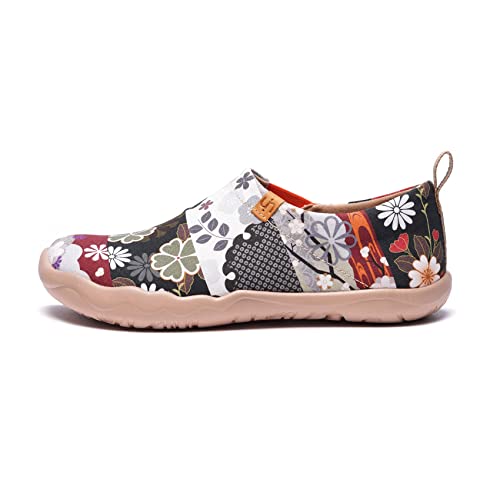
Colorful Artistic Design: Featuring a vibrant and eye-catching artistic print, these shoes add a pop of personality to any outfit while showcasing your unique style.

Ultimate Comfortable and Relaxation towards Your Walking Experience: bionics foot-shaped design with a wide-toe capacity intends to free your feet from the fatigue of long-distance walking.
Frequently Asked Questions
What is the best time to travel to Spain?
For most first-time visitors, April through May and late September through October provide the best balance of sightseeing weather, outdoor activity, and manageable crowds. Your ideal dates may differ for beach trips, skiing, festivals, or the Canary Islands.
What is Spain’s weather like in spring and fall?
Spring and fall are often mild, but Spain has strong regional differences. Northern areas can be cool and rainy, inland regions have wider day-to-night swings, and Mediterranean coasts stay warmer. Check the city forecast shortly before departure.
Which festivals should I consider when planning a trip?
Popular choices include Semana Santa and Seville’s Feria de Abril in spring, San Fermín in July, La Tomatina on the last Wednesday of August, and La Mercè around September 24. Confirm exact annual dates and ticket rules before booking.
Which region is best in spring or fall?
Andalusia is especially appealing in spring and fall because these seasons avoid much of the strongest summer heat. Madrid, Barcelona, Toledo, Granada, and major wine regions are also well suited to shoulder-season travel.
What are popular activities during the best travel months?
Travelers can explore historic centers, visit museums and monuments, hike, cycle, dine outdoors, tour vineyards, photograph spring blossoms, and attend regional festivals. Coastal swimming is more reliable from late spring into early fall.
When is the cheapest time to visit Spain?
November through February often offers lower mainland demand outside Christmas, New Year, Carnival, ski holidays, and major events. Prices vary by city and island, so compare several date combinations before booking.
Is Spain worth visiting in winter?
Yes. Winter is good for museums, food, Christmas traditions, and quieter mainland cities. It also supports ski trips in mountain regions and mild-weather escapes in the Canary Islands.
Sources
- Spain.info: The Climate in Spain — seasonal weather patterns and regional travel context.
- AEMET: Official Weather Forecasts and Warnings — current city, beach, mountain, and severe-weather information.
- Spain.info: Official Events Calendar — annual dates and details for festivals and cultural events.
- Jerte Valley Tourism: Cherry Blossom Updates — weather-dependent blossom timing and local activities.
- Alhambra and Generalife: Official Ticket Advice — capacity limits and advance-purchase guidance.
- Sagrada Família: Official Tickets — authorized ticket sales and advance-entry guidance.
