
Last Updated on July 27, 2026 by Daniel Globe
The Galápagos Islands are a year-round wildlife destination, so there is no single month that is best for every traveler. The right time depends on whether you value warm, calmer water, cooler nutrient-rich seas, a specific animal event, fewer crowds, or smoother boat conditions. This guide compares the seasons and months so you can match your dates to the experience you want.
Quick Answer
Visit from December through May for warmer air, warmer water, greener landscapes, and generally calmer seas. Choose June through November for cooler conditions, stronger nutrient-rich currents, and excellent marine and seabird activity. May and November are useful transition months, but the best dates depend on your wildlife and activity priorities.
Located about 1,000 kilometers, or 620 miles, west of mainland Ecuador, the archipelago is recognized by UNESCO as a World Heritage site. Its isolation, volcanic landscapes, and converging ocean currents support giant tortoises, marine iguanas, Galápagos penguins, sea lions, blue-footed boobies, and many other distinctive species. Charles Darwin visited in 1835, and his observations later helped shape his work on evolution by natural selection.
Key Takeaways
- Galápagos is worth visiting in every month; there is no universal “best” season for wildlife.
- December through May is the warm and wet season, with warmer water, more sun, short rain showers, and generally calmer seas.
- June through November is the cool and dry, or garúa, season, with cooler water, misty highlands, stronger winds, and more nutrient-rich marine conditions.
- Wildlife timing varies by island and year, so choose dates around the species and behaviors you most want to see.
- Peak travel periods often include mid-June through early September and mid-December through mid-January, so book early for those dates.
Disclosure: As an Amazon Associate I earn from qualifying purchases. Some links on this page are affiliate links, at no extra cost to you.
Dry Season: Cooler Water and Active Marine Life
The Galápagos cool and dry season generally runs from June through November. It is also called the garúa season because mist or light drizzle often settles over the highlands. Coastal lowlands can remain dry, while skies are frequently cloudier than in the warm season.
Comfortable Weather Conditions
Typical air temperatures are about 66°F to 79°F (19°C to 26°C), while average water temperature is close to 72°F (22°C). These conditions can feel pleasant for hiking, especially compared with the hotter months. However, stronger trade winds can make boat rides rougher, particularly from June through September.
Warning: The cool season is not usually the calmest period at sea. Travelers who are sensitive to motion should discuss cabin location and medication with a qualified clinician before the trip and should pack a windproof layer for open-boat transfers.
Abundance of Wildlife Sightings
Cool, nutrient-rich currents support fish, seabirds, and many marine predators. Depending on the month and island, visitors may see blue-footed booby courtship or chicks, flightless cormorant courtship, sea lion births and pups, Galápagos penguin activity, and migratory whales. Giant tortoises also move between highland and lower nesting areas during parts of this season.
Rich Marine and Avian Life
The Humboldt and Cromwell currents help drive upwelling that brings nutrients toward the surface. This can increase marine productivity and attract feeding fish, seabirds, sea lions, penguins, rays, and sharks. The water may be cooler and visibility can vary, so many snorkelers prefer a wetsuit. Experienced divers often value this season for its marine activity, even though conditions can be more demanding.
Pro Tip: Choose a thicker wetsuit or ask your operator what exposure protection is provided. Water temperature and current strength vary by island, site, depth, and day.
Wet Season: Warmer Water and Greener Landscapes
The warm and wet season generally runs from December through May. It brings warmer air and water, increased humidity, greener vegetation, and brief tropical showers. Rain often falls in short bursts rather than lasting all day, although conditions can change during El Niño or La Niña events.
Warmer, Calmer Water
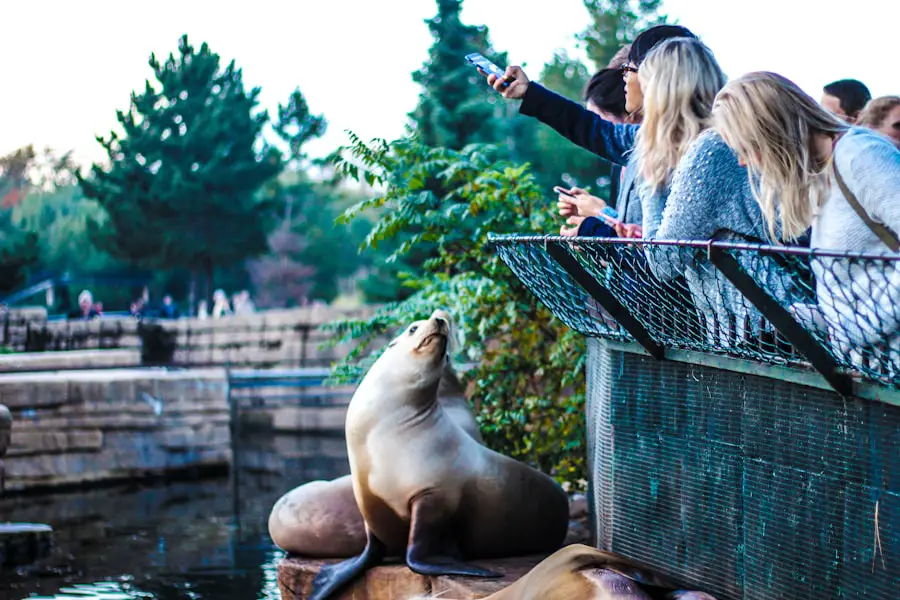
Average air temperatures are roughly 72°F to 86°F (22°C to 30°C), and average water temperature is about 76°F (25°C). Seas tend to be calmer than during the cool season, and underwater visibility is often better, although local currents and weather still matter. These months are popular for swimming, snorkeling, kayaking, and first-time boat travelers.
Wildlife During the Warm Season
Warm-season highlights can include green sea turtles nesting and hatching, marine iguana breeding colors and nesting, giant tortoise breeding, flamingo nesting, magnificent frigatebird courtship, and the return of waved albatrosses to Española near the end of March and in April. The exact timing varies, and an itinerary must include the correct island to see a specific species.
Travel Considerations
The landscape can look especially green and colorful, but heat, humidity, and strong equatorial sun can make exposed walks tiring. Pack breathable clothing, a wide-brimmed hat, high-SPF sunscreen and sun-protective clothing, and a lightweight rain shell. Holiday periods can be busy even within months that are otherwise less crowded.
Wildlife Highlights: What to See Month by Month
Galápagos wildlife is present throughout the year, but breeding, nesting, feeding, and migration events change by month. The calendar below summarizes commonly reported highlights from the Galapagos Conservation Trust wildlife calendar. Natural events are not guaranteed and may shift with ocean conditions.
Note: Seeing a species depends on the island, visitor site, itinerary, weather, and park access. Confirm that your cruise or day tour visits the habitat linked to your priority animal.
| Month | Typical Wildlife and Nature Highlights |
|---|---|
| January | Green sea turtles begin nesting; marine iguanas enter mating season; several land and seabirds nest. |
| February | Calm, clear water is common; flamingos nest on Floreana; magnificent frigatebirds court on North Seymour. |
| March | Often the warmest and rainiest period; marine iguanas nest; waved albatrosses begin returning late in the month. |
| April | Green turtle hatchlings may emerge; land iguana eggs hatch; waved albatross courtship becomes prominent on Española. |
| May | Blue-footed booby courtship begins in key colonies; waved albatrosses lay eggs; Galápagos penguins can be active around feeding areas. |
| June | The cool season begins; humpback whales may pass through; giant tortoises migrate toward nesting areas; great frigatebirds court. |
| July | Nutrient-rich water increases marine activity; flightless cormorants court; lava lizards begin mating displays. |
| August | Often the coolest month; Galápagos sea lions begin giving birth; many seabirds feed chicks in productive waters. |
| September | Sea lion breeding activity increases; penguin courtship can be active; migratory whales are more commonly reported. |
| October | Young sea lion pups may approach snorkelers; blue-footed boobies raise chicks; Galápagos fur seals enter mating season. |
| November | Sea lion pupping continues; brown noddies begin breeding; green sea turtles start a new mating cycle. |
| December | The warm-season transition begins; giant tortoise eggs hatch; marine iguanas display breeding colors; young waved albatrosses fledge. |
No month offers every wildlife event. A traveler focused on waved albatrosses should prioritize an itinerary that reaches Española between spring and late fall, while someone hoping to see young sea lions may prefer August through November. Travelers interested in nesting green turtles are more likely to favor the warm season.
Weather and Climate: Understanding the Two Seasons
The Galápagos climate is shaped by latitude, elevation, trade winds, and several ocean currents. The warm season is influenced by warmer water and reduced winds. During the cool season, the Humboldt Current and regional upwelling bring colder, nutrient-rich water. Larger islands also have strong microclimates: a coast can be sunny and dry while nearby highlands are cool and misty.
| Condition | Warm and Wet: December–May | Cool and Dry: June–November |
|---|---|---|
| Typical air temperature | About 72°F–86°F (22°C–30°C) | About 66°F–79°F (19°C–26°C) |
| Average water temperature | About 76°F (25°C) | About 72°F (22°C) |
| Rain and cloud | More sun, humidity, and short showers | Cloudier skies and garúa mist, especially in highlands |
| Sea conditions | Generally calmer | Often windier and choppier, especially June–September |
| Underwater conditions | Warmer water and often clearer visibility | Cooler, nutrient-rich water with strong marine activity; visibility varies |
| Landscape | Greener lowlands and flowering vegetation | Drier lowlands with misty, greener highlands |
The best Galápagos season is the one that matches your preferred wildlife, water temperature, and tolerance for heat or rough seas.
Note: El Niño and La Niña can change normal temperature, rainfall, food supply, and wildlife patterns. Treat monthly averages as planning guides, not guarantees.
Activities and Adventures: What to Do During Each Season
Snorkeling and Swimming
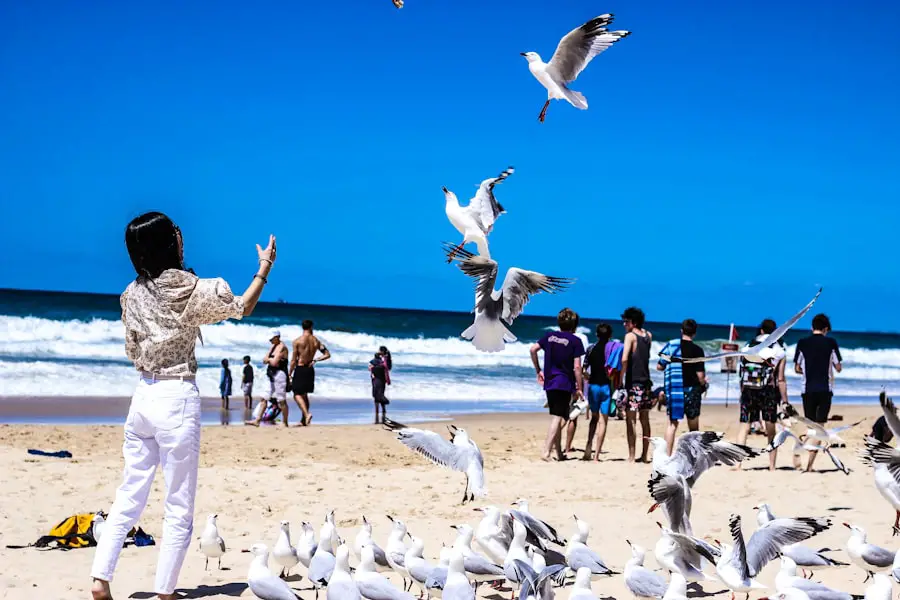
December through May usually offers warmer water, calmer seas, and comfortable conditions for casual snorkelers. June through November can bring more feeding activity and exciting encounters, but the water is cooler and currents may be stronger. Always follow the guide’s instructions and use the flotation equipment provided when needed.
Scuba Diving
Advanced divers often prefer the cool season because nutrient-rich water can support abundant marine life. However, visibility, current, surge, and temperature vary widely. Remote northern sites such as Darwin and Wolf can involve demanding conditions and are normally reached on specialized liveaboards. Choose an authorized operator that matches the itinerary to your certification and recent experience.
Hiking and Wildlife Walks
Cool-season temperatures can make exposed trails more comfortable, but garúa may make rocks damp. Warm-season hikes offer greener scenery but require careful sun and heat management. Many visitor trails cross uneven lava, loose stones, sand, or wet landing areas, so closed-toe shoes with reliable grip are useful.
Kayaking, Panga Rides, and Photography
Kayaking and small-boat rides are available at authorized visitor sites when conditions allow. Warm-season seas are often easier for paddling, while cool-season skies can reduce harsh midday contrast for photography. A dry bag, lens cloth, and secure camera strap help protect equipment from spray and sand.
Fishing
Fishing in protected Galápagos waters is regulated and should only be done through authorized experiential-fishing services where permitted. If fishing is part of your approved itinerary, review the operator’s gear policy before packing. A compact option may be useful, and this guide to the best travel fishing rod can help you compare portable designs without assuming personal fishing is allowed at every visitor site.
Best Time to Visit Based on Your Priorities
- Warmest water and calmer seas: January through April, with December and May as transition months.
- Greener scenery: February through April, although rainfall and vegetation vary by island and year.
- Cooler hiking weather: July through November.
- Productive marine conditions: July through October, with colder water and potentially stronger currents.
- Waved albatrosses on Española: Late March or April through December, with courtship most prominent after arrival.
- Blue-footed booby courtship: Often from May onward at active colonies, depending on location.
- Sea lion pups: Commonly associated with August through November.
- Potentially lighter crowds: Late April through May and September through November outside major holidays, based on the main peak travel periods.
May can be a strong all-around choice for travelers who want warm water, a greener landscape, and the start of several bird events without the busiest holiday weeks. November can appeal to travelers who prefer fewer crowds, active sea lion pups, and a transition toward warmer conditions. Neither month guarantees perfect weather.
Planning Your Trip: Accommodations, Tours, and Entry Requirements
Choose Between a Cruise and a Land-Based Stay
A cruise can reach more distant visitor sites and reduces repeated backtracking, but it also means more time sleeping and traveling on a boat. A land-based trip offers flexible hotel choices on inhabited islands such as Santa Cruz, San Cristóbal, and Isabela, but day tours may cover fewer remote sites and can still involve long speedboat rides. Match the format to your wildlife priorities, mobility, seasickness risk, and budget.
Book Around Peak Dates
Travel demand is often highest from mid-June through early September and from mid-December through mid-January. Reserve popular cruises, licensed day tours, and preferred accommodations well ahead for those periods. For any booking, compare the exact itinerary rather than choosing only by boat category or hotel rating, because wildlife differs by island.
Check Current Fees and Documents
Most visitors travel through mainland Ecuador and must complete Galápagos entry controls before departure. As of July 2026, the Galápagos Government Council lists a mandatory $20 Transit Control Card, along with valid identification and a round-trip ticket. The Galápagos National Park lists a $200 conservation entry fee for foreign visitors over 12 and $100 for foreign visitors under 12, with different rates for Ecuadorian residents and eligible CAN or MERCOSUR nationals. Check the official pages before travel because requirements and fees can change.
Select Authorized Operators
Choose operators that clearly identify their permits, naturalist guides, vessel safety information, cancellation terms, and included equipment. Ask whether the quoted price includes airport transfers, wetsuits, snorkel gear, park-related fees, meals, and inter-island transport. A detailed itinerary should name the islands and visitor sites, not merely promise “the best wildlife.”
Warning: The Galápagos National Park requires visitors to remain at least two meters from wildlife, including when using a camera. Do not touch or feed animals, remove rocks or sand, leave marked trails, or use unauthorized tourism services.
What to Pack
- Lightweight, breathable clothing plus a warmer layer for cool-season mornings and boat rides
- A light rain shell or windproof jacket
- Closed-toe walking shoes with good grip and secure sandals or water shoes
- A wide-brimmed hat, sunglasses, and high-SPF sun protection
- A reusable water bottle and small dry bag
- Swimwear, rash guard, and a wetsuit if your operator does not provide one
- Motion-sickness supplies selected with professional medical guidance when appropriate
- Binoculars, camera protection, and spare batteries or memory cards
Choosing the Best Time for Your Galápagos Adventure
Choose December through May when your priorities are warmer water, calmer seas, greener scenery, and warm-season nesting activity. Choose June through November when you prefer cooler hiking weather, nutrient-rich marine conditions, seabird activity, sea lion pups, and the possibility of migratory whales. For a balance of conditions and potentially lighter crowds, consider May or November outside major holidays.
The itinerary matters as much as the month. A perfectly timed trip will still miss a target species if it does not visit the correct island or habitat. Start with the animals and activities you care about most, compare routes, then select the season that offers the best combination of weather, sea conditions, and access.
Frequently Asked Questions
What is the best time to travel to the Galápagos?
The islands are a year-round destination. December through May is best for warmer water and generally calmer seas. June through November is best for cooler conditions and nutrient-rich marine activity. Your ideal month depends on the wildlife, activities, and sea conditions you prefer.
What is the weather like during the cool and dry season?
From June through November, typical air temperatures are about 66°F to 79°F (19°C to 26°C). Skies can be cloudy, highlands may have garúa mist, water is cooler, and seas are often choppier than in the warm season.
What wildlife can I see during the cool season?
Possible highlights include flightless cormorant courtship, blue-footed booby activity, sea lion births and pups, Galápagos penguins, feeding seabirds, and migratory whales. Sightings depend on the month, island, itinerary, and natural conditions.
Are there festivals during the best travel season?
Wildlife and weather usually matter more than festivals when choosing dates. Local civic or holiday events may affect demand, but the busiest periods are often linked to school vacations and year-end holidays rather than one major archipelago-wide festival.
What activities are available throughout the year?
Snorkeling, diving, hiking, kayaking, wildlife watching, photography, panga rides, and guided boat tours operate year-round when park rules and weather permit. The best season depends on your comfort with water temperature, currents, heat, and boat movement.
When is the best time for snorkeling?
December through May is generally best for warmer water, calmer seas, and comfortable recreational snorkeling. July through October can offer highly active marine life, but water is cooler and currents may be stronger.
When are Galápagos seas roughest?
Winds and waves are commonly stronger from June through September. Conditions vary by route and day, so travelers prone to motion sickness should compare vessel size, cabin location, and transfer times before booking.
How far ahead should I book a Galápagos trip?
Book as early as practical for mid-June through early September, mid-December through mid-January, small expedition ships, specialized diving routes, and fixed school-holiday dates. More flexible travelers may find better availability in shoulder periods.
Sources
- UNESCO World Heritage Centre: Galápagos Islands — location, World Heritage status, biodiversity, ocean currents, and conservation context
- Galápagos Conservancy: Planning a Trip to Galápagos — seasonal temperatures, sea conditions, peak periods, and trip formats
- Galapagos Conservation Trust: The Best Times to Visit Galapagos — month-by-month wildlife highlights
- Galápagos National Park: Conservation Entry Fee — current park fee categories
- Galápagos Government Council: Transit Control Card FAQ — TCT requirement, cost, documents, and visitor stay rules
- Galápagos National Park: Visitor Conduct Rules — wildlife distance, trail, feeding, and ecosystem-protection requirements

