
Last Updated on August 26, 2026 by Daniel Globe
The best time to travel to Cuba depends on what matters most to you: drier weather, lower prices, smaller crowds, cultural events, or hurricane risk. In a normal year, November through April offers the most dependable combination of lower rainfall and comfortable sightseeing weather. However, travelers planning a trip in 2026 also need to consider current power, fuel, transportation, payment, and supply disruptions before choosing dates.
Quick Answer
For weather alone, the best time to travel to Cuba is generally November through April, when conditions are less rainy and usually more comfortable for beaches and sightseeing. May and November can offer useful trade-offs, while June through November overlaps with Atlantic hurricane season and requires more flexible planning.
Key Takeaways
- November through April is Cuba’s less-rainy period and is usually the easiest window for outdoor sightseeing and beach trips.
- May through October is generally hotter, wetter, and more humid, although rain often falls in short heavy bursts rather than lasting all day.
- The Atlantic hurricane season runs from June 1 through November 30, with the highest climatological activity concentrated in late summer and early fall.
- May and November can provide a useful balance of weather and demand, but they should not be treated as guaranteed “shoulder season” everywhere in Cuba.
- Travelers in 2026 should check current government advisories because electricity, fuel, transportation, food, water, and medicine shortages may affect a trip regardless of season.
Current travel warning: Conditions in Cuba can change quickly. As of July 30, 2026, the Government of Canada advises avoiding non-essential travel because of worsening shortages of fuel, electricity, food, water, medicine, and other necessities. The U.S. State Department also warns about unreliable electrical power and crime. Check the latest official advice for your nationality immediately before booking and again before departure.
Disclosure: As an Amazon Associate I earn from qualifying purchases. Some links on this page are affiliate links, at no extra cost to you.
Peak Tourist Season in Cuba
Cuba’s most popular travel period generally overlaps with its drier and somewhat cooler months, especially from December through March or April. This is when many visitors from colder countries arrive for winter sunshine, beaches, city sightseeing, and cultural trips.
The weather advantage is real: official Cuban tourism information describes November through April as the less-rainy period in much of the country, while May through October is typically the rainier period.
Popular Destinations and Crowds
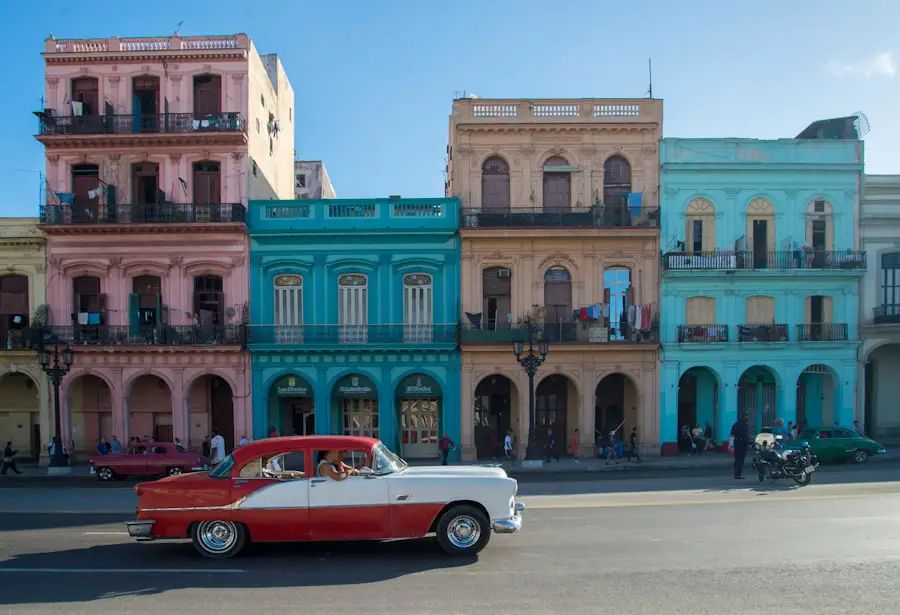
During the drier winter months, Havana, Varadero, Trinidad, Viñales, and other well-known destinations can feel busier than they do during hotter and wetter periods. Beach resorts, popular casas particulares, and sought-after tours may also have less last-minute availability.
Demand is not identical every year, however. Flight capacity, economic conditions, major events, and current travel advisories can all affect visitor numbers, so it is better to think of December through early spring as a commonly popular period rather than a rigid nationwide peak season.
Accommodations and Planning
If you want to travel between December and March, booking your preferred accommodation earlier can give you more choice. This is particularly useful around Christmas, New Year, major cultural events, and school-holiday periods.
In 2026, availability alone should not determine where you stay. Frequent electricity cuts and fuel shortages mean travelers should also ask prospective accommodations about backup power, water storage, air conditioning during outages, and transportation options.
Cultural Events and Festivals
Cuba hosts important music, film, dance, literature, and arts events throughout the year. The Havana International Jazz Festival has traditionally been held around January, while the International Festival of New Latin American Cinema is commonly associated with December.
Do not choose flights solely from an event’s traditional month. Cuban cultural calendars can change. The 2026 Havana International Book Fair, for example, was originally scheduled for February before being postponed and rescheduled later in the year. Always confirm dates with the event organizer or an official Cuban tourism source before making non-refundable arrangements.
Shoulder Season: The Best of Both Worlds
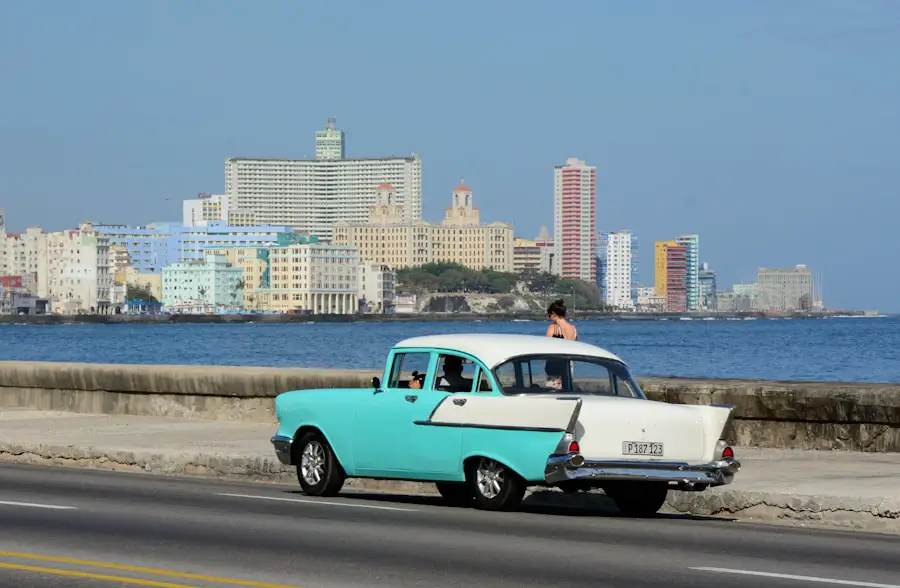
Rather than treating Cuba’s shoulder season as a fixed set of dates, it is more useful to look at transitional months. May sits near the beginning of the wetter season, while November sits near the transition toward drier weather.
These months can work well for travelers who want to avoid the busiest winter period but still hope for plenty of usable outdoor time. November is particularly attractive from a weather perspective because rainfall generally decreases as the drier season begins, although it still falls inside the official Atlantic hurricane season until November 30.
May is warmer and more humid than the core winter months, and rainfall increases in many regions. That does not automatically make it a poor time to visit. Travelers who tolerate heat and can work around showers may still find plenty of beach and sightseeing time.
Pro Tip: If you want a compromise between weather and winter-season demand, consider late November or parts of April and May, but use flexible hotel and flight bookings whenever possible.
Off-Peak Season: Pros and Cons
| Potential Advantages | Potential Drawbacks |
| Lower demand may produce better accommodation availability or prices. | Hotter weather, higher humidity, and more frequent rain. |
| Some attractions may feel less crowded. | June 1 through November 30 is Atlantic hurricane season. |
| Rainy-season landscapes can be lush and green. | Weather or infrastructure problems can interrupt excursions and intercity transportation. |
| Travelers with flexible schedules may find good-value opportunities. | Current fuel, electricity, and supply shortages can magnify disruptions. |
The wetter and generally quieter part of the year is not automatically a bad time to visit Cuba. June through October can still include long sunny periods, and tropical showers may be brief. Travelers should nevertheless expect more humidity and a greater chance that rain will interfere with outdoor plans.
The biggest additional consideration is tropical weather. The National Hurricane Center defines the Atlantic hurricane season as June 1 through November 30, with activity typically peaking in late summer and early autumn. A storm does not have to make a direct landfall on your destination to disrupt flights, ferries, road travel, electricity, or hotel operations.
Warning: If you travel between June and November, use changeable or refundable bookings where practical, monitor forecasts from the U.S. National Hurricane Center, and confirm what your travel insurance covers for named storms and trip interruption.
Weather in Cuba Throughout the Year
Cuba has a tropical climate, so temperatures stay warm for much of the year. Seasonal rainfall usually matters more to trip planning than dramatic temperature swings.
| Period | Typical Conditions | Best For |
| November-April | Less rain, lower humidity than summer, warm days, occasional cooler fronts | Cities, beaches, walking tours, road trips, hiking |
| May-June | Hotter, more humid, increasing showers | Flexible travelers comfortable with heat and rain |
| July-August | Very warm and humid, frequent showers and thunderstorms | Heat-tolerant travelers with flexible schedules |
| September-October | Wet and humid with higher tropical-cyclone concern | Only travelers comfortable with weather uncertainty |
Regional conditions vary. Havana, western Cuba, eastern Cuba, mountain areas, and offshore beach destinations do not receive identical rainfall or temperatures. Check a location-specific forecast shortly before each part of your trip rather than relying only on national averages.
For most visitors, Cuba’s less-rainy November-to-April period is the simplest weather window, but current travel conditions should be checked separately from climate.
Month-by-Month Guide to Visiting Cuba
January and February
January and February are among the most comfortable months for walking through Havana, Trinidad, Santiago de Cuba, and other cities. Days are usually warm rather than oppressively hot, while evenings and passing cold fronts can occasionally feel cooler.
These months are good choices for travelers who prioritize sightseeing and lower humidity. They can also coincide with popular cultural events, so confirm accommodation early if your trip overlaps a festival.
March and April
March and April remain strong choices for beaches and outdoor exploration. Conditions are generally warm and relatively dry, while daytime heat gradually increases toward May.
For many visitors, this is one of the best compromises between dependable weather and avoiding the coolest winter evenings.
May and June
May marks a transition toward the wetter season, with rising humidity and more frequent showers. June is part of both the rainy season and Atlantic hurricane season.
You can still get plenty of usable travel days, but build extra flexibility into outdoor plans and intercity transportation.
July and August
July and August are typically very hot and humid. Afternoon showers or thunderstorms are common in many areas, and strong sunshine makes hydration and sun protection especially important.
These months can work for travelers who do not mind tropical heat, but they are less comfortable for long urban walking tours.
September and October
September and October combine high humidity, substantial rainfall in many areas, and greater hurricane-season uncertainty. NOAA climatology shows that the Atlantic season reaches its strongest concentration of activity around this part of the year.
If your dates are flexible, many first-time visitors will find another part of the year easier.
November and December
November is a transition toward drier weather and can be an attractive time to visit, although hurricane season officially continues through November 30. December generally brings more dependable dry-season conditions and increasing visitor demand.
Best Time to Visit Cuba by Travel Style
Best for Beaches
December through April is usually the easiest beach-weather window because rain is less frequent and humidity is generally lower. Sea conditions can still vary, so check local forecasts before snorkeling, diving, or boating.
Best for Havana and Cultural Sightseeing
January through March is especially comfortable for long walking days through Old Havana and other historic areas. April and November can also work well if you prefer warmer temperatures.
Best for Hiking and Viñales
The drier months are generally preferable for hiking because trails are less likely to be muddy and the heat is usually easier to manage than during midsummer.
Best for Lower Demand
Periods outside the core winter travel months may offer better availability, but do not assume every hotel, flight, or tour will automatically be cheaper. Cuba’s supply constraints and limited transportation capacity can produce unusual pricing and availability patterns.
Best for Festivals
Choose an event first and then plan your dates around its confirmed schedule. Do not rely on the month in which a festival was historically held because dates can be postponed or changed.
Before You Book: Current Cuba Travel Conditions
Seasonal weather is only one part of deciding when to visit Cuba. In 2026, infrastructure and supply conditions deserve equal attention.
The Government of Canada’s travel advisory updated July 30, 2026 reports worsening shortages of fuel, electricity, food, water, and medicine, along with lengthy power outages and significant disruption to ground transportation. Conditions can affect both independent accommodation and large resorts.
The U.S. State Department also warns travelers about unreliable electrical power and recommends preparing for prolonged outages by keeping phones and power banks charged and maintaining access to food, water, flashlights, and essential medical supplies.
Note: Travel advisories are nationality-specific and can change without much notice. Check the advisory issued by your own government immediately before booking and again shortly before departure.
Entry Requirements and Cuba’s Electronic Visa
Cuba’s official tourism portal lists several documents travelers may need, including a valid passport, the appropriate visa, medical-coverage travel insurance, and the digital D’Viajeros entry form.
Cuba now operates an electronic tourist-visa system through its official eVisa Cuba portal. Requirements can differ according to nationality and reason for travel, so check the current rules rather than relying on an old physical Tourist Card guide.
You should also review Cuba’s official entry regulations and formalities before departure.
Special Rules for U.S. Travelers
People subject to U.S. jurisdiction face an additional legal issue that is separate from Cuba’s immigration requirements. The U.S. Treasury’s Office of Foreign Assets Control states that ordinary travel-related transactions for tourist activities are not authorized.
Authorized travel can fall within specified categories, such as certain family visits, journalism, professional research, educational activities, religious activities, humanitarian projects, and support for the Cuban people, subject to the applicable rules and documentation.
Warning for U.S. travelers: Having a Cuban visa or being allowed to board a flight does not by itself make a leisure vacation compliant with U.S. sanctions law. Review the current OFAC Cuba sanctions guidance before making travel-related transactions.
Travel Tips for Visiting Cuba
Planning matters more in Cuba than in many destinations because transportation, communications, power, and payment systems may not work as predictably as travelers expect.
Bring a Reliable Payment Backup
The Cuban peso (CUP) is Cuba’s national currency. Official Cuban tourism information confirms that cards issued by U.S. financial institutions do not work in Cuba.
Payment rules have changed repeatedly, and current official sources are not completely consistent about the acceptance of international Visa and Mastercard products. Canada’s July 2026 travel guidance says Visa and Mastercard credit and debit cards ceased being accepted beginning June 6, 2026.
For that reason, do not rely on a single bank card. Bring enough accepted cash for essential expenses, verify current currency rules shortly before departure, use authorized banks or CADECA exchange offices, and avoid informal street exchanges.
Expect Transportation Disruptions
Shared taxis, buses, and other local transportation can be useful ways to move around Cuba, but current fuel shortages can make schedules unreliable. Allow extra time between cities and avoid building an itinerary that depends on tightly timed connections.
Prepare for Power Outages
A power bank, small flashlight, offline copies of reservations, and downloaded maps can be particularly useful. Ask your accommodation whether it has generator or battery backup and whether water service is affected during outages.
Learn Some Basic Spanish
English is spoken in many tourism settings, but basic Spanish can make taxis, restaurants, shops, casas particulares, and unexpected travel problems much easier to navigate.
Health and Water Precautions
Check the CDC Cuba traveler page before departure. CDC advises international travelers to be current on routine vaccinations and recommends Hepatitis A vaccination for unvaccinated travelers to Cuba. It also lists mosquito-borne risks including dengue, chikungunya, and Zika.
Use an effective insect repellent, wear protective clothing when mosquitoes are active, and consider screened or air-conditioned accommodation.
For drinking water, avoid making assumptions about safety based only on location. Use sealed bottled water or water that has been reliably treated when quality is uncertain, and follow normal food-and-water hygiene precautions. Current shortages can also affect access to bottled water, so plan ahead.
Packing Essentials for Cuba
Lightweight, breathable clothing is useful throughout most of the year. Cotton, linen, and quick-drying fabrics can make humid days more comfortable. Cuba Travel recommends light clothing for the tropical climate and a light rain jacket during the wetter May-to-October period.
Bring comfortable walking shoes for cobblestone streets and historic areas, plus sandals or flip-flops for beach days. During the drier winter period, a light sweater or thin jacket can be useful for cooler evenings, cold fronts, or air-conditioned spaces.
Useful items include:
- Sunscreen and sunglasses
- Hat or other sun protection
- Insect repellent
- Refillable water bottle
- Light rain jacket during the wetter season
- Portable power bank
- Flashlight
- Necessary prescription medication and basic personal supplies
- Printed and offline copies of important travel documents
- Cash backup stored securely in more than one place
If photography is a major part of your trip, this guide to travel camera backpacks can help you organize your equipment. Travelers who struggle with unfamiliar nighttime noise can also review this guide to portable white noise machines for travel.
Finding the Best Time to Travel to Cuba
If weather is your main concern, November through April is the strongest overall choice. You get the less-rainy part of the year, lower humidity than midsummer, and generally favorable conditions for beaches, historic cities, hiking, and road trips.
April, May, and November can suit travelers looking for a compromise between conventional winter demand and weather, while June through October requires more tolerance for heat, rain, and tropical-weather uncertainty.
For a 2026 trip, however, the calendar is only part of the decision. Review current government travel advisories, transport availability, electricity conditions, entry requirements, payment rules, and insurance before committing money. A month that is climatologically excellent can still be a poor travel choice if infrastructure or safety conditions deteriorate.
Frequently Asked Questions
What is the best time to travel to Cuba?
For weather, November through April is generally the best period because Cuba receives less rain and conditions are usually more comfortable for sightseeing and beach trips. Current travel advisories and infrastructure conditions should also be checked before booking.
What is the weather like during the best months to visit Cuba?
November through April is generally less rainy and less humid than summer. Days remain warm, although winter cold fronts can occasionally bring cooler evenings, particularly in western Cuba.
When is hurricane season in Cuba?
The official Atlantic hurricane season runs from June 1 through November 30. Risk is not equal every day, but Atlantic tropical-cyclone activity is climatologically highest in late summer and early fall. Flexible bookings and travel insurance are particularly valuable during this period.
Is November a good month to visit Cuba?
Yes. November is often a good transition month because rainfall is generally decreasing and temperatures are comfortable. Keep in mind that Atlantic hurricane season officially continues through November 30.
Can U.S. citizens travel to Cuba for a normal vacation?
U.S. law does not authorize ordinary tourist travel-related transactions for persons subject to U.S. jurisdiction. Travel must qualify under an applicable OFAC authorization or specific license. Travelers should review current U.S. Treasury guidance rather than relying on general tourism advice.
What documents do I need to travel to Cuba?
Requirements depend on nationality, but Cuba’s tourism authorities list a valid passport, the appropriate visa, medical-coverage travel insurance, and the D’Viajeros digital form among common requirements. Cuba now provides an electronic tourist-visa system, so verify your exact requirements before departure.
What events should I consider when planning a Cuba trip?
Cuba hosts major jazz, film, book, dance, and carnival events throughout the year. Dates can change, so check the organizer’s current schedule before purchasing non-refundable flights or accommodation.
Are Cuba’s best-weather months crowded?
The drier winter months are traditionally among the more popular times to visit Havana, Varadero, Trinidad, and other major destinations. Actual crowd levels can vary significantly with airline capacity, current travel conditions, holidays, and cultural events.
What activities are best during Cuba’s dry season?
The less-rainy months are well suited to walking tours, beaches, snorkeling when sea conditions permit, hiking, cycling, Viñales excursions, and exploring historic cities because heat, humidity, and rain are generally easier to manage than in midsummer.
Sources
- Cuba Travel — Regulations and Formalities — official information on passports, visas, insurance, and D’Viajeros requirements.
- Cuban Foreign Ministry — eVisa Cuba — official electronic tourist-visa service.
- NOAA National Hurricane Center — Mariner’s Tropical Cyclone Guide — Atlantic hurricane-season dates and climatology.
- U.S. Treasury OFAC — Cuba Sanctions FAQs — U.S. travel authorizations and prohibition on tourist travel-related transactions.
- CDC Travelers’ Health — Cuba — vaccination, food-and-water, and mosquito-borne disease guidance.
- Government of Canada — Cuba Travel Advice — current information on shortages, electricity, transportation, safety, and payment conditions.
