
Last Updated on July 28, 2026 by Daniel Globe
The best time to visit St. Maarten depends on whether you care most about dry weather, lower prices, fewer crowds, or major island events. The island stays warm all year, so temperature is rarely the deciding factor. Rainfall, hurricane risk, visitor numbers, and hotel prices make a much bigger difference when choosing your travel dates.
Quick Answer
The best time to visit St. Maarten for the driest weather is January through April, when days are warm and rainfall is generally lower. For better value and fewer crowds, consider May or early June. September and October are quieter, but they fall within the higher-risk part of Atlantic hurricane season.
Key Takeaways
- Best weather: January through April generally brings the driest conditions and comfortable trade winds.
- Best balance of weather and price: May can offer fewer crowds after the winter high season while remaining warm enough for beach activities.
- Best for lower prices: Summer and early fall often bring better lodging offers, but rainfall, humidity, and tropical-weather risk increase.
- Hurricane season: The official Atlantic season runs from June 1 through November 30, with the greatest climatological concern generally from mid-August into October.
- Best for events: March is known for the St. Maarten Heineken Regatta, while Carnival celebrations center on April and can extend into early May.
Disclosure: As an Amazon Associate I earn from qualifying purchases. Some links on this page are affiliate links, at no extra cost to you.
Weather and Climate in St. Maarten
St. Maarten has warm Caribbean weather throughout the year. According to Visit St. Maarten weather information, the island’s normal average temperature is about 81°F (27°C), with average minimum and maximum temperatures around 73°F and 90°F (23°C and 32°C). Trade winds help moderate the heat, although humidity can make summer and early fall feel warmer.
Rainfall changes more than temperature. January through June are generally the drier part of the year, while July through November tend to be wetter. Even during the drier season, brief showers can occur, so “dry season” should not be interpreted as a guarantee of rain-free days.
St. Maarten averages about 81°F (27°C) over the year, so choosing when to visit is usually more about rainfall, crowds, prices, and hurricane risk than temperature.
Note: St. Maarten is the Dutch southern side of the island, while Saint-Martin is the French northern side. The weather is essentially shared across the small island, but entry, health, and government guidance can differ between the two jurisdictions.
Best Time to Visit St. Maarten by Season
| Period | What to Expect | Best For |
| January–February | Drier weather, warm temperatures, busy beaches, strong high-season demand | Beach trips and first-time visits |
| March–April | Generally dry weather plus major sailing and Carnival events | Events, sailing, nightlife |
| May | Transition toward wetter weather with declining high-season crowds | Value with good beach potential |
| June–August | Hotter, more humid, wetter and quieter; hurricane season is underway | Budget-conscious travelers with flexible plans |
| September–October | Low crowds and attractive rates, but higher tropical-weather risk | Travelers prioritizing quiet and value |
| November | Still part of hurricane season through November 30; tourism begins building again | Shoulder-season trips later in the month |
| December | High season returns, with drier conditions and holiday demand | Winter sun and holiday travel |
Peak Tourist Season
St. Maarten’s main high season runs roughly from December through April, although some parts of the local hospitality industry consider the busy stayover season to extend into May. Winter visitors come for warm weather, lower rainfall, sailing conditions, cruise calls, and major events.
This is generally the safest period for travelers whose top priority is dependable beach weather. The tradeoff is demand. Popular resorts, villas, rental cars, excursions, and restaurants can book up earlier, especially around Christmas, New Year, school holidays, the Heineken Regatta, and Carnival.
High season also produces the island’s liveliest atmosphere. Simpson Bay, Maho, Philipsburg, and major beaches see more visitors, and there is a fuller schedule of nightlife, sailing, dining, and organized events.
Pro Tip: For January through April trips, reserve your preferred hotel or villa before booking the rest of your itinerary. Event weeks can create localized spikes in accommodation demand even when another part of the island still feels relatively quiet.
Off-peak Season
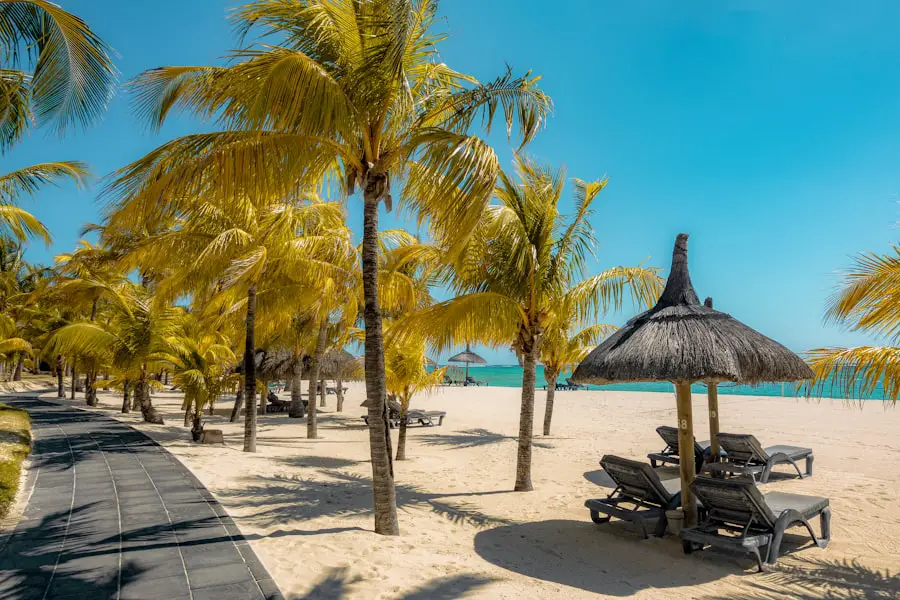
Lower-season travel is appealing if you prefer uncrowded beaches and more attractive accommodation offers. Visit St. Maarten promotes summer as a period with quieter beaches and often better fares, while September and October are among the island’s quieter months.
The tradeoff is weather risk. The Government of Sint Maarten confirms that Atlantic hurricane season lasts from June 1 through November 30 and identifies roughly mid-August through October as the historical peak period for hurricane activity.
Warning: A quieter hurricane season does not mean there is no danger. If you visit between June and November, use flexible reservations where possible, understand your airline and hotel’s storm policies, and monitor official forecasts from the Meteorological Department of St. Maarten before and during your trip.
Rain during this period does not automatically mean an entire vacation will be washed out. Tropical showers can be brief, but organized weather systems can also bring prolonged rain, rough seas, flight disruption, or closures. Travelers who need guaranteed dates for weddings, cruises, or other major commitments may prefer the drier winter and spring period.
Events and Festivals
St. Maarten’s major events are a much better guide for trip planning than unrelated international festivals. Two of the most important visitor periods are the Heineken Regatta and Carnival.
| Event | Timing | Location | Why Visit |
|---|---|---|---|
| St. Maarten Heineken Regatta | March; next confirmed dates are March 4–7, 2027 | Waters around St. Maarten with shoreside events around Simpson Bay and Port de Plaisance | International yacht racing, beach viewing, live music, and nightlife |
| St. Maarten Carnival | Main celebrations center on April and may extend into early May; dates vary annually | Carnival Village, Great Salt Pond area, plus street parades | Parades, soca and calypso, concerts, Jouvert, food, costumes, and local culture |
| New Year’s celebrations | Late December and December 31 | Hotels, restaurants, beaches, marinas, and nightlife districts | Holiday atmosphere, dining, parties, and peak-season nightlife |
The St. Maarten Heineken Regatta is one of the Caribbean’s major sailing events. The 2026 edition took place in March, and organizers have announced March 4–7, 2027 for the next edition.
Carnival is another major reason to time a trip for spring. The 2026 St. Maarten Carnival schedule included lead-up events in March, the Carnival Village opening on April 10, the Grand Carnival Parade on April 30, and the closing Last Lap Jump Up on May 5. Future dates should always be checked before booking because the calendar changes each year.
Budget Travel
Traveling outside the winter high season is one of the simplest ways to reduce the cost of a St. Maarten vacation. Hotels and resorts frequently promote summer and lower-season packages, while beaches and many of the island’s core attractions remain available year-round.
For a good compromise, look first at May, early June, or late November. These periods can provide better value than the heart of winter without automatically putting you in the quietest part of the year. Weather is less predictable than during January through April, so compare cancellation terms rather than choosing a room solely because it has the lowest rate.
Accommodation is only part of the budget. Local bakeries, supermarkets, casual restaurants, beach bars, and takeaway counters can reduce food costs. Public-private minibus routes also operate on common corridors, although a rental car provides far more flexibility if you plan to explore beaches on both sides of the island.
Planning ahead matters even for budget travelers. Use a reliable travel guidebook or current destination resources to group nearby beaches, restaurants, and attractions together rather than repeatedly crossing the island.
Activities and Attractions
Beaches and Natural Attractions
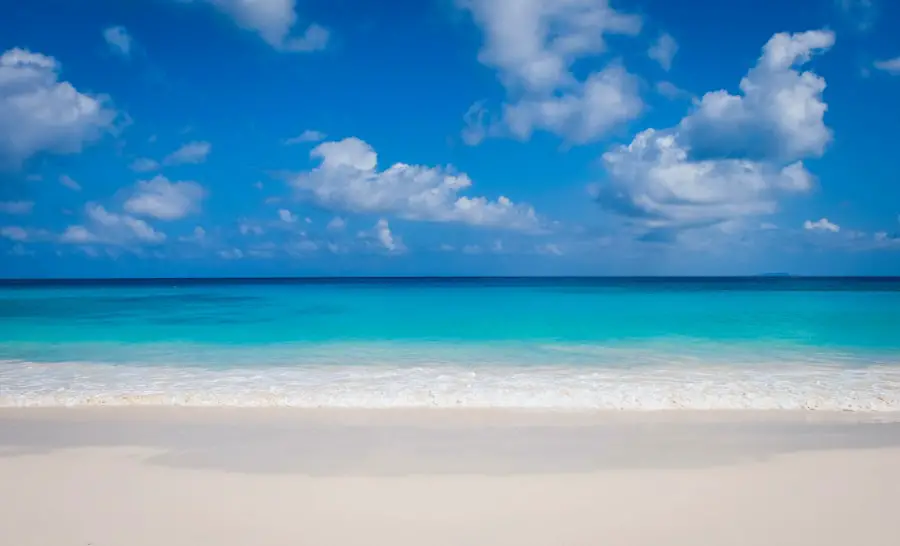
Beach time is possible throughout the year, but January through April generally gives visitors the strongest chance of combining sunshine, lower rainfall, and comfortable conditions. Popular choices include Maho Beach, Mullet Bay, Great Bay, and beaches across the French side such as Orient Bay.
Sailing, snorkeling, diving, paddleboarding, kayaking, and island-hopping are also popular. Sea and wind conditions can change quickly, particularly when tropical systems are nearby, so check local forecasts and follow operator instructions.
Immersing in Local Culture
St. Maarten offers much more than beaches. Philipsburg combines the Boardwalk, Front Street shopping, historic sites, and views across Great Bay. Crossing to the French side opens up markets, cafés, beaches, and the dining scene around Grand Case and Marigot.
Carnival provides one of the strongest opportunities to experience local music, food, costumes, parades, and community celebrations. Travelers who prefer a quieter cultural experience can explore local restaurants, markets, galleries, and historic areas outside the major festival weeks.
Creating Memorable Experiences
The island’s compact size makes it possible to combine several experiences in one day: a morning beach visit, lunch on the French side, an afternoon boat excursion, and dinner or nightlife around Simpson Bay. Building an itinerary around geography can save time because traffic can slow considerably around busy areas and bridge openings.
Warning: Watching aircraft at Maho Beach is a famous St. Maarten experience, but do not stand in the jet blast behind departing aircraft. The U.S. Department of State warns that attempting to experience jet blast can cause serious injury or death.
Accommodation Options
Where you stay can shape the trip as much as the month you visit. St. Maarten has luxury resorts, boutique hotels, timeshares, villas, apartments, and budget-oriented guest accommodations.
Simpson Bay is convenient for restaurants, nightlife, boating, and access to the airport. Maho works well for travelers who want resorts, entertainment, and easy access to Maho Beach. Philipsburg provides convenient access to Great Bay, shopping, and the cruise-port area.
Travelers who plan to explore the French side can also consider Grand Case, Orient Bay, or quieter villa areas around Saint-Martin. Vacation rentals can work particularly well for families and groups that want kitchens and more space.
During December through April and major event weeks, booking early gives you a better choice of locations and room types. During lower season, compare direct hotel promotions and flexible rates. Weather disruptions are more relevant from June through November, so refundable or changeable reservations can be worth paying slightly more for.
Safety and Health Tips
The U.S. Department of State currently advises travelers to exercise normal precautions in Sint Maarten. Crimes of opportunity, including pickpocketing and purse snatching, can occur around beaches, hotel lobbies, and vehicles. Keep valuables out of sight, avoid leaving belongings unattended in rental cars, and use extra care at poorly lit locations at night.
For health preparation, review the current CDC guidance for Sint Maarten before departure. Mosquitoes can transmit illnesses such as dengue and Zika, so use an effective insect repellent and consider light clothing that covers exposed skin when mosquitoes are active.
Strong tropical sun and heat also deserve attention. Drink water regularly, use sunscreen, take shade breaks, and avoid pushing through symptoms of heat illness. When swimming or boating, follow beach warnings and operator instructions and avoid entering rough water when conditions are unsafe.
Note: Travel advisories, health guidance, entry rules, and tropical-weather conditions can change after this article is published. Recheck official government, CDC, airline, and accommodation information shortly before departure.
The right clothing also makes warm-weather sightseeing more comfortable. Lightweight, breathable traveler pants, sun protection, comfortable walking shoes, swimwear, and a light rain layer cover most island activities.
You can also learn more about the team behind this travel resource on the About Us page.
Frequently Asked Questions
What is the best time to travel to St. Maarten?
January through April is the best period for travelers who prioritize drier weather and lively island activity. May can be a good compromise for fewer crowds and potentially better rates. Summer and fall are usually quieter but bring more rain, humidity, and tropical-weather risk.
What is the weather like during the best time to visit St. Maarten?
Winter and early spring are warm and generally drier than late summer and fall. The island’s annual average temperature is about 81°F (27°C), so even the cooler months remain suitable for beaches and outdoor activities. Brief showers can still occur during the dry season.
When is hurricane season in St. Maarten?
Atlantic hurricane season officially runs from June 1 through November 30. Sint Maarten authorities identify roughly mid-August through October as the historical peak period for hurricane activity. A storm is never guaranteed, but travelers during these months should use flexible bookings and monitor official forecasts.
Are there events or festivals during the best time to travel?
Yes. The St. Maarten Heineken Regatta takes place in March, with the next confirmed edition scheduled for March 4–7, 2027. St. Maarten Carnival centers on April and can extend into early May, with parades, concerts, Jouvert, food, and cultural events.
Is St. Maarten more expensive during the best-weather months?
Usually. December through April is the core high season, so hotel, villa, rental-car, and excursion demand is stronger. Holiday weeks and major events can push demand even higher. Travelers focused on value should compare May, summer, and shoulder-season rates.
What are the cheapest months to visit St. Maarten?
Summer and early fall often offer lower accommodation prices and fewer visitors than winter. September and October can be especially quiet, but those months also fall within the higher-risk part of hurricane season. May or early June can provide a more balanced option for travelers who want value without choosing the quietest storm-season months.
What activities are best during the dry season?
Beach hopping, sailing, snorkeling, diving, kayaking, outdoor dining, island tours, and exploring Philipsburg or the French side are all popular. The lower rainfall from winter into spring makes it easier to plan outdoor days, although local marine and weather forecasts should still guide water activities.
Sources
- Visit St. Maarten — Weather Information — temperature, rainfall patterns, and seasonal climate.
- Government of Sint Maarten — Hurricane Season Guidance — official June 1–November 30 season and peak-risk guidance.
- U.S. Department of State — Sint Maarten Country Information — personal security, water activities, transport, and Maho Beach safety.
- CDC — Sint Maarten Traveler View — current health, mosquito, sun, heat, and travel-safety guidance.
- St. Maarten Heineken Regatta — official Regatta information and confirmed March 4–7, 2027 dates.
- Visit St. Maarten — Carnival Schedule — official 2026 Carnival dates and event program.

