

Last Updated on July 27, 2026 by Daniel Globe
Costa Rica is a year-round destination, but the best time to visit depends on where you plan to go and what you want to do. The Pacific coast has a clear dry and green season, while the Caribbean follows a different rainfall pattern. Wildlife migrations, holiday crowds, prices, and road conditions also change throughout the year.
Quick Answer
For sunny Pacific beaches and predictable hiking weather, visit Costa Rica from mid-December through April. For greener scenery, lower prices, fuller waterfalls, and fewer visitors, consider May, June, July, August, or November. September and October are usually wettest on the Pacific but can be relatively drier on the Caribbean coast.
Key Takeaways
- Costa Rica’s main tourism seasons are the dry season, roughly mid-December through April, and the green season, roughly May through November or early December.
- The Pacific coast has the clearest dry-season pattern. The Caribbean receives rain throughout the year and is often relatively drier around February to March and September to October.
- December through April offers the most dependable Pacific beach weather but also brings higher demand, larger crowds, and hotter conditions in some lowland areas.
- May, June, July, August, and November can provide a useful balance of green scenery, manageable rainfall, lighter crowds, and better value.
- Wildlife timing is species-specific. Tortuguero’s main turtle nesting season runs from June through October, while Pacific humpback whales commonly appear in two seasonal windows.
The Dry Season: Mid-December to April
Costa Rica’s dry season is the most popular period for travelers seeking sunshine, beaches, hiking, and outdoor sightseeing. The clearest dry-season pattern occurs along the Pacific side of the country, including Guanacaste, the Nicoya Peninsula, Tamarindo, Manuel Antonio, and much of the Central Pacific.
December is often a transition month, while January through March generally provide the most dependable dry weather on the Pacific. April remains part of the tourism dry season but can be extremely warm, and rain may begin returning toward the end of the month in some regions.
Why Visit During the Dry Season?
- Pacific beaches generally receive less rain.
- Hiking trails and unpaved roads are more likely to be dry.
- Clearer skies can improve volcano, mountain, and coastal views.
- Snorkeling, surfing, sailing, and beach days are easier to schedule.
- Many hotels, restaurants, tours, and attractions operate on full schedules.
Temperatures vary by elevation and region. Some lowland areas can reach approximately 91°F to 95°F (33°C to 35°C), while the Central Valley and mountain destinations are generally cooler. Nights at high elevations may feel chilly enough for a light jacket.
Dry-Season Tradeoffs
The dry season overlaps with Christmas, New Year, spring-break travel, and Semana Santa, or Holy Week. Accommodations, rental vehicles, national-park tickets, and popular tours may sell out earlier than they do during the green season.
Guanacaste’s tropical dry forest can also appear brown or golden by March and April. Travelers expecting deep-green rainforest scenery may prefer the beginning of the dry season or a greener region such as the South Pacific or Caribbean.
Note: “Dry season” does not mean that rain is impossible. Mountain, rainforest, and Caribbean destinations can receive showers at any time, so a light rain layer is useful throughout the year.
The Green Season: May to November
The green season, also called the rainy or wet season, normally begins in May across much of the Pacific side. Rainfall restores forests, fills rivers, and strengthens waterfalls. Many days begin with clearer morning conditions before clouds and showers develop later, although all-day rain is possible during stronger weather systems.
Nature’s Splendor
Forests become greener, rivers carry more water, and waterfalls often look more dramatic than they do near the end of the dry season. These conditions can be especially appealing to photographers, nature lovers, and travelers who prefer lush scenery.
Advantages of Visiting During the Green Season
Visitor numbers are often lower outside school holidays, and some hotels or tour operators offer better rates. National parks, beaches, and viewpoints may feel less crowded, making it easier to enjoy a slower itinerary.
May, June, and November are especially useful shoulder periods. They often provide green landscapes without the consistently heavy Pacific rainfall associated with parts of September and October.
July and August’s Little Summer
The Pacific side can experience a relative reduction in rainfall during July and August. This period is known as veranillo, or “little summer.” It is not guaranteed to be dry, but it can provide a favorable compromise between green scenery and outdoor weather.
A Unique Charm and Abundant Wildlife
Wet conditions support frogs, insects, flowering plants, and active streams. Some migratory shorebirds begin passing through Costa Rica from July onward, and Tortuguero’s primary turtle nesting season falls within the green season.
Wildlife sightings are never guaranteed. A knowledgeable local guide, an early start, quiet movement, and time spent in the correct habitat usually matter more than choosing the dry or wet season alone.
Weather and Climate in Costa Rica
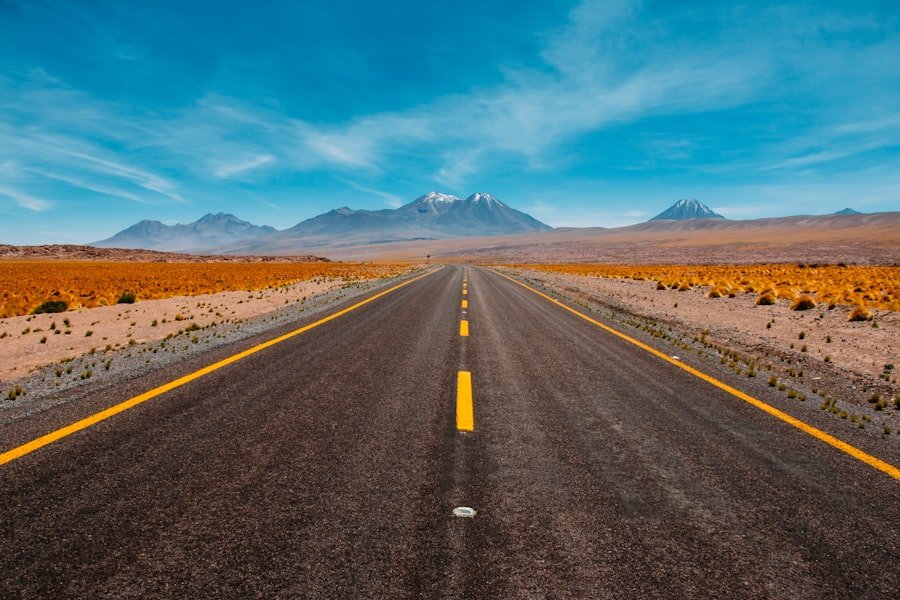
Costa Rica has many microclimates because elevation, mountain orientation, forests, and proximity to the Pacific Ocean or Caribbean Sea affect rainfall and temperature. The country is commonly described as having a dry season and a green season, but that description fits the Pacific more closely than the Caribbean.
The Costa Rica Tourism Board’s climate guide explains that the Pacific has a clearly defined dry and rainy cycle. The Caribbean has no equally distinct dry season and receives meaningful rain even in its driest months.
| Region | General Weather Pattern | Planning Notes |
|---|---|---|
| Guanacaste and North Pacific | Strong dry season, especially January through March; wetter from May into autumn. | Best for dependable winter beach weather. March and April can be very hot and dry. |
| Central Pacific | A shorter dry season than Guanacaste, with heavier rainfall toward the south. | January through March is generally driest. Rain increases from May onward. |
| South Pacific and Osa Peninsula | Humid and rainy, with a shorter dry period and intense green-season rainfall. | January through March is usually easiest for hiking. Some operations may reduce schedules during the wettest months. |
| Central Valley | Milder temperatures due to elevation, with clearer dry-season mornings and wetter green-season afternoons. | Pack a light layer for evenings, especially during windy periods. |
| Cloud Forests and High Mountains | Cooler, mistier, and more changeable than coastal areas. | Bring warm layers, covered walking shoes, and rain protection in every season. |
| Caribbean Coast | Rain is possible year-round. February–March and September–October are often relatively drier. | September or October can be a smart choice when the Pacific side is experiencing heavy rain. |
| Northern Plains | Warm and humid with variable showers throughout the year. | Conditions can differ between La Fortuna, Sarapiquí, and higher volcanic areas. |
Costa Rica Weather by Month
| Months | Typical Conditions | Best For |
|---|---|---|
| January–February | Dry and sunny on much of the Pacific; busy tourism period. February is often relatively drier on the Caribbean. | Beaches, hiking, volcanoes, family trips, and Pacific wildlife tours. |
| March–April | Hot and dry across much of the Pacific. Semana Santa can create heavy domestic demand. | Beach vacations and outdoor itineraries for travelers comfortable with heat. |
| May–June | Rain returns, usually with greener landscapes and lighter crowds. | Value, photography, waterfalls, rafting, and flexible itineraries. |
| July–August | Green season, with a possible Pacific rainfall break during veranillo. Southern humpback whales begin arriving. | Families, wildlife, whale watching, and green scenery. |
| September–October | Often the wettest period on the Pacific. Parts of the Caribbean can be relatively drier. | Caribbean beaches, Tortuguero turtles, low crowds, and travelers who accept weather changes. |
| November | A transition month. Pacific rainfall often begins easing later in the month. | Shoulder-season value, green landscapes, waterfalls, and lighter crowds. |
| December | Transition into the dry season on the Pacific, with rising demand around Christmas and New Year. | Holiday travel, cultural events, Pacific beaches, and northern humpback whales. |
Popular Tourist Activities by Season
| Activity | Favorable Period | What to Know |
|---|---|---|
| Pacific beach vacations | December–April | Offers the most dependable sunshine, but beaches and accommodations are busiest. |
| Caribbean beach vacations | Often February–March and September–October | Rain remains possible, but these periods are often relatively drier along the Caribbean coast. |
| Hiking and volcano visits | December–April | Trails are generally drier, but cloud cover can affect views at any time. |
| Waterfalls and rainforest photography | May–November | Water flow and foliage are usually stronger, but trails may be muddy. |
| White-water rafting | Varies by river | The Pacuare commonly runs from mid-May through mid-March. River levels and tour suitability change with rainfall. |
| Birdwatching | Year-round | Resident birds are always present. Migratory timing depends on species, location, and season. |
| Lower-cost travel | May–June and September–November | Rates may be lower, but weather disruptions and seasonal closures are more likely. |
During the dry season, surfing, snorkeling, hiking, and beach activities are easier to plan on much of the Pacific coast. National parks such as Manuel Antonio and Corcovado also receive strong demand, so advance planning is important.
The green season offers fuller waterfalls, lush forests, stronger river flow, and fewer visitors in many places. Rafting on rivers such as the Pacuare can be excellent, but conditions vary by date and rainfall. The official Costa Rica rafting guide lists runnable periods by river.
Warning: River levels, trail access, ocean conditions, and road conditions can change quickly during heavy rain. Use established operators, follow park or guide instructions, and never enter a flooded river crossing or closed trail.
Best Time for Wildlife Viewing
Wildlife can be seen throughout the year, but the best period depends on the species. Instead of choosing one universal “wildlife season,” match your dates to the animals you most want to observe.
| Wildlife | Useful Viewing Window | Where and How |
|---|---|---|
| Green sea turtles | June–October | Tortuguero National Park. Nesting visits use controlled access and trained guides. |
| Humpback whales | Commonly December–March and July–September | Pacific waters, including the South Pacific and Marino Ballena area. Exact timing varies. |
| Migratory birds | Species-dependent; movement begins for some birds in July | Wetlands, river mouths, forests, and coastal habitats. Many northern species remain through winter. |
| Resplendent quetzals | Year-round | Cloud forests such as Monteverde and Los Santos. A local guide improves the chance of locating feeding areas. |
| Monkeys and sloths | Year-round | Forest parks and reserves. Early-morning guided walks are often productive. |
| Frogs and insects | Often easier to find in wetter periods | Rainforest night walks with a qualified guide. |
SINAC states that the main turtle nesting season at Tortuguero National Park runs from June through October. Visitors should confirm current tour access because nesting activity and operating arrangements can change.
Costa Rica also receives humpback whales from both hemispheres. The official tourism board describes broad Pacific viewing windows from December through March and July through September, giving the country an unusually long overall whale-watching calendar.
Pro Tip: Book a small-group wildlife tour near sunrise. Experienced local guides recognize calls, feeding trees, tracks, and movement that independent visitors often miss.
Festivals and Events Throughout the Year

Costa Rica’s cultural calendar includes national holidays, local fairs, religious traditions, parades, rodeos, concerts, food stalls, and community celebrations. Event dates and programs may change, so confirm the current schedule before building a trip around one event.
January: Palmares Festivities
Palmares is known for January festivities that can include concerts, rodeos, horse parades, food, and community entertainment. The celebration attracts large domestic crowds, so nearby transportation and accommodations may be busier.
March or April: Semana Santa
Holy Week falls in March or April depending on the year. It is an important holiday period, and many Costa Ricans travel to beaches and family destinations. Some businesses close or reduce hours, while popular coastal areas become crowded.
September 15: Independence Day
Costa Rica celebrates Independence Day on September 15. School bands, civic parades, flags, traditional dance, and cultural performances take place in communities across the country.
December: Festival de la Luz and Holiday Celebrations
San José’s Festival de la Luz is associated with the year-end holiday season and features illuminated floats and evening celebrations. Christmas and New Year also bring fairs, food stalls, music, family gatherings, and public events.
The Costa Rica Tourism Board maintains an official events and festivals guide, which is useful for checking seasonal traditions before departure.
Best Time to Visit by Travel Style
| Travel Priority | Good Months to Consider | Main Tradeoff |
|---|---|---|
| Most dependable Pacific sunshine | January–March | Higher demand and hotter conditions. |
| Green scenery with moderate crowds | May, June, July, August, or November | Rain may interrupt afternoon plans. |
| Lower prices and fewer visitors | May–June or September–November | Some hotels, tours, or attractions may reduce operations. |
| Tortuguero turtle nesting | June–October | Humid weather and controlled nighttime access. |
| Pacific humpback whales | December–March or July–September | Sightings remain dependent on nature and local conditions. |
| Caribbean coast | February–March or September–October | Rain can still occur in every month. |
| Holiday culture and festivals | December–January or mid-September | Holiday crowds, closures, and higher demand. |
Travel Tips for Each Season
Dry-Season Travel Tips
- Reserve popular hotels, rental vehicles, guides, and tours early.
- Buy required national-park tickets before arrival, especially for high-demand parks.
- Carry sunscreen, a hat, water, insect repellent, and lightweight clothing.
- Pack a light jacket for Monteverde, San José, high volcanoes, and mountain lodges.
- Expect dry, dusty conditions in parts of Guanacaste late in the season.
- Avoid scheduling tight connections during Christmas, New Year, or Holy Week.
Green-Season Travel Tips
- Schedule hikes, wildlife walks, and outdoor tours early in the morning.
- Carry a breathable waterproof jacket rather than relying only on an umbrella.
- Use quick-drying clothing, covered trail shoes, dry bags, and waterproof phone protection.
- Allow extra travel time on rural roads and confirm whether a four-wheel-drive vehicle is recommended.
- Keep the itinerary flexible in case a river, trail, or boat tour changes because of weather.
- Confirm that seasonal hotels and attractions will be operating during September and October.
The SINAC online-services page identifies parks that use online ticketing or reservations. Requirements differ by protected area, so review the relevant park before traveling.
Tips for Every Month
- Use insect repellent and sun protection even when the sky is cloudy.
- Carry water and wear durable footwear on natural trails.
- Check local forecasts rather than relying on a single national forecast.
- Confirm festival dates, park hours, road access, and tour departures shortly before the trip.
- Do not assume that Pacific and Caribbean weather will be the same.
Making the Most of Your Costa Rica Vacation
A balanced Costa Rica itinerary can combine beaches, forests, wildlife, culture, and adventure, but it should not require crossing the entire country every few days. Choose two or three regions that fit the season and allow enough time for weather changes, wildlife tours, and slower roads.
During the dry season, you might combine a Pacific beach with a volcano or cloud-forest destination. During the green season, consider morning activities, longer stays, and destinations known for waterfalls, rafting, turtle nesting, or rainforest scenery.
Cultural experiences such as cooking classes, farm visits, artisan workshops, and community tours can work in any season. They also provide useful alternatives when afternoon rain makes a beach or hiking plan less appealing.
The best time to visit Costa Rica is therefore not one fixed month. January through March is strongest for dependable Pacific sunshine, while May, June, July, August, and November can offer a rewarding combination of green scenery and lighter crowds. September and October require more flexibility on the Pacific but can be excellent for Tortuguero and parts of the Caribbean.
Frequently Asked Questions
What is the best time to travel to Costa Rica?
January through March is generally best for dependable dry weather on the Pacific coast. May, June, July, August, and November are good alternatives for greener landscapes, lighter crowds, and potential savings. Caribbean travelers should also consider February to March or September to October.
When is the rainy season in Costa Rica?
The green or rainy season generally runs from May through November or early December on the Pacific side. September and October are often the wettest Pacific months. The Caribbean has a different pattern and receives rain throughout the year.
What are the peak tourist seasons in Costa Rica?
The main high-demand period runs from late December through March or April. Christmas, New Year, spring-break weeks, and Semana Santa can be especially busy. Popular hotels, rental vehicles, tours, and park tickets should be reserved early.
What are average temperatures in Costa Rica?
Costa Rica is warm throughout the year, but elevation creates major differences. Lowland and coastal locations are generally hot and humid, while the Central Valley is milder. Cloud forests and high mountains can be cool, especially at night and early in the morning.
Is September or October a bad time to visit Costa Rica?
Not necessarily. These months are often very wet on the Pacific side, and some businesses reduce operations. However, they can bring low crowds, green scenery, Tortuguero turtle nesting, and relatively drier conditions on parts of the Caribbean coast.
What is the cheapest time to visit Costa Rica?
Better accommodation values are often available during the green season, particularly outside school holidays. May, June, September, October, and November may offer lower demand, although prices and operating schedules vary by region and property.
When is the best time to visit Costa Rica’s Caribbean coast?
February to March and September to October are often relatively drier on the Caribbean coast. Rain is still possible at any time, so travelers should keep plans flexible and check forecasts for the specific destination.
Which festivals should travelers consider?
Popular periods include the Palmares festivities in January, Semana Santa in March or April, Independence Day on September 15, and Festival de la Luz and other year-end celebrations in December. Exact dates and programs should be confirmed before travel.
Sources
- Costa Rica Tourism Board: Climate — Pacific and Caribbean rainfall patterns, transition months, and regional climate differences.
- Costa Rica Tourism Board: When to Visit — tourism seasons, crowds, green-season travel, and whale timing.
- SINAC: Tortuguero National Park — official turtle nesting season and controlled visitor access.
- Costa Rica Tourism Board: Marine Wildlife — humpback whale migrations and Pacific viewing windows.
- Costa Rica Tourism Board: Events and Festivals — major seasonal celebrations and cultural events.
- Costa Rica Ministry of Public Education: Independence Day — September 15 celebrations, parades, and cultural activities.
