
Last Updated on July 27, 2026 by Daniel Globe
Planning the perfect trip to Japan depends on what you want to experience—from breathtaking cherry blossoms in spring to vivid autumn maples, world-class winter ski powder, or vibrant summer street festivals. Understanding Japan’s distinct weather patterns and seasonal holiday spikes helps you build an ideal itinerary and avoid unexpected crowds.
Quick Answer
The overall best time to visit Japan is during spring (March to May) for cherry blossoms and mild temperatures, or autumn (September to November) for striking fall foliage and pleasant weather. Budget travelers looking to avoid major crowds should target late autumn or mid-winter (excluding New Year holidays).
Key Takeaways
- Spring (March–May): Peak season for sakura (cherry blossoms) and traditional hanami picnics, blooming first in southern regions.
- Summer (June–August): Lively cultural festivals (matsuri) and grand fireworks, though June to mid-July brings the tsuyu rainy season.
- Autumn (September–November): Ideal weather with brilliant red and gold leaves (koyo), peaking in November across Tokyo and Kyoto.
- Winter (December–February): Excellent powder skiing in Hokkaido and Nagano, ice festivals, and scenic thermal hot springs (onsen).
- Peak Travel Alerts: Exercise caution around Golden Week (late April to early May) and New Year (Oshogatsu), when domestic travel peaks nationwide.
Spring: Cherry Blossom Season
Spring in Japan is synonymous with the breathtaking beauty of cherry blossoms, or sakura, which bloom in a spectacular display of pink and white across the country. This ephemeral season typically begins in late March and lasts until early April in central hubs like Tokyo, Kyoto, and Osaka, depending on weather conditions. The cherry blossom trees, particularly the iconic Somei Yoshino variety, are celebrated for their delicate petals and fleeting lifespan, drawing visitors from around the globe to parks and gardens for hanami, or flower-viewing gatherings.
The tradition of hanami dates back centuries and is deeply ingrained in Japanese culture, symbolizing the transient nature of life (mono no aware). Families, friends, and colleagues gather under the blooming canopy, enjoying seasonal treats like sakura mochi while sharing conversation. Beyond being a visual feast, the cherry blossom season serves as a cultural milestone marking the beginning of the school and financial year in Japan.
Renowned poets and artists throughout history have drawn inspiration from the blossoms. Matsuo Bashō, a famous haiku poet of the Edo period, frequently reflected on the impermanence and delicate charm of sakura. Festivals celebrating the bloom take place across the country, notably at Tokyo’s Ueno Park and Kyoto’s Maruyama Park, where evening light installations (yozakura) transform the trees into enchanted nightscapes.
Summer: Festivals and Fireworks
Summer Festivals: A Celebration of Tradition and Culture
Summer in Japan is marked by energetic traditional festivals, known as matsuri. Held in communities nationwide, these events feature vibrant parades, portable shrines (mikoshi), traditional music, and folk dances. Festivalgoers frequently wear light cotton kimonos called yukata while enjoying food stalls (yatai) selling seasonal treats.
Famous Summer Festivals: A Glimpse into Japan’s Rich Heritage
One of the grandest celebrations is the Gion Matsuri in Kyoto, held throughout July. Famous for its massive, intricately crafted floats (yamaboko), the event traces its origins back to the 9th century as a religious ritual to appease spirits and stave off disease. Similarly, Osaka hosts the Tenjin Matsuri, showcasing river processions and traditional boat performances.
Fireworks Displays: A Dazzling Spectacle in the Night Sky
Summer evenings come alive with spectacular fireworks festivals (hanabi taikai). Spectators gather along riverbanks and coastlines to watch master pyrotechnicians display complex colors and patterns. The Sumida River Fireworks Festival in Tokyo is among the oldest and largest, attracting over a million attendees annually. Guests enjoy traditional snacks like yakitori (grilled chicken skewers) and kakigori (shaved ice syrup) while admiring the display.
Note: Early summer (June to mid-July) coincides with tsuyu, Japan’s seasonal rainy season. While humidity increases and rain is frequent, visiting gardens and moss temples during this time provides a serene, crowd-free atmosphere.
Autumn: Fall Foliage
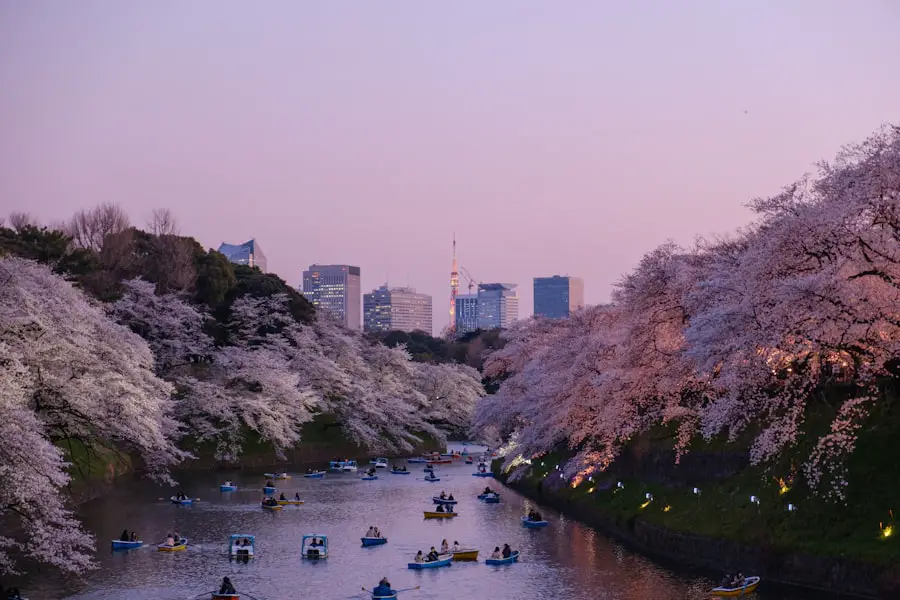
As summer temperatures cool, Japan’s landscapes undergo a dramatic colorful transformation. The seasonal leaf-viewing tradition, known as koyo or momijigari, draws foliage enthusiasts eager to see vibrant crimson maples (momiji) and golden ginkgo trees. Because foliage color changes depend on elevation and temperature drops, peak viewing shifts gradually from Hokkaido in October down to central Japan by late November.
Renowned leaf-peeping destinations include Kyoto’s Arashiyama and Tofuku-ji Temple, as well as the mountain sanctuaries of Nikko and Hakone. Autumn holds cultural importance as a time of reflection and harvest gratitude. Many shrines host autumn festivals featuring seasonal agricultural offerings like sweet potatoes, chestnuts, and persimmons.
Winter: Skiing and Snow Festivals
Winter turns Japan’s northern regions and mountainous spine into a haven for snow sports. Cold Siberian winds picking up moisture over the Sea of Japan create exceptionally dry, powdery snow ideal for skiing and snowboarding.
Premier Japanese Winter Destinations
| Destination | Average Snowfall | Ski Runs/Courses | Key Highlights |
| Niseko (Hokkaido) | ~500+ inches | 70+ courses | World-famous deep powder, Mt. Yotei views, vibrant dining. |
| Hakuba (Nagano) | ~400+ inches | 130+ courses | Host of the 1998 Winter Olympics, steep terrain, alpine vistas. |
| Zao Onsen (Yamagata) | ~350+ inches | 30+ courses | Natural sulfur hot springs and famous “snow monsters” (Juhyo). |
Winter also brings snow festivals celebrating ice architecture. The internationally acclaimed Sapporo Snow Festival in Hokkaido takes place every February, featuring enormous ice sculptures illuminated at night. Visitors can warm up after outdoor excursions by soaking in volcanic hot springs (onsen) and enjoying regional winter soups like Hokkaido soup curry or hot pot dishes (nabe).
Products Worth Considering

PROTECT EARTH WITH OUR GAIA FRIENDLY BEANIE - Before organic cotton is planted, the soil must be free of unnatural additives for 3 years and approved by specialised personel. So you can feel at ease while using our beanie!

PROTECT EARTH WITH OUR GAIA FRIENDLY BEANIE - Before organic cotton is planted, the soil must be free of unnatural additives for 3 years and approved by specialised personel. So you can feel at ease while using our beanie!
Off-peak Season: Avoiding Crowds
Travelers seeking peaceful sightseeing and lower travel costs should consider Japan’s shoulder and off-peak periods. Late autumn (late November to early December) and winter outside holiday weeks (mid-January through February) experience lower visitor numbers.
During off-peak months, hotel rates drop considerably and popular landmarks—such as Kyoto’s Fushimi Inari Shrine or Tokyo’s Senso-ji—can be explored without heavy congestion. Flights are typically more affordable, allowing travelers to stretch their budgets toward memorable dining and unique local tours.
Golden Week: Japan’s Busiest Travel Period
Golden Week is a sequence of four national holidays taking place within seven days from late April to early May (Showa Day, Constitution Memorial Day, Greenery Day, and Children’s Day). It represents one of the year’s busiest travel periods for domestic Japanese tourists.
Warning: During Golden Week, train bookings (including Shinkansen bullet trains), domestic flights, and hotel accommodations sell out months in advance. Expect long queues at major attractions. If traveling during this week, reserve all transport and lodging as early as possible.
Typhoon Season: Weather Considerations
Japan’s typhoon season extends from June through October, with activity generally peaking in August and September. Severe tropical storms can bring heavy rainfall, strong wind gusts, and temporary public transit interruptions.
Pro Tip: Install official weather and travel monitoring applications such as Japan Travel by NAVITIME or the official JNTO Safety Tips app to receive real-time weather alerts and train service notifications while traveling.
New Year: Traditional Celebrations and Customs
New Year, or Oshogatsu (January 1–3), is one of Japan’s most important family holidays. Preparations begin in late December with deep cleaning rituals (o-soji) designed to welcome good fortune for the upcoming year.
On New Year’s Eve, Buddhist temples ring their large bronze bells 108 times (joya no kane) at midnight to cleanse the 108 worldly desires. On New Year’s Day, citizens gather at shrines and temples for hatsumode—the year’s first shrine visit—to pray for health and luck. Special celebratory dishes served during this period include osechi ryori (lacquered boxes of symbolic foods) and ozoni (mochi soup).
Frequently Asked Questions
What is the overall best time to travel to Japan?
The spring months (March to May) and autumn months (September to November) offer the mildest weather, comfortable temperatures, and iconic scenery like cherry blossoms and red foliage.
What weather conditions should I expect during peak season?
Spring brings mild temperatures ranging from 10°C to 20°C (50°F–68°F). Autumn features cool breezes with crisp days between 12°C and 21°C (54°F–70°F), ideal for outdoor sightseeing.
Are there major festivals during the spring and autumn months?
Yes. Spring is famous for Hanami festivals nationwide, while autumn features harvest celebrations and night illuminations at historic temples in Kyoto and Nara.
Which tourist attractions are best visited during peak seasons?
For spring cherry blossoms, visit Tokyo’s Ueno Park, Kyoto’s Philosopher’s Path, or Mount Yoshino. For autumn foliage, Arashiyama in Kyoto and Nikko in Tochigi prefecture offer spectacular views.
What travel considerations should I keep in mind when planning?
Always reserve bullet train tickets and accommodations months ahead if traveling near Golden Week (late April to early May) or cherry blossom peak weeks. Consider travel insurance during typhoon season (June to October).
Sources
- Japan National Tourism Organization (JNTO) — Official weather trends, seasonal attractions, and holiday alerts.
- Japan Meteorological Agency (JMA) — Climate data, seasonal forecasts, and typhoon advisories.
- Japan Meteorological Corporation — Official cherry blossom (Sakura) forecast data.
