
Last Updated on July 23, 2026 by Daniel Globe
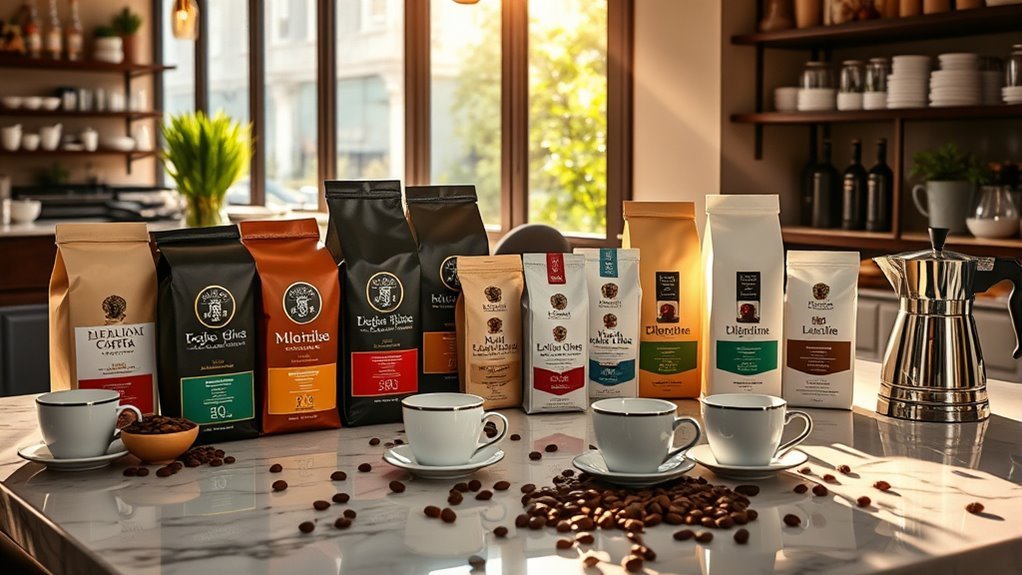
Choosing among the best Italian coffee brands is easier when you stop looking for one universal winner. Lavazza is versatile and widely distributed, illy suits people who prefer a smoother 100% Arabica profile, and Kimbo, Caffè Borbone, and Passalacqua lean toward fuller Neapolitan-style cups. Your best choice depends on your brewer, preferred intensity, and whether you drink coffee black or with milk.
Quick Answer
The best Italian coffee brand depends on how you brew. Choose Lavazza for reliable variety, illy for smooth 100% Arabica coffee, Kimbo or Caffè Borbone for bold Neapolitan-style espresso, Pellini or Vergnano for balanced premium blends, and Passalacqua for intense, complex cups. Segafredo, Musetti, and Bialetti also offer practical everyday choices.
Key Takeaways
- There is no single best brand for every drinker. Match the coffee to your espresso machine, moka pot, capsule system, or filter brewer.
- Arabica usually brings more aroma and softer acidity, while Robusta can add body, bitterness, caffeine, and thicker crema.
- A brand can sell several very different blends, so compare the exact product rather than judging only by the company name.
- Freshness, grind size, water, and brewing technique can affect your cup as much as the brand.
Disclosure: As an Amazon Associate I earn from qualifying purchases. Some links on this page are affiliate links, at no extra cost to you.
What Makes the Best Italian Coffee?
The best Italian coffee combines a suitable roast, a well-designed bean blend, fresh packaging, and the right grind for your brewer. “Italian coffee” normally refers to coffee roasted, blended, or developed by an Italian company. The green beans themselves usually come from coffee-growing regions in Africa, Asia, and Central or South America.
Do not assume that every Italian coffee is extremely dark. Major brands sell mild, medium, intense, Arabica-only, Arabica-Robusta, and decaffeinated options. The phrase Italian roast is also used differently by different sellers, so check the product’s intensity, tasting notes, and bean composition instead of relying on that label alone.
- Arabica: Often more aromatic, sweet, and nuanced, although the exact flavor depends on origin and roast.
- Robusta: Often stronger and more bitter, with more body, caffeine, and crema.
- Arabica-Robusta blend: A common choice for traditional-style espresso and milk drinks.
- 100% Arabica blend: A good starting point if you prefer a cleaner, smoother cup.
Note: Crema is one feature of espresso, not proof that the shot tastes good. Bean freshness, Robusta content, roast, pressure, and trapped carbon dioxide can all affect how much crema you see.
Best Italian Coffee Brands at a Glance
| Brand | Typical Positioning | Best Starting Point | Common Formats |
|---|---|---|---|
| Lavazza | Broad range from balanced to intense | Everyday espresso and moka coffee | Beans, ground, capsules, pods |
| Illy | Smooth 100% Arabica house style | Clean, balanced espresso | Beans, ground, E.S.E. pods, capsules |
| Kimbo | Fuller Neapolitan-style blends | Strong espresso and milk drinks | Beans, ground, capsules, pods |
| Caffè Borbone | Bold blends with strong body | Pods, capsules, and intense espresso | Beans, ground, capsules, E.S.E. pods |
| Caffè Vergnano | Balanced traditional and Arabica options | Refined everyday espresso | Beans, ground, capsules |
| Pellini | Premium, Arabica-led blends | Aromatic espresso served black | Beans, ground, capsules |
| Passalacqua | Rich Neapolitan blends with varied compositions | People who enjoy intense espresso | Beans, ground, selected pods |
| Segafredo | Accessible café-style blends | Espresso and cappuccino | Beans, ground, capsules |
| Musetti | Balanced café-oriented range | Smooth daily espresso | Beans, ground, capsules, pods |
| Bialetti | Moka-focused coffee from an equipment-led brand | Pre-ground coffee for moka pots | Ground coffee, beans in some markets |
These descriptions summarize broad brand positioning, not every product. Roast, bean mix, grind, and availability can differ by blend and country.
Lavazza: The Reliable Everyday Italian Coffee
Lavazza began in Turin in 1895, when Luigi Lavazza opened a store on Via San Tommaso. The company later became closely associated with blending coffees from different origins to create repeatable flavor profiles.
Lavazza is a practical starting point because its range covers several intensities, bean combinations, and brewing formats. Three familiar lines are:
- Qualità Rossa: A fuller everyday blend often chosen for moka pots, espresso, and milk drinks.
- Crema e Gusto: A more intense option for people who want greater body.
- Qualità Oro: A 100% Arabica option with a smoother, more aromatic direction.
Lavazza sells whole beans, ground coffee, capsules, and other portioned formats, although the exact selection varies by country. Choose the package prepared for your brewing method. Espresso-ground coffee may be too fine for some filter brewers, while moka-ground coffee is not always ideal for a pressurized espresso basket.
Illy: Smooth Arabica With Premium Balance
Francesco Illy founded illycaffè in Trieste in 1933. Its signature house blend uses 100% Arabica coffee, giving the brand a different starting point from traditional blends that include Robusta.
Illy is a strong choice when you prefer a balanced cup with less of the heavy, bitter character found in some darker Arabica-Robusta blends. Its main roast directions commonly include Classico, Intenso, and Forte, with availability depending on the product format and market.
You can find illy as whole beans, espresso-ground coffee, moka-ground coffee, E.S.E. pods, and Iperespresso capsules. Its pressurized cans are designed to protect aroma before opening. Once opened, close the container promptly and keep it away from heat, light, moisture, and strong odors.
Illy has also developed portioned brewing systems, but check compatibility carefully. Iperespresso capsules are not interchangeable with every capsule machine.
Kimbo: Bold Neapolitan Italian Coffee
The Rubino brothers founded the company that became Kimbo in Naples in 1963. Its identity is closely tied to Neapolitan espresso, which many drinkers associate with a fuller body, greater roast intensity, and a strong finish.
Kimbo’s exact bean origins and Arabica-Robusta ratios vary by product. Antica Miscela, Espresso Napoletano, and other regional product lines may also differ by country, so read the package rather than assuming every Kimbo coffee has the same composition.
Kimbo is best approached as a family of Neapolitan-style blends, not one fixed roast or flavor.
- Choose a stronger blend for cappuccino, latte, or other milk drinks.
- Choose a more Arabica-forward option when you plan to drink the espresso without milk.
- Match the grind or capsule format to your machine before buying.
Caffè Borbone: Strong Espresso With Great Crema
Caffè Borbone traces its modern history to Naples in 1997. It became especially visible through single-serve coffee, including E.S.E. paper pods and capsules made for several machine systems.
The company’s color-coded blends make it easier to choose an intensity:
- Blue: Positioned as a balanced, full-bodied option.
- Black: A stronger, darker direction.
- Red: Designed for people who want a forceful, intense cup.
- Gold or Oro: A smoother premium-positioned option.
- Green or Dek: A decaffeinated choice.
Names, packaging, and compatibility vary between markets. A product marked for Nespresso Original, Dolce Gusto, Lavazza A Modo Mio, Bialetti, or another system will only work with the listed system. Do not choose a capsule based on brand name alone.
Caffè Borbone is a useful option when you want a dense, assertive espresso that remains noticeable in milk. Its blends may produce generous crema, but judge the cup by aroma, sweetness, bitterness, body, and aftertaste rather than crema thickness alone.
Caffè Vergnano: Balanced Italian Coffee With Character
Domenico Vergnano started the family business in Chieri in 1882. The company’s historical timeline also records the purchase of a coffee farm in Kenya in 1930. That is a historical milestone and should not be read as confirmation of the company’s current plantation holdings.
Vergnano uses slow-roasting and blending as central parts of its brand identity. Its current 1882 professional range includes Original, Strong, Very Strong, and 100% Arabica versions, each aimed at a different balance of aroma, intensity, body, and crema.
- Original: A balanced starting point for traditional espresso.
- Strong: Better suited to people who prefer more intensity or add milk.
- Very Strong: The boldest direction in the range.
- 100% Arabica: A smoother option for aroma-focused drinkers.
Vergnano works well when you want an established Italian brand but do not want to be limited to one roast style. Check whether the package is intended for espresso, moka, capsules, or another method.
Pellini: Elegant Italian Coffee for Espresso Lovers
Pellini was founded in Verona in 1922. The family company initially worked with herbs and expanded into coffee importing in 1946. Its premium Pellini TOP range arrived in the 1990s.
Pellini is a good match for drinkers who value aroma, smoothness, and a cleaner espresso profile. The exact composition varies, but several prominent products are Arabica-led or made entirely with Arabica.
| Feature | What You Get | Why It Matters |
|---|---|---|
| TOP Originale | 100% Arabica premium blend | Suitable for a smoother espresso |
| Arabica-led options | Aromatic, less forceful profiles | Useful when you drink coffee black |
| Origin-specific roasting | Roast curves selected for different beans | Helps preserve distinct aromatic qualities |
| Multiple formats | Beans, ground coffee, and capsules | Lets you match the coffee to your brewer |
| Premium positioning | Refined blends and packaging | Best for aroma-focused drinkers |
Pellini may be less widely stocked than Lavazza or illy in some countries. Buying whole beans from a seller with regular stock turnover can give you more control over freshness and grind.
Passalacqua: Cult-Favorite Italian Coffee
Passalacqua was founded as a family coffee company in 1948, using a small roaster near Naples. Its range now includes blends with very different bean compositions and price levels, including Cremador, Mexico, Moana, and Harem.
Passalacqua is often chosen by people who want a rich Neapolitan-style cup with a strong aroma and long finish. Do not assume that every blend is equally dark or contains the same Arabica-Robusta ratio. Harem, for example, is positioned as a 100% Arabica blend made from ten origins, while other products follow different recipes.
Rich Neapolitan Flavor
Passalacqua’s fuller blends can work especially well as short espresso or in drinks where the coffee must remain noticeable through milk. Depending on the blend and recipe, you may find cocoa, roasted nut, caramel, fruit, or spice-like notes.
- Harem: A premium 100% Arabica option for aroma and complexity.
- Mexico: A well-known house blend with a rich espresso profile.
- Cremador: A practical choice for people seeking body and crema.
Flavor descriptions are not guarantees. Your grinder, dose, water, temperature, and extraction time determine which qualities appear in the cup.
Brewing Challenges Explained
Passalacqua is not inherently more difficult to brew than every other Italian coffee, but some intense blends can become bitter when the grind is too fine, the water is too hot, or the extraction runs too long. Start with the brewing guidance for your machine, then make one adjustment at a time.
- If espresso runs too slowly and tastes dry or bitter, use a slightly coarser grind.
- If it runs too quickly and tastes thin or sharp, use a slightly finer grind.
- If moka coffee sputters aggressively, reduce the heat and remove the pot from the stove when the upper chamber is nearly full.
Segafredo, Bialetti, and Musetti Compared by Flavor
Segafredo, Bialetti, and Musetti serve different buyers. Segafredo offers a broad café-style range, Bialetti connects its coffee closely to moka-pot brewing, and Musetti offers traditional espresso blends with several intensity levels. Comparing them fairly requires looking at the exact product rather than treating each brand as one flavor.
Segafredo: Accessible Café-Style Coffee
Segafredo dates its brand history to 1973 and is part of the Massimo Zanetti Beverage Group. Its broad distribution and food-service presence make it a practical choice for espresso, cappuccino, and other milk-based drinks.
Some Segafredo blends are intense and Robusta-forward, while others are smoother. Check the intensity scale and bean information because the company name alone does not tell you how a specific bag will taste.
Bialetti: Coffee Designed for the Moka Pot
Bialetti is best known for the Moka Express rather than coffee roasting alone. Its Perfetto Moka products are ground with moka-pot use in mind, which makes them convenient for people who do not own a grinder.
This specialization is Bialetti coffee’s main advantage. It is not automatically thinner or less refined than coffee from a dedicated roaster, but you have fewer ways to adjust the grind when buying it pre-ground.
Pro Tip: When using a moka pot, fill the basket loosely and level the coffee without tamping it. Bialetti’s own Moka Express instructions say not to press the grounds down.
Musetti: Balanced Italian Espresso
Luigi Musetti founded La Casa del Caffè in Piacenza in 1934. The company later expanded its roasting, packaging, training, and international café business.
Musetti offers both smooth and intense blends, including Arabica-only and Arabica-Robusta choices. It is a good brand to explore when you want traditional Italian espresso without committing to the darkest possible roast.
How to Choose the Right Italian Coffee Brand
Start with your brewing method, then narrow the choice by roast intensity, bean composition, format, and how you drink the coffee. A high-quality bag can still disappoint when its grind or roast is poorly matched to the brewer.
| Factor | What to Look For |
|---|---|
| Brewer | Coffee ground or packaged for espresso, moka, filter, capsules, or E.S.E. pods |
| Roast | Medium or balanced for more aroma; darker or more intense for heavier body |
| Beans | 100% Arabica for a smoother direction; Arabica-Robusta for more force and crema |
| Milk use | More body and intensity if you regularly make cappuccino or latte |
| Freshness | An intact package, regular seller turnover, and a recent roast date when available |
| Convenience | Whole beans for control, pre-ground for speed, or compatible pods and capsules |
Match the Coffee to Your Brewer
- Espresso machine: Buy whole beans when possible and adjust the grinder to control shot time and flavor.
- Moka pot: Use a grind finer than drip coffee but normally coarser than espresso-machine powder. Do not tamp the basket.
- Filter or French press: Avoid coffee ground specifically for espresso unless you can change the grind.
- Capsule machine: Confirm the exact system before ordering.
- E.S.E. pod machine: Look for the standardized 44 mm paper-pod format supported by your machine.
Choose for Black Coffee or Milk
If you drink espresso black, you may prefer the aromatic balance of illy, Pellini, Vergnano 100% Arabica, or selected Lavazza blends. If you add steamed milk, a fuller Kimbo, Caffè Borbone, Segafredo, Passalacqua, or Lavazza blend may retain more character.
These are starting points rather than strict rules. A darker coffee can taste enjoyable black, and a smooth Arabica can work beautifully in a cappuccino when you use enough coffee.
Check Freshness and Storage
Whole beans give you the most control because you can grind immediately before brewing. Pre-ground bricks, tins, pods, and capsules trade some control for convenience and consistency.
- Keep coffee in a tightly closed container away from heat, light, and moisture.
- Do not leave a large bag open for weeks if you only brew occasionally.
- Buy a size you can finish while the aroma still tastes lively.
- Do not store coffee beside spices or other strongly scented foods.
Pro Tip: When comparing two brands, brew them with the same dose, water, cup size, and method. Changing several variables at once makes it difficult to tell whether the coffee or the recipe caused the difference.
How to Brew Italian Coffee Better
You do not need professional equipment to improve your cup. Focus on repeatability and make small adjustments.
- Use suitable water: Very hard water can mute flavor and create scale, while heavily distilled water can produce a flat cup.
- Measure consistently: Use the same coffee dose and beverage amount each time.
- Adjust the grind: Finer grounds slow the flow; coarser grounds speed it up.
- Control heat: High heat can make moka coffee surge and taste harsh.
- Clean the brewer: Old coffee oils can add stale or bitter flavors.
- Taste before adding sugar: This helps you judge whether the bitterness comes from the coffee or the brewing method.
Warning: Coffee can worsen reflux, indigestion, or stomach discomfort in some people. No Italian brand, bean species, roast level, or brewing method is guaranteed to be safe for gastritis or GERD. Persistent pain, swallowing problems, vomiting, bleeding, black stools, chest pain, or unexplained weight loss requires medical advice.
Frequently Asked Questions
What Is the Most Popular Coffee in Italy?
Espresso is one of Italy’s defining coffee preparations, but it is a drink style rather than a brand. There is no single coffee company that every Italian household or café uses. Preferences vary by region, local roaster, café contract, brewing method, and personal taste.
What Coffee Is Good for Gastritis?
No coffee is universally recommended for gastritis. Coffee may worsen upper-abdominal discomfort, nausea, or indigestion in some people, while others tolerate it. Gastritis can have causes that require treatment, including H. pylori infection or medication-related irritation. Reduce or stop coffee if it triggers symptoms and discuss persistent symptoms with a healthcare professional.
Is Lavazza Coffee Really From Italy?
Lavazza is an Italian company founded in Turin in 1895. Like other large Italian coffee companies, it buys green coffee from coffee-growing countries and develops, roasts, blends, and packages its products through an international operation. “Italian coffee” describes the brand and roasting tradition, not an Italian agricultural origin for every bean.
Which Coffee Is Best for GERD?
No brand or roast is proven best for everyone with GERD. Coffee and caffeine trigger reflux in some people but not others. You can track your symptoms while testing a smaller serving, less frequent use, or decaffeinated coffee. Stop drinking it if symptoms worsen, and seek medical advice for frequent or severe reflux.
Are Italian Coffee Beans Grown in Italy?
Most beans sold by Italian coffee brands are grown in tropical coffee-producing countries rather than Italy. Italian companies build their identity through sourcing, blending, roasting, packaging, equipment, and espresso culture.
Which Italian Coffee Brand Is Best for a Moka Pot?
Lavazza, Kimbo, Illy, Bialetti, Caffè Borbone, and Passalacqua all sell products that can work well in a moka pot. The best choice depends on intensity and grind. Bialetti Perfetto Moka is convenient because it is prepared for moka brewing, while whole beans from another brand give you more control if you own a grinder.
Conclusion
The best Italian coffee brand is the one that fits your brewer and the way you like to drink coffee. Lavazza offers variety, illy provides a smooth Arabica-focused style, and Kimbo or Caffè Borbone suit people who want a stronger Neapolitan direction. Vergnano and Pellini offer balanced premium options, while Passalacqua rewards drinkers who enjoy exploring rich blends.
Segafredo, Musetti, and Bialetti also deserve consideration when their formats and flavor profiles match your routine. Compare the exact blend, buy a suitable grind, store it carefully, and adjust your brewing recipe before deciding whether a brand works for you.
Sources
- Lavazza Official History — supports the company’s Turin origin and 1895 founding date.
- illycaffè Official History — supports the company’s 1933 founding in Trieste.
- Kimbo Official History — supports the Rubino brothers and 1963 founding date.
- Caffè Vergnano Official History — supports its 1882 origin in Chieri.
- Pellini Official History — supports its 1922 foundation and later expansion into coffee.
- National Institute of Diabetes and Digestive and Kidney Diseases: GERD Diet and Nutrition — supports the individualized warning about coffee and reflux symptoms.
