
Last Updated on July 24, 2026 by Daniel Globe
Italy’s lakes range from glamorous Alpine resorts to quiet volcanic shores, so the best choice depends on the trip you want. Lake Como suits villa lovers, Lake Garda is strongest for active holidays, Lake Maggiore combines islands and gardens, and smaller lakes such as Orta, Iseo, Scanno, and Bolsena offer a slower pace.
Quick Answer
The most beautiful lakes in Italy include Como, Garda, Maggiore, Iseo, Orta, Braies, Scanno, Trasimeno, Bolsena, and Bracciano. Choose Como for villas, Garda for outdoor sports, Maggiore for islands, Orta or Iseo for quieter towns, Braies for Dolomite scenery, and the central Italian lakes for cycling, swimming, and historic villages.
Key Takeaways
- Best for classic scenery: Lake Como and Lake Maggiore pair mountains, historic villas, gardens, and ferry trips.
- Best for active travel: Lake Garda offers strong wind conditions, hiking, sailing, and a growing network of cycle routes.
- Best for fewer crowds: Lake Orta, Lake Iseo, Lake Scanno, and Lake Bolsena usually feel calmer than the most famous northern lakes.
- Best planning rule: Check seasonal ferries, trail conditions, parking rules, and water-sport restrictions before your trip.
Disclosure: As an Amazon Associate I earn from qualifying purchases. Some links on this page are affiliate links, at no extra cost to you.
How to Choose the Right Italian Lake
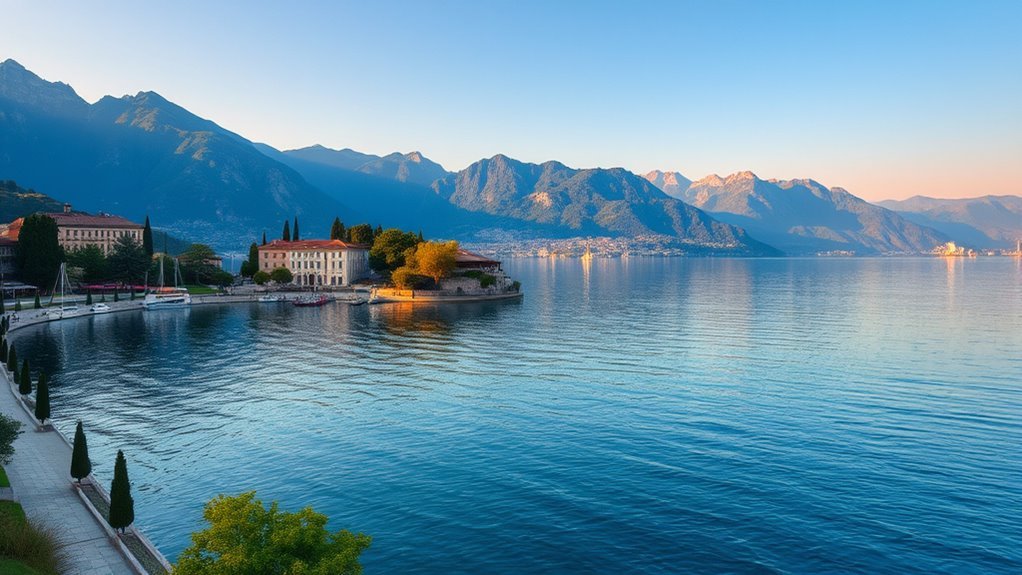
Start with your preferred pace. Lake Como is polished and romantic, with famous villas, ferry-linked towns, and steep mountain scenery. Lake Garda is larger and more varied, with family resorts in the south and windier, more rugged landscapes in the north. Lake Maggiore works well when you want island palaces, botanical gardens, and easy access to both Italy and Switzerland.
For a quieter stay, consider Lake Orta or Lake Iseo. Lake Braies is ideal for a short Dolomite stop rather than a full resort holiday. Lake Trasimeno, Lake Bolsena, and Lake Bracciano combine water activities with historic towns in central Italy, while Lake Scanno offers a peaceful mountain setting in Abruzzo.
| Lake | Best For | Main Experience |
|---|---|---|
| Como | First-time visitors and couples | Villas, ferries, elegant towns |
| Garda | Families and active travelers | Water sports, hiking, cycling |
| Maggiore | Garden and culture lovers | Borromean Islands and mountain views |
| Iseo or Orta | Slower, quieter trips | Island villages and local walks |
| Braies | Photographers and hikers | Dolomite scenery and a lakeside loop |
| Trasimeno, Bolsena, or Bracciano | Road trips in central Italy | Cycling, swimming, and historic towns |
Lake Como: Glamour, Views, and Water Sports
Lake Como is the classic choice for dramatic mountain views, elegant waterfront towns, historic villas, and public boat trips. Bellagio, Varenna, Menaggio, and Como make convenient bases, but each has a different atmosphere. Bellagio feels lively and polished, Varenna is compact and romantic, Menaggio has a broad promenade, and Como offers the easiest city connections.
Scenic Towns and Villas
Bellagio and Varenna are known for steep lanes, waterfront walks, and gardens. Villa del Balbianello near Lenno is one of the lake’s best-known estates, while Villa Carlotta and Villa Monastero add art, architecture, and botanical collections. Opening days can change by season, so check each property before planning a villa-heavy itinerary.
Water Sports and Marinas
The northern lake around Domaso and Gravedona is popular for sailing, windsurfing, kitesurfing, kayaking, and stand-up paddleboarding. Conditions vary with wind and weather, so beginners should use a local school or rental operator instead of launching without guidance.
| Activity | Best Fit |
|---|---|
| Kitesurfing | Experienced riders and lessons |
| Sailing | Open-water exploration |
| SUP | Calm mornings and sheltered water |
| Kayaking | Close-up shoreline views |
Trails, Ferries, and Views
The Sentiero del Viandante follows the eastern side of the lake through villages and elevated viewpoints. From Como, the funicular climbs to Brunate for wider views. Public boats connect many lake towns, but routes and frequency change during the year, so check Navigazione Laghi before choosing a base or planning a same-day connection.
Pro Tip: Stay near a ferry pier if you do not plan to drive. Road travel around Lake Como can be slow, and parking is limited in several popular towns.
Lake Garda: Best for Active Holidays
Lake Garda is Italy’s largest lake and has the widest mix of resort towns, beaches, castles, thermal areas, hiking routes, and water sports. The northern shore around Riva del Garda and Torbole is framed by steep mountains, while the southern shore is flatter and better suited to relaxed family outings and visits to towns such as Sirmione and Peschiera del Garda.
Products Worth Considering

Toe Box & Heel: Narrower toe box and tighter heel compared to Competition last, with less overall volume than Sport last Outsole: 100% Carbon Fiber Sole by Lake Race,...
Water Sports Paradise
Torbole and Riva del Garda are major centers for sailing and windsurfing because of their regular local winds. You can also find kayaking, canoeing, and guided water activities around the lake. Always follow local weather advice, wear a buoyancy aid, and avoid exposed water when storms or strong winds are forecast.
Scenic Cycling Trails
The planned Ciclovia del Garda is a roughly 140-kilometer route around the lake, but it is not yet one continuous protected cycle path. Some sections are complete, while others remain under construction or use ordinary roads. The Sentiero del Ponale near Riva del Garda is a famous elevated route, and easier cycle paths connect parts of the northern and southern shores. Check the current route status before promising yourself a full lakeside circuit.
Note: The 140-kilometer Garda cycleway is an ongoing infrastructure project, not a fully finished traffic-free loop. Plan section by section and check closures or construction updates.
Lake Maggiore: Islands, Trails, and Swiss Views
Lake Maggiore stretches across Piedmont, Lombardy, and Switzerland. Its strongest attractions are the Borromean Islands, lakeside towns such as Stresa and Verbania, historic villas, and botanical gardens. Isola Bella is known for its palace and terraced gardens, Isola Madre for its garden landscape, and Isola dei Pescatori for its small village and restaurants.
The lake also works well for boat trips, easy promenades, and mountain excursions. Stresa is a practical base for island visits, while Verbania places you near Villa Taranto. Because many island and garden attractions operate seasonally, check official opening dates before traveling outside spring and summer.
Lake Iseo: Quiet Shores and Monte Isola
Lake Iseo, also called Sebino, is smaller and usually less crowded than Como or Garda. Monte Isola rises from the center and is the largest island in an Italian lake. Ferries reach the island from shoreline towns, and its narrow lanes, fishing villages, walking routes, and lake views reward a slower visit.
Iseo, Lovere, and Sulzano are useful bases. You can combine waterfront walks with cycling, hiking toward Corna Trentapassi or Monte Guglielmo, and visits to the nearby Franciacorta wine area. Water activities are available, but the lake’s main appeal is its relaxed scale rather than a long list of major attractions.
Lake Orta: Island Village and Quiet Charm
Lake Orta is one of the best alternatives to the larger northern lakes. Orta San Giulio has a pedestrian-friendly historic center, a waterfront square, and boats to Isola di San Giulio. The island is small, peaceful, and known for its basilica and circular walking lane.
Above the town, the Sacro Monte di Orta offers chapels, wooded paths, and lake views. Lake Orta suits couples, walkers, and travelers who prefer compact towns and a slower schedule. It is easy to pair with Lake Maggiore, but staying overnight lets you enjoy the waterfront after day visitors leave.
Lake Braies: The Alpine Lake Everyone Photographs
Lake Braies, or Pragser Wildsee, sits at about 1,490 meters in the Fanes-Sennes-Braies Nature Park. Its green-blue water and Croda del Becco backdrop make it one of the Dolomites’ most photographed lakes. It is best treated as a protected mountain destination, not a general water-sports lake.
Alpine Beauty
Early morning and late afternoon usually offer softer light and a calmer atmosphere. Weather can change quickly at this elevation, so bring layers even in summer. Autumn can be especially colorful, while winter conditions may cover the path with snow or ice.
Hiking and Boating
The official circular route is about 4.8 kilometers. The western side is easier, while the eastern side includes narrower sections and steps. Seasonal rowing-boat rental may be available at the boathouse, but visitors may not bring their own boats or stand-up paddleboards into the protected lake. Check the official Braies visitor site for current access, parking, shuttle, trail, and boating information.
| Option | Best Time | Why |
|---|---|---|
| Lake loop | Morning | Softer light and cooler walking |
| Rowing boat | Operating season | Close views from the water |
| Longer hike | Stable weather | Deeper Dolomite scenery |
| Winter visit | Prepared conditions | Snowy landscape and fewer services |
Warning: Do not assume the full lakeside path is accessible in snow, ice, or severe weather. Wear suitable footwear and follow closures or local safety notices.
Lake Scanno: A Peaceful Lake in Abruzzo
Lake Scanno is the largest natural lake in Abruzzo and lies at about 922 meters above sea level. It offers a quiet mountain setting for picnics, easy waterside time, pedal boats, and nearby walking or cycling. The historic town of Scanno adds stone lanes, viewpoints, and local character to a short lake visit.
Lake Scanno is best for travelers who value mountain calm, simple outdoor time, and a historic Abruzzo town more than a busy resort scene.
- Enjoy a picnic or slow walk beside the water.
- Rent a pedal boat when seasonal services are operating.
- Explore nearby cycling and walking routes suited to your fitness level.
- Visit Scanno’s historic center and viewpoints.
Lake Trasimeno: Cycling, Sailing, and Villages
Lake Trasimeno is the largest lake in central Italy and sits in Umbria near the Tuscan border. Castiglione del Lago, Passignano sul Trasimeno, and Tuoro sul Trasimeno make useful bases for waterfront walks, local food, boat trips, and village sightseeing.
A popular cycling circuit is about 69 kilometers, but it is not a single fully protected bicycle lane. Expect a mix of cycle paths, minor roads, and changing surfaces. The separate Trasimeno Route is a longer ring of about 160 kilometers through the surrounding countryside and villages. Kayaking, sailing, and windsurfing are also available in suitable conditions.
Lake Bolsena: Volcano Scenery and Water Adventures
Lake Bolsena in northern Lazio is widely described by official Italian tourism sources as Europe’s largest lake of volcanic origin. Its broad water, dark volcanic landscape, and historic towns make it a strong road-trip stop between Rome, Tuscany, and Umbria.
- Kayak, sail, windsurf, or use a pedal boat where rentals operate.
- Visit Bolsena, Marta, Capodimonte, or Montefiascone.
- Walk or cycle sections connected with the Via Francigena.
- Try local freshwater fish dishes from established restaurants.
Lake conditions and designated swimming areas can vary, so follow local signs rather than assuming every shoreline is suitable for entering the water.
Lake Bracciano and Gargano’s Hidden Lakes
Lake Bracciano lies north of Rome in an ancient volcanic basin. It supports swimming, sailing, windsurfing, canoeing, and other low-impact activities. Bracciano’s medieval center and the Orsini-Odescalchi Castle add an easy cultural stop. Regional rules generally prohibit boats powered by internal-combustion engines, with limited official exceptions, which helps protect the reservoir.
Farther south, Gargano National Park contains the coastal lagoons of Lesina and Varano. They are separated from the Adriatic by narrow strips of land and form one of southern Italy’s most important brackish wetland systems. These are better for birdwatching, guided nature outings, fishing culture, walking, and cycling than for a classic Alpine-lake holiday. Follow protected-area rules and use local guides where access is sensitive.
Best Time to Visit Italy’s Lakes
Late spring and early autumn often provide comfortable walking weather and fewer visitors than the busiest summer weeks. Summer brings the fullest ferry and rental schedules, but also higher demand, hotter afternoons at lower-elevation lakes, and more crowded parking. Winter can be attractive at mountain lakes, although trails, boats, villas, and seasonal attractions may close.
- April to June: Good for gardens, hiking, and sightseeing, with variable rain and cooler water.
- July and August: Best for a full resort atmosphere and water activities, but busiest around famous towns.
- September and October: Often good for walking, cycling, and a calmer pace, with shortening service schedules.
- November to March: Best for quiet towns or winter scenery, but check closures carefully.
How to Plan a Multi-Lake Trip
Avoid trying to see every lake in one journey. Como, Maggiore, Orta, Iseo, and Garda can be combined on a northern Italy itinerary, but travel around the lakes is slower than a map may suggest. Braies belongs more naturally in a Dolomites route. Trasimeno, Bolsena, and Bracciano fit a central Italy road trip, while Scanno and Gargano require separate time farther south.
Choose one main base for every two or three nights. Use trains for gateway towns such as Como, Stresa, and Desenzano del Garda when practical, then rely on ferries, local buses, or short transfers. In protected or highly visited areas such as Lake Braies, confirm access rules before driving.
Frequently Asked Questions
Which is the prettiest Italian lake?
Beauty is subjective, but Lake Como is the classic choice for villas and steep mountain scenery. Lake Braies is stronger for a single dramatic Alpine view, while Lake Orta and Lake Iseo appeal to travelers who prefer quieter, smaller-scale landscapes.
Is Lake Como or Lake Maggiore better?
Choose Lake Como for famous villas, compact ferry-linked towns, and dramatic scenery. Choose Lake Maggiore for the Borromean Islands, botanical gardens, broader shorelines, and an itinerary that can extend into Switzerland.
Which Italian lake is best without a car?
Lake Como is one of the easiest choices without a car because trains reach Como and Varenna, and ferries connect many popular towns. Lake Maggiore also works well from Stresa. Always check seasonal boat and rail schedules before booking accommodation.
Which Italian lake is best for families?
Lake Garda is usually the strongest all-around family choice because it has many lakeside towns, beaches, boat services, outdoor activities, and flatter areas in the south. Families seeking a quieter stay may prefer Lake Trasimeno or Lake Bolsena.
Can you swim in Italy’s lakes?
Swimming is available at many Italian lakes, but not at every shoreline. Use designated beaches or bathing areas, follow local water-quality notices and signs, and avoid entering the water during storms, strong winds, or restricted conditions.
Conclusion
The best Italian lake is the one that matches your pace. Choose Como for villas and ferry-linked towns, Garda for active days, Maggiore for islands and gardens, or Orta and Iseo for quieter shorelines. Braies delivers a concentrated Dolomite experience, while Scanno, Trasimeno, Bolsena, and Bracciano reward travelers exploring central and southern Italy. Plan around seasonal transport, local rules, and realistic travel times, then leave enough space to enjoy the water rather than rushing from lake to lake.
Sources
- Italia.it: Active holidays at Italian lakes – official national tourism information for Garda, Iseo, Braies, Scanno, and Trasimeno.
- Navigazione Laghi – official timetables and notices for public navigation on Lakes Como, Garda, and Maggiore.
- Braies Valley Tourism Association – current Lake Braies access, trail, parking, shuttle, and boating information.
- Umbria Tourism: Trasimeno Cycle Route – official route and access information around Lake Trasimeno.
- VisitLazio: Lake Bracciano – official tourism information on activities and the protected lake setting.
- Gargano National Park: Coastal lagoons – official information on the Lesina and Varano lagoon system.
