
Last Updated on August 26, 2026 by Daniel Globe
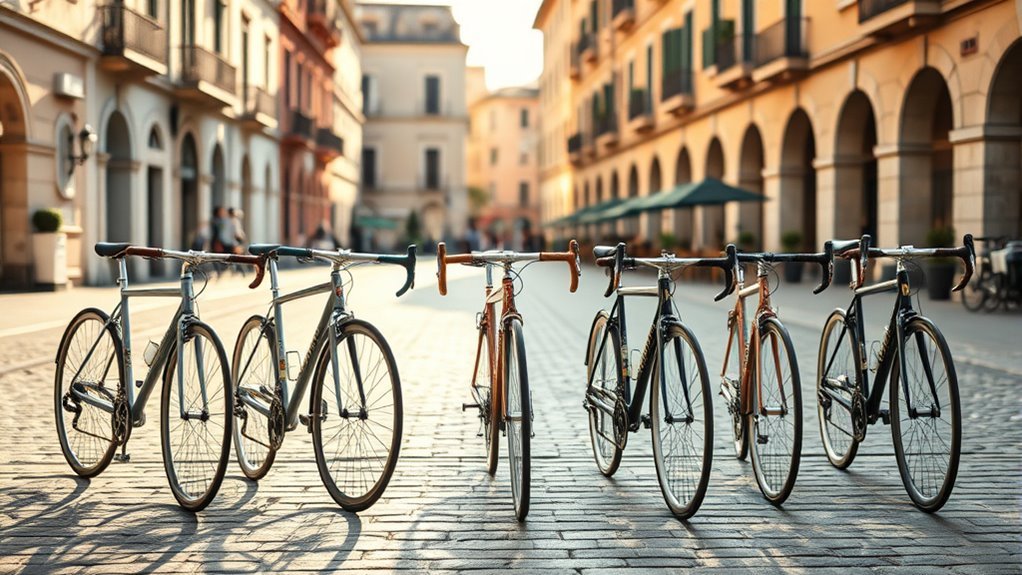
If you’re weighing the best Italian bicycle brands, the strongest names are Colnago, Pinarello, Bianchi, De Rosa, Basso, Wilier, 3T, and Cinelli — each known for racing heritage, carbon engineering, and fit. Colnago and Pinarello lead on Tour-proven performance, while Bianchi, Wilier, and De Rosa balance craftsmanship with speed. Basso, 3T, and Cinelli add lighter builds, aero focus, and distinctive design. The comparison and sections below show how each brand differs in practice.
Disclosure: As an Amazon Associate I earn from qualifying purchases. Some links on this page are affiliate links, at no extra cost to you.
Quick Comparison: Italian Road Bike Brands
Here’s a scan-friendly overview before you dive into details. Exact specs, model lineups, and pricing change over time, so treat this as a starting point and confirm current details on each brand’s official site.
| Brand | Founded | Best For |
|---|---|---|
| Colnago | 1952 | Overall pick / racing heritage |
| Pinarello | 1952 | Aerodynamic race performance |
| Bianchi | 1885 | Heritage and identity (Celeste) |
| Wilier | 1906 | Speed-focused aero builds |
| De Rosa | 1953 | Hand-built custom fit |
| Basso | 1977 | Refined looks with custom geometry |
| 3T | 1961 | Aero components and frames |
| Cinelli | 1948 | Distinctive design and fit culture |
Note: founding years and historical details reflect commonly cited brand history; confirm current model lineups, specs, and pricing directly with each manufacturer, as these change by model year.
Why Italian Road Bikes Still Lead the Pack
Italian road bikes have a long reputation for blending race-proven craftsmanship with ongoing engineering development. Colnago and Pinarello have been associated with elite racing since the 1950s, while Bianchi and Wilier have continued refining frames with lighter carbon, improved aerodynamics, and cleaner integration over the decades. These developments generally aim to reduce drag and weight, which can help with handling and efficiency, though real-world gains vary by rider and setup. Italy’s broader cycling culture — favorable riding weather, a strong enthusiast base, and deep racing history — has also supported sustained demand for performance-oriented bikes. Models like the Bianchi Specialissima and Pinarello Dogma F line illustrate how traditional building skill and modern engineering can coexist in one frame.
How to Choose the Best Italian Road Bike
Start by comparing frame materials, since carbon, aluminum, and titanium each offer different weight, stiffness, and durability tradeoffs. Also verify fit and geometry, since stack, reach, and handling characteristics directly affect comfort and efficiency. Matching material choice to your riding demands and geometry to your body dimensions will narrow your options quickly — ideally with an in-person fitting or demo ride before you commit.
Frame Material Choices
Three frame materials dominate the Italian road bike market: carbon fiber, aluminum, and titanium. Carbon fiber typically offers the lowest weight and highest stiffness-to-weight ratio; bikes like the Bianchi Specialissima and Pinarello Dogma line lean on advanced composites for speed and aerodynamic efficiency. Aluminum is generally a more affordable platform that still offers solid performance and durability, which can suit newer riders or tighter budgets. Titanium, as seen in Passoni frames, tends to balance low weight with strong shock absorption, helping comfort on rough roads without sacrificing control. For riders who want tailored options, the Colnago C68 offers material combinations (full-carbon or carbon/titanium lug construction) that let you match the frame to your priorities.
Fit And Geometry
Fit and geometry are the biggest determinants of how an Italian road bike feels and performs, since frame dimensions directly shape comfort, efficiency, and handling. Anchor sizing to your height and inseam, then compare geometry against your riding goals.
| Feature | Effect |
|---|---|
| Wheelbase | Stability |
| Head tube angle | Steering response |
| Frame size | Posture and power |
| Custom geometry | Fit precision |
Brands like Colnago and Passoni can tailor dimensions, while Bianchi and Pinarello offer frames suited to aggressive racing or more relaxed riding. Test several setups through dealers or demo days where possible, since small geometry changes can meaningfully affect comfort and efficiency.
Colnago: The Icon of Italian Road Bikes — Best Overall
Colnago, founded in 1952, has a long-standing racing record, including associations with Tour de France-level competition and riders such as Tadej Pogačar (sponsorships can change season to season, so confirm current team affiliations if that matters to you). That heritage carries into the C68, which extends the brand’s lugged carbon frame approach with a modular, customizable platform.
Colnago Racing Heritage
Colnago’s racing history traces back to its 1952 founding by Ernesto Colnago, with decades of frame development that made the brand a fixture in professional cycling. Its lugged-frame construction and assembly process are generally aimed at efficient power transfer and handling precision. Colnago-ridden teams have recorded wins in the Tour de France and other major events over the years, which speaks to sustained credibility in the pro peloton, though specific results vary by season and rider.
C68 Design Evolution
The C68 shows how Colnago has evolved its road-bike design. It uses a lugged carbon structure joining the top tube, down tube, and seat tube for stiffness and load transfer, with customizable geometry enabled by 3D-printed titanium lugs — letting riders tune fit rather than accept a fixed frame size.
| Feature | Data |
|---|---|
| Full-carbon frame | From approx. €5,650* |
| Carbon/titanium frame | From approx. €6,600* |
Complete bikes have historically started around €13,260*, though pricing varies by region, spec, and model year. *Confirm current pricing directly with Colnago or an authorized dealer before purchasing. The C Series generally pairs traditional frame-building craftsmanship with a more modern, adjustable-fit approach.
Pinarello: Speed, Style, and Tour-Winning Tech — Best for Aero Performance
Pinarello, founded in 1952, has built a reputation combining aerodynamic engineering with race-oriented design, and has been associated with Tour de France winners including Chris Froome and Geraint Thomas in past seasons. The Dogma F line uses fully integrated frames and hidden cable routing aimed at reducing drag, with newer generations generally lighter than earlier models (exact weight savings vary by frame size and build, so treat specific gram figures as approximate). Pinarello also offers both disc and rim brake builds on some models, so you can choose the setup that fits your riding conditions.
Bianchi: Heritage, Performance, and Celeste Paint — Best for Brand Heritage
Founded in 1885, Bianchi has one of the longest continuous histories in Italian cycling. Its signature Celeste color has become a recognizable identity marker, and the brand’s history includes association with legendary riders such as Fausto Coppi and Marco Pantani.
- Oltre XR4: an aero-focused road frame for performance riders.
- Methanol range: built for varied riding demands.
- E-bikes: reflects Bianchi’s move toward electrified options alongside its performance line.
Bianchi generally combines traditional detailing with modern frame design, aiming to support both function and aesthetics across road, gravel, and e-bike categories.
Wilier: Italian Road Bikes Built for Speed — Best for Speed-Focused Aero
Founded in 1906, Wilier has a long racing history and has been associated with riders such as Vincenzo Nibali and events including the Giro d’Italia and Tour de France. Models like the Filante SLR use a fully integrated front end and internal routing aimed at reducing drag.
Wilier Racing Heritage
- Wilier uses carbon-fiber layups aimed at raising stiffness while managing weight.
- Frame design generally targets efficient power transfer during hard efforts.
- Distinctive Italian styling is paired with wind-tunnel-informed engineering.
Wilier has a history of testing designs in wind tunnels and real-world conditions as part of its development process.
Filante SLR Performance
The Filante SLR pairs aerodynamic design with internal hose routing and a fully integrated front end, aimed at reducing drag. Reported frame weight is roughly in the 7–8 kg range depending on build and size — confirm exact figures for your specific configuration. Mark Cavendish has raced the Filante SLR at the Tour de France in past seasons, which reflects a degree of pro-level trust in the platform, though team and equipment sponsorships can change.
De Rosa: Hand-Built Craftsmanship With Racing Edge — Best for Custom Fit
De Rosa, founded in 1953, is known for hand-built craftsmanship paired with racing-focused design. Its custom geometry options let riders match fit to body and riding style, which can reduce wasted effort over long rides.
Hand-built De Rosa frames combine racing geometry, tuned stiffness, and custom fit options for controlled, efficient performance.
- King 3: a lightweight model known for responsive handling and ride comfort.
- Race heritage: riders including Giovanni Lombardi have ridden De Rosa in competition.
- Modern process: combines traditional handwork with current manufacturing tolerances.
De Rosa is generally positioned as an engineering-first choice, with each frame reflecting a disciplined, hand-built production approach.
Basso: Beautifully Made Italian Road Bikes — Best for Design-Conscious Riders
Founded in 1977, Basso offers lightweight road bikes that pair Italian craftsmanship with carbon fiber engineering. Models such as the Diamante SV and Astra are built for speed and efficient power transfer while emphasizing clean lines and polished finishes.
Basso’s custom geometry options let riders tune fit and position. Professional riders, including Rui Costa, have ridden Basso in competition, which speaks to the brand’s performance credibility, though sponsorships can shift over time.
3T: Aero Innovation From an Italian Original — Best for Aero Components
Founded in Italy in 1961, 3T is known for designs that prioritize aerodynamics and performance, making it a strong option if you’re focused on aero components as well as frames. Its Strada platform combines geometry, tube shaping, and handling aimed at supporting fast riding.
- Carbon and other lightweight materials help keep weight down.
- Handlebars and stems are designed to cut drag and improve efficiency.
- Development is Italian-based and racing-focused.
3T is generally a practical choice for riders focused on aerodynamic gains, whether through a complete frame or aero components.
Cinelli: Italian Design With Road-Bike Character — Best for Distinctive Design
Founded in 1948, Cinelli has built a reputation for distinctive styling and practical performance, offering lightweight aluminum or carbon fiber frames. Cinelli’s historical handlebar geometry work (including the Giro d’Italia bar) has influenced cockpit fit conventions that are still referenced today. The brand is also known for collaborations with artists and designers that produce limited-edition bikes and accessories, and it has made moves toward more eco-conscious materials and processes in its production.
Frequently Asked Questions
What Is the Best Italian Bike Brand?
Colnago is frequently cited as an overall top pick due to its long racing heritage and Tour de France history. Pinarello is a close comparison for aero-focused performance, and Bianchi is often preferred by riders who prioritize brand heritage and identity.
Which Bikes Are Made in Italy?
Brands with Italian manufacturing ties include Colnago, Bianchi, De Rosa, and smaller specialist builders such as Sarto and Legend, which are known for handcrafted, made-in-Italy production. Note that even brands with Italian frame-building often source some components (groupsets, wheels) from outside Italy, so “made in Italy” typically refers to the frame rather than every part.
What Are Some of the Top Italian Bicycle Brands?
Colnago, Pinarello, Bianchi, Wilier, and De Rosa are commonly cited among the leading names, though this isn’t an objective ranking — Basso, 3T, and Cinelli are also well-regarded and may suit different priorities such as design, aero components, or custom geometry.
Is Colnago Still Made in Italy?
Colnago’s frames are generally designed and largely built in Italy, though as with most brands, some components are sourced from abroad. Confirm current manufacturing details with Colnago directly if this is important to your purchase decision.
Conclusion
If you’re weighing the best Italian road bikes, the pattern is fairly consistent: the strongest brands combine race-informed geometry, refined materials, and years of engineering development. Colnago, Pinarello, Bianchi, De Rosa, Basso, 3T, and Wilier, along with Cinelli, each bring a different strength — heritage, aerodynamics, custom fit, or distinctive design. The right choice ultimately comes down to which brand’s priorities match your budget, riding goals, and fit needs, so use the comparison table above as a starting point and confirm current specs and pricing directly with the brand or an authorized dealer before buying.
