
Last Updated on July 24, 2026 by Daniel Globe
The best classic Italian songs reach far beyond one style. This list includes Neapolitan standards, modern pop, romantic ballads, party favorites, and one famous opera aria. The ranking considers cultural influence, lasting popularity, global recognition, and how strongly each track represents a part of Italy’s musical history. Because taste is personal, the order is a guide rather than a final verdict.
Quick Answer
Ten essential classic Italian songs are “Nel blu dipinto di blu (Volare),” “’O sole mio,” “Funiculì Funiculà,” “Azzurro,” “Caruso,” “Con te partirò,” “Sarà perché ti amo,” “Felicità,” “L’italiano,” and “Nessun dorma.” Together, they cover Italian pop, Neapolitan song, romantic ballads, party music, and opera.
Key Takeaways
- “Volare” is the strongest single choice for a globally famous Italian pop classic.
- “’O sole mio” and “Funiculì Funiculà” represent the older Neapolitan song tradition.
- “Caruso” and “Con te partirò” bring dramatic vocal storytelling to modern audiences.
- “Sarà perché ti amo” and “Felicità” remain easy party and sing-along choices.
- Modern hits such as “Soldi,” “Brividi,” and “Zitti e buoni” belong in a wider Italian playlist, but they are not part of this classic top 10.
Note: “Best” is subjective. This ranking uses influence, longevity, recognition, and variety, not streaming totals alone.
Disclosure: As an Amazon Associate I earn from qualifying purchases. Some links on this page are affiliate links, at no extra cost to you.
10 Best Classic Italian Songs at a Glance
| Rank | Song | Best-Known Performer or Source | Year | Why It Belongs |
|---|---|---|---|---|
| 1 | Nel blu dipinto di blu (Volare) | Domenico Modugno | 1958 | A worldwide Italian pop standard with major Eurovision and Grammy history. |
| 2 | ’O sole mio | Neapolitan standard | 1898 | One of the most recognizable melodies linked with Naples and Italian singing. |
| 3 | Funiculì Funiculà | Luigi Denza and Peppino Turco | 1880 | A bright Neapolitan sing-along tied to the opening of the Mount Vesuvius funicular. |
| 4 | Azzurro | Adriano Celentano | 1968 | Its cheerful march and lonely summer story create a uniquely Italian contrast. |
| 5 | Caruso | Lucio Dalla | 1986 | A dramatic modern ballad shaped by the Neapolitan song tradition. |
| 6 | Con te partirò | Andrea Bocelli | 1995 | A defining classical-crossover song with a broad international audience. |
| 7 | Sarà perché ti amo | Ricchi e Poveri | 1981 | A fast, simple pop chorus built for parties, festivals, and group singing. |
| 8 | Felicità | Al Bano and Romina Power | 1982 | An upbeat duet whose direct theme and repeating hook travel easily across languages. |
| 9 | L’italiano | Toto Cutugno | 1983 | A famous portrait of Italian identity, daily life, pride, and contradiction. |
| 10 | Nessun dorma | From Puccini’s Turandot | 1926 | A triumphant opera aria that became familiar far beyond the opera house. |
What Makes Italian Songs Timeless
Classic Italian songs often combine a clear melody with strong emotional language. Love, absence, hope, pride, homesickness, and celebration appear in forms that listeners can understand even before they know every word. Open vowel sounds also suit sustained singing, while memorable refrains make many tracks easy to join after one or two listens.
The list also shows that “Italian music” is not one narrow genre. Neapolitan song, festival pop, singer-songwriter ballads, classical crossover, dance-pop, and opera all contribute to its international image. Major stages such as Sanremo and Eurovision helped some songs cross borders, while recordings, films, television, weddings, festivals, and family gatherings kept others alive.
Volare and the Birth of Modern Italian Pop
“Nel blu dipinto di blu,” better known as “Volare,” sits at the center of modern Italian pop history. Domenico Modugno performed it for Italy at the 1958 Eurovision Song Contest, where it finished third. Its result did not limit its reach. The song later won both Record of the Year and Song of the Year at the first Grammy Awards in 1959.
- Its full title is “Nel blu dipinto di blu,” while “Volare” is the familiar shortened name.
- Domenico Modugno and Franco Migliacci wrote the song.
- The wide melody and dreamlike image of flight make the chorus feel open and immediate.
- Many singers have recorded it, which helped it become an international standard.
“Nel blu dipinto di blu (Volare)” won the first Grammy awards for both Record of the Year and Song of the Year.
If you choose only one classic Italian pop song for a beginner’s playlist, “Volare” is the clearest starting point. It is joyful, historically important, and recognizable across generations.
O Sole Mio and Italy’s Most Famous Melody
“’O sole mio” is a Neapolitan song from 1898, not a modern Italian pop single. Giovanni Capurro wrote the words, while the music is associated with Eduardo di Capua and Alfredo Mazzucchi in the Museo e Real Bosco di Capodimonte’s overview of Neapolitan song. That distinction matters because the article should not describe Capurro as a composer.
The melody moves from a warm, lyrical opening into a broad refrain that gives trained singers room to show tone and breath control. Famous tenor recordings helped it travel far beyond Naples. The tune also inspired later adaptations. Elvis Presley’s official site describes “It’s Now or Never” as an adaptation of “’O sole mio”.
Its appeal comes from contrast. The song praises sunlight, but the deepest source of warmth is a beloved person. That simple idea gives the melody tenderness without making it difficult to follow.
Funiculì Funiculà and the Songs Everyone Sings
“Funiculì Funiculà” was written in 1880, with music by Luigi Denza and words by Peppino Turco. It celebrated the new funicular railway on Mount Vesuvius, which opened in 1880 according to the Funicolare Vesuviana historical archive. The transport link disappeared long ago, but the tune survived because it feels quick, bright, and playful.
Funiculì Funiculà Legacy
- Its rising phrases create a sense of movement.
- The repeated title makes the chorus easy to remember.
- Opera singers, popular performers, films, and public events carried it to new audiences.
- Its history gives listeners a direct link to late 19th-century Naples.
When you place it beside “’O sole mio” and “Volare,” you can hear three different periods of Italian music: an older Neapolitan celebration, a lyrical Neapolitan standard, and modern festival pop.
Crowd-Singing Italian Anthems
| Song | Shared Mood | Best Setting |
|---|---|---|
| ’O sole mio | Radiant and lyrical | Concerts and traditional playlists |
| Volare | Joyful and soaring | Parties and mixed-age gatherings |
| Azzurro | Bright with a lonely edge | Summer playlists and stadium crowds |
| L’italiano | Proud and nostalgic | Italian community events abroad |
These songs work in groups because their refrains are direct, their melodies are easy to recognize, and their emotional message arrives quickly. You do not need formal musical knowledge to join in.
Why Azzurro Became a National Favorite
Adriano Celentano released “Azzurro” in 1968. Paolo Conte and Vito Pallavicini wrote the song, and Treccani describes its lasting national popularity. The music feels sunny and almost like a march, yet the story centers on a person left alone in the city during summer.
- The chorus is short and easy to remember.
- The arrangement stays lively even when the words describe absence.
- The blue color in the title becomes a mood as much as an image.
- Radio play, public singing, and later performances kept it familiar.
That mix of sadness and energy is the main reason “Azzurro” endures. It lets a crowd sing together while the story remains personal and bittersweet.
Caruso and Con Te Partirò as Romantic Classics
“Caruso” and “Con te partirò” are younger than the Neapolitan standards, but both have become central to international ideas about Italian vocal music. They use large melodic lines, dramatic changes in intensity, and themes of love, distance, memory, and departure.
Emotional Vocal Storytelling
Lucio Dalla wrote “Caruso” in 1986 after spending time in Sorrento, at the hotel where tenor Enrico Caruso had stayed near the end of his life. Treccani describes the song as a meeting point between modern music and the great Neapolitan song tradition. Dalla does not copy an opera aria. Instead, he uses a modern ballad to create the scale and emotional pressure of one.
- The verses feel intimate and reflective.
- The refrain expands into a stronger vocal release.
- The melody supports both quiet storytelling and powerful singing.
- Many major performers have covered it without removing its Italian character.
Operatic Romance and Drama
Andrea Bocelli brought “Con te partirò” to the Sanremo Festival in 1995, as recorded in his official career timeline. The song blends pop structure with a classically trained vocal style. Its duet adaptation with Sarah Brightman, “Time to Say Goodbye,” helped it reach an even wider audience.
Although the title suggests leaving, the song is not simply about goodbye. Its emotional force comes from imagining a journey with another person. That gives the music hope as well as separation.
Timeless Love Dedication
- Choose “Caruso” for intense reflection, memory, and vocal drama.
- Choose “Con te partirò” for ceremonies, formal events, and a sense of uplift.
- Both songs suit listeners who enjoy long phrases and powerful voices.
- Neither requires an opera background to make an emotional impact.
Together, they show how modern Italian songs can borrow the scale of opera while remaining accessible as popular music.
L’italiano and Italian Identity
Toto Cutugno’s “L’italiano” appeared in 1983 and became one of his best-known songs internationally. Treccani notes that the song made Cutugno famous around the world. Its appeal comes from a series of familiar images about Italian habits, media, food, faith, style, and national pride.
The song is effective because it is affectionate without being a formal anthem. It presents identity through everyday details, including contradictions. For Italian communities abroad, the refrain can feel like a public statement of belonging, which explains why it often appears at festivals and cultural events.
Nessun Dorma and Opera’s Global Reach
“Nessun dorma” is not a stand-alone pop song. It is an aria for Calaf in Giacomo Puccini’s final opera, Turandot. The opera received its world premiere at La Scala on April 25, 1926, according to Teatro alla Scala. The aria belongs in this broader list because its closing rise and triumphant finish became recognizable to listeners who may never have attended a full opera.
For a playlist, place it near the end rather than among light dance tracks. Its slow build and large finish work best as a dramatic peak.
Italian Songs for Long-Note Practice
“Caruso” and “Con te partirò” give experienced singers useful material for breath support, sustained vowels, legato phrasing, clean diction, and controlled changes in volume. “Almeno tu nell’universo” can also help with emotional phrasing and steady tone. These songs are demanding, so the goal should be control rather than volume.
- Warm up with easy lip trills, humming, and gentle scales.
- Mark breathing points before singing the full phrase.
- Practice the melody at a lower volume before adding intensity.
- Use a key that fits your range instead of copying the original singer exactly.
- Record short sections to check pitch, breath noise, and vowel shape.
Warning: Stop if you feel throat pain, burning, or persistent hoarseness. Long notes should come from steady airflow and efficient technique, not force.
Party Italian Songs Like Felicità and Sarà Perché Ti Amo
“Sarà perché ti amo” by Ricchi e Poveri and “Felicità” by Al Bano and Romina Power are two of the easiest classics to use at a party. Their themes are direct, their choruses repeat quickly, and the rhythm encourages people to move even when they do not understand every word.
- “Sarà perché ti amo” brings a fast pop-disco pulse and a chorus that starts quickly.
- “Felicità” works as a cheerful duet with a simple theme of happiness.
- Both tracks create nostalgia without slowing the room.
- They fit family gatherings, Italian festivals, weddings, and mixed-age playlists.
Start with “Felicità” if the room is still settling in, then use “Sarà perché ti amo” when you want more energy. “Volare” also works well as a bridge between older and younger guests.
Products Worth Considering


Note: 1950’s rock and roll music party decorations record cutouts are made of paperboard, NOT vinyl or plastic; Hope these vivid colors and chic designs can build fun memories for your party

Modern Italian Hits to Add After the Classics
Recent songs can widen the playlist, but calling all of them “standards” would be premature. A safer way to describe them is as major modern hits with strong festival, chart, or international visibility.
- “Soldi” by Mahmood: A modern mix of pop, trap rhythm, family tension, and sharp repetition. It finished second at Eurovision 2019.
- “Brividi” by Mahmood and BLANCO: A vulnerable duet that won Sanremo and finished sixth at Eurovision 2022.
- “Zitti e buoni” by Måneskin: A forceful rock song that won Eurovision 2021 and helped the band reach a global audience.
- “Roma-Bangkok” by Baby K featuring Giusy Ferreri: A bright rap-pop track that fits summer and driving playlists.
- “L’essenziale” by Marco Mengoni: An elegant pop ballad that represented Italy at Eurovision 2013.
Use these tracks after the classic core. They show how Italian popular music has changed while keeping strong melody, direct emotion, and festival culture.
Products Worth Considering

Format: Book
![26 Italian Songs and Arias: An Authoritive Edition Based on Authentic Sources [Medium / High]](https://m.media-amazon.com/images/I/41lQunwHj5L._SL500_.jpg)

How to Make Your Italian Playlist
A strong Italian playlist needs contrast. Mix older Neapolitan songs, mid-century pop, romantic ballads, party tracks, opera, and recent hits. The sequence matters because moving from “Nessun dorma” directly into a light dance song can feel abrupt.
Products Worth Considering
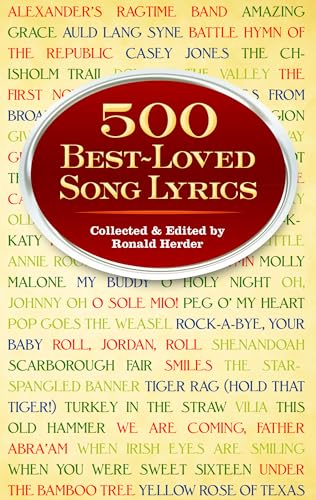
Trade Paperback in Good Condition
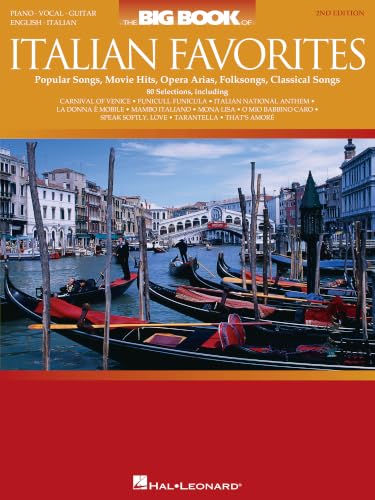

Build Your Song Mix
Start with “Volare” and “’O sole mio” to establish the familiar Italian sound. Add “Azzurro” and “L’italiano” for identity and nostalgia. Use “Caruso” and “Con te partirò” as the emotional center. Then lift the mood with “Felicità” and “Sarà perché ti amo.”
- Add one or two Neapolitan songs for historical depth.
- Use ballads in the middle, not all at once.
- Keep the fastest party songs close together.
- Save “Nessun dorma” for a dramatic ending or special moment.
Balance Old and New
After the classic top 10, add modern songs such as “Soldi,” “Brividi,” and “Zitti e buoni.” You can also include “Ti amo,” “La solitudine,” “La cura,” “Bella ciao,” and “Quando, quando, quando” as alternate classics. These choices bring different decades, regions, and styles into the same mix.
For a one-hour playlist, a useful balance is about two-thirds classics and one-third modern tracks. For a party, increase the number of dance songs. For language learning, choose slower tracks with clear pronunciation and repeated phrases.
Add Lyrics and Videos
Lyrics, translations, and official performance videos can turn passive listening into active learning. Read the Italian words while listening, then check a translation after the first play. This helps you notice repeated phrases, vowel sounds, rhyme, and cultural references without interrupting the music every few seconds.
- Use authorized lyric sources or official artist videos where possible.
- Compare a studio version with a live performance.
- Write down five useful words from each song.
- Return to the same track several times before adding too many new ones.
Pro Tip: Build three short playlists instead of one long list: Italian classics, romantic vocals, and party songs. You will get a smoother mood and use each playlist more often.
Sources
- The Recording Academy: Domenico Modugno: confirms the 1959 Grammy wins for “Nel blu dipinto di blu.”
- Eurovision Song Contest: Hilversum 1958: confirms Modugno’s third-place finish.
- Museo e Real Bosco di Capodimonte: Canto Napoli: supports dates and credits for major Neapolitan songs.
- Treccani: Lucio Dalla: supports the 1986 history and musical context of “Caruso.”
- Andrea Bocelli Official Career Timeline: confirms “Con te partirò” at Sanremo in 1995.
- Teatro alla Scala: Turandot: confirms the opera’s 1926 world premiere and production history.
Frequently Asked Questions
What is the most iconic Italian song?
“Nel blu dipinto di blu (Volare)” is the strongest answer for Italian pop because of its global recognition, Eurovision history, and two major Grammy wins. For traditional Neapolitan song, “’O sole mio” is an equally important choice.
What are the top five classic Italian songs?
A balanced top five is “Volare,” “’O sole mio,” “Funiculì Funiculà,” “Azzurro,” and “Caruso.” The list covers modern pop, Neapolitan tradition, public sing-alongs, and emotional singer-songwriter music.
What are the top 10 classic Italian songs?
The 10 songs in this guide are “Volare,” “’O sole mio,” “Funiculì Funiculà,” “Azzurro,” “Caruso,” “Con te partirò,” “Sarà perché ti amo,” “Felicità,” “L’italiano,” and “Nessun dorma.” Other strong choices include “Bella ciao,” “Ti amo,” and “Quando, quando, quando.”
Which Italian song won a Grammy?
Domenico Modugno’s “Nel blu dipinto di blu (Volare)” won Record of the Year and Song of the Year at the first Grammy Awards in 1959. “Record of the Year,” not “Recording of the Year,” is the correct category name.
Is Nessun dorma a song or an opera aria?
“Nessun dorma” is an aria from Giacomo Puccini’s opera Turandot. It is often included in popular Italian playlists because its melody and final climax became famous outside classical music.
Which classic Italian songs are best for a party?
Use “Sarà perché ti amo,” “Felicità,” “Volare,” and “Azzurro.” They have quick, memorable refrains and enough energy for mixed-age groups. Add “L’italiano” when the gathering has a strong Italian community or heritage theme.
Conclusion
The best classic Italian songs do more than create an Italian mood. Each one represents a different musical tradition, from Neapolitan song and festival pop to romantic ballads, dance music, and opera. Start with “Volare,” “’O sole mio,” and “Azzurro,” then add “Caruso,” “Con te partirò,” and the party favorites. With old and new tracks in the right order, your playlist will feel varied, emotional, and easy to enjoy again.
