
Last Updated on September 11, 2026 by Daniel Globe
Balat is a historic neighborhood in Istanbul’s Fatih district, beside the Golden Horn on the European side. It is known for steep lanes, colorful houses, neighborhood cafés, antique shops, and Jewish, Muslim, and Christian heritage. Most visitors also explore neighboring Fener, where several landmarks commonly included in “Balat guides” are actually located.
Quick Answer
Balat is worth visiting for its colorful streets, historic homes, local cafés, antique shops, and multicultural heritage. Allow three to five hours to explore Balat and neighboring Fener. Take the T5 tram to Fener or Balat, wear shoes suitable for steep streets, and respect the privacy of people who live in the photographed houses.
Key Takeaways
- Balat and Fener are neighboring quarters that are often combined in travel guides, but they are not exactly the same place.
- The easiest public-transport option from central Istanbul is usually the T5 Eminönü–Alibeyköy tram.
- Major sights include Balat’s historic streets and synagogues, Fener’s Red School and Orthodox landmarks, and the nearby Kariye Mosque.
- Some religious sites require advance arrangements, and opening hours can change around services, holidays, and restoration work.
- The streets are steep and uneven, so comfortable footwear and a flexible route make the visit easier.
Disclosure: As an Amazon Associate I earn from qualifying purchases. Some links on this page are affiliate links, at no extra cost to you.
What and Where Is Balat in Istanbul?
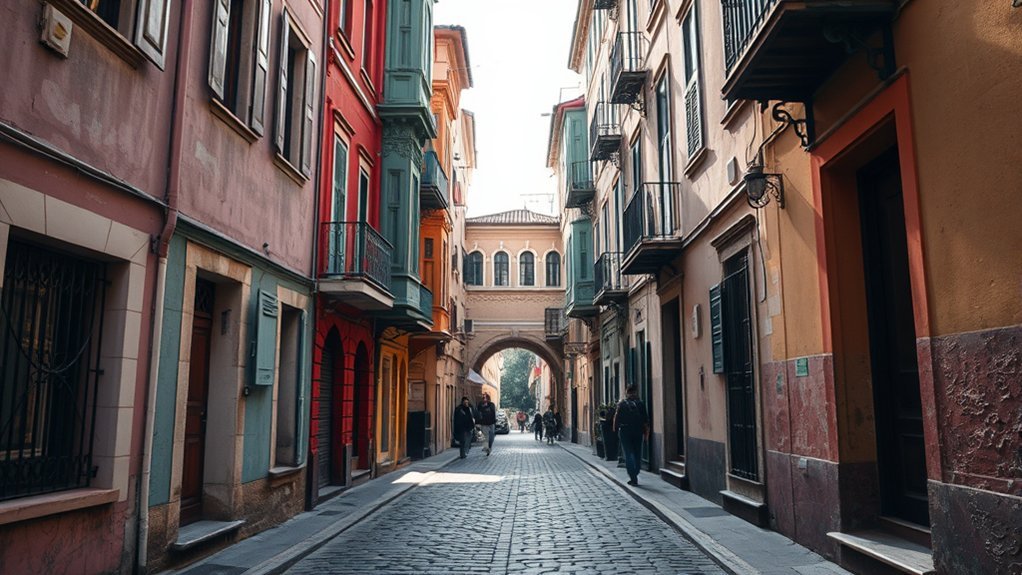
Balat is a neighborhood in the Fatih district on the western shore of the Golden Horn. It sits between Fener and Ayvansaray within Istanbul’s Historic Peninsula. Its sloping streets contain a mixture of traditional houses, religious buildings, small businesses, workshops, cafés, and newer restorations.
The neighborhood became closely associated with Istanbul’s Jewish community, including Sephardic families who settled in Ottoman lands after leaving the Iberian Peninsula. Muslim, Greek Orthodox, Armenian, and Bulgarian communities also contributed to the wider cultural landscape of Balat and neighboring Fener. The result is not a preserved open-air museum but a living residential area where historic buildings stand beside ordinary homes and modern businesses.
The commonly accepted explanation for the name connects it with the Greek word palation, meaning “palace.” The name is generally linked to the nearby Blachernae Palace or the gate used by people traveling toward the imperial palace. It does not mean “sanctuary” or “refuge” in English.
Note: Many online guides use “Balat” as a convenient label for both Balat and Fener. In practice, a normal walking route crosses between the two, so you may not notice the boundary unless you are following a detailed map.
Why Balat Is Worth Visiting
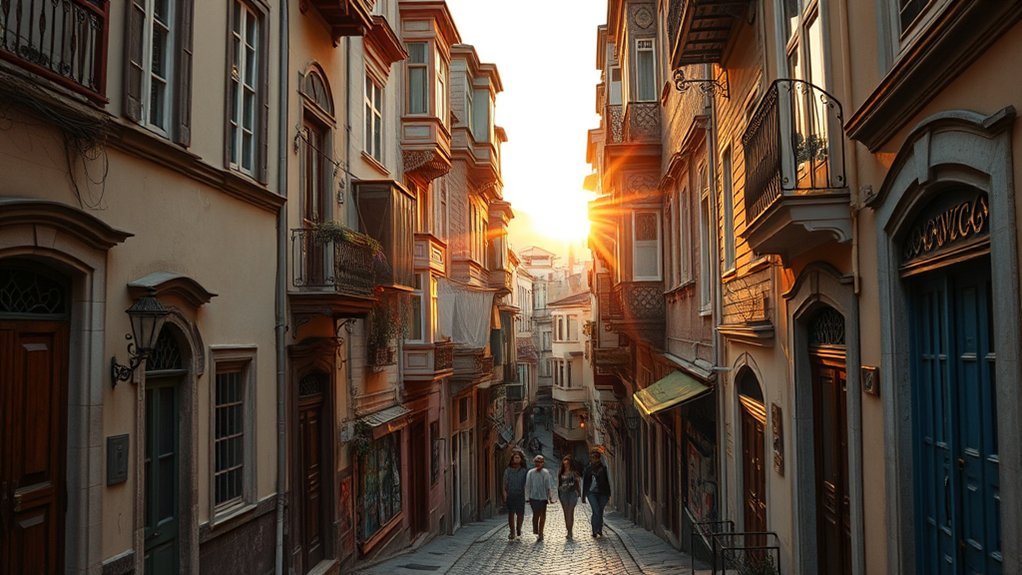
Balat appeals to visitors who want to see a more residential side of Istanbul without traveling far from the main historic sights. Its steep lanes, bay-windowed houses, small shops, cats, murals, and café terraces offer many details to notice during a slow walk.
The area is especially rewarding when you look beyond the brightest painted buildings. Weathered woodwork, iron balconies, religious buildings, neighborhood markets, repair shops, and laundry hanging between homes all show how daily life continues around the visitor route.
- See a mixture of restored and weathered historic homes.
- Explore streets connected with Istanbul’s Jewish and Christian heritage.
- Stop at local cafés, bakeries, antique shops, and secondhand stores.
- Photograph colorful streets without entering private property or blocking doorways.
- Combine Balat with Fener, the Golden Horn waterfront, or nearby Kariye Mosque.
Balat is most enjoyable when you allow time to wander rather than rushing from one marked photo location to another.
Balat’s Colorful Streets and Hidden Corners
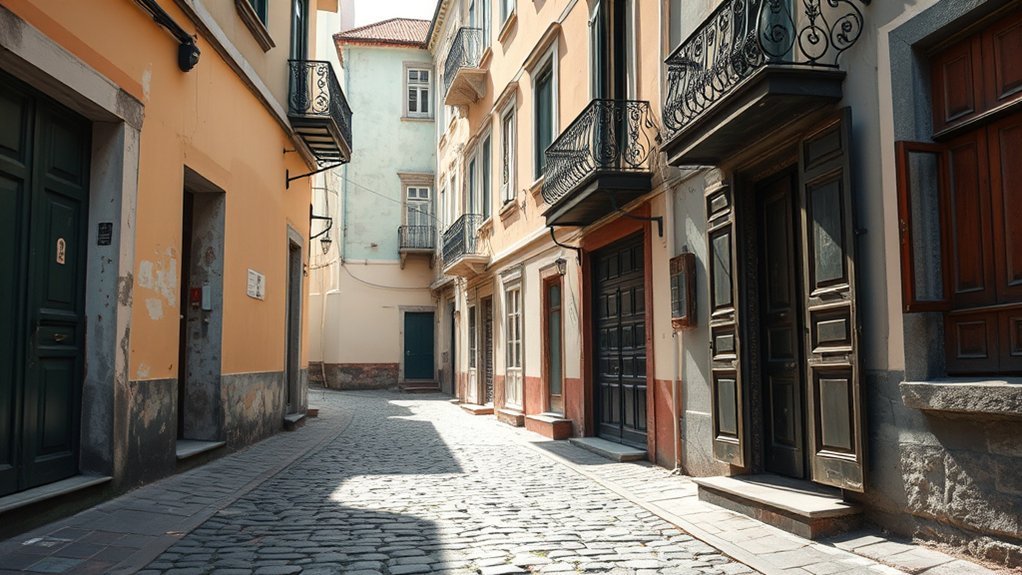
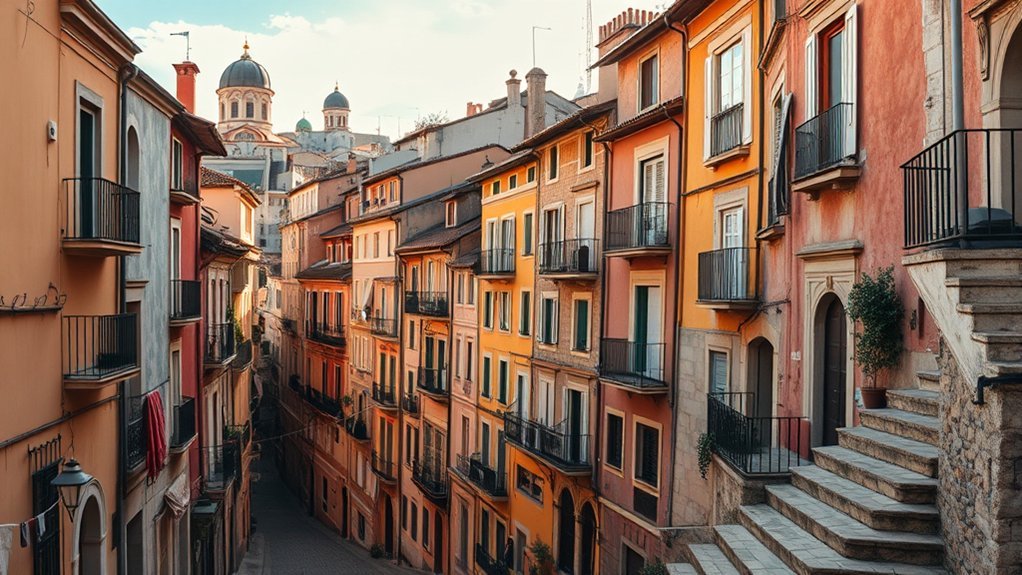
Balat’s best-known visual feature is its collection of colorful houses along steep, narrow streets. Some facades have been restored and repainted, while others show worn timber, stone, plaster, and metalwork. Plants, balconies, shop displays, and household details add character to the streets.
Colorful Facades
Kiremit Caddesi, Merdivenli Yokuş, and streets around the central café area are commonly visited for colorful facades. Exact appearances change as homes are repaired, repainted, or used by new businesses, so do not expect every social-media photograph to match what you see.
- Visit early in the day for softer light and fewer organized photo groups.
- Use the slope and repeating facades to create depth in photographs.
- Include balconies, doors, signs, and street-level details rather than photographing only one famous row.
- Keep entrances, pavements, and shop access clear.
The most satisfying photographs often include the contrast between restored color and the neighborhood’s older architectural details.
Hidden Doorways
Decorated doors, narrow entrances, iron gates, and small courtyards are easy to notice as you climb through Balat. They can reveal old construction methods and years of repair, but they are often part of occupied homes.
Photograph a doorway from the public street and avoid touching decorations, leaning equipment against a house, stepping onto private stairs, or opening a gate. Ask permission before making a resident, shop worker, or child the main subject of a photograph.
Quiet Corners
Quieter lanes away from the main café cluster offer a more realistic view of Balat. You may find potted plants, small workshops, local groceries, neighborhood cats, murals, and residents carrying out daily routines.
- Pause without blocking narrow pavements.
- Watch for uneven stones and steep steps.
- Keep noise low near homes and places of worship.
- Do not feed animals unless local residents indicate that it is appropriate.
Pro Tip: Save the most famous colorful streets on your map, but leave time for unplanned turns. The main photo stops can be busy, while quieter parallel streets often provide a calmer and more interesting walk.
Best Landmarks and Sights in Balat and Fener
The landmarks commonly included in a Balat itinerary are spread across both Balat and neighboring Fener. Grouping them by area makes the route easier to understand.
Sights in Balat
Ahrida Synagogue: Ahrida is one of the most important synagogues associated with Balat’s Jewish heritage. It is an active and protected religious site rather than an unrestricted tourist attraction. Visitors generally need to make arrangements in advance and provide the information requested by the relevant organization.
Yanbol Synagogue: Yanbol Synagogue takes its name from the community connected with Yanbol, now Yambol in Bulgaria. Historical evidence points to older roots, while the main building was rebuilt after a fire during the 17th or 18th century and underwent later repairs. Do not assume that you can enter without a reservation.
Küçük Mustafa Paşa Hamamı: This historic bath building is part of the area’s Ottoman architectural heritage. Its operating or restoration status can change, so check locally before planning an interior visit.
Kiremit Caddesi and nearby streets: These streets are popular for colorful facades, balconies, steps, and residential architecture. They are public streets, but the houses are private property.
Sights in Fener
Fener Greek Orthodox College: Commonly called the Red School, this large red-brick building dominates the hillside above the Golden Horn. The educational institution traces its history to 1454, but the present building dates to 1881. It remains a school, so most visitors view it from the surrounding public streets rather than entering.
Bulgarian St. Stephen Church: Also known as the Iron Church, St. Stephen stands near the Golden Horn waterfront. Its prefabricated iron components were manufactured in Vienna and assembled in Istanbul. The present church opened in 1898 and remains an important Bulgarian Orthodox landmark.
Ecumenical Patriarchate and Church of St. George: The patriarchal complex in Fener is one of the most important centers of the Greek Orthodox world. Visitors should dress respectfully, remain quiet, and avoid interrupting services.
A Nearby Sight: Kariye Mosque
Kariye is often included in extended Balat itineraries, but it is farther inland near Edirnekapı rather than in central Balat. The structure is renowned for Byzantine mosaics and frescoes and was previously known as the Chora Church and later the Kariye Museum.
It was returned to mosque status and reopened for worship in May 2024. Visitor access, covered artwork, ticket arrangements, and tourist hours may differ from its former museum operation, so confirm the latest rules before walking there.
Warning: Synagogues, churches, schools, and mosques may close to general visitors during worship, holidays, school activities, security procedures, or restoration. Never rely only on an old blog’s opening hours.
How to Get to Balat
By T5 Tram
The T5 Eminönü–Alibeyköy tram is usually the most convenient option from the Historic Peninsula. The line has separate Fener and Balat stations along the Golden Horn.
From Eminönü, board the T5 toward Alibeyköy and leave at Fener if you want to begin near St. Stephen Church and the Red School route. Leave at Balat if you want to begin closer to Balat’s central streets. Check the current Metro Istanbul T5 information before traveling.
By Ferry
Golden Horn ferry services can provide a scenic approach, with services using piers such as Fener and Balat on selected routes. Ferry frequency is usually less flexible than the tram, and timetables can vary by day or season. Review the current Şehir Hatları schedule before depending on a particular sailing.
By Bus or Taxi
Several municipal bus routes travel along the Golden Horn corridor and stop around Fener or Balat. Traffic can make bus and taxi journey times unpredictable, especially during busy periods. A taxi is useful for travelers with limited walking ability, but the driver may need to stop near the bottom of a steep or narrow street.
Walking from Other Areas
Walking from Eminönü is possible for travelers comfortable with a longer urban route, but it takes considerably more time than using the tram. Walking from Sultanahmet involves busy streets and is not the most direct way to begin a Balat visit.
Suggested Balat and Fener Walking Route
This route takes about three to five hours, depending on café stops, photography, religious-site access, and whether you continue to Kariye.
- Start at the Fener T5 station. Walk toward the Golden Horn waterfront and Bulgarian St. Stephen Church.
- Continue into Fener. Pass local cafés and climb toward the Fener Greek Orthodox College.
- Explore the streets below the Red School. Follow the slopes toward the main Fener and Balat café area.
- Stop for tea, coffee, or lunch. Choose a venue after checking the current menu and opening status.
- Continue into Balat. Walk through the colorful residential streets around Kiremit Caddesi and Merdivenli Yokuş.
- View Jewish heritage sites respectfully. Only plan an interior synagogue visit if you arranged it in advance.
- Finish near the Balat T5 station. Return toward Eminönü by tram or check whether a suitable ferry is running.
Travelers adding Kariye Mosque should allow extra walking time or use a taxi or bus for the uphill inland section.
Where to Eat and Drink in Balat
Balat and Fener have a wide range of cafés, bakeries, tea shops, casual restaurants, and a smaller number of higher-end dining options. The waterfront and the streets between Vodina Caddesi and Yıldırım Caddesi contain many popular venues, while quieter side streets may offer simpler local choices.
- Try Turkish tea or coffee at a small café with outdoor seating.
- Look for bakeries selling simit, pastries, bread, and seasonal snacks.
- Ask whether a café offers tea brewed over wood or coals if that preparation interests you, since it is not available everywhere.
- Choose a family-run restaurant for dishes that reflect Turkish home cooking.
- Consider Smelt & Co if you want a more planned meal, but confirm its current menu, opening days, prices, reservation policy, and rooftop availability.
Café interiors and decorated terraces are a large part of Balat’s modern visitor appeal, but do not choose only by appearance. Check the menu, recent operating information, and any minimum-spend or reservation rules before sitting down.
Where to Stay in Balat
Staying in Balat or Fener can suit travelers who prefer a residential atmosphere, Golden Horn access, and evenings away from the busiest parts of Sultanahmet. It is less suitable for anyone who dislikes hills, stairs, limited late-night transport choices, or a quieter neighborhood after businesses close.
Hotel Troya Balat is a boutique-style option near the Golden Horn. Compare current room types, street noise, elevator access, breakfast, and cancellation terms before booking.
Fener Sweet is a small homestay-style property in Fener. It may appeal to travelers who prefer a personal setting, but room access, stairs, bathroom arrangements, occupancy conditions, and check-in procedures should be verified for the chosen dates.
Ottobalat offers apartment-style accommodation. Check the exact unit size, child policy, stair access, kitchen facilities, and whether the listing is available for your travel dates.
Elele Boutique Aparts is another apartment-style option associated with the area. Confirm current management, amenities, access, and recent guest information before paying.
Accommodation inventory changes frequently, and a property described as inexpensive in one article may be costly during another season. Compare the final price, taxes, cancellation rules, accessibility, and location rather than relying on an old “budget” label.
Best Time to Visit Balat
There is no single best season for every visitor. The right time depends on whether you value mild weather, quiet streets, long daylight, or the liveliest café atmosphere.
- Spring: Generally comfortable for walking, with flowers, longer daylight, and active cafés. Rain remains possible.
- Summer: Offers long days and a lively atmosphere, but midday heat and larger visitor groups can make the steep streets tiring.
- Autumn: Often provides pleasant walking conditions and softer light, though rain becomes more likely later in the season.
- Winter: Can feel calmer and less crowded, but cold rain, wind, short daylight, and slippery streets may affect the visit.
Early weekday mornings usually provide the easiest conditions for photographing Balat’s streets without blocking residents, shops, or other visitors.
Weekends tend to feel busier around the best-known cafés and colorful-house locations. Arriving earlier helps in every season.
Practical Tips, Accessibility, and Etiquette
Wear Suitable Shoes
Many interior streets are steep, uneven, or paved with stones that become slippery in rain. Shoes with secure soles are more useful than smooth sandals or dress shoes.
Plan for Limited Accessibility
The waterfront and T5 stations are easier to navigate than the steep residential streets. Some routes include high curbs, narrow pavements, broken surfaces, and stairs. Wheelchair users and travelers with limited mobility may need to remain near the waterfront, use taxis between stops, and confirm accessibility directly with each attraction or business.
Respect Homes and Residents
Do not sit on private steps, lean against doors, look through windows, move plants, or enter a courtyard for a photograph. Keep voices and music low in residential lanes.
Dress Appropriately for Religious Sites
Carry clothing that covers shoulders and knees when entering churches, synagogues, or mosques. Follow posted instructions, remove shoes when required, and avoid photography during worship unless permission is clearly given.
Check Access Before You Go
Synagogue reservations may need to be submitted several days in advance. Churches may close during services. Kariye visitor arrangements may change. Restaurants and small shops may take weekly rest days or alter hours without appearing immediately in old travel articles.
Carry More Than One Payment Method
Cards are common in Istanbul, but a small amount of Turkish lira can still be useful for small purchases, local bakeries, tips, or a business experiencing a card-terminal problem.
Frequently Asked Questions
What is Balat famous for?
Balat is famous for steep streets, colorful houses, historic residential architecture, cafés, antique and secondhand shops, cats, and Jewish heritage sites such as the Ahrida and Yanbol synagogues. Many guides also include neighboring Fener’s Greek Orthodox and Bulgarian landmarks.
Is Balat the same as Fener?
No. Balat and Fener are neighboring quarters along the Golden Horn. Travel guides often combine them because visitors can walk between them easily. The Red School, Ecumenical Patriarchate, and several Greek Orthodox landmarks are associated with Fener, while Balat is especially connected with historic Jewish settlement and its synagogues.
Is Balat a good area to stay in?
Balat can be a good base for travelers who want a quieter neighborhood, cafés, Golden Horn views, and access to the T5 tram. It may be less convenient for travelers who want to walk directly to every major Sultanahmet attraction or who have difficulty with hills, stairs, and uneven streets.
Where does the name Balat come from?
The name is commonly linked to the Greek word palation, meaning “palace.” It is associated with the nearby Blachernae Palace or the historic gate used by people approaching the imperial palace.
What does Balat mean in English?
Balat is a place name rather than a word normally translated in modern English. Its commonly cited Greek root means “palace.” The claim that Balat means “sanctuary” or “refuge” is not supported by the standard explanation of the neighborhood’s name.
How long do you need in Balat?
Allow about three to five hours for Balat and Fener, including photographs and a café stop. A synagogue visit, long meal, or extension to Kariye Mosque can turn the route into a full-day outing.
What is the easiest way to reach Balat?
The T5 Eminönü–Alibeyköy tram is usually the easiest option from central historic Istanbul. Use Fener station for the Iron Church and Fener landmarks or Balat station for the streets farther northwest.
Is Balat safe to visit?
Balat is a busy residential and visitor area during the day, but normal city precautions still apply. Watch your belongings in crowded places, use well-lit routes after dark, and avoid entering quiet private lanes merely to follow a photo location.
Conclusion
Balat offers a colorful and historic side of Istanbul, but its value goes beyond a few famous photo locations. A thoughtful visit also includes neighboring Fener, the Golden Horn waterfront, religious heritage, small businesses, and ordinary residential streets.
Use the T5 tram to simplify the journey, allow at least three hours, wear suitable shoes, and confirm access before visiting active religious buildings. Most importantly, remember that Balat’s photographed houses and doorways belong to a living community. Explore slowly, keep private spaces clear, and leave the neighborhood as you found it.
Sources
- GoTürkiye: Fener and Balat Neighbourhoods — neighborhood history, heritage, streets, and major sights.
- Metro Istanbul: T5 Eminönü–Alibeyköy Tram Line — stations, route, connections, and accessibility information.
- Turkish Jewish Community: Synagogue Visits — current reservation and visitor-access guidance for Balat synagogues.
- Visit Istanbul: Bulgarian St. Stephen Church — construction history and the church’s prefabricated iron structure.
- Istanbul Encyclopedia: Fener Greek High School — the school’s institutional history and the date of the present building.
- Republic of Türkiye Directorate of Communications: Kariye Mosque Reopening — its reopening as a mosque on May 6, 2024.
