
Last Updated on July 27, 2026 by Ethan Caldwell
You can drive from Milan to St. Moritz in roughly 3 hours, covering about 170 km (106 miles) in light traffic. The most direct scenic route heads toward Lake Como, Chiavenna, Val Bregaglia, and the Maloja Pass. Traffic, mountain weather, and sightseeing stops can easily add time, so this is a trip worth planning before you leave.
Quick Answer
Driving from Milan to St. Moritz is roughly 170 km (106 miles) and about 3 hours in light traffic via Lake Como, Chiavenna, Val Bregaglia, and the Maloja Pass. A Swiss vignette is needed only if you use designated Swiss motorways or expressways. By train via Tirano, allow about 5 hours plus transfer time.
Key Takeaways
- The direct Milan to St. Moritz drive is about 170 km (106 miles) and roughly 3 hours before traffic, weather, or sightseeing stops.
- The most practical direct route runs toward upper Lake Como, Chiavenna, Val Bregaglia, Maloja, and St. Moritz.
- A CHF 40 Swiss motorway vignette is required only if your chosen route uses designated Swiss motorways or expressways; merely crossing the border does not require one.
- Bergamo, Varese, Lugano, and Bellagio can be rewarding side trips, but they are not all stops on the direct route.
- The train alternative uses a direct Milan–Tirano regional train followed by the Bernina Line to St. Moritz.
- Carry the travel document required for your nationality and confirm that an Italian rental car is permitted and insured for travel into Switzerland.
Disclosure: As an Amazon Associate I earn from qualifying purchases. Some links on this page are affiliate links, at no extra cost to you.
Best Routes From Milan to St. Moritz
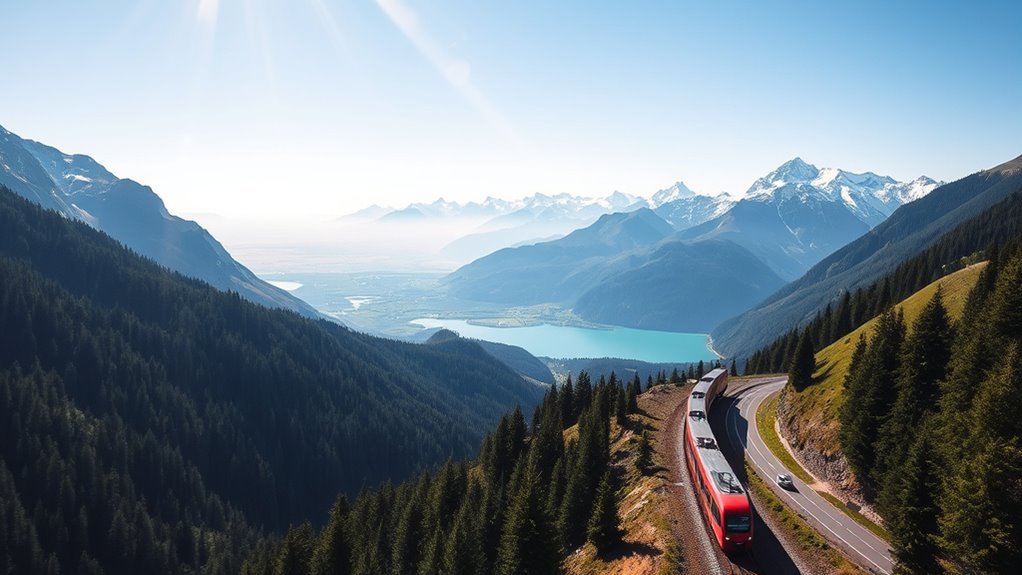
If you’re planning the trip from Milan to St. Moritz, the best route depends on whether you care most about speed, lakeside scenery, or adding a longer Swiss detour.
Direct Route: Milan to Chiavenna and the Maloja Pass
For most drivers, the most logical route heads north from Milan toward Lecco and the upper end of Lake Como, continues toward Chiavenna, crosses into Switzerland through Val Bregaglia, climbs the Maloja Pass, and then follows the Engadin lakes toward St. Moritz.
This is the route that best matches the commonly quoted distance of about 170 km and a driving time near 3 hours in favorable conditions. It also gives you alpine scenery without requiring a major detour through another Swiss city.
The road becomes narrower and more winding as you approach Maloja. Give yourself extra time if you’re unfamiliar with mountain roads.
Lake Como Route With a Longer Sightseeing Stop
You can turn the drive into a longer road trip by spending more time around Lake Como. Como itself, Varenna, and Bellagio are attractive additions, but visiting them may add substantial driving or ferry time compared with continuing directly toward Chiavenna.
Bellagio, in particular, should be treated as a sightseeing detour rather than a stop directly on the fastest Milan–St. Moritz road.
Route via Lugano
Lugano can also be included, but it sends you farther west and places you on a different route through Switzerland. This option makes more sense if Lugano is part of your itinerary than if your only goal is reaching St. Moritz quickly.
Because a Lugano routing may use Swiss motorways or expressways, check whether your exact navigation route requires the Swiss motorway vignette.
Train via Tirano and the Bernina Line
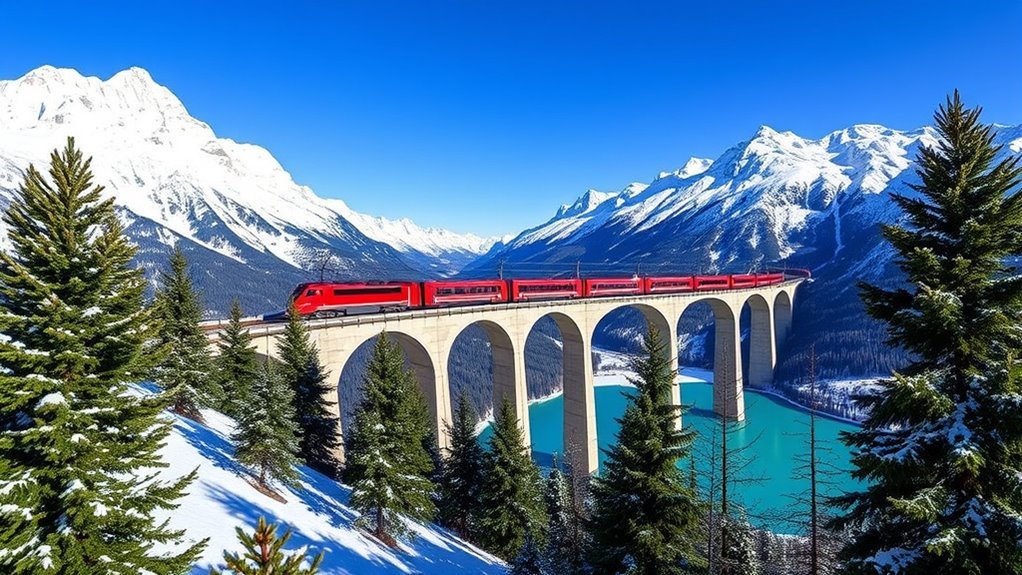
If you’d rather not drive, take the regional train from Milan to Tirano and continue from Tirano to St. Moritz on the Bernina Line.
The famous Bernina Express uses panoramic coaches and requires a valid ticket plus a separate seat reservation. Ordinary RhB regional trains travel over the same spectacular railway and can be a more flexible option if panoramic-car reservations are unavailable.
Note: Crossing from Italy into Switzerland does not mean every traveler uses the same document. EU/EFTA citizens can generally enter with a valid recognized identity document, while travelers from other countries may need a passport and, depending on nationality or residence status, a visa. Carry the documents that apply to your nationality even when routine border checks are not taking place.
How Long Does the Milan to St. Moritz Drive Take?
By car, the Milan to St. Moritz drive is about 170 km (106 miles) and can take roughly 3 hours in light traffic. Treat that as a best-case planning figure rather than a guaranteed arrival time.
- Allow for Milan traffic: Getting out of the city can add significant time during busy periods.
- Expect slower mountain driving: The approach through Val Bregaglia and Maloja has curves, elevation changes, and sections where speeds are naturally lower.
- Add time for Lake Como: Visiting Como, Bellagio, Varenna, or another lakeside town turns the transfer into a longer sightseeing day.
- Check conditions before leaving: Snow, heavy rain, roadworks, accidents, events, and natural hazards can temporarily restrict the Maloja road.
The Maloja route is maintained as an important year-round road connection, but that does not mean it can never close. Temporary restrictions occur, particularly during difficult winter weather or other road hazards.
Warning: In winter, do not assume a three-hour summer-style drive. Use tyres suitable for the conditions, carry snow chains when required by your route or rental agreement, and check current road conditions before climbing toward Maloja. If the road is unsafe or officially closed, do not attempt to continue.
What Are the Best Stops on the Milan to St. Moritz Drive?
Along the direct Milan to St. Moritz drive, the best stops follow the route north toward Chiavenna rather than sending you back and forth across Lombardy and Ticino.
Lake Como and the Lecco Area
The southeastern and northern sections of Lake Como give you mountain-and-water scenery without requiring the large detour involved in visiting every famous lake town. A short coffee or waterfront stop works well when you want to break up the first half of the journey.
Chiavenna
Chiavenna is one of the most natural stopping points before the Swiss border. Its historic center, stone streets, restaurants, and position at the foot of the mountains make it much more practical for this route than detouring to another major city.
Val Bregaglia and Maloja
After crossing into Switzerland, the road climbs through Val Bregaglia toward Maloja. This is where the journey shifts from an Italian lake-and-valley drive into a high-Alpine route.
At Maloja, viewpoints over the valley and the surrounding peaks make a worthwhile short break before continuing toward the Engadin lakes.
Sils and Silvaplana
Between Maloja and St. Moritz, the route passes the lake landscape around Sils and Silvaplana. These stops add little geographic backtracking and give you classic Upper Engadin scenery shortly before St. Moritz.
What About Bergamo, Varese, Lugano, and Bellagio?
Bergamo offers the cobblestone streets and historic squares of Città Alta, but it lies east of the most direct Milan–St. Moritz corridor and works best as a separate detour.
Varese, with its art-nouveau villas and UNESCO-listed Sacro Monte di Varese, lies farther west. It is worthwhile when your wider itinerary already includes that side of Lombardy.
Lugano combines a lakeside Swiss setting with Piazza della Riforma and easy access to Ticino, but routing through it makes more sense as an intentional alternate itinerary.
Bellagio is ideal for a slower, romantic Lake Como break, with cobbled lanes and gardens, but visiting it adds considerably more time than continuing directly toward Chiavenna.
For the most efficient scenic road trip, save Bergamo, Varese, Lugano, and Bellagio for deliberate detours rather than trying to combine all four with the direct Milan–St. Moritz drive.
What Scenic Highlights Will You See on the Way?
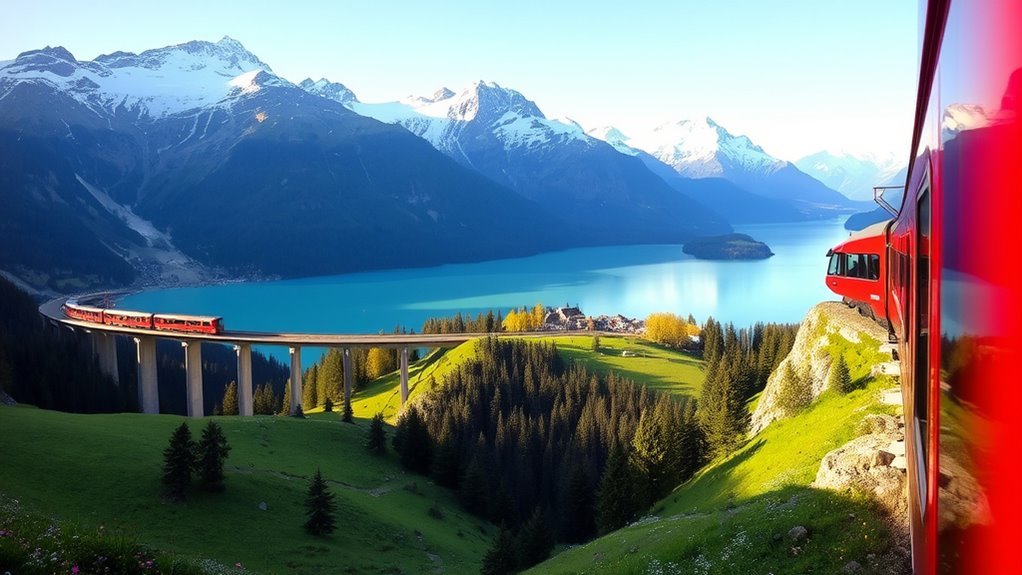
- Lake Como: The first major scenic transition takes you from Milan’s urban surroundings toward steep mountains rising above the lake.
- Chiavenna and Val Bregaglia: Stone villages, narrow valleys, wooded slopes, and increasingly dramatic peaks mark the approach to Switzerland.
- Maloja Pass: The road climbs sharply through tight bends before reaching the high Engadin plateau.
- Engadin Lakes: Lake Sils, Lake Silvaplana, and the surrounding peaks create one of the most memorable sections before St. Moritz.
If you add Bergamo, Varese, or Lugano, you’ll see additional historic districts, gardens, and lake scenery, but those places belong to longer variations of the trip rather than the direct drive.
What Should You Budget for Tolls, Fuel, and Travel Tips?
There is no single unavoidable toll figure for the Milan to St. Moritz drive. Your cost depends on which roads your navigation chooses.
The direct route toward Chiavenna and Maloja can be planned with little or no Italian motorway toll exposure. A route that deliberately uses additional autostrade will cost more, so check the selected road rather than automatically budgeting €20–€30 in tolls.
In Switzerland, the motorway vignette costs CHF 40 for vehicles subject to the vignette system. It is required on designated Swiss motorways and expressways, not simply because you entered Switzerland. Driving on a road where the vignette is mandatory without one can result in a CHF 200 fine, and you must still purchase the vignette.
Pro Tip: Do not buy a Swiss vignette automatically just because you’re crossing the border. First check the exact route. If you will use a Swiss motorway or expressway, the official e-vignette is linked to the vehicle’s registration details and avoids needing a windshield sticker.
Fuel is more variable. A roughly 340 km return drive in a car averaging 6–8 L/100 km uses about 20–27 liters of fuel. At Italy’s late-July 2026 national road averages, that puts a typical petrol or diesel round trip at roughly €40–€60 before extra sightseeing mileage, idling, or higher mountain-road consumption.
Before leaving Milan, fill up when convenient and check traffic and mountain-road conditions. Fuel stations become less frequent than they are in the city, and Swiss fuel prices may differ from Italian prices.
Train Costs
If you prefer rail, Trenord’s Milan–Tirano regional train currently takes about 2 hours 30 minutes and starts at €12.50 in second class.
For 2026, Rhaetian Railway lists the St. Moritz–Tirano second-class base fare at CHF 33. Traveling in a panoramic Bernina Express coach also requires the 2026 short-route reservation supplement of CHF 32 per person.
A Swiss Travel Pass can serve as the transport ticket on the covered Swiss journey, but it does not eliminate the mandatory Bernina Express panoramic-seat reservation.
Another option is an ordinary RhB regional train over the Bernina Line. It follows the same railway through the mountains, does not require the Bernina Express panoramic reservation, and offers an optional seat reservation on the St. Moritz–Tirano route.
Travel Documents, Rental Cars, and Winter Driving
Carry the Correct Border Documents
Switzerland participates in the Schengen system, but you should still carry a valid travel document. EU/EFTA citizens can generally enter with a valid recognized passport or identity document. Travelers of other nationalities should check the passport, visa, and residence-permit rules that apply to them.
Check Your Rental-Car Agreement
If you rent a car in Milan, confirm before departure that the rental company permits travel into Switzerland. Check cross-border authorization, insurance coverage, roadside assistance, winter equipment, and any fees stated in your rental agreement.
Do not assume an Italian rental car already has a Swiss vignette. If your chosen route needs one, verify the vehicle first and purchase one only if it is not already covered.
Prepare for Winter Conditions
Swiss law does not impose one blanket nationwide date-based requirement for winter tyres, but drivers must remain in control of their vehicle and avoid endangering other road users. Swiss road authorities strongly recommend winter-capable tyres during cold-season conditions.
On the Italian side, seasonal winter-equipment rules can apply on signed roads. Your safest approach is to use a properly equipped vehicle and carry approved chains when required for your route.
Even though Maloja is an important year-round connection, heavy snowfall, accidents, natural hazards, or special events can cause temporary restrictions or closures. Check conditions again shortly before you leave Milan.
Frequently Asked Questions
Is the drive from Milan to St. Moritz scenic?
Yes. The direct route combines Lake Como scenery, Chiavenna, Val Bregaglia, the Maloja Pass, and the Engadin lakes. The scenery becomes increasingly Alpine as you approach Switzerland.
How long does it take to get to St. Moritz from Milan?
By car, allow roughly 3 hours for the approximately 170 km drive in light traffic. By train through Tirano, the Milan–Tirano leg takes about 2 hours 30 minutes and the Bernina Express between Tirano and St. Moritz about 2 hours 15 minutes, plus transfer time.
What is the most scenic route from Milan to Switzerland?
For St. Moritz, the drive toward Lake Como, Chiavenna, Val Bregaglia, and Maloja combines lake and Alpine scenery without a major detour. For rail scenery, travel from Milan to Tirano and continue over the Bernina Line to St. Moritz.
Do I need a Swiss motorway vignette to drive from Milan to St. Moritz?
Not automatically. Switzerland requires the CHF 40 vignette on designated motorways and expressways. The need for one depends on the exact roads your route uses, so check your navigation before buying it.
Can you drive from Milan to St. Moritz in winter?
Yes, the Maloja road is an important year-round connection, but winter conditions can be demanding and temporary closures are possible. Use a properly equipped vehicle, carry chains when required, allow extra time, and check current road conditions before departure.
Is the Bernina Express reservation included with a Swiss Travel Pass?
No. A Swiss Travel Pass can cover the applicable transport fare, but a separate mandatory seat reservation is still required for the Bernina Express panoramic coaches.
Conclusion
Whether you drive or travel by train, the Milan to St. Moritz journey is one of the easiest ways to move from northern Italy into high-Alpine Switzerland while enjoying memorable scenery. For drivers, the most practical route runs through the Lake Como area, Chiavenna, Val Bregaglia, and Maloja. Leave extra time for traffic and mountain conditions, check whether your exact route requires a Swiss vignette, and treat Bergamo, Varese, Lugano, and Bellagio as optional detours rather than mandatory stops.
For a car-free trip, Milan to Tirano followed by the Bernina Line offers an excellent alternative. Book the panoramic Bernina Express reservation separately when you specifically want the tourist train, or use regular regional services for greater flexibility.
Sources
- Engadin Tourism — official Milan-to-Engadin distance and approximate driving time
- Swiss Federal Administration — 2026 Swiss motorway vignette requirement, CHF 40 price, and penalties
- Rhaetian Railway — Bernina Express route, journey time, tickets, and reservation requirements
- Trenord — Milan–Tirano journey time and current regional fare
- Italian Ministry of Enterprises and Made in Italy — official national fuel-price averages used for the 2026 fuel estimate
- Federal Department of Foreign Affairs — Swiss entry-document and visa guidance
