Last Updated on September 10, 2026 by Daniel Globe
Vans has long been synonymous with skate culture, but the brand also makes shoes aimed at travel, everyday movement, and light outdoor use. The UltraRange family blends recognizable Vans styling with more cushioning and traction than a typical skate shoe, making it useful for city walking, travel, and some casual hiking. Originally developed with input from Vans pro surfer Pat Gudauskas, UltraRange was designed to move comfortably between city streets and light trails.
Quick Answer
Vans UltraRange shoes are good for walking, travel, and easy hikes on dry, well-maintained trails. The UltraRange 2.0 is lightweight and cushioned with moderate traction, but it is not waterproof and is not designed for deep mud, wet technical terrain, or demanding backcountry hikes.
Key Takeaways
- Vans describes UltraRange shoes as lightweight casual footwear with cushioning and moderate traction for daily wear and occasional light trails.
- The standard UltraRange 2.0 has an UltraCush™ Lite midsole, heel-lock design, 7 mm drop, and reverse-waffle lugged outsole.
- UltraRange shoes are not waterproof. Vans Crosspath is the better Vans option when you want water resistance and more weather-focused traction.
- Packed dirt, gravel paths, park trails, and dry maintained routes are a better match than deep mud, loose rock, steep scrambles, or sustained technical hiking.
- The current UltraRange family also includes the UltraRange Neo 2.0, so specifications such as the 299 g weight and UltraCush Lite midsole should not be assumed to apply to every UltraRange model.
Disclosure: As an Amazon Associate I earn from qualifying purchases. Some links on this page are affiliate links, at no extra cost to you.
Can You Hike in Vans UltraRange Shoes?
Yes, as long as the hike matches what the shoe was built to do. Vans itself describes the UltraRange as suitable for everyday use and occasional light trails rather than as a dedicated technical hiking shoe.
UltraRange shoes make the most sense for:
- Paved walking paths and urban trails
- Dry park trails
- Packed dirt
- Gravel paths
- Easy forest trails without large rocks or deep mud
- Travel days that combine sightseeing with a short hike
They become less suitable when a route involves long stretches of loose rock, deep mud, frequent stream crossings, wet roots, steep scrambling, heavy backpacking loads, snow, or other conditions where trail-specific protection and traction matter more.
Warning: Do not treat the UltraRange’s lugged outsole as equivalent to a technical hiking or trail-running outsole. Check the terrain and weather before leaving. A shoe that feels secure on packed dirt can behave very differently on wet rock, loose scree, deep mud, or snow.
Features of Vans UltraRange Shoes
The standard Vans UltraRange 2.0 weighs about 299 grams in a men’s size 9 and has a 7 mm heel-to-toe drop. That lightweight construction is one reason it works well as a travel shoe or for easy outings where you do not want the bulk of more protective outdoor footwear.
On the mesh/Rapidweld version currently listed by Vans, the shoe uses a breathable mesh upper made with 100% recycled textiles. Rapidweld overlays reinforce high-wear areas, while a molded rubber toe adds protection at the front of the shoe.
The UltraRange 2.0 also uses an UltraCush™ Lite midsole for lightweight cushioning. Vans pairs that cushioning with a reworked heel-lock design and roomier forefoot compared with the original UltraRange EXO. The reverse-waffle lugged outsole adds flexible traction for walking and light outdoor surfaces.
UltraRange 2.0 vs. UltraRange Neo 2.0
One important 2026 update is that “UltraRange” no longer refers to just one current adult design. Vans’ current UltraRange collection includes both the standard UltraRange 2.0 and the newer UltraRange Neo 2.0.
The specifications in this guide such as the 299 g size-9 weight, 7 mm drop, UltraCush Lite midsole, and reverse-waffle outsole refer specifically to the standard UltraRange 2.0.
The UltraRange Neo 2.0 takes a different approach. Vans gives it FeatherCush™ foam, breathable recycled RPET mesh, a wider forefoot, reinforced suede panels, and a regenerative-rubber outsole. Vans still describes it as a lightweight shoe with moderate traction rather than dedicated technical hiking footwear.
Note: When comparing reviews or specifications online, check which UltraRange model is being discussed. Older reviews may cover the UltraRange EXO, while current shoes may be the UltraRange 2.0 or UltraRange Neo 2.0.
Considerations for Hiking Footwear
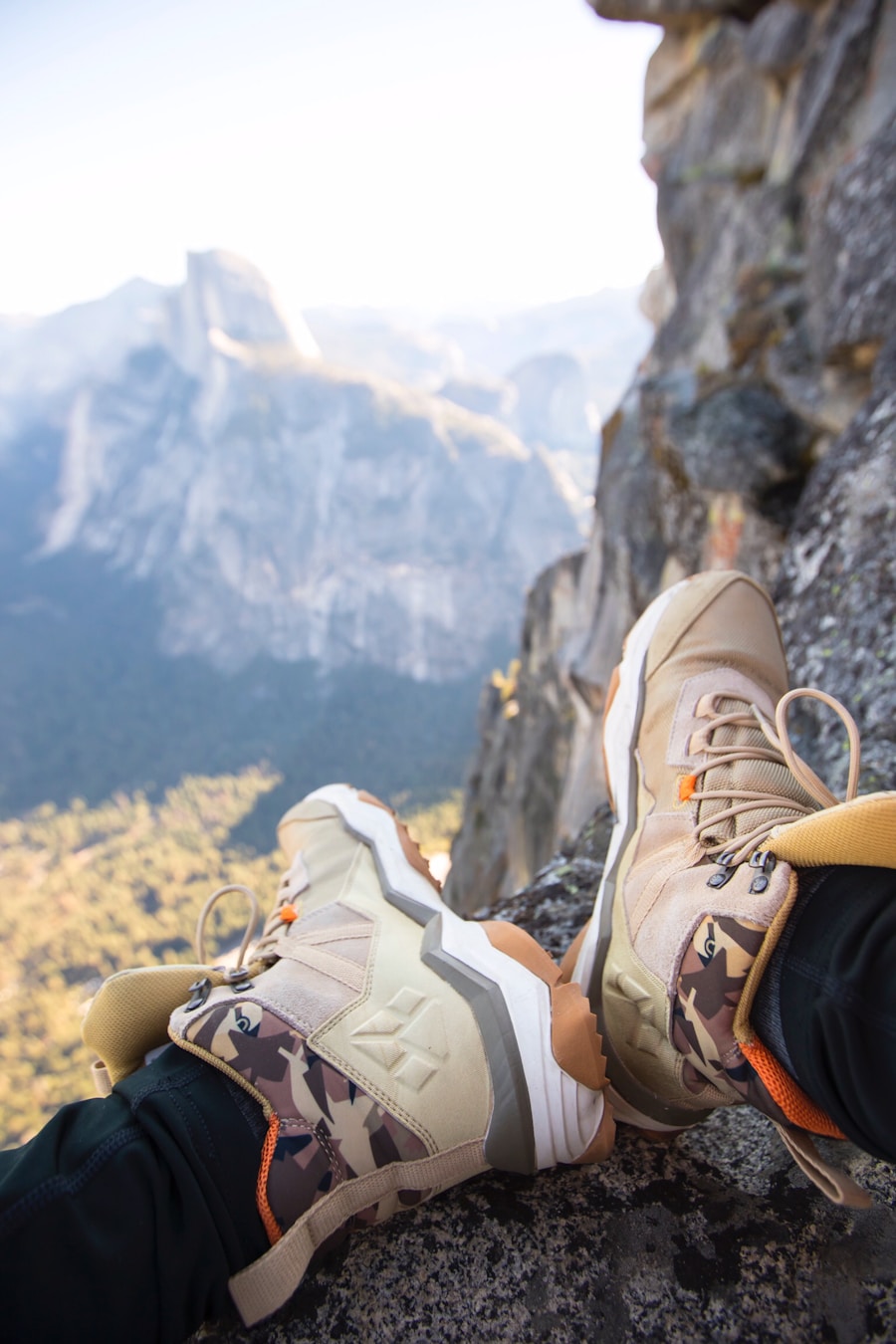
Terrain should be the first consideration when deciding whether to hike in UltraRange shoes. Smooth, maintained paths allow lighter and more flexible footwear. Rocky, loose, steep, or highly uneven routes put greater demands on traction, toe protection, underfoot stability, and overall support.
The length of the hike matters too. Cushioning that feels comfortable during a short walk does not automatically make a shoe ideal for an all-day backcountry route. Your pack weight, experience, foot shape, trail surface, and weather all affect what footwear will work best.
Weather is another major limitation. Vans explicitly states that the standard UltraRange is not waterproof. Its breathable construction is useful in warm weather, but water can pass through the upper during rain, puddles, wet grass, or stream crossings.
For a similar Vans style with more weather protection, consider the Vans Crosspath. Vans equips Crosspath models with a durable water-repellent treatment and markets them for urban use and light trails. Water resistance is not the same as complete waterproofing, however. For harsher wet-weather use, Vans also offers fully waterproof footwear such as its Crestline models.
Note: Vans markets UltraRange footwear primarily for daily wear, travel, and light outdoor use. Think of it as an everyday shoe that can handle an easy trail rather than a replacement for footwear designed specifically for demanding hiking.
Durability and Support of Vans UltraRange Shoes
At a Glance
| Best Use | Walking, travel, packed paths, and easy dry trails |
| Weight | 299 g in men’s size 9, UltraRange 2.0 |
| Heel-to-Toe Drop | 7 mm, UltraRange 2.0 |
| Midsole | UltraCush™ Lite, UltraRange 2.0 |
| Outsole | Reverse-waffle lugged rubber outsole for flexible traction |
| Waterproof? | No; consider Crosspath for water resistance |
| Technical Terrain | Not its intended strength; use trail-specific footwear when greater protection or traction is needed |
Vans reinforces the UltraRange 2.0 in several areas that matter during everyday use. Rapidweld overlays cover high-wear portions of the mesh version, and a molded rubber toe adds durability at the front. These features give the shoe more protection than a minimalist casual sneaker without turning it into a rigid hiking shoe.
Support comes primarily from the heel-lock design, padded collar, lacing system, and updated fit. These features help keep the foot planted while preserving the flexible feel that makes UltraRange comfortable for travel and walking.
That flexibility is also part of the tradeoff. Dedicated hiking footwear can provide deeper tread, more underfoot protection, firmer lateral stability, and stronger protection around the toes and sides. The National Park Service recommends sturdy, rubber-soled hiking footwear with suitable support for dirt and gravel hiking rather than choosing footwear solely for casual comfort.
Traction and Grip for Hiking
The UltraRange 2.0’s reverse-waffle lugged outsole provides more texture and outdoor utility than the flat waffle sole found on many classic Vans shoes. Vans describes it as providing flexible traction, and the wider UltraRange family is intended to add moderate grip for occasional light trails.
That makes it a reasonable match for dry pavement, compact soil, gravel, and maintained paths. It should not be confused with a technical hiking outsole featuring deep, widely spaced lugs designed to bite into loose soil or shed thick mud.
Wet rock, roots, mud, loose gravel, snow, and steep slopes can demand much more from an outsole. For those conditions, choose footwear designed around the specific surface rather than relying on the UltraRange’s everyday versatility.
The UltraRange’s strongest hiking use case is the easy trail that begins or ends on pavement—not the technical trail where footwear performance becomes the main priority.
Comfort and Breathability of Vans UltraRange Shoes
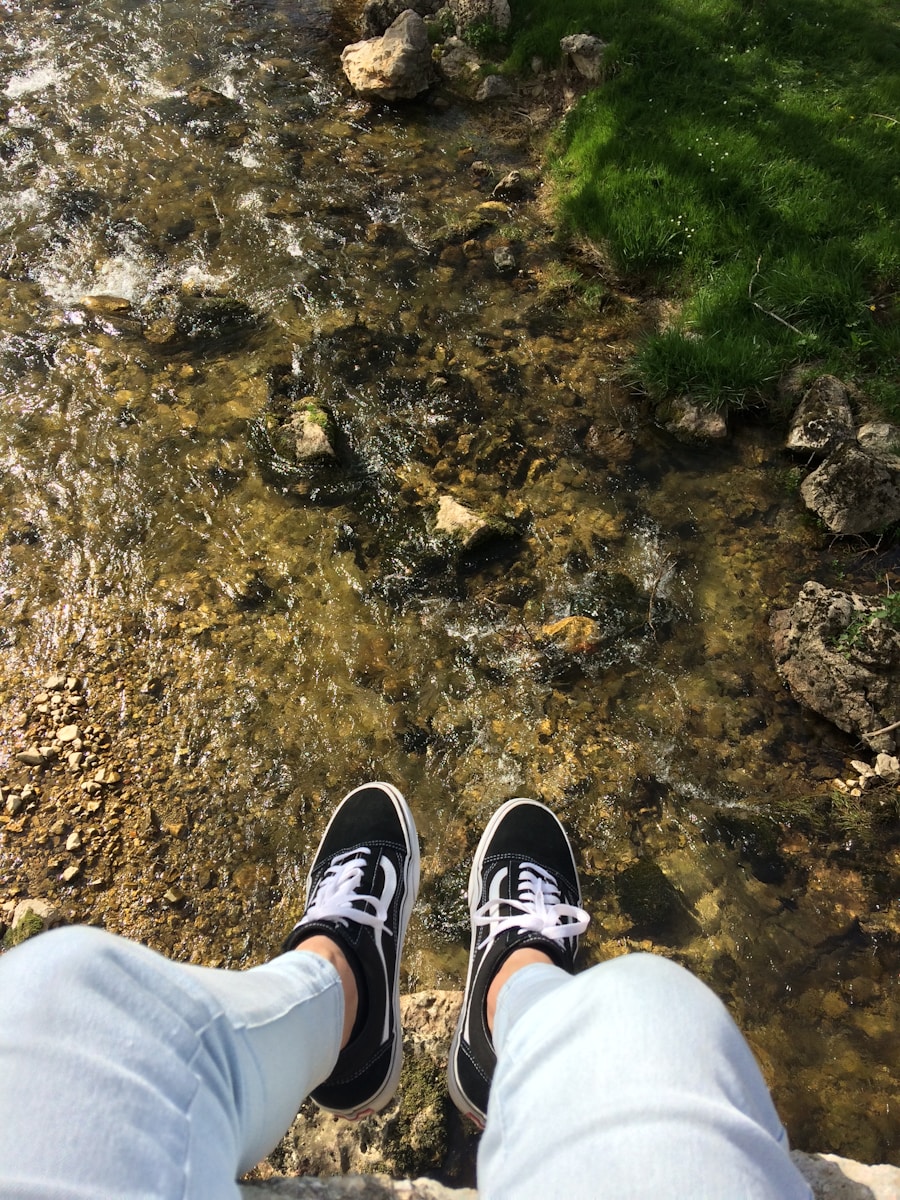
Comfort is one of the main reasons people consider UltraRange shoes for hiking. The UltraCush™ Lite midsole in the standard 2.0 provides lightweight cushioning, while the heel-lock design and roomier forefoot are intended to improve comfort during extended everyday wear.
The mesh version also allows more airflow than a waterproof membrane or heavy leather hiking boot. That can be useful during warm-weather walking, although the same breathable construction means there is little protection from rain or standing water.
Fit still matters more than any individual cushioning technology. Try the shoes with the same socks you plan to hike in, make sure your heel stays secure, and leave enough room at the front that your toes do not strike the shoe on descents.
Pro Tip: An independent hands-on review of the UltraRange 2.0 reports that its stock insole is secured with adhesive rather than designed for easy removal. If you depend on custom orthotics or thick replacement insoles, test the available interior volume carefully before using the shoe for long walks or hikes.
User Reviews and Experiences with Vans UltraRange Shoes for Hiking
Independent testing of UltraRange models generally supports the same overall use case Vans describes: they are comfortable, lightweight, and versatile enough to move between pavement and uncomplicated outdoor surfaces.
For example, hands-on reviewers have praised UltraRange cushioning and the convenience of having one casual-looking shoe for travel and outdoor use. Older UltraRange EXO tests also found the reverse-waffle outsole capable on common surfaces such as dirt, gravel, and pavement.
Those experiences should not be treated as proof that every UltraRange model performs like a hiking shoe. The current 2.0 has been redesigned, and individual grip depends on trail surface, outsole wear, weather, fit, and walking technique.
The most consistent limitation remains the same: UltraRange prioritizes low weight, flexibility, cushioning, and everyday style rather than the aggressive tread and protective structure expected from trail-focused footwear.
UltraRange vs. Crosspath for Hiking
If you like Vans but expect more outdoor use, the Crosspath is the natural model to compare with UltraRange.
- Choose UltraRange for travel, city walking, dry easy trails, and maximum everyday versatility.
- Choose Crosspath when you expect light rain, wet grass, changing weather, or want a more outdoor-focused tread while keeping a low-top Vans design.
- Choose a waterproof hiking shoe or boot for sustained rain, frequent water crossings, snow, mud, or routes where keeping your feet dry is important.
- Choose a dedicated trail runner or hiking shoe when deep traction, rock protection, lateral stability, and technical-trail performance matter more than casual styling.
Vans currently describes Crosspath as water-resistant and equips it with a durable water-repellent treatment. That makes it better suited to light moisture, but a DWR-treated low-top still should not be confused with a fully waterproof hiking boot.
How to Decide Before Wearing UltraRange on a Hike
Before choosing your UltraRange for a particular route, check five things:
- Surface: Packed and maintained is better than loose, rocky, muddy, or highly uneven.
- Weather: Dry conditions favor UltraRange because the standard line is not waterproof.
- Distance: A short casual hike is a different demand from an all-day route.
- Load: Carrying a heavy backpack can increase the value of more stable and protective footwear.
- Your feet: Make sure the shoe fits securely and has enough toe room before committing to a long outing.
Also inspect the outsole before leaving. Worn tread reduces the advantage of the lug pattern, regardless of how suitable the shoe was when new.
Are Vans UltraRange Shoes Suitable for Hiking?
Vans UltraRange shoes are suitable for a specific kind of hiking: casual, relatively short outings on easy and maintained terrain. Their lightweight construction, cushioning, flexible traction, and breathable design make them especially useful when you want one shoe for travel, walking, and a light trail.
They are much less compelling when terrain becomes steep, wet, muddy, rocky, or technically demanding. In those situations, a dedicated hiking shoe, trail runner, or boot can provide deeper traction, more protection, and weather features designed specifically for outdoor use.
The distinction matters because UltraRange is not pretending to be a full hiking boot. Vans itself describes the shoe as a lightweight casual option with moderate traction and positions it for occasional light trails. Used within those limits, it can be a very practical pavement-to-trail shoe.
If you are planning a hiking-focused trip, footwear is only one part of preparation. This guide on the best time to travel to Chile also covers seasonal weather and conditions that can influence what you need to pack.
Frequently Asked Questions
Are Vans UltraRange shoes designed for hiking?
Not as dedicated technical hiking shoes. Vans designs UltraRange footwear for daily wear, travel, and light outdoor activities and says the line can handle occasional light trails.
Can Vans UltraRange shoes be used for hiking?
Yes. They work best for easy, dry, well-maintained trails, packed dirt, gravel paths, and hikes that combine pavement with light trail use. More technical terrain calls for more specialized footwear.
Are Vans UltraRange shoes waterproof?
No. Vans specifically states that standard UltraRange shoes are not waterproof. Crosspath is the better Vans option if you want a similar low-top style with water resistance, while fully waterproof footwear is better for sustained wet conditions.
What are the main features of the Vans UltraRange 2.0?
The standard UltraRange 2.0 has an UltraCush Lite midsole, heel-lock design, reverse-waffle lugged outsole, 7 mm heel-to-toe drop, molded rubber toe, and a listed weight of 299 grams in men’s size 9. Mesh versions also use Rapidweld reinforcement and breathable recycled textile material.
What type of terrain are Vans UltraRange shoes suitable for?
They are best suited to pavement, compact dirt, gravel paths, park trails, and other easy maintained surfaces. Deep mud, wet technical rock, loose scree, snow, and rugged backcountry trails are outside their strongest use case.
Is Vans Crosspath better than UltraRange for hiking?
Crosspath is usually the better choice when weather resistance and outdoor traction matter more. UltraRange is lighter and more casual, while Crosspath adds a water-repellent treatment and a more outdoor-focused design for urban and light-trail use.
Is the UltraRange 2.0 the same as the UltraRange Neo 2.0?
No. They are separate current UltraRange models. The standard UltraRange 2.0 uses UltraCush Lite cushioning and a reverse-waffle outsole, while the UltraRange Neo 2.0 uses FeatherCush foam and a different regenerative-rubber outsole construction.
What are some alternatives to Vans UltraRange shoes for hiking?
For wet but relatively easy outings, Vans Crosspath offers water resistance and more outdoor-focused traction. For rugged hiking, consider a purpose-built hiking shoe, trail runner, or hiking boot with the traction, protection, fit, and weather resistance appropriate for your route.
Sources
- Vans US — UltraRange Shoes — current UltraRange lineup, intended use, EXO status, hiking guidance, traction level, and waterproofing information
- Vans US — UltraRange 2.0 Product Page — weight, 7 mm drop, UltraCush Lite midsole, recycled mesh, Rapidweld reinforcement, heel lock, and reverse-waffle outsole
- Vans — UltraRange Product Guide — UltraRange development history, Pat Gudauskas involvement, UltraCush construction, and intended versatility
- Vans US — Crosspath Shoes — water-resistant construction, DWR treatment, all-terrain positioning, and comparison with UltraRange
- U.S. National Park Service — Hike Smart — official hiking preparation and footwear guidance