
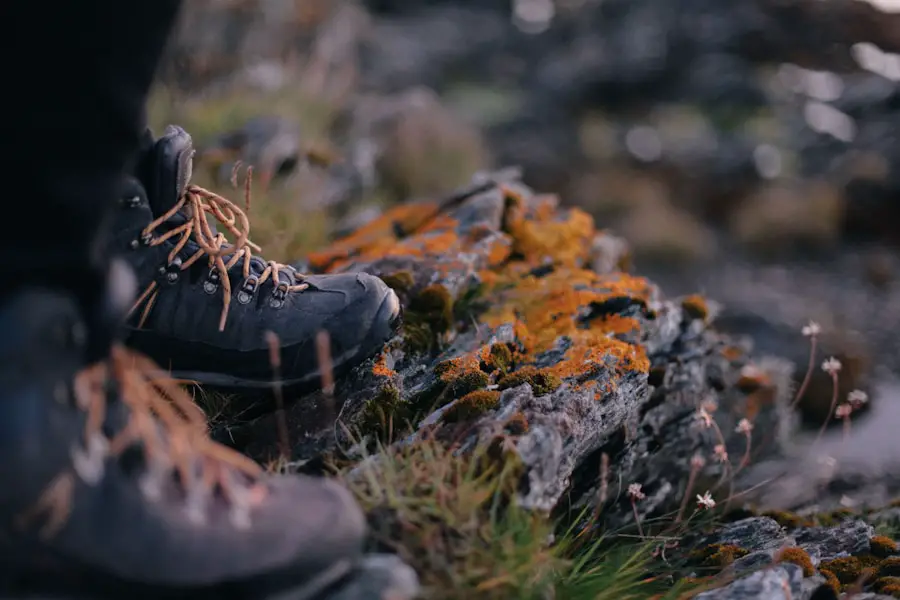
Properly drying hiking boots is a critical aspect of maintaining their longevity and performance. When boots are exposed to moisture, whether from rain, snow, or sweat, they can become breeding grounds for bacteria and mold. These microorganisms thrive in damp environments, leading to unpleasant odors and potential health issues for the wearer.
Moreover, prolonged exposure to moisture can weaken the materials of the boots, causing them to deteriorate faster than they would under normal conditions. This degradation can compromise the structural integrity of the boots, making them less effective in providing support and protection during hikes. In addition to health concerns and material degradation, improperly dried boots can lead to discomfort during future hikes.
Wet boots can cause blisters and chafing, as the moisture creates friction against the skin. This discomfort can detract from the overall hiking experience, making it less enjoyable and potentially leading to injuries that could have been avoided with proper care. Therefore, understanding the importance of drying hiking boots correctly is essential for any outdoor enthusiast who values both their gear and their health.
Key Takeaways
- Properly drying hiking boots is important to prevent mold and bacteria growth, and to maintain the integrity of the materials.
- Removing insoles and laces allows for better airflow and thorough drying of all parts of the boot.
- Cleaning and wiping down boots removes dirt and debris, which can trap moisture and lead to odors and deterioration.
- Stuffing boots with newspaper helps to absorb moisture and maintain the shape of the boots during the drying process.
- Using a boot dryer can expedite the drying process and ensure thorough drying, especially for those with time constraints.
Removing Insoles and Laces
The first step in the drying process involves removing the insoles and laces from the boots. This action is crucial for several reasons. Firstly, insoles are often made from materials that absorb moisture, such as foam or felt.
By taking them out, you allow both the insoles and the interior of the boot to dry more effectively. If left inside, the insoles can retain moisture, leading to a damp environment that encourages mold growth. Additionally, removing laces allows for better airflow within the boot, facilitating a more efficient drying process.
Once the insoles and laces are removed, it’s also an excellent opportunity to inspect them for any signs of wear or damage. Laces can fray over time, and insoles may lose their cushioning properties. If any issues are detected, it may be wise to replace these components before your next hike.
This proactive approach not only enhances comfort but also ensures that your boots remain in optimal condition for future adventures.
Products Worth Considering
![Stepace Round Shoelaces [2 Pairs] Heavy Duty Boot Shoe Laces for Hiking Work Boots Coffee Khaki-120(Dots)](https://taketravelinfo.com/wp-content/plugins/wp-fastest-cache-premium/pro/images/blank.gif)
The Package Includes -2 pairs of Stepace round laces (4 laces)
HEAVY DUTY: Reinforced with dual inner nylon cords, the same cords originally used in parachutes. Ensuring unparalleled strength and durability. 3/16in diameter
Compatibility: These Endoto shoelaces are designed to be compatible with Merrell shoes. Please refer to the size guide in the product images to confirm the best length for your needs.
Cleaning and Wiping Down Boots
Before embarking on the drying process, it is essential to clean and wipe down your hiking boots thoroughly. Dirt, mud, and debris can accumulate on the exterior of the boots during hikes, and if left unaddressed, these particles can cause abrasions or damage to the material over time. Using a soft brush or cloth, gently remove any loose dirt from the surface of the boots.
For stubborn stains or mud caked onto the fabric or leather, a damp cloth with mild soap can be employed to clean without causing harm. After cleaning, it’s important to ensure that all surfaces are wiped down properly. This step not only helps in maintaining the aesthetic appeal of the boots but also prepares them for drying by eliminating any additional moisture that could hinder the process.
A thorough cleaning routine contributes significantly to the overall lifespan of hiking boots, ensuring they remain functional and visually appealing for many treks to come.
Stuffing Boots with Newspaper
| Benefits of Stuffing Boots with Newspaper | Drawbacks of Stuffing Boots with Newspaper |
|---|---|
| Helps boots maintain their shape | Potential for ink transfer onto boots |
| Assists in absorbing moisture and odors | Newspaper may not provide enough support for tall boots |
| Cost-effective and easily accessible | Newspaper may not be as effective as specialized boot shapers |
One effective method for absorbing moisture from hiking boots is stuffing them with newspaper. This technique leverages the absorbent properties of paper to draw out excess moisture from both the interior and exterior of the boots. To implement this method, crumple several sheets of newspaper into balls and insert them into each boot.
The newspaper should fill the boot without being overly packed, allowing for adequate airflow while still making contact with damp surfaces. The benefits of using newspaper extend beyond mere moisture absorption; it also helps maintain the shape of the boot during the drying process. Hiking boots can lose their form if left to dry without any support, leading to creases or deformities that may affect fit and comfort.
By using newspaper as a stuffing material, you not only expedite drying but also preserve the structural integrity of your footwear.
Products Worth Considering
Fan-Powered Warm Air: Put on warm, dry footwear and gloves without the wait. Warm fan-forced heat will dry your wet boots, shoes, gloves, and garments fast. Dry 2 pairs at once
Portable Boot Dryer: Weighing just 1 lbs, this lightweight dryer plugs in anywhere & allows you to bring "PEET Dry" comfort with you on the go; Removes moisture, sweat & odor from your footwear, keeping your feet comfortable & dry
Portable Boot Dryer: Weighing just 1.5 lbs, this lightweight dryer allows you to bring "PEET Dry" comfort with you on the go; Comes with a 12V car adapter and travel bag.
Using a Boot Dryer
For those seeking a more advanced solution for drying hiking boots, a boot dryer can be an invaluable tool. Boot dryers utilize warm air circulation to effectively remove moisture from both the interior and exterior of footwear. These devices are particularly beneficial for individuals who frequently hike in wet conditions or who have experienced significant perspiration during their treks.
A boot dryer typically features two tubes that fit into the openings of the boots, allowing warm air to flow directly into them. Using a boot dryer is straightforward; simply place your boots on the device and turn it on. The warm air will circulate through the boots, evaporating moisture quickly and efficiently.
Many modern boot dryers also come equipped with timers and temperature controls, allowing users to customize their drying experience based on specific needs. This method not only saves time but also ensures that your boots are thoroughly dried before your next adventure.
Products Worth Considering
Shoe Dryer Patented in 1968: Works silently by gently warming air that rises and dries footwear; Removes moisture, sweat, & odor from your shoes, keeping your feet comfortable, healthy & dry
SILENT & EFFECTIVE DRYING SYSTEM: Designed with convection heat, this boot dryer silently dries one pair of shoes, boots, or sneakers at a time without loud noise. These fanless shoe dryers for sneakers, boots, sports footwear, and winter gear circulate warm air gently and evenly and work overnight, protecting materials from over heating, shrinking, or cracking. This portable shoe drying rack can be used for the whole family.
INTEGRATED FAN AND HEATER: The Airthereal SD32 portable shoe dryer combines a powerful built-in fan with precision heating elements to create a 360° thermal air circulation. By maintaining consistent temperatures between 105°F and 140°F, it effectively forces moisture out from the inside without hot spots.
Air Drying Hiking Boots
Air drying is another effective method for drying hiking boots, especially when time is not a constraint. This natural approach involves placing the boots in a well-ventilated area away from direct sunlight or heat sources. Ideally, choose a location with good airflow—such as near an open window or in a breezy room—to facilitate evaporation.
Air drying is gentle on materials like leather and synthetic fabrics, reducing the risk of damage that can occur with excessive heat. To maximize air drying efficiency, position the boots upside down or on their sides to allow any trapped moisture to escape easily. Additionally, consider placing them on a drying rack or hanging them from a hook to enhance airflow around all surfaces.
While air drying may take longer than other methods, it is often the safest option for preserving the integrity of your hiking boots while ensuring they are free from moisture before your next outing.
Avoiding Direct Heat Sources
While it may be tempting to expedite the drying process by placing hiking boots near direct heat sources such as radiators or fireplaces, this practice should be avoided at all costs. Direct heat can cause materials like leather and synthetic fabrics to crack or warp, leading to irreversible damage that compromises both comfort and performance. High temperatures can also weaken adhesives used in construction, resulting in delamination or separation of components over time.
Instead of relying on direct heat sources, opt for gentler methods such as air drying or using a boot dryer set to low temperatures. If you must use heat, ensure it is indirect and at a safe distance from the boots. For instance, placing them in a warm room without direct exposure can help facilitate drying without risking damage.
Understanding how different materials react to heat is crucial for maintaining your hiking boots in optimal condition.
Products Worth Considering
Cozy Dry Every Morning: Step into warm, dry footwear every morning. Dries wet boots, shoes, or gloves safely overnight with fanless thermal air that rises naturally without over-drying or shrinking
【Creative Telescopic Bendable Design】Say goodbye to damp, uncomfortable footwear with the FORLIM shoe dryer! Experience the difference with our Innovative telescopic and bendable dry ports that can reach deep inside the toe box of high boots. While the 180° foldable dry rack can accommodate footwear and gloves of all sizes and shapes. Keep your shoes and boots dry and comfortable with this innovative and easy-to-use dryer
Hybrid forced air and convection system heats to 99-degrees to dry footwear in less time than it takes most other portable dryers
Storing Hiking Boots Properly
Proper storage of hiking boots is just as important as their drying process when it comes to maintaining their longevity. After ensuring that your boots are completely dry, store them in a cool, dry place away from direct sunlight. Prolonged exposure to UV rays can fade colors and weaken materials over time.
Additionally, consider using boot trees or stuffing them with newspaper again during storage to help maintain their shape and prevent creasing. It’s also advisable to keep your hiking boots in a breathable bag or container rather than plastic ones that trap moisture and promote mold growth. If you have multiple pairs of hiking boots for different terrains or seasons, label them clearly for easy access when planning your next adventure.
By taking these steps in storage, you ensure that your hiking boots remain ready for action whenever you are prepared to hit the trails again.
If you’re looking for tips on how to properly dry your hiking boots after a wet adventure, you may also be interested in learning about the best time to travel to Turkey. This article provides a comprehensive guide on when to visit this beautiful country to make the most of your trip. Just like taking care of your hiking gear, planning the timing of your travels can greatly enhance your overall experience.
Products Worth Considering
Webbing carrying handle
【Great for travelling】Good design for home and travel use. Great fortraveling, carrying shoes to & from the gym, or for keeping your shoes dustfree in the closet. ( Can also be used as makeup bag, toiletries bags and forother uses.) [Waterproof Material] Nylon
The Perfect Solution for Boot Storage—Still struggling to find a place for your beloved boots? Boot storage bags are the ideal choice. They accommodate most women's short leather boots, short cowboy boots, and snow boots. Perfect for home or travel.
FAQs
What are the best methods for drying hiking boots?
The best methods for drying hiking boots include removing the insoles and laces, stuffing the boots with newspaper, and allowing them to air dry at room temperature. Avoid using direct heat sources such as a hair dryer or radiator, as this can damage the boots.
How long does it take for hiking boots to dry?
The drying time for hiking boots can vary depending on the material and how wet they are. In general, it can take anywhere from 12 to 24 hours for hiking boots to fully dry.
Can I put my hiking boots in the dryer?
It is not recommended to put hiking boots in the dryer, as the heat and tumbling action can damage the boots and affect their performance. It is best to air dry hiking boots at room temperature.
What should I do if my hiking boots get wet while on a hike?
If your hiking boots get wet while on a hike, remove the insoles and laces, then stuff the boots with newspaper to absorb the moisture. Allow the boots to air dry at room temperature, and avoid using direct heat sources.
How can I prevent my hiking boots from getting wet in the first place?
To prevent hiking boots from getting wet, consider using waterproofing treatments on the boots, wearing gaiters to keep out moisture, and choosing appropriate hiking socks that wick away moisture from the feet. Additionally, avoiding walking through deep puddles or streams can help keep hiking boots dry.