
Last Updated on July 27, 2026 by Daniel Globe
Hiking shoes should feel secure without squeezing your feet. The best fit holds your heel and midfoot in place while leaving enough room for your toes to move and for your feet to swell during a long hike. Getting that balance right can reduce rubbing, toe pressure, hot spots, and other problems that can turn a good trail day into a painful one.
Quick Answer
Hiking shoes should feel snug around the heel and midfoot, but never tight enough to pinch, numb, or compress your toes. Leave about 1/2 inch—roughly a thumb’s width—beyond the longest toe. Your heel should stay secure, and your toes should not hit the front on descents.
Key Takeaways
- Hiking shoes should be snug, not tight: secure through the heel and midfoot with room around the toes.
- Aim for about 1/2 inch, or roughly a thumb’s width, between your longest toe and the front of the shoe.
- Test footwear while wearing your normal hiking socks and walk both uphill and downhill before deciding.
- Heel slip, numbness, pinching, toe contact, or side-to-side sliding are signs the size, width, volume, or shoe shape may be wrong.
- Choose hiking shoes, trail runners, or boots according to terrain, weather, load, foot shape, and personal comfort rather than assuming one type is best for everyone.
At a Glance
| Time Required | About 15–30 minutes for a careful fitting and walking test |
| Difficulty | Easy, but test several sizes or widths when needed |
| Tools Needed | Your hiking socks, both shoes, and ideally a fitting ramp, stairs, or incline |
| Cost | No extra cost beyond the footwear; many specialty stores provide fitting help |
Disclosure: As an Amazon Associate I earn from qualifying purchases. Some links on this page are affiliate links, at no extra cost to you.
Should Hiking Shoes Be Tight or Loose?
The ideal hiking shoe is neither tight nor loose. It should hold the foot securely enough that you do not slide forward or sideways, but it should not squeeze the toes, forefoot, or top of the foot.
The American Academy of Orthopaedic Surgeons recommends roughly 1/2 inch of space between the longest toe and the end of a shoe. REI’s hiking-footwear fitting guidance gives a similar practical rule: approximately a thumb’s width of room in front of the longest toe.
What the Right Fit Should Feel Like
- Heel: Secure in the heel cup without repeatedly lifting or rubbing as you walk.
- Midfoot: Gently held in place without painful pressure across the arch or top of the foot.
- Forefoot: Wide enough that the sides of your feet are not being compressed.
- Toes: Enough room to wiggle and spread naturally without touching the front on descents.
Pro Tip: Do not choose a hiking shoe by the printed size alone. Shoe sizing and shape vary between brands and models. Fit the shoe to your actual foot, including its length, width, volume, and heel shape.
Why Proper Hiking-Shoe Fit Matters
A properly fitted hiking shoe helps keep your foot stable while walking over uneven ground. It also limits unnecessary rubbing and allows your toes to move without being crushed against the front of the shoe.
Shoes that are too tight can create pressure points, numbness, toe pain, calluses, or blisters. Shoes that are too loose can let the heel lift or the whole foot slide, creating friction and making it harder to place your feet confidently on steep or rocky terrain.
Blisters are more than a minor annoyance on longer hikes. Research involving hikers has found that foot blisters are associated with greater pain and disability, and systematic reviews of hiking injuries identify blisters and ankle sprains among common problems encountered by hikers.
AAOS notes that feet may swell during the day, which is one reason footwear should be fitted with enough room and preferably tried on later in the day.
Choosing Footwear for Different Types of Hiking
Day Hikes: Lightweight and Supportive
Many day hikers are comfortable in hiking shoes or trail runners because they are relatively light and flexible. The right choice depends on the trail. Smooth, maintained paths usually demand less protection than steep, loose, rocky, muddy, or root-covered terrain.
Whatever style you choose, prioritize fit and traction over labels such as “trail runner” or “hiking boot.” A lightweight shoe that fits correctly can be more useful than a heavy boot that rubs or restricts your foot.
Multi-Day Backpacking: Match Footwear to the Load and Terrain
Multi-day backpacking does not automatically require a heavy boot. Some hikers prefer supportive backpacking boots, particularly when carrying heavier loads or traveling across rugged terrain, while others are comfortable in lighter hiking shoes or trail runners.
Consider pack weight, trail conditions, expected weather, sole protection, traction, your previous ankle or foot problems, and your experience with the footwear. Taller or stiffer boots can restrict ankle movement, but boot height alone should not be treated as a guarantee against ankle injuries.
For trip-planning ideas beyond footwear, the existing guide to the best hiking backpack for a multi-day trek covers another major part of your backpacking setup.
Seasonal Considerations: Insulation, Waterproofing, and Breathability
Cold, snowy hikes may call for insulated or waterproof footwear along with appropriate traction. In dry, warm weather, breathable hiking shoes or trail runners can reduce heat buildup and dry faster than heavily insulated boots.
Open-toed hiking sandals may work for some low-risk routes or water-focused activities, but they provide less protection from rocks, roots, sharp debris, and toe impacts. The National Park Service hiking-safety guidance recommends proper walking footwear and notes that open-toed shoes and flip-flops are not ideal for hiking. Some parks use even stronger footwear recommendations for steep, loose, or rocky trails.
Potential Risks of Ill-Fitting Shoes
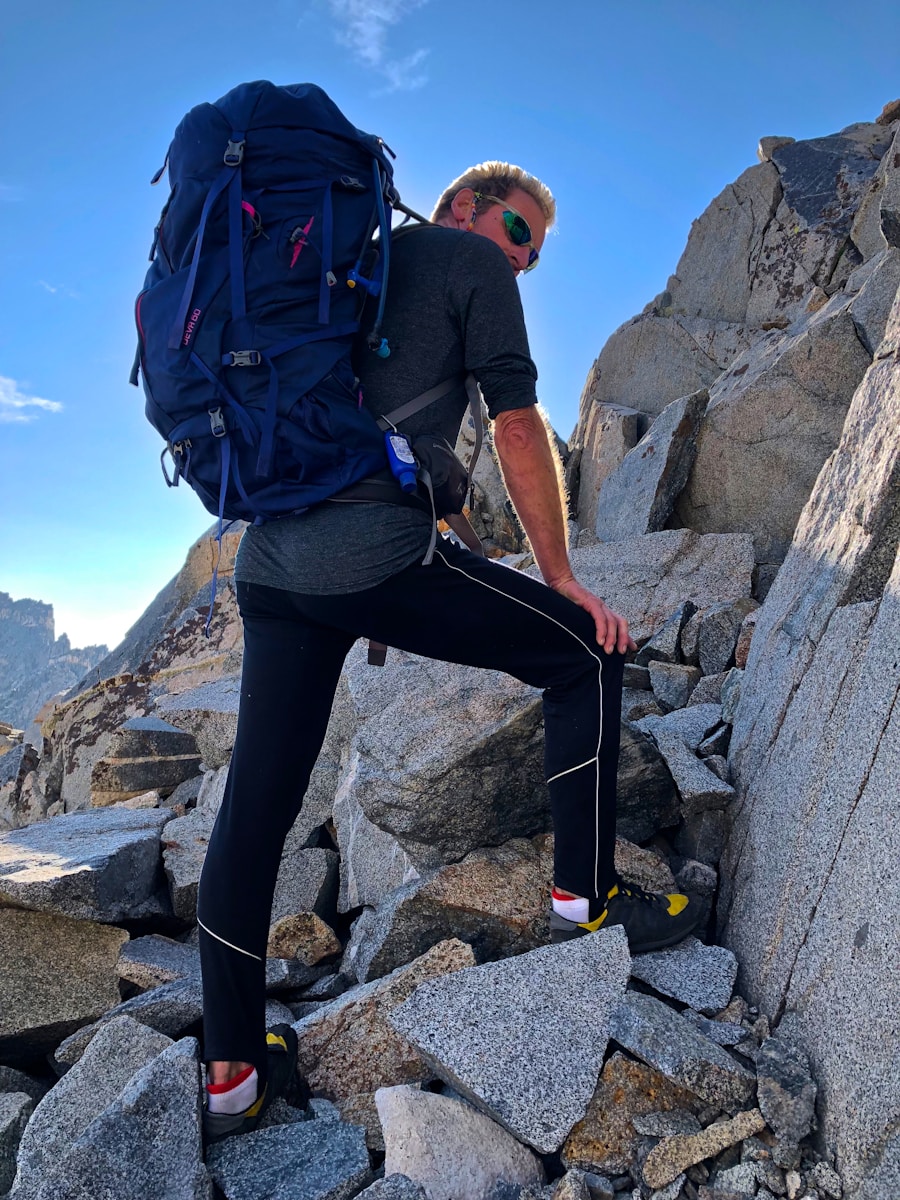
One of the most common problems caused by poor fit is friction. If your heel repeatedly lifts, or your foot slides inside the shoe, the rubbing can create hot spots and blisters. Shoes that are excessively tight can also create concentrated pressure around the toes, forefoot, or top of the foot.
Persistent heel or arch pain should not automatically be blamed on shoe fit. Conditions such as plantar fasciitis have multiple contributing factors. The AAOS plantar-fasciitis guidance notes that supportive, cushioned footwear and inserts may reduce stress and symptoms, but footwear advice alone is not a diagnosis or treatment plan.
Even when no injury develops, uncomfortable footwear can distract you, alter how you walk, slow your pace, or cause you to turn around earlier than planned. Addressing hot spots and fit problems before a long hike is easier than dealing with them several miles from the trailhead.
Warning: Persistent numbness, significant swelling, repeated blistering, severe heel pain, or pain that changes the way you walk should not be ignored. Stop using footwear that is causing symptoms and consider evaluation by a qualified medical professional.
Finding the Right Balance Between Support and Flexibility
Good hiking footwear balances fit, traction, protection, weight, and flexibility for the trail you are actually hiking. A light trail runner may feel excellent on maintained trails but offer less protection against sharp rocks or cold weather. A heavy boot may provide greater underfoot protection while feeling unnecessarily stiff or tiring on an easy trail.
Comfort is personal, but it should not require accepting obvious fit problems. Plush cushioning cannot compensate for toes hitting the front, and a stiff sole cannot make a shoe with the wrong width suddenly fit correctly.
| Fit Area | What You Want |
| Toe Room | About 1/2 inch, or roughly a thumb’s width, beyond the longest toe |
| Heel | Secure with little repeated lifting or rubbing |
| Midfoot | Held comfortably without pinching, tingling, or pressure |
| Downhill Test | Toes stay clear of the front while the heel remains controlled |
Tips for Properly Fitting Hiking Shoes
A careful fitting should consider much more than the number printed on the box. Use these steps before committing to a pair.
1. Measure Both Feet
Feet are not always identical. Measure both while standing and fit the larger foot. AAOS also recommends rechecking foot size periodically because foot dimensions can change over time.
2. Shop Later in the Day
Feet can become larger as the day progresses. Trying hiking shoes later in the day gives you a better idea of how they may feel after several hours on the trail.
3. Wear Your Actual Hiking Socks
Sock thickness changes the available space inside the shoe. Wear the same type of wool or synthetic hiking socks you expect to use outdoors rather than thin dress socks.
4. Check Length, Width, and Volume
A longer shoe is not always the answer to a cramped forefoot. If the length is correct but the sides feel squeezed, look for a wider size or a shoe built on a different last. Going longer merely to gain width can create extra sliding.
5. Leave Enough Toe Room
A useful target is about 1/2 inch, roughly a thumb’s width, between the longest toe and the front of the shoe. Your toes should also have enough width to rest naturally rather than being forced together.
Note: Do not automatically buy hiking footwear a half-size larger than your everyday shoes. Brand sizing, sock thickness, foot width, shoe shape, and the size of your larger foot matter more than a blanket sizing rule.
How to Test Hiking Shoes for the Right Fit
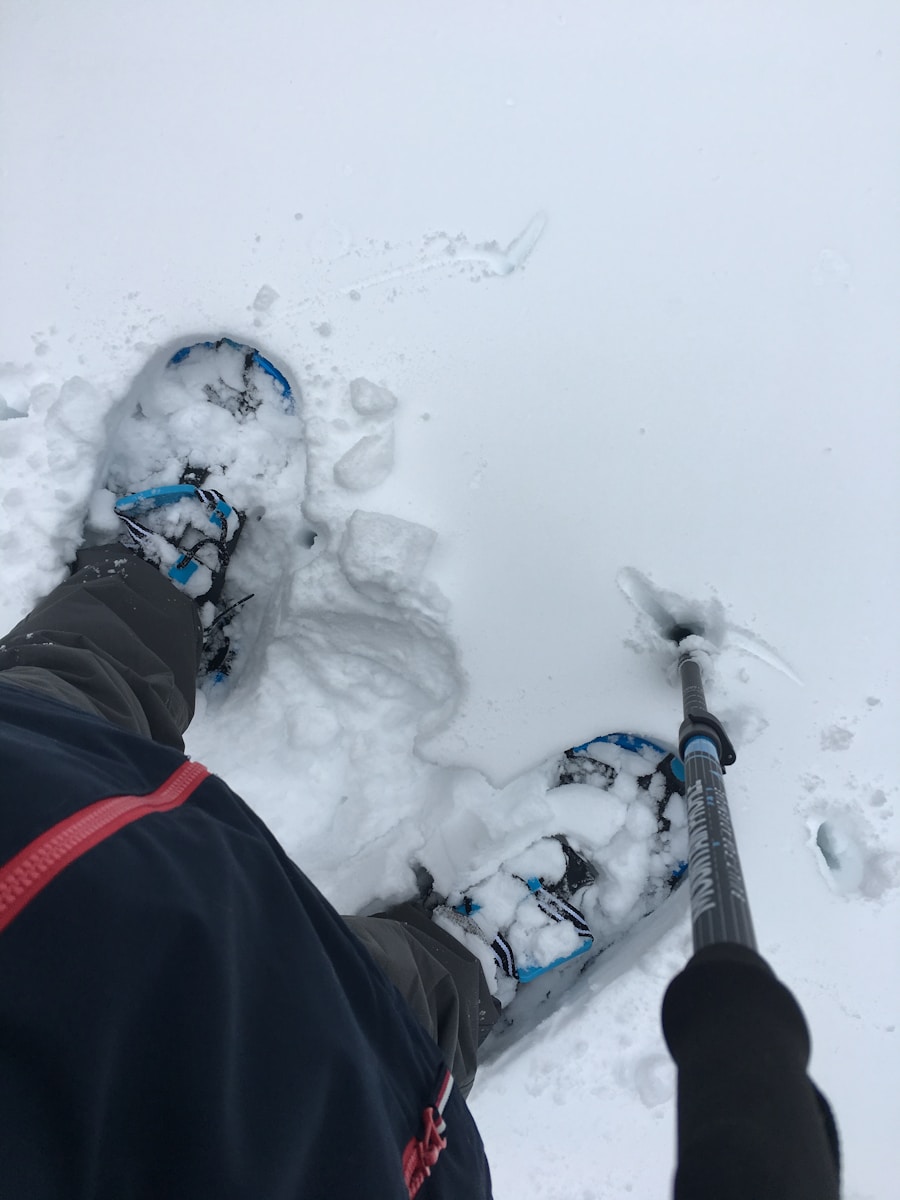
Standing still is not enough. Lace both shoes properly and walk for several minutes so you can feel what happens as your feet flex and your weight moves from heel to toe.
Walk on Level Ground
Look for pinching, rubbing, seams that press into the foot, excessive heel movement, or pressure across the forefoot. Nothing should become numb or tingly.
Test an Incline
If the store has a test ramp or stairs, walk both uphill and downhill. REI recommends moving around in hiking footwear and paying close attention to heel position, pressure points, and how the shoes behave on an incline.
On the downhill portion, your longest toe should not strike the front of the shoe. Repeated toe contact on descents can lead to painful “toe bang” and nail problems.
Try Side-to-Side Movement
Carefully shift laterally or step across an angled surface if the fitting area permits. Your foot should not slide dramatically from one side of the shoe to the other.
Test Both Shoes
Always wear the pair, not just one shoe. One foot may be slightly longer, wider, or higher-volume than the other.
Pro Tip: When testing a new pair at home, keep the footwear clean and follow the retailer’s return policy. A short indoor test on stairs can expose downhill toe pressure without making the shoes unreturnable.
Signs Your Hiking Shoes Are Too Tight
- Your toes touch or press against the front while standing or walking downhill.
- Your forefoot feels squeezed from the sides.
- You develop numbness, tingling, burning, or persistent pressure.
- The laces must be left unusually loose just to tolerate the shoe.
- Your toes cannot move comfortably inside the toe box.
- You develop repeat pressure spots in the same areas.
A shoe should not require painful “breaking in” before it becomes wearable. The basic shape, width, and length need to work from the start.
Signs Your Hiking Shoes Are Too Loose
- Your heel repeatedly lifts and rubs with each step.
- Your foot slides forward on descents.
- You need to overtighten the laces to keep the shoe on your foot.
- Your forefoot shifts side to side during turns or uneven footing.
- Your toes slam into the front even though the shoe has plenty of apparent length.
Some small movement may occur depending on the footwear design, but repeated rubbing or obvious sliding indicates a fit problem that should be addressed before a long hike.
Adjusting Lacing Techniques for Comfort
Lacing can fine-tune a hiking shoe that already fits reasonably well. It can help reduce heel movement, relieve pressure over the top of the foot, or change how firmly different parts of the shoe are held.
Heel-Lock Lacing
A heel-lock or runner’s-loop technique uses the upper eyelets to create extra tension around the ankle opening. This can reduce heel movement without tightening every part of the shoe equally.
Relieving Pressure on the Top of the Foot
If one spot across the instep feels pressured, reducing lace tension or temporarily skipping an eyelet over that area may help.
Know When Lacing Is Not the Solution
Lacing cannot correct a shoe that is fundamentally too short, too narrow, far too wide, or built for a very different foot shape. If you must overtighten the laces to prevent major movement, try a different size, width, or model instead.
Do Hiking Shoes Need to Be Broken In?
It depends on construction. Flexible hiking shoes and many trail runners may need little more than a few short walks to confirm comfort. Stiffer backpacking or mountaineering boots may benefit from progressively longer wear before a major trip.
The REI hiking-footwear guide advises breaking in more substantial hiking and backpacking boots before taking them into the backcountry.
Break-in should allow materials to flex and conform slightly; it should not be used to justify severe pinching, numbness, crushed toes, or an obviously incorrect size. Do not assume that every painful shoe will stretch enough to become comfortable.
When to Seek Professional Advice
A specialty outdoor footwear fitter can be useful when you have difficulty finding the right width, heel shape, or overall volume. A knowledgeable fitter can also compare different lasts and help identify whether a problem is coming from shoe size, sock thickness, lacing, or foot shape.
For ongoing foot or ankle pain, repeated numbness, significant swelling, or symptoms that continue across several different pairs of shoes, consider speaking with a podiatrist, sports-medicine clinician, orthopedic specialist, or another qualified healthcare professional. They can assess issues that cannot be solved simply by changing footwear.
The goal is not to find the tightest shoe you can tolerate. It is to find footwear that holds your foot securely, provides enough room for normal movement and swelling, and matches the conditions of the trail.
When it comes to the long-running debate over whether hiking shoes should be tight or loose, the practical answer is a secure but pressure-free fit: snug through the heel and midfoot, roomy enough at the toes, and stable during both climbs and descents.
Love travel? Join Our Facebook Community For More Tips.
Frequently Asked Questions
What is the importance of properly fitting hiking shoes?
Properly fitted hiking shoes hold the foot securely while leaving room for normal toe movement. Good fit can reduce unnecessary rubbing, pressure points, heel movement, and toe contact while improving comfort and control on uneven terrain.
Should hiking shoes be tight or loose?
Neither. Hiking shoes should feel snug around the heel and midfoot but should not squeeze the forefoot or toes. You need enough room for your feet to swell and for your toes to stay clear of the front of the shoe when walking downhill.
How much room should hiking shoes have in the toe box?
A useful target is about 1/2 inch, or roughly a thumb’s width, between your longest toe and the end of the shoe. The toe box should also be wide enough that your toes are not being compressed from the sides.
How can I determine the right fit for hiking shoes?
Try both shoes with your normal hiking socks, preferably later in the day. Walk on level ground and an incline. Check that your heel stays controlled, your forefoot is not squeezed, and your longest toe does not hit the front when walking downhill.
Should hiking shoes be a half-size bigger?
Not automatically. Some hikers end up in a larger size, but sizing varies between brands and models. Choose the size and width that gives your larger foot enough toe room while keeping the heel and midfoot secure.
What happens if hiking shoes are too tight?
Shoes that are too tight can create pressure, pinching, numbness, rubbing, toe pain, calluses, or blisters. They can become even less comfortable as your feet swell during a long day of walking.
What happens if hiking shoes are too loose?
Excess space can let the heel rub or allow the foot to slide forward and sideways. This can create hot spots and blisters and may make precise footing more difficult on uneven terrain.
Is heel slip normal in hiking shoes?
A tiny amount of movement may occur in some footwear, but repeated lifting that causes rubbing is a problem. Try adjusting the lacing first. If the heel still moves substantially, the shoe’s size, volume, or heel shape may not match your foot.
Sources
- American Academy of Orthopaedic Surgeons — Shoes: Finding the Right Fit — shoe sizing, later-day fitting, toe clearance, width, sock thickness, and heel security.
- American Academy of Orthopaedic Surgeons — Plantar Fasciitis and Bone Spurs — role of cushioning and supportive footwear in plantar-fascia symptoms.
- U.S. National Park Service — Hike Smart — appropriate trail footwear and hiking-safety guidance.
- REI Expert Advice — How to Choose Hiking Boots and Hiking Shoes — hiking-footwear selection, fitting, incline testing, toe room, and break-in guidance.
- PubMed — Influence of Blistering Lesions on Foot Functionality in Hikers — evidence on pain and disability associated with hiking blisters.
- Peer-reviewed systematic review of injuries among hikers — evidence on common hiking injuries, including foot blisters and ankle sprains.

