
Last Updated on September 10, 2026 by Daniel Globe
Hiking shoes do not have one fixed expiration mileage. As a practical benchmark, a solid low-cut hiking shoe may last up to about 500 miles, while a sturdier hiking boot can sometimes last roughly twice that distance or more, especially when its construction allows resoling. Actual lifespan depends on terrain, construction, fit, load, care, storage, and how the footwear is wearing—not mileage alone.
Quick Answer
A good hiking shoe may last up to about 500 miles, while heavier hiking boots can sometimes reach roughly 1,000 miles or more. Treat those figures as rough guides. Replace footwear sooner if the tread loses grip, cushioning collapses, the sole separates, the upper fails, or the shoe no longer feels stable and comfortable.
Key Takeaways
- A solid hiking shoe may last up to about 500 miles; sturdier hiking boots can last roughly twice as long or more in favorable conditions.
- Mileage is only a guide. Tread, cushioning, sole integrity, upper condition, terrain, load, and age are better replacement indicators.
- Clean dirt and mud away, follow the shoe manufacturer’s care instructions, and air-dry footwear away from direct heat.
- Some hiking boots can be resoled, but many lightweight or injected-sole hiking shoes cannot.
- Even lightly used footwear can age in storage, so inspect older shoes for cracking, crumbling foam, hardened rubber, or sole separation before a serious hike.
Disclosure: As an Amazon Associate I earn from qualifying purchases. Some links on this page are affiliate links, at no extra cost to you.
How Long Do Hiking Shoes Usually Last?
The commonly quoted 500-to-1,000-mile range needs an important distinction. According to REI’s comparison of hiking boots and hiking shoes, a solid hiking shoe may last up to about 500 miles, while a solid hiking boot can last roughly twice that distance or more, particularly when it can be resoled.
| Footwear Type | Useful Lifespan Guide |
| Trail-running shoes | Often around the 500-mile range, but aggressive terrain or soft cushioning can shorten useful life. |
| Low-cut hiking shoes | Up to about 500 miles is a reasonable benchmark for a solid pair, but inspection matters more than reaching a specific number. |
| Sturdy hiking or backpacking boots | Roughly 1,000 miles or more can be possible with durable construction, suitable use, good care, and resoling where the design permits it. |
These figures are not warranties or automatic replacement deadlines. A lightweight shoe used on sharp rock may wear out much earlier, while a durable boot used mainly on moderate trails may remain serviceable much longer. The condition of the outsole, midsole, upper, seams, and bonding should ultimately decide whether footwear is still ready for the trail.
Mileage is a useful reminder to inspect hiking shoes, not a countdown clock. A shoe that has lost grip, structure, or sole integrity should be retired even if it has not reached 500 miles.
Factors That Affect the Longevity of Hiking Shoes
Several factors determine how quickly hiking footwear wears. Terrain is one of the biggest. Sharp rock, scree, rough pavement, roots, and abrasive surfaces can wear lugs and uppers much faster than smooth dirt paths. Wet or muddy use can also be hard on footwear when grit is left in seams and flex points or when shoes stay damp for long periods.
Footwear Construction and Materials
Lightweight trail runners and low-cut hiking shoes generally use thinner uppers and more flexible midsoles than robust backpacking boots. That keeps weight down and can improve flexibility, but it often means less long-term durability. Leather, textile, synthetic mesh, EVA or polyurethane midsoles, rubber compounds, bonding methods, and reinforcement all affect how a particular model ages.
Price alone is not a reliable durability test. A more expensive shoe may prioritize light weight, cushioning, grip, or breathability rather than maximum lifespan. The better question is whether the construction matches your terrain and type of hiking.
Terrain, Frequency, Load, and Walking Pattern
A pair used for daily hikes will naturally accumulate wear faster than a pair used a few weekends each year. Pack weight and total load can also place additional demand on cushioning and structure, while individual walking patterns often create uneven wear at the heel, forefoot, or outer edge.
Rather than assuming that body weight or mileage alone determines lifespan, inspect your own shoes for asymmetric wear, compressed foam, worn lugs, and changes in feel.
Moisture, Drying, and Storage
Regular exposure to water is not automatically damaging to outdoor footwear, but poor drying and storage practices can shorten its useful life. Dirt and grit should be removed, and wet footwear should be dried at moderate temperatures rather than beside a fire, radiator, heater, or other strong heat source.
Salomon’s current footwear-care guidance recommends removing dirt and mud with a soft wet brush and drying shoes at room temperature without an external heat source, including direct sun.
Note: Low mileage does not guarantee that an old pair is safe to use. Polyurethane midsoles can deteriorate naturally with age and moisture exposure in storage, a process known as hydrolysis. Crumbling foam, cracking near the midsole, or sudden sole separation are warning signs.
Signs That Your Hiking Shoes Need to Be Replaced
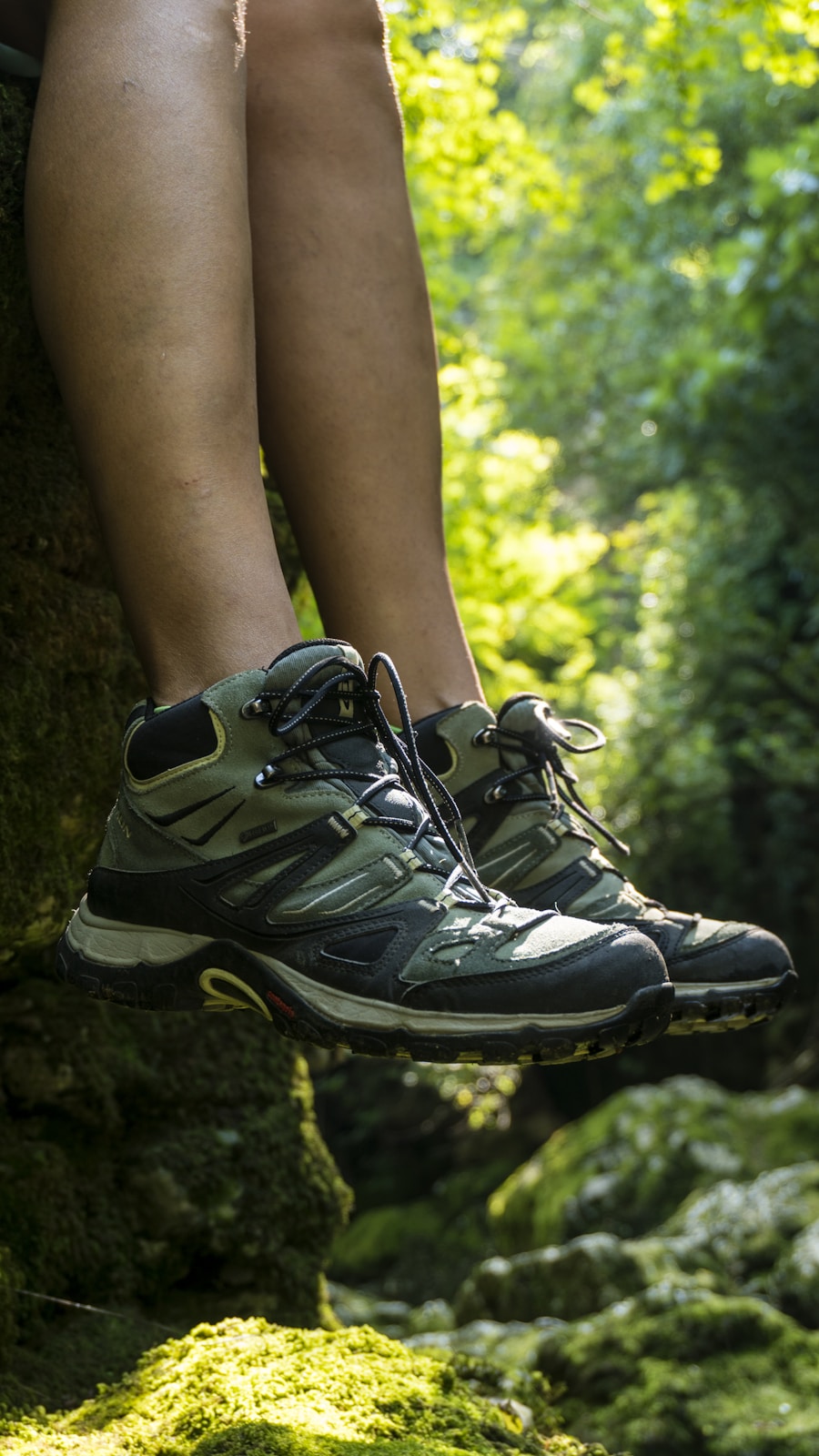
Visible outsole wear is one of the easiest replacement signs to spot. Look at the heel, forefoot, and edges of both shoes rather than checking only one area. If the tread pattern has become smooth, lugs are rounded away, or sections of rubber are missing, traction can be significantly reduced on loose, wet, or uneven terrain.
Check the Outsole
- Deep lugs have become shallow or smooth.
- The heel or forefoot has worn unevenly.
- Rubber is cracked, hardened, peeling, or separating.
- You notice less dependable grip on surfaces where the shoes previously felt secure.
Check the Midsole and Cushioning
A shoe can look acceptable on the outside while its cushioning has changed substantially. Compare the left and right shoes and look for collapsed or uneven foam, deep compression lines, cracking, crumbling material, or a shoe that visibly leans when placed on a flat surface.
Also pay attention to how the shoes feel. A persistent loss of cushioning or stability that remains after checking fit, socks, insoles, and lacing can be another sign that the footwear is nearing the end of its useful trail life.
Check the Upper, Seams, and Bonding
- Tears have developed in high-flex areas.
- Seams are opening or stitching is failing.
- Eyelets or lace hardware are pulling away.
- The outsole or midsole is separating from the upper.
- Toe or heel structure has become badly distorted.
Blisters or hotspots do not automatically mean the shoe is worn out. They can also result from poor fit, different socks, swelling, moisture, or lacing. However, new discomfort in a pair that previously fit well is a good reason to inspect the shoe closely.
Warning: Do not rely on footwear with a separating sole, badly degraded tread, crumbling midsole, or major structural damage for a remote or technical hike. A failure that is merely inconvenient near home can become a serious problem several miles from a trailhead.
Tips for Extending the Lifespan of Your Hiking Shoes
| Tip | Description |
| Keep them clean | Brush away dirt, grit, and mud before they remain packed into flex points, seams, and tread. |
| Allow them to dry | Remove insoles when practical and air-dry footwear at moderate or room temperature away from direct heat. |
| Store them properly | Choose a cool, dry, ventilated location with stable temperatures rather than a hot vehicle, damp basement, or poorly ventilated storage area. |
| Replace worn insoles | A worn removable insole can be replaced for fit or comfort, but a new insole cannot repair a worn outsole or failed midsole. |
| Restore water repellency when needed | For compatible waterproof footwear, follow the manufacturer’s instructions and restore the exterior water-repellent treatment when water no longer beads properly. |
Proper fit is another important part of footwear longevity and comfort. Hiking shoes should feel snug without being tight and should leave room for the toes. REI’s 2026 hiking-footwear fit guide recommends trying footwear with the socks you intend to use and allowing roughly a thumb’s width between the longest toe and the end of the insole.
Rotating between two pairs can be useful for frequent hikers because a wet pair has time to dry fully before its next outing. Rotation does not magically increase the total number of miles that footwear materials can withstand, but it can reduce repeated use while one pair is still damp and spreads mileage between pairs.
Pro Tip: Track hiking-shoe mileage in the same app, spreadsheet, or trail log you use for hikes. Mileage will not tell you the exact retirement date, but it gives you a useful reminder to inspect a pair more carefully as the total climbs.
Proper Care and Maintenance of Hiking Shoes
Regular inspection and simple care can prevent small problems from becoming larger ones. Check laces, eyelets, seams, toe protection, the outsole edge, and high-flex areas after muddy or demanding trips. Replace damaged laces and address repairable stitching or hardware problems before they worsen.
1. Remove Loose Dirt
Remove the laces if a thorough cleaning is needed. Shake out gravel and debris, remove the insoles when practical, and brush dry mud or dirt from the upper and outsole.
2. Clean According to the Manufacturer’s Instructions
REI’s hiking-boot care guide recommends a soft brush and an appropriate footwear cleaner, while cautioning that some ordinary soaps and detergents contain additives that can harm leather or waterproof membranes. Because leather, mesh, synthetic fabric, suede, nubuck, and waterproof footwear have different requirements, the shoe manufacturer’s instructions should take priority.
3. Air-Dry at Moderate Temperatures
Remove wet insoles and allow them to dry separately. A fan can speed drying without exposing the footwear to damaging heat. Avoid fires, radiators, heaters, clothes dryers, and other high-temperature shortcuts because heat can weaken adhesives and prematurely age materials.
4. Condition Leather Only When Appropriate
Full-grain leather may benefit from a compatible conditioner when it looks dry or begins to crack, but products intended for one leather type should not automatically be used on suede, nubuck, synthetic fabric, or membrane-lined footwear. Excessive conditioning can also soften leather more than intended.
5. Restore DWR When Water Stops Beading
On compatible waterproof footwear, loss of surface water beading does not necessarily mean that the waterproof membrane itself has failed. The outer durable water-repellent treatment, or DWR, may simply need maintenance. GORE-TEX footwear-care instructions recommend cleaning the footwear first and reapplying a suitable water-based water-repellent treatment when water no longer beads and runs off the surface.
Note: A wet-looking outer fabric and a leaking waterproof membrane are not the same problem. If water stops beading but your feet remain dry, the exterior treatment may need restoration rather than the footwear needing immediate replacement.
When to Retire Your Hiking Shoes
Visible Signs of Wear
Worn-out soles, damaged uppers, cracked or crumbling midsoles, and sole separation are clear reasons to consider repair or replacement. Less obvious changes matter too. If cushioning has flattened, the shoe sits unevenly, stability has changed, or grip has noticeably declined, the footwear may be nearing retirement even when the upper still looks presentable.
Older footwear deserves extra attention even when it has low mileage. Some polyurethane midsoles are subject to hydrolysis, a natural aging process in which material can become brittle, crack, crumble, or separate. LOWA’s current U.S. footwear guidance specifically notes that this can occur after extended storage.
Changes in Hiking Habits or Terrain
A pair that worked well for casual day hikes may no longer be the right tool if you begin carrying a heavier backpack, hiking longer distances, or moving onto rougher mountain terrain. In that situation, the shoes may not be physically worn out, but replacing or supplementing them with footwear designed for the new use can make sense.
Similarly, lightweight hiking shoes that feel excellent on maintained forest paths may not provide the protection or durability you want for repeated scree, snow, sharp rock, or off-trail travel.
Timely Decisions
Do not wait for a dramatic failure before thinking about replacement. Inspect questionable footwear before an important trip and test older pairs on a short local walk before trusting them several miles into the backcountry.
If the shoe still feels stable, has adequate tread, shows no structural separation or material breakdown, and remains suitable for your terrain, an arbitrary mileage figure alone is not a reason to throw it away. Conversely, obvious structural deterioration is a reason to stop relying on it even when the recorded mileage is low.
Can Hiking Shoes Be Resoled?
Resoling can extend the life of some hiking footwear, but it depends on construction. Traditional, cemented, stitched, or specifically recraftable boots are often better candidates than lightweight molded or injected footwear.
For example, LOWA’s current U.S. resoling program identifies specific cemented backpacking and mountaineering models that can be resoled while explaining that certain injected-sole models cannot be fully resoled without compromising structural integrity.
A resole also makes sense only when the rest of the shoe is healthy. If the upper is badly torn, the midsole is deteriorating, the heel structure is distorted, or multiple components are failing, replacing the shoe may be more practical than replacing only the outsole.
Pro Tip: Check the manufacturer’s repair or recrafting policy before taking hiking footwear to a general cobbler. Construction varies widely, and a model that looks resoleable from the outside may not be designed for full sole replacement.
Importance of Investing in Quality Hiking Shoes
Quality hiking footwear can improve comfort, grip, durability, and protection, but “quality” should not be confused with simply buying the most expensive pair. The best shoe is one that fits correctly and is built for the terrain, distance, weather, and load you expect to encounter.
Well-designed hiking shoes may combine reinforced uppers, supportive midsoles, and lugged rubber outsoles while still remaining lighter and more flexible than backpacking boots. Heavier hiking boots often use more substantial materials and construction because they are intended for rougher terrain and heavier loads.
Some models use branded components such as Vibram outsoles or GORE-TEX waterproof membranes. These technologies can be useful, but the brand name of one component does not guarantee that every shoe will provide the same grip, breathability, durability, or lifespan. Outsole compound, lug pattern, fit, overall construction, and intended use still matter.
Paying more can make sense when it buys the features and repairability you genuinely need. A durable, resoleable boot may offer excellent long-term value for a frequent backpacker, while a lighter hiking shoe may be the better choice for a day hiker who values flexibility and low weight.
Eco-Friendly Options for Disposing of Old Hiking Shoes
Footwear that is no longer right for demanding hikes does not always have to go directly into the trash. If a pair is still clean, structurally sound, and wearable, donation or reuse can give it a second life. A retired trail shoe with worn-down lugs, for example, may sometimes remain suitable for light yard work or other non-technical use if its sole and structure are still intact.
The U.S. Environmental Protection Agency’s current recycling guidance, updated in 2026, recommends donating gently worn shoes when appropriate and checking with local charities or retailers to determine whether damaged footwear is accepted for recycling.
Manufacturer repair, recrafting, trade-in, or take-back programs are also worth checking before disposal. Acceptance rules vary considerably. Some programs accept only certain brands or types of athletic footwear, while others do not accept hiking boots at all.
Do not assume ordinary curbside recycling will accept a mixed-material hiking shoe. Footwear can combine rubber, EVA or polyurethane foam, adhesives, textile, leather, plastic, and metal components that require specialized processing.
Some footwear brands are also increasing their use of recycled or lower-impact materials. However, claims such as “biodegradable” should be evaluated against the manufacturer’s actual disposal instructions rather than assuming a shoe can be placed in a household compost bin or normal recycling stream.
For longer hikes, footwear is only one part of preparing well. Staying hydrated matters too, and this guide to 5 portable water bottles for outdoor adventures can help you choose a practical option for the trail.
Love travel? Join Our Facebook Community For More Tips.
Sources
- REI — Hiking Boots vs. Hiking Shoes — hiking-shoe versus hiking-boot durability, construction, and approximate mileage.
- REI — How to Clean Hiking Boots — cleaning, drying, storage, and leather-care practices.
- Salomon — Footwear Care — cleaning mud and dirt and drying footwear away from external heat.
- GORE-TEX — Footwear Care Instructions — washing, drying, and restoring durable water repellency.
- LOWA — Resoling Service — which footwear constructions can and cannot be fully resoled.
- U.S. Environmental Protection Agency — Recycling Common Materials — current guidance for donating and recycling old shoes.
Frequently Asked Questions
What is the typical lifespan of hiking shoes?
A solid hiking shoe may last up to about 500 miles, although some pairs wear out sooner. Sturdier hiking boots can sometimes last roughly 1,000 miles or more. Terrain, construction, fit, load, care, and shoe condition matter more than reaching a fixed mileage.
What factors can affect the lifespan of hiking shoes?
Major factors include outsole and midsole construction, abrasive terrain, how frequently the shoes are used, total load, walking pattern, moisture exposure, drying practices, storage conditions, and general maintenance.
How can I extend the lifespan of my hiking shoes?
Remove mud and grit regularly, clean the shoes according to the manufacturer’s instructions, air-dry them away from direct heat, store them in a dry and ventilated location, maintain compatible leather or water-repellent treatments when needed, and repair minor damage before it spreads.
When should I replace my hiking shoes?
Consider replacement when tread no longer provides reliable grip, cushioning or stability has noticeably deteriorated, the midsole is cracked or crumbling, the sole is separating, the upper has major structural damage, or the footwear is no longer suitable for your hiking conditions.
Can resoling hiking shoes extend their lifespan?
Yes, when the footwear was designed to be resoled and the upper and supporting structure remain in good condition. Many traditional or cemented hiking boots can be resoled, while some lightweight or injected-sole hiking shoes cannot. Check with the manufacturer or an experienced footwear repair specialist first.
Can hiking shoes become too old even if they are rarely used?
Yes. Some materials age even during storage. Polyurethane midsoles, for example, can deteriorate through hydrolysis and may eventually crack, crumble, or separate. Inspect older footwear carefully and test it close to home before relying on it for a long or remote trip.
Does replacing the insole make an old hiking shoe last longer?
Replacing a worn removable insole can improve fit or comfort, but it does not restore a compressed midsole, worn tread, damaged upper, or separating sole. Inspect the entire shoe before deciding that an insole replacement is enough.
