Last Updated on September 10, 2026 by Daniel Globe
Wet hiking boots do not need aggressive heat to dry quickly. The safest approach is to remove the insoles and laces, get rid of surface water and dirt, open the boots as much as possible, and use steady airflow at a moderate room temperature. Absorbent paper or a suitable convection-style boot dryer can speed things up without exposing the footwear to damaging heat.
Quick Answer
To dry hiking boots safely, remove the insoles and laces, drain or blot excess water, loosen the tongue, and let the boots dry at room temperature with good airflow. Stuff very wet boots loosely with absorbent paper and replace it when damp. Avoid radiators, fires, clothes dryers, ovens, hot cars, and other direct heat.
Key Takeaways
- Remove the insoles and loosen or remove the laces so moisture can escape from inside the boots.
- Use room-temperature airflow as the default drying method; a fan can speed evaporation without adding damaging heat.
- For soaked boots, use newspaper or absorbent paper loosely and replace it as soon as it becomes damp.
- A convection-style or manufacturer-approved boot dryer can help, but high heat should be avoided.
- Leather, synthetic, insulated, and waterproof-membrane boots may require different cleaners and after-care products.
- Do not store hiking boots until the lining, toe box, tongue, footbed area, and removable insoles are fully dry.
At a Glance
| Time Required | Several hours to 24+ hours; soaked, insulated, or membrane-lined boots may take longer |
| Difficulty | Easy |
| Tools Needed | Soft brush or cloth, absorbent paper or towels, plus a fan or suitable boot dryer if available |
| Cost | Usually $0 with household supplies; more if you choose to use a boot dryer |
Drying matters for both the boots and your feet. Persistent dampness can produce musty odors and can encourage mildew if footwear is stored wet. Moist conditions inside footwear are also undesirable for foot hygiene. The CDC recommends keeping feet dry and changing shoes and socks regularly.
Wet footwear can also make a hike uncomfortable. Damp skin rubbing against damp socks or footwear can increase friction and blister risk. Drying the boots completely before the next outing, and starting with clean, dry socks, helps avoid that problem.
Disclosure: As an Amazon Associate I earn from qualifying purchases. Some links on this page are affiliate links, at no extra cost to you.
How to Dry Hiking Boots Step by Step
- Empty the boots. Pour out any standing water and shake out sand, grit, or debris.
- Remove the insoles and laces. Dry the removable footbeds separately and pull the tongue forward to open the boot.
- Clean off mud and dirt. Use a soft brush, cloth, and the cleaning method approved for the boot material.
- Blot excess moisture. A dry towel can remove water before air drying begins.
- Add gentle airflow. Leave the boots in a dry, ventilated room. A fan aimed toward the openings can speed evaporation.
- Use absorbent paper if they are soaked. Stuff the toe box loosely and replace the paper once it becomes damp.
- Check the deepest areas before relacing. The toe box, lining, tongue, ankle padding, footbed area, and insoles should all feel dry rather than cool and clammy.
Warning: Do not speed-dry hiking boots on a radiator, heater, fireplace, campfire, stove, oven, clothes dryer, hot car dashboard, or with a hair dryer on a hot setting. Excessive heat can dry or crack leather, distort materials, and harm adhesive bonds. Both Nikwax and LOWA recommend slow drying away from direct heat.
Removing Insoles and Laces
Removing the insoles and laces is one of the easiest ways to improve airflow. Footbeds can hold a surprising amount of moisture, especially after a long day when rain and perspiration have both worked their way into the boot.
Take the insoles completely out and place them somewhere ventilated to dry separately. Pull the tongue forward and loosen the boot opening. If the laces are muddy, wet, or make it difficult to open the boot fully, remove them as well.
This is also a useful time to inspect both parts. Replace badly frayed laces, and check whether the insoles are compressed, torn, permanently curled, or no longer providing comfortable support.
This preparation is consistent with current GORE-TEX footwear-care guidance, which recommends removing the laces and, when possible, the removable footbed before cleaning and drying.
Cleaning and Wiping Down Boots
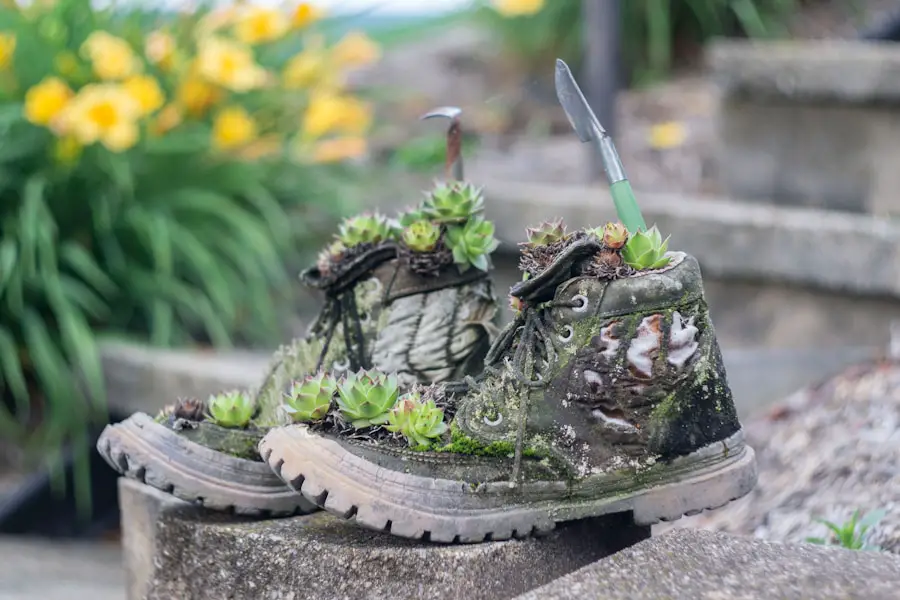
Before drying muddy boots, remove loose dirt, grit, and debris with a soft brush or cloth. Grit can work into leather and textile surfaces, while thick mud slows cleaning and can leave the boots harder to inspect.
For a deeper clean, use lukewarm or cool water and a cleaner that is appropriate for the material. Some footwear manufacturers allow a small amount of mild soap or liquid detergent, while others recommend a dedicated footwear cleaner. Leather boots in particular should be cleaned according to the maker’s instructions.
Note: Do not assume one cleaner works for every boot. Leather, nubuck, suede, textile uppers, and waterproof membranes can have different care requirements. When the boot maker’s instructions differ from general advice, follow the manufacturer.
After cleaning, wipe away surface water with a towel. You are not trying to squeeze or wring the boot; the goal is simply to remove water that would otherwise have to evaporate later.
Stuffing Boots with Newspaper or Absorbent Paper
| Benefits of Stuffing Boots with Newspaper | Drawbacks and Limits |
| Absorbs water from the lining and toe box | Stops helping once the paper becomes saturated |
| Helps lightly support the boot’s shape | Packing it too tightly reduces open space for airflow |
| Inexpensive and widely available | Plain absorbent paper or towels may be preferable for light-colored linings if ink transfer is a concern |
For very wet hiking boots, crumpled newspaper or another absorbent paper can pull moisture from areas that do not receive much airflow. LOWA and Nikwax both include newspaper in their footwear-drying guidance.
Insert the paper loosely instead of compacting it hard into the boot. Make sure some reaches the toe area, where moisture often lingers longest. Once the paper feels damp or saturated, take it out and replace it with dry material.
Pro Tip: The first batch of paper may become wet quickly when the boots are soaked. Check it after the initial drying period and replace it rather than leaving saturated paper pressed against the lining overnight.
Using a Boot Dryer
A boot dryer can be useful when you hike frequently in wet conditions or need dependable overnight drying. The key is choosing a drying method that moves air through the boot without exposing it to excessive heat.
GORE-TEX footwear-care instructions state that convection-style boot dryers can work well, while also advising users to dry footwear at moderate temperatures and avoid direct heat.
Before using any powered dryer, check both the boot manufacturer’s care instructions and the dryer’s directions. Place the boots on the device with the insoles removed unless the instructions say otherwise. Do not substitute a space heater or other improvised high-heat appliance for a footwear dryer.
A suitable dryer can be especially helpful for thick, insulated, or waterproof footwear, but no device guarantees a fixed drying time. Saturation level, boot construction, room humidity, and airflow all affect how long the process takes.
Air Drying Hiking Boots
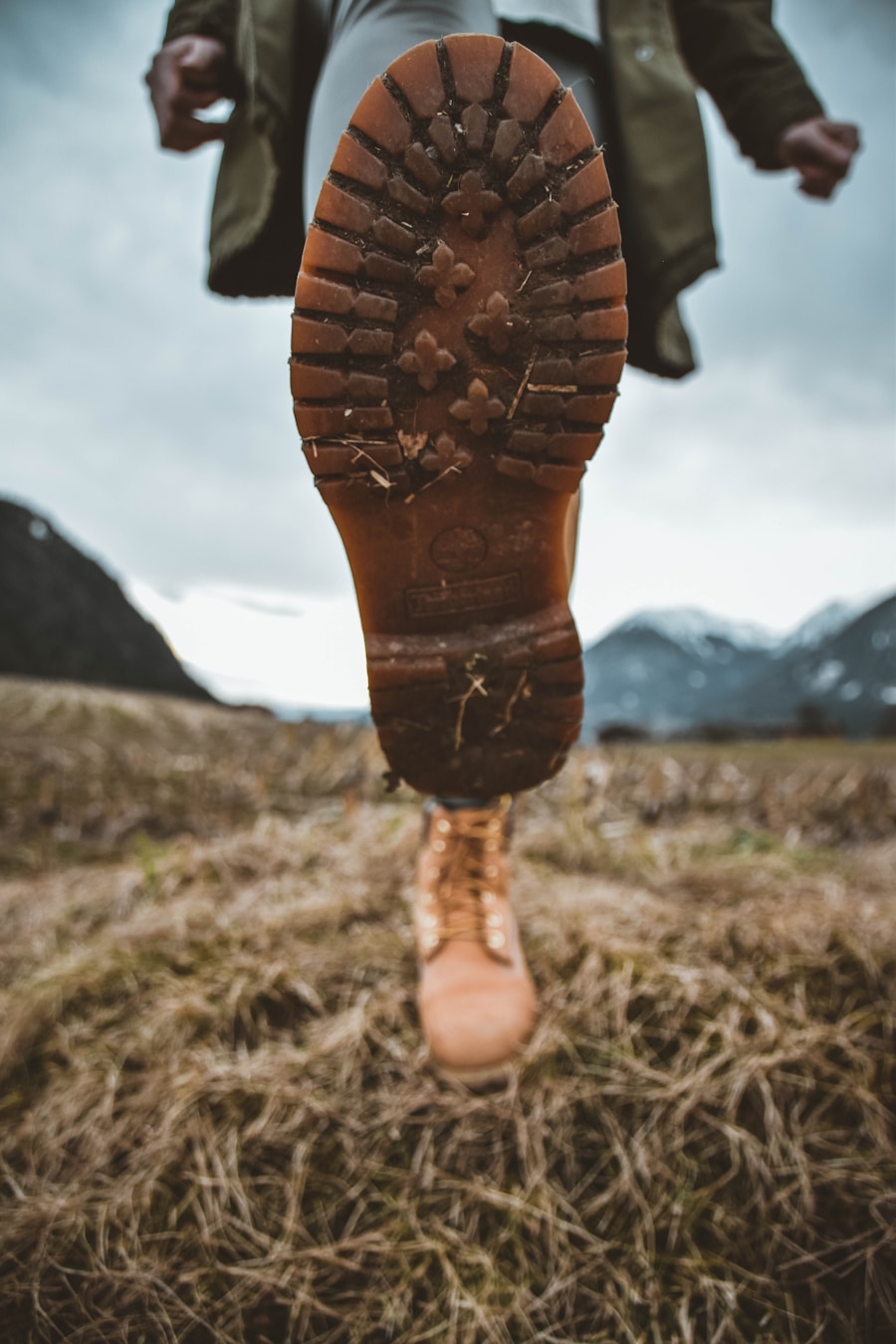
Air drying at a moderate room temperature is the safest default for most hiking boots. Put them in a dry, well-ventilated location and keep the openings exposed to moving air.
A small fan can make a noticeable difference because it moves humid air away from the boot and replaces it with drier room air. Aim the fan toward or across the boot openings rather than heating the footwear.
You can place the boots upright with the tongues pulled open, on their sides, or in another stable position that exposes the interior. The important point is to prevent the openings from collapsing shut and to let moisture escape.
Do not leave wet leather or other heat-sensitive footwear baking in strong direct sunlight. Salomon instructs owners to dry footwear at room temperature away from excessive heat and sun, while LOWA similarly recommends a ventilated area away from direct heat.
How Long Do Hiking Boots Take to Dry?
There is no single drying time that applies to every hiking boot. Lightly damp synthetic footwear with the insoles removed may dry in several hours, while saturated leather, insulated boots, or boots with thick padding and waterproof membranes can require overnight drying or more than 24 hours.
Drying speed depends on:
- how much water entered the boot;
- upper and lining materials;
- insulation and padding thickness;
- whether the insoles and laces are removed;
- room temperature and humidity;
- air movement;
- whether damp absorbent paper is replaced promptly.
Drying time is better judged by the boot than by the clock: the toe box, lining, tongue, padding, footbed area, and removable insole should all feel dry before the boot goes back into storage.
How to Dry Hiking Boots Overnight
When you need the boots again the next morning, begin drying as soon as possible. Remove the insoles and laces, blot standing water, and open the tongue fully. Use absorbent paper in the wettest areas and replace the first batch once it becomes damp.
Then place the boots where a room-temperature fan can move air through the openings overnight. A manufacturer-approved convection boot dryer is another option. Avoid the temptation to compensate for limited time by turning up the heat.
If the boots are still damp in the morning, do not assume that wearing them will finish the job harmlessly. Thick toe boxes and ankle padding can retain moisture even when the exterior feels dry.
Drying Wet Boots on the Trail or at Camp
Backcountry drying is slower because electricity and dry indoor air may not be available. Start by taking the boots off whenever conditions allow, removing the insoles, loosening the laces, and opening the tongues.
Shake out water and wipe the inside with a dry camp towel if you have one. If dry absorbent paper is available, use it loosely and change it once wet. Otherwise, maximize airflow and keep the boots protected from new rain or condensation.
Do not put wet hiking boots close to a campfire. Intense localized heat can damage leather and other materials long before the inside of the boot has dried evenly.
For multi-day wet trips, carrying dry spare hiking socks is often more realistic than expecting saturated waterproof boots to become completely dry overnight.
Avoiding Direct Heat Sources
Direct heat may make the outside of a boot feel dry quickly, but rapid heating can damage the materials that make the footwear supportive and durable.
Nikwax warns that excessive heat can cause irreversible leather damage and harm footwear adhesives. LOWA likewise warns that direct heat can cause wet leather to shrink, become brittle, or crack.
That means avoiding:
- radiators and space heaters;
- fireplaces and campfires;
- ovens or clothes dryers;
- hot air from a hair dryer;
- strong direct sunlight for prolonged drying;
- closed hot vehicles or dashboards.
Gentle airflow is the safer shortcut. A fan or suitable convection-style footwear dryer speeds evaporation without concentrating intense heat on one part of the boot.
Adjust the Method to Your Boot Material
Leather Hiking Boots
Leather should dry gradually away from direct heat. Once clean and appropriately dried, use only conditioners or waterproofing treatments recommended for that particular leather. Products designed for smooth leather may alter the appearance or texture of nubuck or suede.
Synthetic and Textile Boots
Synthetic and textile uppers generally do not need leather conditioner. Clean them according to the manufacturer’s instructions and rely on moderate-temperature airflow for drying.
Waterproof-Membrane Boots
A waterproof membrane does not eliminate the need to dry the boot. Water can still soak the lining, padding, removable footbed, and exterior face fabric. For GORE-TEX footwear, the brand recommends natural drying at moderate temperatures and allows convection-style boot dryers.
If water no longer beads on the exterior, GORE-TEX recommends restoring the durable water-repellent finish with a suitable water-based treatment. It cautions against waterproofing waxes or greases that can reduce breathability. Always check the boot manufacturer’s directions before applying any treatment.
What to Do After the Boots Are Dry
Do not immediately put everything back together just because the outside feels dry. Reach into the toe box and press the lining and padding. Check underneath the tongue and feel the removable insoles on both sides.
Once every part is dry, reinstall the insoles and laces. If the boots were cleaned thoroughly and their water repellency has weakened, apply the material-appropriate treatment according to the footwear manufacturer’s instructions.
If odor remains after complete drying, clean the lining only with a product or method approved for the footwear. More importantly, avoid repeatedly storing the boots damp. Regularly drying removable insoles and allowing the boots to air between hikes helps prevent persistent odors.
Storing Hiking Boots Properly
After the boots are completely dry, store them in a cool, dry, ventilated location away from strong sunlight and heat. LOWA specifically advises dry, well-ventilated storage and warns against damp enclosed areas.
Boot trees or loose paper can provide light support if you want to maintain the shape of the toe box. Do not tightly pack the boots or seal them away while they are still damp.
A breathable shoe bag, ventilated box, or open storage area is preferable when there is any chance residual moisture remains. Avoid damp basements, hot vehicle trunks, and other places where temperature and humidity fluctuate severely.
If you’re preparing for a hiking trip, seasonal weather matters too. Checking likely rainfall, heat, and trail conditions before departure can help you plan footwear, spare socks, and drying time. For example, travelers planning an outdoor trip can use this guide to the best time to travel to Turkey as part of broader seasonal trip planning.
Frequently Asked Questions
What are the best methods for drying hiking boots?
Remove the insoles and laces, open the tongue, blot excess water, and air dry the boots at a moderate room temperature with good airflow. A fan, loose absorbent paper, or a manufacturer-approved convection-style boot dryer can speed the process without exposing the footwear to intense heat.
How long does it take for hiking boots to dry?
Drying can take several hours to more than 24 hours. Light synthetic footwear usually dries faster than heavily soaked, insulated, leather, or thickly padded boots. Humidity, airflow, saturation, and whether the insoles have been removed also make a major difference.
Can I put my hiking boots in the dryer?
Do not put hiking boots in a household clothes dryer unless the footwear manufacturer explicitly says it is safe. Heat and tumbling can damage materials, adhesives, shape, or trim. Room-temperature airflow or an approved footwear dryer is the safer choice.
What should I do if my hiking boots get wet while on a hike?
When you reach a safe stopping point, remove the insoles, loosen the laces, open the tongues, and drain or wipe away as much water as possible. Let the boots ventilate under cover. Use dry absorbent material if available, but keep the footwear away from a campfire or other intense heat.
How can I prevent my hiking boots from getting wet in the first place?
Choose footwear appropriate for the conditions, maintain the manufacturer’s recommended water-repellent treatment, and consider gaiters in rain, mud, snow, or wet vegetation. Avoid unnecessary deep-water crossings when possible, and carry spare moisture-wicking socks on wet trips.
Can I use a hair dryer on hiking boots?
Avoid using a hair dryer on a hot setting. Concentrated heat can dry leather too aggressively and may affect adhesives or other heat-sensitive components. A room-temperature fan provides airflow without the same heat risk.
How do I know when my hiking boots are completely dry?
Check more than the outer surface. Feel inside the toe box, around the heel and ankle padding, beneath the tongue, and across the footbed area. Dry the removable insoles separately and reinstall them only when both sides feel dry rather than cool or clammy.
Sources
- GORE-TEX Footwear Care Instructions — supports removing laces and footbeds, moderate-temperature drying, avoiding direct heat, convection boot dryers, and DWR care.
- LOWA Boot Care Instructions — supports removing insoles and laces, ventilated drying, avoiding direct heat and sunlight, and dry storage.
- Nikwax Footwear Care — supports slow room-temperature drying, newspaper for soaked footwear, and avoiding excessive heat that can damage leather and adhesives.
- Salomon Footwear Care — supports cleaning footwear after use and drying at room temperature away from external heat and sun.
- PEET Original Shoe and Boot Dryer — supports gentle footwear-dryer use and explains that drying time varies with material and saturation.
- CDC Foot Hygiene — supports keeping feet dry and notes that fungi associated with athlete’s foot favor warm, dark, moist environments.