
Last Updated on July 27, 2026 by Daniel Globe
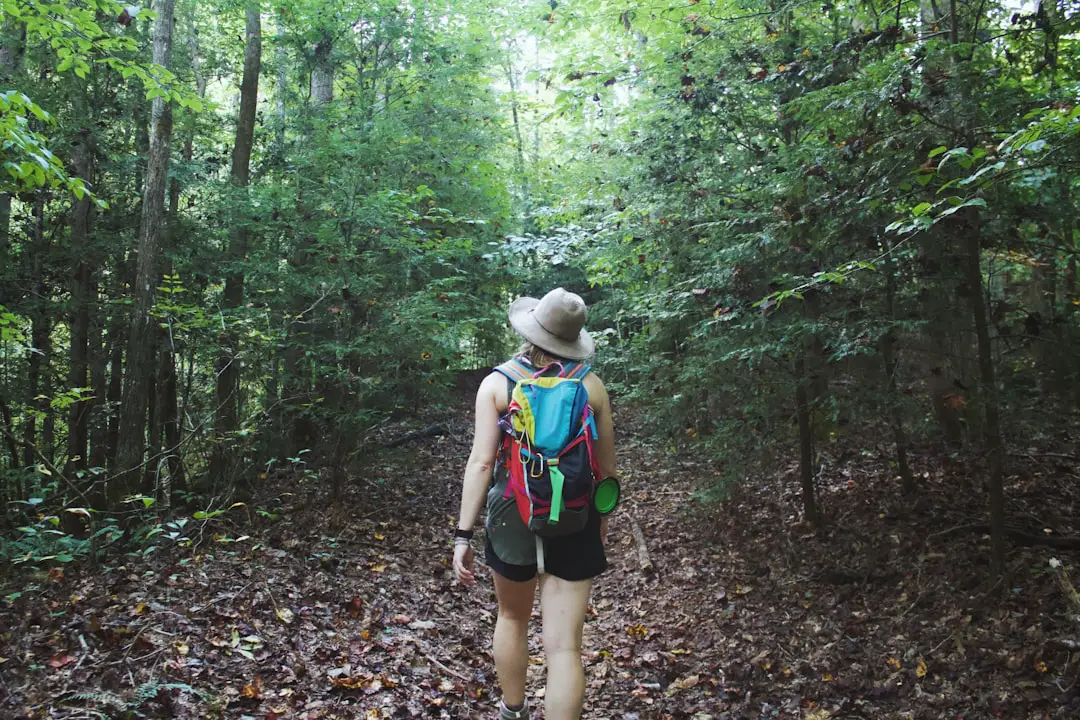
Hiking through North Carolina’s varied landscapes—from the rugged peaks of the Blue Ridge Mountains to coastal trailways—often leads outdoor enthusiasts to ask about personal safety and firearm regulations. Navigating North Carolina’s firearm statutes while on public trails requires a clear understanding of state carry laws, federal park regulations, and specific land-management rules.
Quick Answer
Yes, you can carry a gun while hiking in North Carolina. Open carry is legal without a permit for anyone 18 or older who is legally allowed to possess a firearm. Concealed carry requires a valid North Carolina Concealed Handgun Permit (CHP) or recognized out-of-state permit (21+). Specific federal and state park exclusions apply.
Note: This article is for general informational purposes and does not constitute legal advice. Firearm regulations vary across state parks, national forests, federal buildings, and municipal lands. Confirm current regulations with the North Carolina Department of Justice or a licensed attorney before carrying.
Key Takeaways
- Open Carry: Legal without a permit for eligible adults 18 and older in non-restricted public areas.
- Concealed Carry: Requires a valid Concealed Handgun Permit (CHP) or recognized out-of-state permit for adults 21 and older.
- National Parks & Forests: Follow North Carolina state carry laws, but firearms are strictly prohibited inside all federal buildings (18 U.S.C. § 930).
- State Park Exceptions: Allowed in most state parks, but strictly prohibited on Army Corps of Engineers managed lands (Falls Lake, Jordan Lake, Kerr Lake) under 36 C.F.R. § 327.13.
- Self-Defense Law: N.C.G.S. § 14-51.3 permits the defensive use of force with no duty to retreat in public places when facing imminent severe harm.
Disclosure: As an Amazon Associate I earn from qualifying purchases. Some links on this page are affiliate links, at no extra cost to you.
Concealed Carry Permits in North Carolina
To carry a concealed handgun on your person or inside a backpack while hiking in North Carolina, individuals must possess a valid Concealed Handgun Permit (CHP) issued under N.C.G.S. § 14-415.11 or an accepted out-of-state permit. Applicants must be at least 21 years old, complete a state-approved firearm safety training course, pass a mental health and criminal background check through their local sheriff’s office, and satisfy residency criteria.
Permits are valid for five years. Under North Carolina reciprocity laws, valid concealed carry permits issued by any other U.S. state are recognized. However, concealed carry remains prohibited in posted restricted locations, educational properties, government buildings, and areas serving alcohol where posted.
Pro Tip: Legislation regarding permitless (“constitutional”) carry (such as SB 50 and S 815) has been introduced in the General Assembly. However, a permit remains legally required for concealed carry in North Carolina. Always verify current statutory requirements prior to carrying concealed.
Open Carry Laws in North Carolina
Open carry refers to wearing a firearm in plain sight—such as in an open hip holster. In North Carolina, open carry is legal for any individual at least 18 years old who is not otherwise disqualified from firearm ownership under state or federal law. No permit is required to open carry in permitted public spaces.
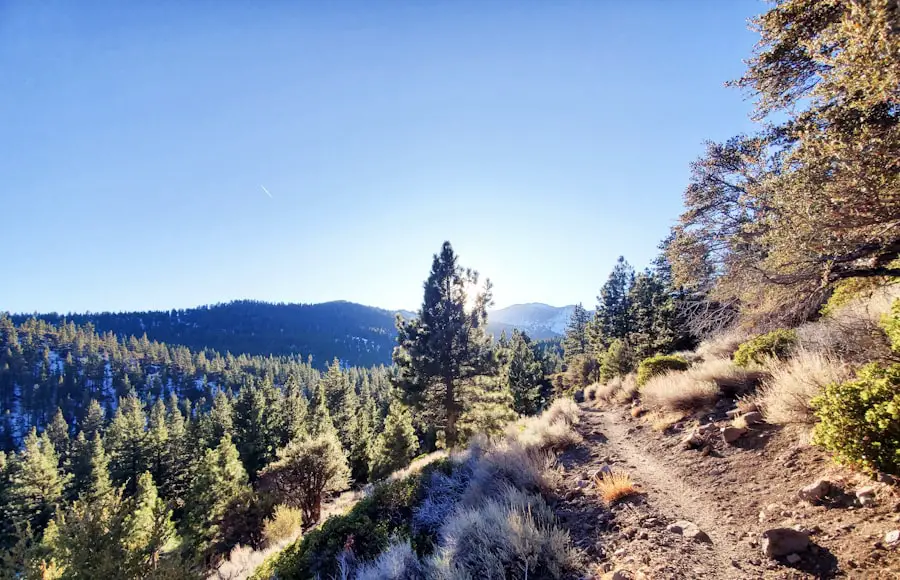
While open carry is legal, hikers should exercise awareness. Carrying openly near crowded trailheads or public recreation sites can lead to public concern or law enforcement contacts. Furthermore, North Carolina enforces the common law offense of “Going Armed to the Terror of the People.” Under this doctrine, displaying or brandishing a weapon in a manner calculated to terrify or cause public panic is unlawful. Utilizing a high-retention holster keeps the firearm secure and clearly signals responsible handling.
Carrying a Gun While Hiking in North Carolina
Carrying a firearm on North Carolina hiking trails requires knowing which public entity owns or manages the land. Regulations vary between state-managed parks, national forests, federal reservoirs, and municipal trail systems.
At a Glance
| Open Carry Requirement | Age 18+, no permit required in eligible public zones |
| Concealed Carry Requirement | Age 21+, valid NC CHP or recognized out-of-state permit |
| NC State Parks | Allowed per state carry laws; prohibited in visitor centers & offices |
| Army Corps Lakes (Falls/Jordan/Kerr) | Strictly PROHIBITED under 36 C.F.R. § 327.13 (loaded firearms) |
| National Parks & Forests | Outdoor carry follows state law; prohibited inside all federal facilities |
| Vehicle Transport to Trailhead | Permit holders may carry concealed; non-permit holders must keep locked/secured |
While most state parks permit carry according to state statutory guidelines, a critical exception exists for state recreation areas situated on land owned by the U.S. Army Corps of Engineers. Pursuant to 36 C.F.R. § 327.13, loaded firearms and ammunition are prohibited at Falls Lake, Jordan Lake, and Kerr Lake State Recreation Areas, regardless of state permit status.
“The majority of legal issues for trail carry arise from carrying into posted federal structures or Army Corps properties—not from confrontations on the trail itself.”
Wilderness Areas and National Parks Regulations
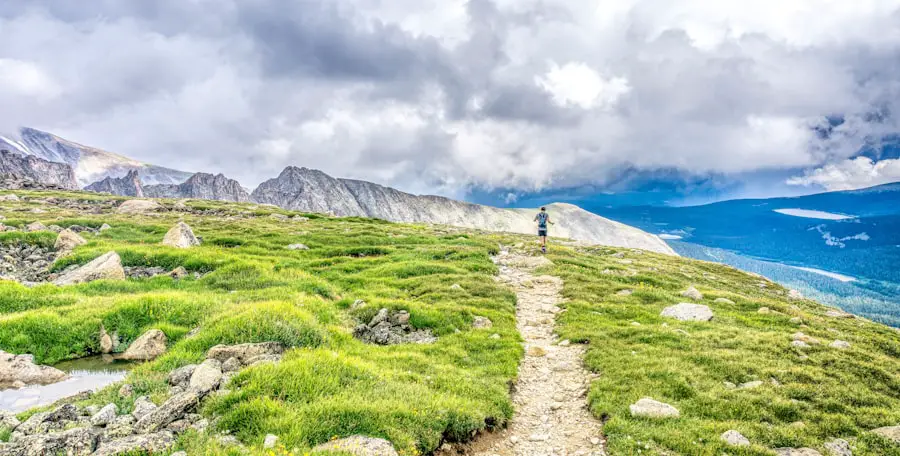
National Park Service (NPS) units (such as the Great Smoky Mountains National Park and the Blue Ridge Parkway) and U.S. Forest Service (USFS) lands (such as Pisgah and Nantahala National Forests) align outdoor carry permissions with North Carolina state law.
Federal Buildings and Restricted Zones
Under federal law (18 U.S.C. § 930), carrying a firearm inside federal facilities is strictly illegal. A federal facility is defined as any building owned or leased by the federal government where federal employees regularly perform official duties. This includes:
- Visitor centers and gift shops
- Ranger stations and administrative offices
- Maintained public restrooms within national park facilities
Conspicuous signs are posted at entrances to these structures. Firearms must remain secured outside these buildings, even for valid CHP holders.
North Carolina Self-Defense Laws on the Trail
Understanding when force may legally be used is as critical as knowing carry rules. While North Carolina’s “Castle Doctrine” (N.C.G.S. § 14-51.2) protects defensive force within one’s home, motor vehicle, or workplace, general self-defense outside the home is governed by N.C.G.S. § 14-51.3.
Under N.C.G.S. § 14-51.3, a person is justified in using defensive force—including deadly force—and has no duty to retreat in any place they have a lawful right to be (including public hiking trails) if:
- They reasonably believe such force is necessary to prevent imminent death or great bodily harm to themselves or another person; OR
- They are acting to prevent the commission of a forcible felony.
This protection does not apply if the person carrying initiated the confrontation or was engaged in unlawful activity at the time.
Interactions with Wildlife and Non-Lethal Alternatives
Encounters with wildlife such as black bears, timber rattlesnakes, or feral hogs lead many hikers to carry a firearm. However, discharging a firearm at wildlife should be treated as a last resort. Unlawful discharge or taking of wildlife outside established hunting seasons carries criminal penalties under Wildlife Resources Commission regulations.
According to research from the National Park Service and Interagency Grizzly Bear Committee, EPA-approved bear spray is statistically more effective than firearms at stopping aggressive wildlife encounters without escalating danger to the hiker or surrounding trail users. Carrying non-lethal deterrents provides a safe first line of defense.
Safe Storage, Holstering, and Transport
Safe handling prevents accidental discharge or lost gear while traversing rough terrain:
- Retention Holsters: Use a Level II or rigid Kydex holster with active retention. Simple friction holsters or loose pocket carry can allow a firearm to fall during scrambles or falls.
- Backpack Carry: If storing a concealed handgun inside a backpack, use a dedicated compartment with a holster that completely covers the trigger guard. Loose items in a pack can snag triggers.
- Vehicle Transport: When driving to trailheads without a CHP, keep handguns unloaded and secured in a locked trunk or glove box to comply with state transport standards.
Potential Legal Consequences of Carrying a Gun While Hiking
Carrying a firearm without reviewing location-specific statutes can lead to serious legal infractions, including misdemeanor or felony charges.
Warning: Carrying a concealed handgun without a valid permit, carrying on Army Corps managed lands (36 C.F.R. § 327.13), or carrying inside a federal park facility (18 U.S.C. § 930) constitutes a criminal offense. Unintentional violations do not exempt individuals from prosecution. When uncertain, leave firearms secured in a locked vehicle container.
Resources for Further Information on Gun Laws in North Carolina
Official legal details and statutory updates are published by the following authorities:
- North Carolina Department of Justice (NC DOJ): Concealed handgun reciprocity and state firearm law manuals.
- North Carolina State Parks (DNCR): Park-specific rules and land boundary designations.
- National Park Service (NPS) & US Forest Service (USFS): Superintendent’s compendiums for Great Smoky Mountains, Blue Ridge Parkway, and Pisgah/Nantahala forests.
- County Sheriff’s Offices: CHP application procedures, renewals, and local ordinances.
Frequently Asked Questions
Is it legal to carry a gun while hiking in North Carolina?
Yes. Open carry is legal without a permit for eligible adults 18 and older. Concealed carry requires a valid North Carolina Concealed Handgun Permit (CHP) or recognized out-of-state permit for adults 21 and older.
Can I carry a gun in North Carolina State Parks and National Forests?
Yes, carry is generally permitted in open outdoors following state law. However, firearms are strictly banned inside federal facilities (18 U.S.C. § 930) and on U.S. Army Corps of Engineers managed lands like Falls Lake, Jordan Lake, and Kerr Lake (36 C.F.R. § 327.13).
Are there restrictions on the type of gun carried while hiking?
North Carolina law does not limit specific handgun calibers or legal long guns for trail carry, but all standard state and federal laws regarding prohibited NFA firearms or illegal modifications apply.
Where is carrying a gun strictly prohibited while hiking in NC?
Firearms are prohibited inside federal park buildings (visitor centers, administrative offices, restrooms), educational properties, posted private property, and state recreation sites managed by the Army Corps of Engineers.
What are key safety considerations when carrying on the trail?
Use active retention holsters (Level II or Kydex), ensure trigger guards are fully covered during pack carry, keep bear spray accessible for wildlife, and maintain strict muzzle discipline on steep or slick terrain.
Sources
- North Carolina General Assembly — N.C.G.S. § 14-415.11 — Concealed handgun permit scope and requirements
- North Carolina General Assembly — N.C.G.S. § 14-51.3 — Use of force in defense of person and duty to retreat
- North Carolina State Parks — Park rules, regulations, and Army Corps of Engineers land guidelines
- National Park Service — Great Smoky Mountains National Park firearms regulations & 18 U.S.C. § 930
- North Carolina Department of Justice — Official firearms law publications and permit reciprocity guidance

