
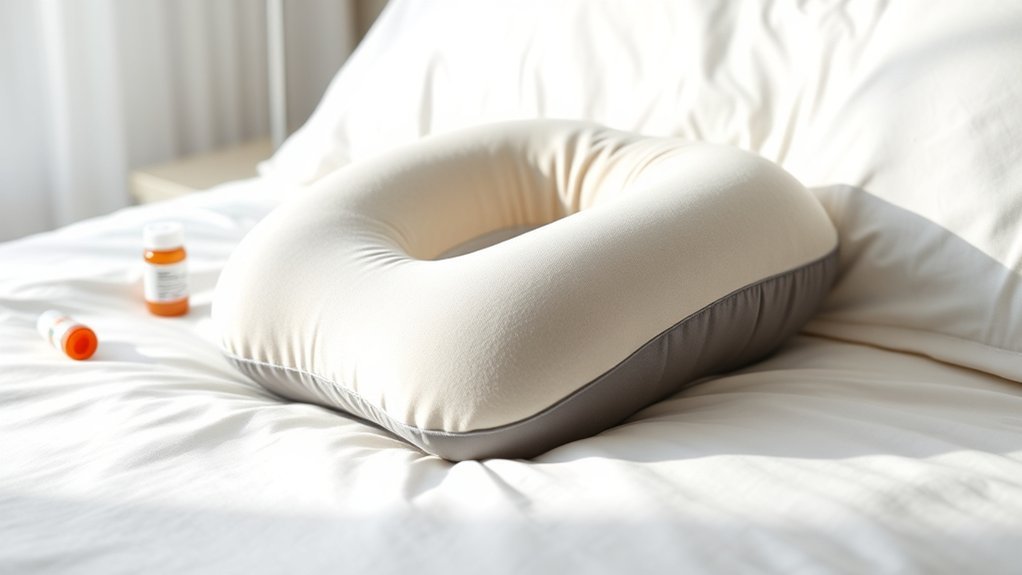
Travel pillows can harbor allergens like dust mites and mold, triggering asthma and allergy symptoms. Opting for hypoallergenic options helps reduce this exposure, promoting better sleep while traveling. Look for materials that resist allergens and guarantee the pillow has a removable, washable cover. Regular cleaning and maintaining a clean travel space further enhance your comfort. Communicating your needs with hotel staff can also make a significant difference. Discover additional tips for managing allergies while traveling effectively.
Why Allergens in Travel Pillows Matter for Your Health

When you travel, the last thing you want is to be plagued by allergy or asthma symptoms, yet allergens in travel pillows can easily trigger these issues. Common pillow materials may harbor dust mites, mold, and pet dander, exacerbating your symptoms, especially in humid environments where moisture promotes mold growth. If you have asthma or allergies, choosing the right travel pillow is essential. Opt for hypoallergenic options made from latex or polyester, designed to minimize allergen exposure. Regular cleaning and using allergy-proof pillowcases can greatly reduce allergens, helping you breathe easier on the go. Plus, travel pillows with removable, washable covers make managing allergens simpler, ensuring you can focus on enjoying your journey rather than battling discomfort.
Benefits of Hypoallergenic Travel Pillows for Allergy Management
If you suffer from allergies, using a hypoallergenic travel pillow can greatly reduce your exposure to allergens like dust mites and mold. This not only helps you breathe easier but also enhances your sleep quality during your travels. Plus, with their easy-to-clean materials, you can maintain a healthier sleep environment wherever you go.
Reduces Allergen Exposure
Choosing a hypoallergenic travel pillow can greatly reduce your exposure to allergens, ensuring a more comfortable journey. These pillows resist common allergen sources like dust mites, mold, and pet dander, creating a cleaner sleeping environment. Typically crafted from synthetic pillow materials, they’re less likely to trap allergens compared to traditional natural fillings.
| Feature | Hypoallergenic Travel Pillows | Traditional Pillows |
|---|---|---|
| Allergen Resistance | High | Low |
| Washable Covers | Yes | Often No |
| Materials Used | Synthetic | Natural (feathers, etc.) |
Enhances Sleep Quality
Hypoallergenic travel pillows not only reduce allergen exposure but also greatly enhance your sleep quality. By using materials that resist dust mites, mold, and pet dander, these pillows provide you with the sleep comfort you crave, especially in unfamiliar environments. Their breathable fabrics help regulate temperature and moisture, ensuring you stay comfortable and minimizing allergic reactions during the night. When you invest in a hypoallergenic travel pillow, you’re creating a restful sanctuary that aligns with your allergen awareness. You can drift off knowing you’ve taken steps to protect your health while traveling. With better sleep quality, you’ll wake up refreshed and liberated, ready to embrace your next adventure without the burden of allergies weighing you down.
Easy to Clean
When you’re on the go, keeping your travel pillow clean can greatly impact your allergy management. Hypoallergenic travel pillows are designed for easy maintenance, resisting allergens like dust mites and mold. Many feature removable, washable covers that let you freshen up your pillow quickly, ensuring better travel hygiene. This means you can tackle allergens head-on, making your trips more enjoyable and stress-free. The breathable materials in these pillows also help regulate moisture and temperature, preventing the growth of bacteria and mold. By investing in a hypoallergenic travel pillow, you’re not just enhancing your comfort; you’re promoting a healthier sleeping environment. Say goodbye to allergy triggers and hello to peaceful sleep wherever you wander!
How to Choose Hypoallergenic Travel Pillows?
How can you guarantee a restful journey without worsening your allergies? Choosing the right hypoallergenic travel pillow is essential. Look for pillow materials like memory foam or latex, which resist dust mites and mold. Make certain it has a removable cover made from hypoallergenic fabrics like cotton or bamboo for easy washing. Antimicrobial-infused pillows can also help keep bacteria at bay. Certifications like CertiPUR-US indicate safe materials for allergy sufferers. Here’s a quick guide to help you choose:
| Feature | Benefits | Considerations |
|---|---|---|
| Pillow Materials | Resists dust mites and mold | Check for certifications |
| Washable Covers | Reduces allergen buildup | Make certain fabric is hypoallergenic |
| Antimicrobial Properties | Prevents bacteria growth | Verify effectiveness |
| Sealed Seams | Minimizes allergens | Look for quality construction |
| Hypoallergenic Stuffing | Protects against pet dander | Confirm material details |
Must-Have Accessories to Enhance Allergy Management While Traveling
When you’re traveling, protecting yourself from allergens is essential for a comfortable trip. Consider using hypoallergenic travel pillows, portable air purifiers, and allergy-proof pillow covers to enhance your allergy management. These accessories can greatly reduce your exposure to triggers and help you breathe easier while on the go.
Hypoallergenic Travel Pillow Options
If you suffer from allergies or asthma, choosing the right travel pillow can make a significant difference in your comfort and health while on the go. Hypoallergenic travel pillows are designed to minimize allergens, ensuring a more restful journey. When selecting one, consider the following options:
- Memory foam: Contours to your neck while resisting dust mites and mold.
- Synthetic fibers: Less likely to harbor allergens compared to natural materials.
- Removable covers: Easy to wash, helping to prevent allergen buildup.
Some brands even infuse antimicrobial properties to combat bacteria and mold growth. Investing in a hypoallergenic travel pillow not only enhances your travel experience but also helps you manage asthma and allergy symptoms effectively.
Portable Air Purifiers
Traveling can be a challenge for those with allergies or asthma, especially when you’re unsure about the air quality in your accommodations. A portable air purifier can be your best ally, effectively reducing airborne allergens like dust mites, pollen, and pet dander. Many compact models are lightweight, making them perfect for hotel rooms or rental properties. Studies show that using air purifiers can lower asthma symptoms and improve respiratory health by filtering harmful particles from the air. Look for purifier features such as noise levels, energy efficiency, and the space size it can purify. Some models even utilize UV-C light technology, providing extra protection against bacteria and viruses while you travel. Your well-being deserves this simple yet powerful addition.
Allergy-Proof Pillow Covers
Air quality isn’t the only concern for allergy and asthma sufferers on the go; the bedding you encounter can greatly impact your health too. Investing in allergy-proof pillow covers can be a game changer for your travel experience. These covers, made from tightly woven pillow cover materials, block dust mites, mold, and other allergens.
Here’s why you should consider them:
- Hypoallergenic: They reduce asthma triggers during sleep.
- Easy Maintenance: Wash them frequently to keep allergens at bay.
- Travel-Friendly: Carry a portable hypoallergenic pillowcase for a safe sleep experience.
With proper allergy cover maintenance, you can guarantee a cleaner, healthier sleeping environment wherever you are, allowing you to rest easy and enjoy your travels.
How to Talk to Hotel Staff About Your Allergy Needs?
How can you guarantee a comfortable stay when you have allergies? Start by clearly communicating your specific needs to the hotel staff during check-in. Request hypoallergenic bedding and inquire about allergy-friendly rooms with hard flooring and minimal soft furnishings. Don’t forget to ask the housekeeping manager to use non-scented cleaning products, as these can trigger asthma or allergy symptoms. It’s also wise to ask if they can replace air filters in your room before your arrival to improve air quality. Remember, following up on special requests is important; most hotel staff are willing to accommodate your health needs. By openly discussing your allergies, you empower yourself to have a more enjoyable and liberating travel experience.
Keeping Your Travel Space Clean During Your Trip
While on the road, maintaining a clean travel space is essential for minimizing allergy and asthma triggers. To protect yourself effectively, consider these practices:
Maintaining a clean travel space is crucial for minimizing allergy and asthma triggers while on the road.
- Use disinfectant wipes on surfaces like airplane tray tables, hotel doorknobs, and light switches for surface sanitization.
- Bring a hypoallergenic travel pillow and encasements to shield against dust mites and allergens.
- Regularly wash your hands or use hand sanitizer, especially before meals.
Avoid hotel linens cleaned with scented detergents, as fragrances can exacerbate symptoms. If possible, request unscented options. You might also want to use a portable air purifier in your hotel room to improve air quality. Prioritizing cleanliness fosters a healthier, more enjoyable travel experience.
Frequently Asked Questions
Can I Use My Home Pillow While Traveling for Allergies?
You can definitely use your home pillow while traveling if it helps reduce your allergy symptoms. Just make certain it’s clean and allergen-free to avoid triggering any reactions in new environments. Your comfort matters!
Are There Specific Brands Known for Hypoallergenic Travel Pillows?
Yes, some travel pillow brands, like Tempur-Pedic and Coop Home Goods, use hypoallergenic materials. These options help guarantee a restful journey, allowing you to enjoy your adventures without worrying about allergens disturbing your peace.
How Often Should I Replace My Travel Pillow?
You should replace your travel pillow every 1-2 years. Over time, allergens accumulate, potentially triggering allergy symptoms. Staying aware of your pillow’s lifespan guarantees comfort and keeps you free from unwanted reactions during travel.
Can Fabric Softeners Affect My Travel Pillow’s Hypoallergenic Properties?
Yes, fabric softener can negatively impact your travel pillow’s hypoallergenic properties. To guarantee effective pillow maintenance, consider using fragrance-free detergents and avoid softeners, keeping your pillow clean and safe for allergy-sensitive individuals like you.
Do Travel Pillows Come in Different Firmness Levels for Allergy Sufferers?
Yes, travel pillows come in various firmness levels to accommodate your firmness preferences. Look for hypoallergenic materials like memory foam or latex, which can enhance comfort while minimizing allergy triggers, ensuring a more restful journey.
Conclusion
Traveling with allergies and asthma doesn’t have to be a stressful experience. By choosing hypoallergenic travel pillows and using the right accessories, you can greatly reduce your exposure to allergens. You might worry that these options are more expensive, but investing in your health is worth it. With a little planning, you can enjoy your journey without compromising your well-being. Remember, a little effort goes a long way in creating a comfortable and safe travel environment.